
Platinum Alligator Gar Care Guide
Atractosteus spatula · Freshwater Fish
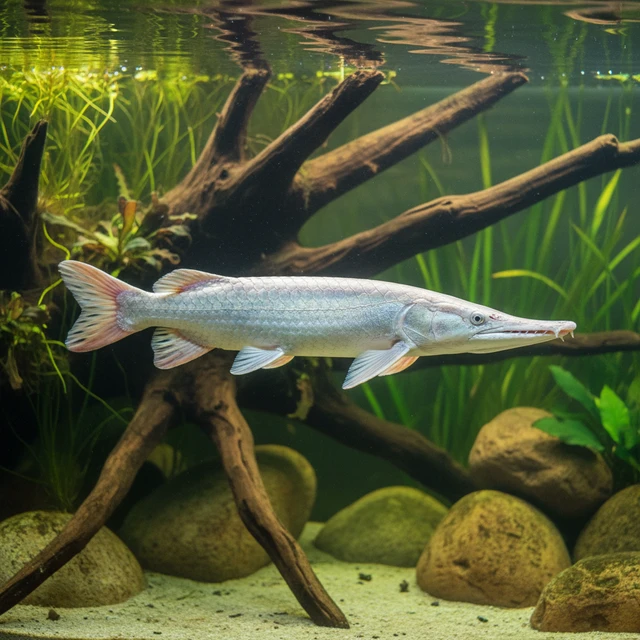
What Platinum Alligator Gar look like
The Platinum Alligator Gar (Atractosteus spatula) exhibits a strikingly elongated and fusiform body, capable of reaching lengths of up to 48 inches in the wild, though typically measuring 24-36 inches in captivity. This species is characterized by its distinctive pale white to golden coloration, which is a unique trait of the platinum morph, setting it apart from its more commonly observed green counterparts. The head is notably elongated, featuring a pronounced alligator-like snout equipped with sharp, conical teeth adapted for grasping slippery prey. The body is armored with diamond-shaped ganoid scales, providing both protection and a unique texture. Additionally, the Platinum Alligator Gar possesses a well-defined lateral line system, which aids in detecting vibrations in the water, and features an adipose fin, contributing to its streamlined shape. Sexual dimorphism is subtle, with males typically being slightly smaller than females, and both sexes exhibit similar morphological traits. Defensive adaptations include their formidable size and armored scales, which deter many potential predators.
Behavior & temperament
The Platinum Alligator Gar is primarily a solitary species, often found dwelling in the pelagic zones of freshwater environments such as rivers and lakes. While they may exhibit some social behavior during breeding seasons, they do not form obligate schools. Their breeding behavior is characterized as an egg scatterer, where females release eggs into the water column, allowing fertilization to occur externally. These fish are generally lethargic and exhibit a calm temperament, though they can display territorial aggression, particularly during the breeding season or when defending their space from intruders. They tend to inhabit mid to upper water columns, utilizing their size and camouflage to ambush prey effectively.
Diet & feeding
In the wild, the Platinum Alligator Gar is an opportunistic carnivore, primarily preying on fish and crustaceans. In captivity, they require a varied diet consisting of high-quality pellets, live or frozen fish, and crustaceans to meet their nutritional needs.
Behind the name
Atractosteus (Greek: 'attractus' meaning 'to draw near'; 'osteus' meaning 'bone') and spatula (Latin: 'spatula' meaning 'spatula' or 'broad blade', referring to the shape of the snout).
Plan your tank
Check the numbers before you buy: tank volume, a stocking plan, cycle progress, water changes, and your ongoing care routine.
Keep reading
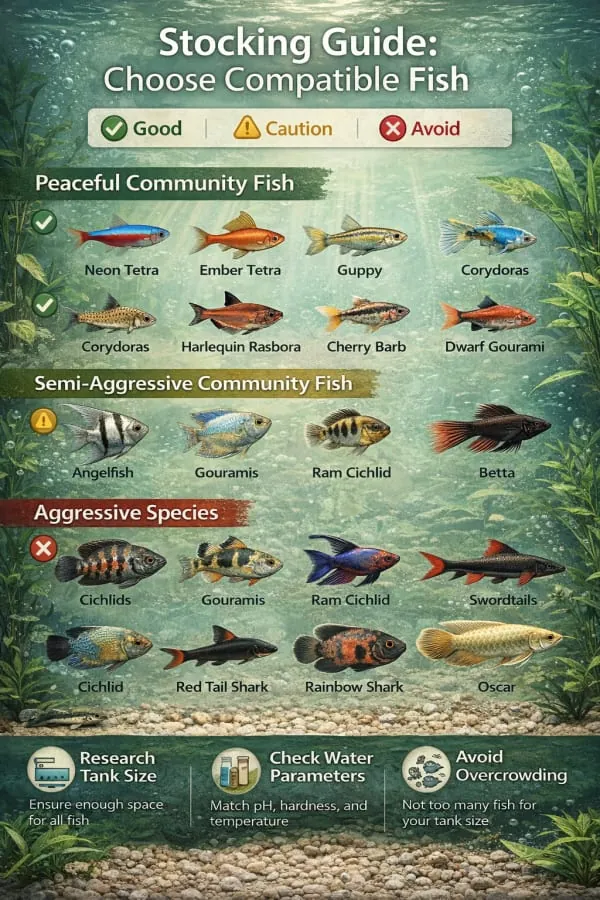
Choose compatible fish: school sizes, swimming zones, aggression, temperature and hardness matching, and honest bioload math for a peaceful community.
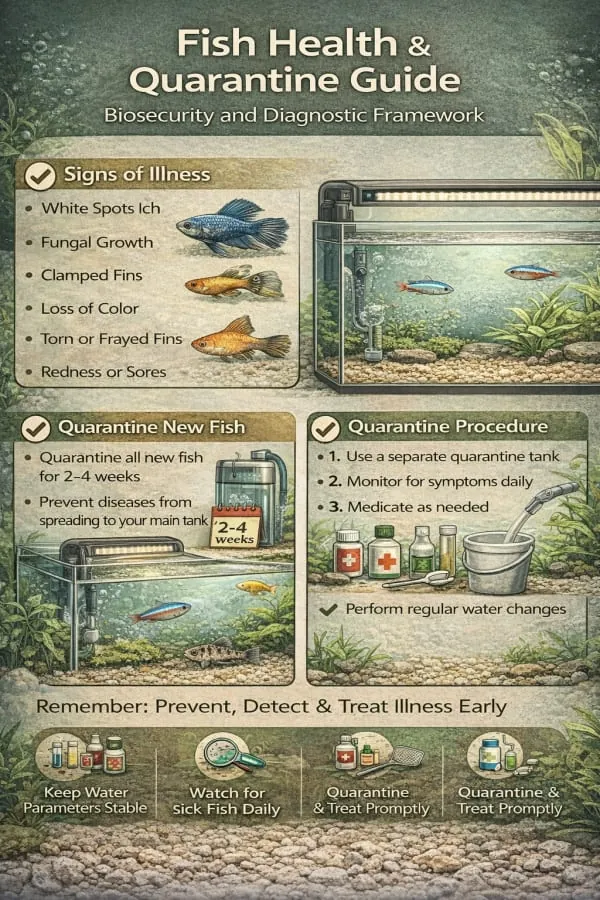
Quarantine new fish, spot the early warning signs, and treat disease without wrecking your tank. A practical freshwater fish health guide.
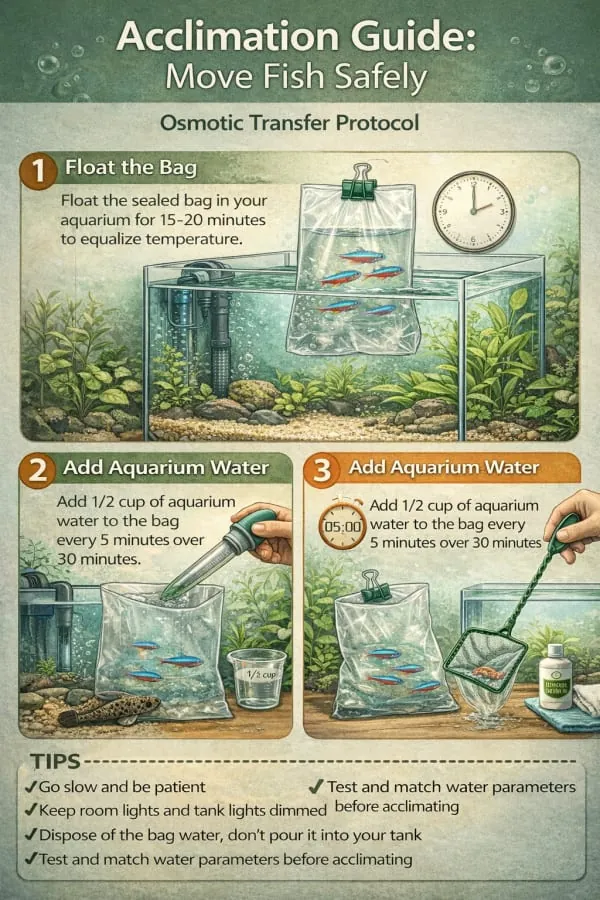
Acclimate new fish, shrimp, and coral safely: temperature floating, drip acclimation, plop-and-drop for shipped livestock, and the first 24 hours.
Keeping Platinum Alligator Gar?
AquaLens identifies your fish and plants from a photo, tracks water chemistry, and flags health issues early — free on iOS and Android.