Rili Shrimp Care Guide
Neocaridina davidi var. Rili · Freshwater Invert
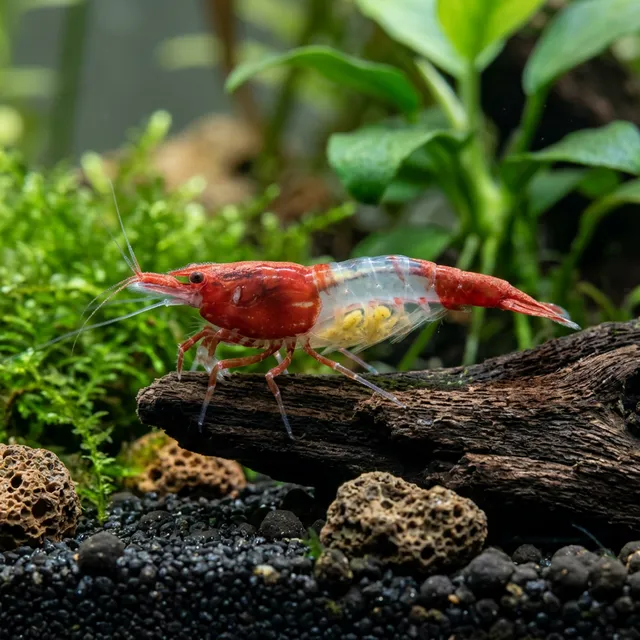
What Rili Shrimp look like
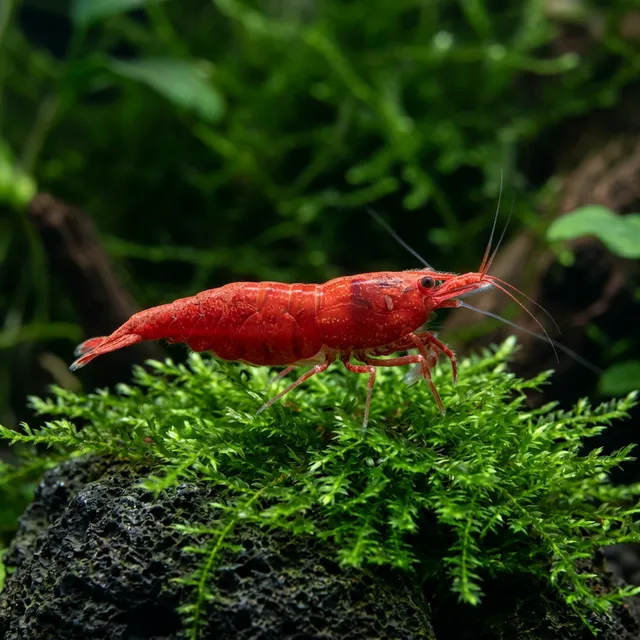
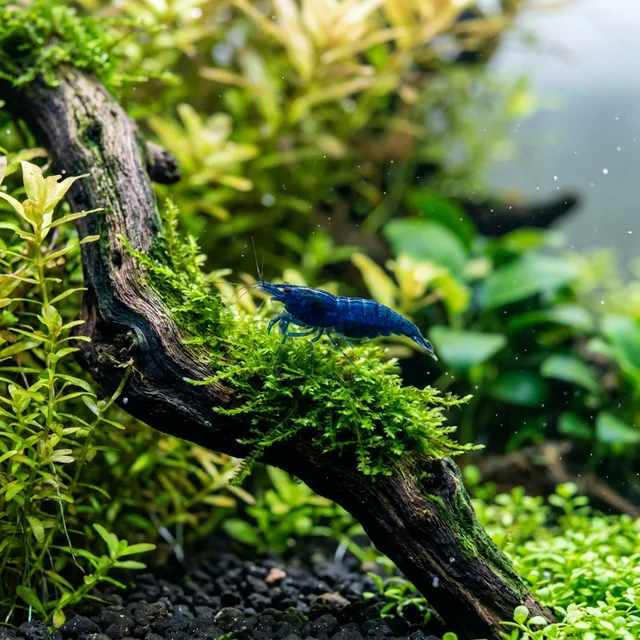
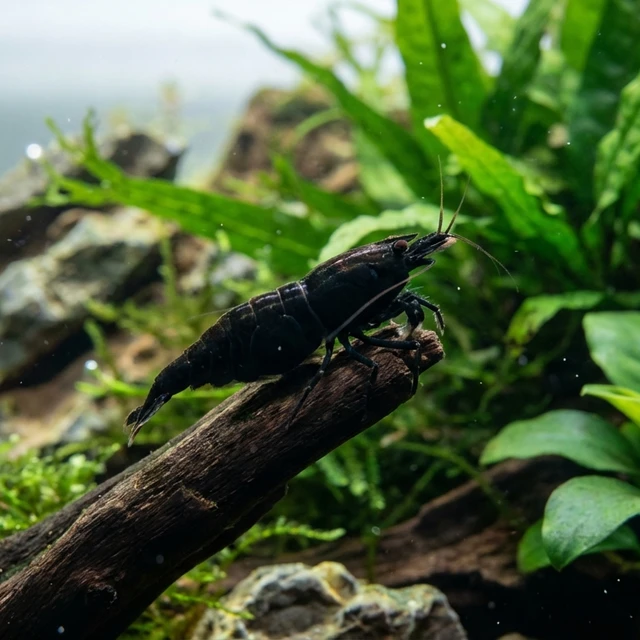
Neocaridina davidi var. Rili exhibits a diminutive size, typically reaching a maximum adult length of 1.5 inches (approximately 3.8 cm). This freshwater shrimp is characterized by its striking bicolor translucent pattern, where the cephalothorax and tail display solid colors—commonly red, blue, or carbon/black—while the middle abdominal segments are completely clear and translucent. This unique morphological feature allows for visibility of internal organs, enhancing its visual appeal. The body is laterally compressed, facilitating agile movement through aquatic vegetation. Rili Shrimp possess a well-developed carapace and exhibit a pair of prominent antennae, which are crucial for sensory perception. Their exoskeleton is relatively soft compared to other crustaceans, providing some flexibility but also making them susceptible to predation. They lack defensive adaptations such as spines or aggressive coloration, relying instead on their small size and habitat for camouflage.
Behavior & temperament
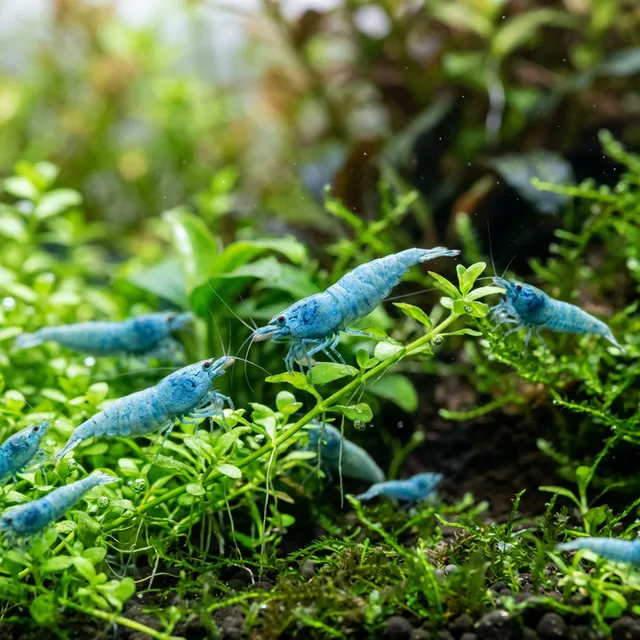
Rili Shrimp are primarily social creatures, often found in small groups within their natural habitat, which encourages a communal lifestyle. They dwell primarily in the benthic zone, foraging among substrate and aquatic plants. Their behavior is generally peaceful, exhibiting low aggression levels; however, they can display territoriality during breeding periods. Breeding occurs through a process of egg scattering, where females carry fertilized eggs under their pleopods until they hatch into miniature versions of adults. Rili Shrimp are known for their active foraging behavior, often grazing on biofilm and detritus, which contributes to their role in the aquatic ecosystem as scavengers.
Diet & feeding
In the wild, Rili Shrimp are omnivorous, feeding on biofilm, algae, and detritus. In captivity, they thrive on a varied diet that includes high-quality flake food, algae wafers, and blanched vegetables, supplemented with occasional protein sources such as brine shrimp or daphnia.
Behind the name
Neocaridina (new shrimp); davidi (named after David), var. Rili (referring to the distinct bicolor pattern).
Plan your tank
Check the numbers before you buy: tank volume, a stocking plan, cycle progress, water changes, and your ongoing care routine.
Keep reading

Choose compatible fish: school sizes, swimming zones, aggression, temperature and hardness matching, and honest bioload math for a peaceful community.
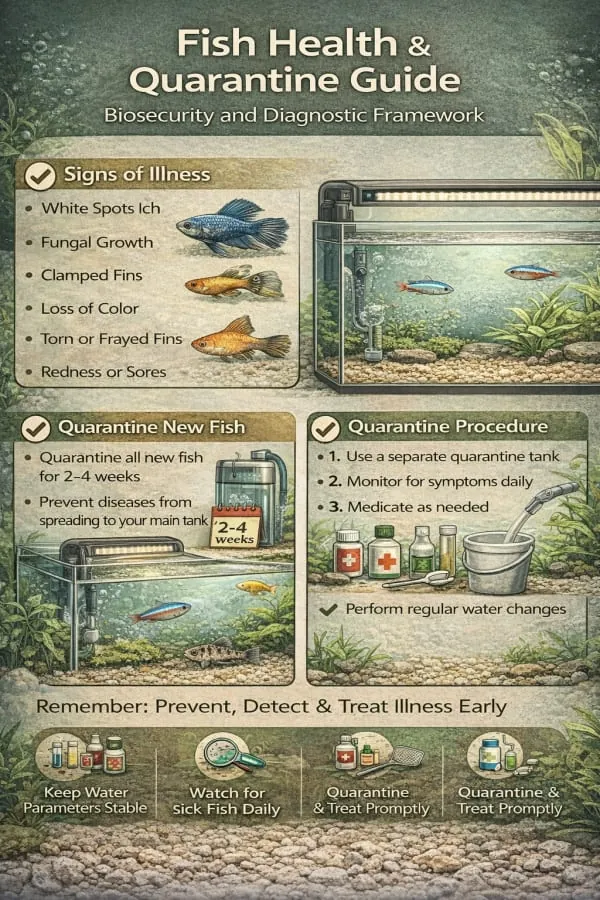
Quarantine new fish, spot the early warning signs, and treat disease without wrecking your tank. A practical freshwater fish health guide.

Acclimate new fish, shrimp, and coral safely: temperature floating, drip acclimation, plop-and-drop for shipped livestock, and the first 24 hours.
Keeping Rili Shrimp?
AquaLens identifies your fish and plants from a photo, tracks water chemistry, and flags health issues early — free on iOS and Android.