Ruby Rasbora Care Guide
Paedocypris progenetica · Freshwater Fish
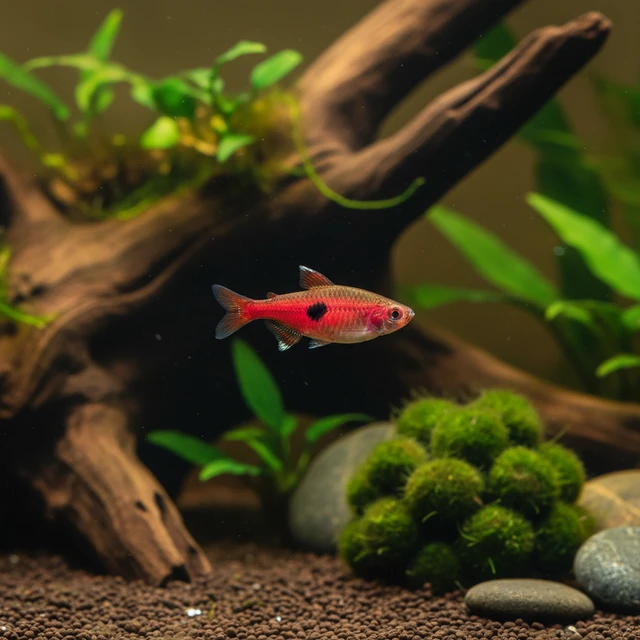
What Ruby Rasbora look like
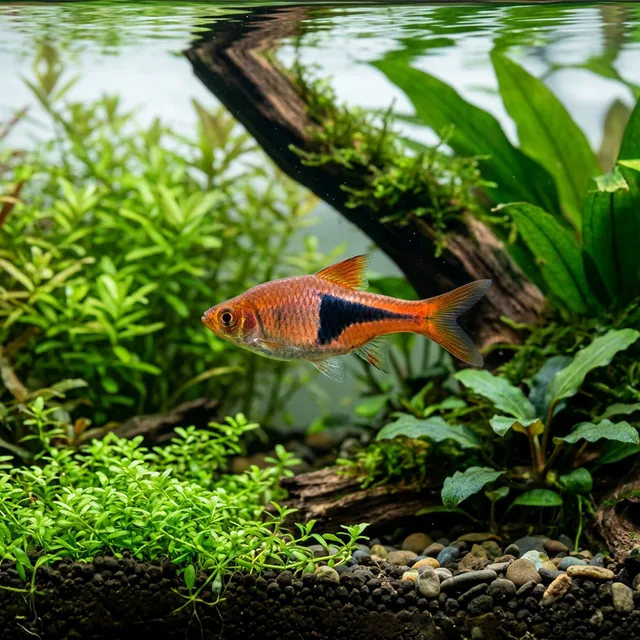
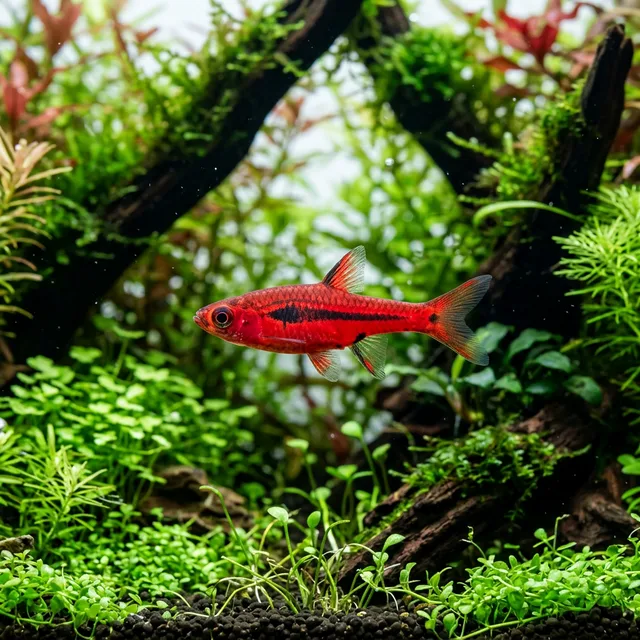
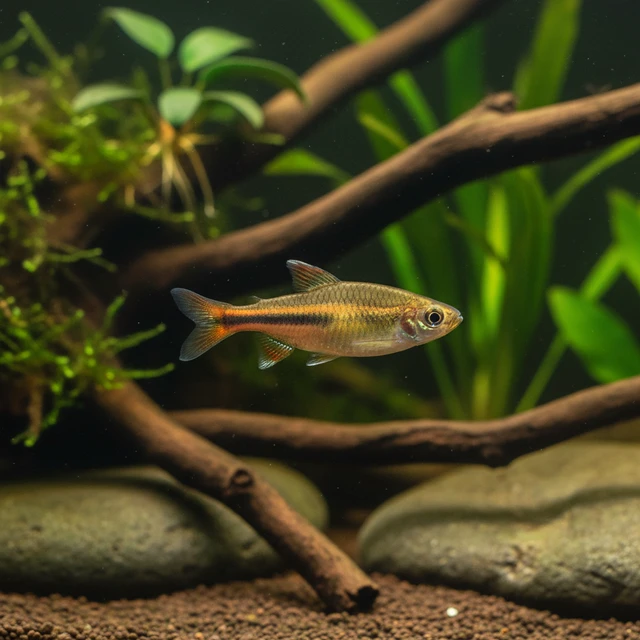
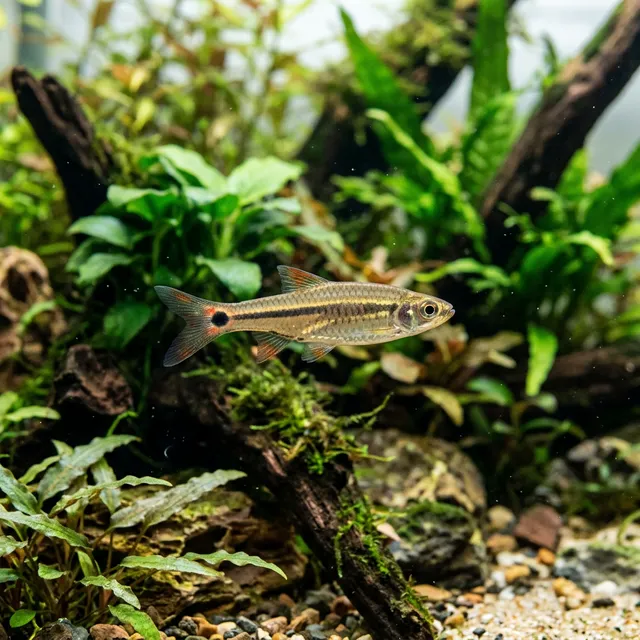
Paedocypris progenetica, commonly known as the Ruby Rasbora, is recognized as one of the smallest vertebrates on Earth, with a maximum adult size ranging from 0.3 to 0.4 inches (approximately 0.8 to 1 cm). The body is almost fully translucent, exhibiting a delicate ruby-red hue that serves as its most distinguishing feature. Morphologically, the Ruby Rasbora displays a laterally compressed body shape, which aids in its maneuverability within its native peat swamp habitat. The fish possesses a small, rounded head with a terminal mouth, equipped with fine, needle-like teeth adapted for grazing on microalgae and detritus. Notably, the species lacks an adipose fin, a characteristic that sets it apart from many other cyprinids. The lateral line system is also reduced, reflecting its adaptation to a life in densely vegetated, low-visibility environments. Defensive adaptations include its diminutive size and translucent body, which provide effective camouflage against predators in the murky waters of its habitat.
Behavior & temperament
The Ruby Rasbora is primarily a solitary fish, often found in small groups, but it does not exhibit strict schooling behavior. It inhabits the benthic and mid-water zones of peat swamp ecosystems, where it utilizes its small size to navigate through dense vegetation. Breeding behavior in this species is characterized by egg scattering, where females release eggs in sheltered areas among leaf litter or substrate. The temperament of the Ruby Rasbora is generally peaceful, though it may exhibit shyness in the presence of larger tank mates, making it suitable for community aquariums with similarly sized species.
Diet & feeding
In the wild, the Ruby Rasbora is an omnivore, primarily feeding on microalgae, detritus, and small invertebrates. In captivity, it requires a varied diet that includes high-quality micro-pellets, live or frozen foods such as daphnia and brine shrimp, and finely crushed flakes to meet its nutritional needs.
Behind the name
Paedocypris (child fish); progenetica (of progeny or offspring).
Plan your tank
Check the numbers before you buy: tank volume, a stocking plan, cycle progress, water changes, and your ongoing care routine.
Keep reading
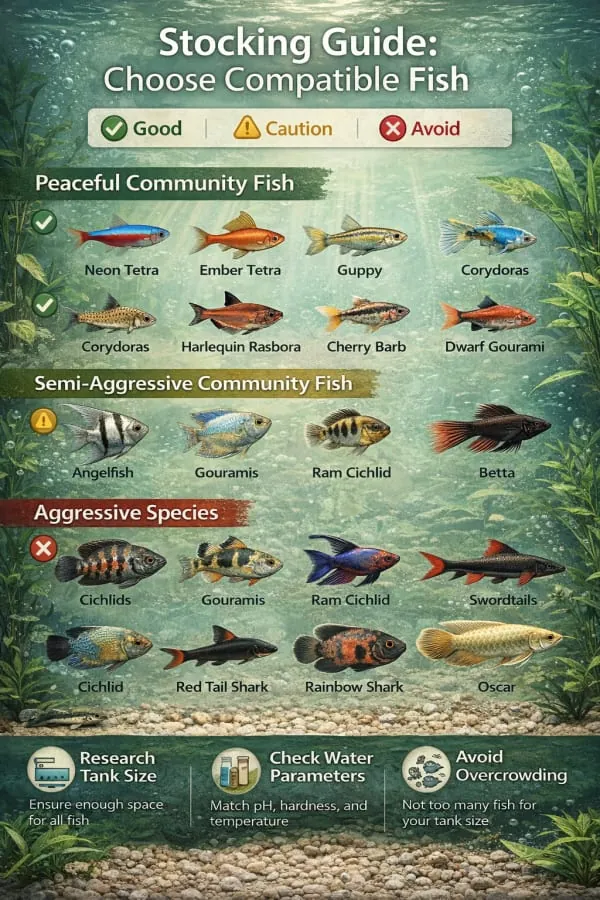
Choose compatible fish: school sizes, swimming zones, aggression, temperature and hardness matching, and honest bioload math for a peaceful community.
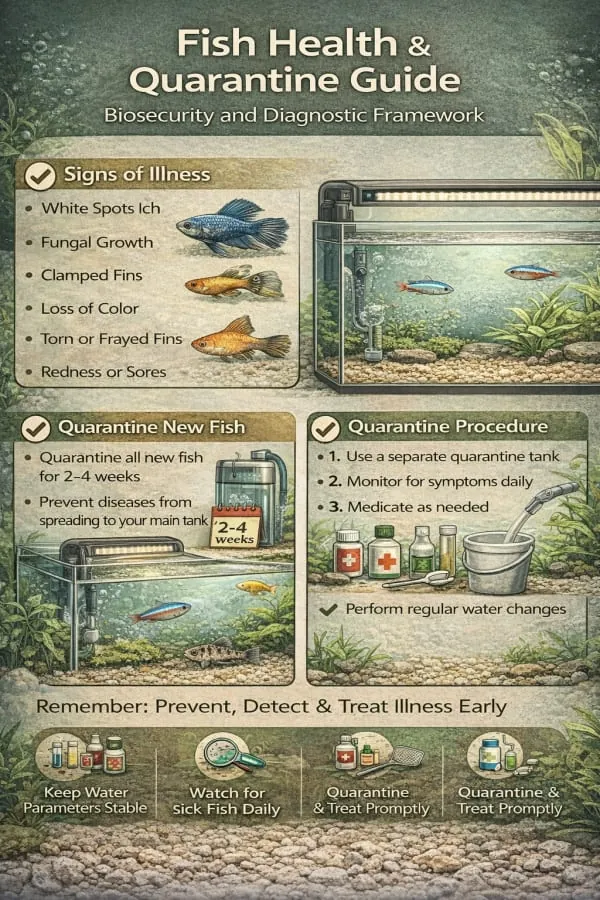
Quarantine new fish, spot the early warning signs, and treat disease without wrecking your tank. A practical freshwater fish health guide.
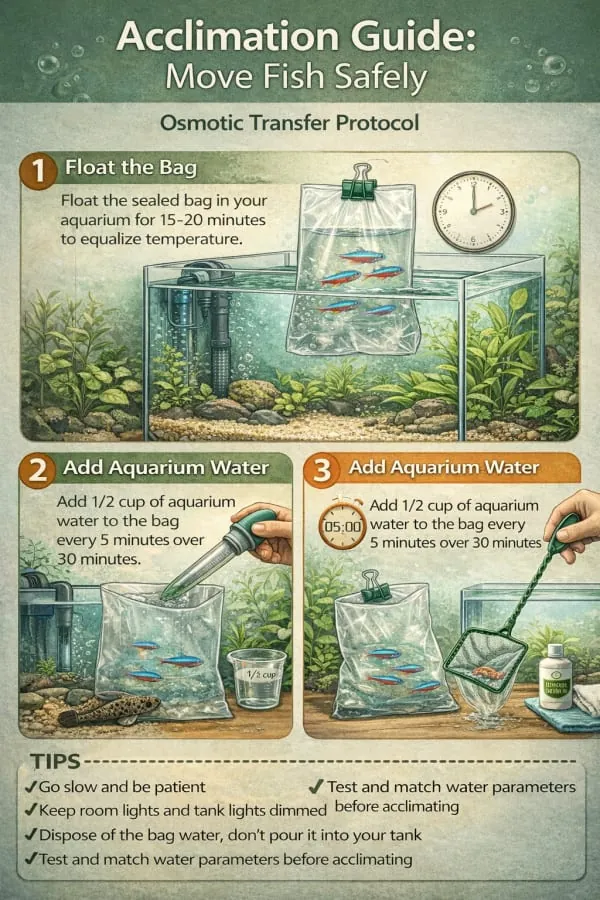
Acclimate new fish, shrimp, and coral safely: temperature floating, drip acclimation, plop-and-drop for shipped livestock, and the first 24 hours.
Keeping Ruby Rasbora?
AquaLens identifies your fish and plants from a photo, tracks water chemistry, and flags health issues early — free on iOS and Android.