Sally Lightfoot Crab Care Guide
Percnon gibbesi · Saltwater Crab
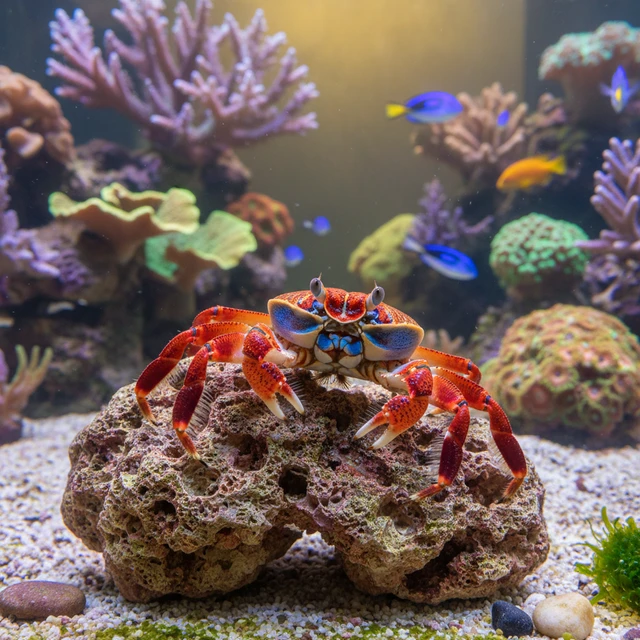
What Sally Lightfoot Crab look like
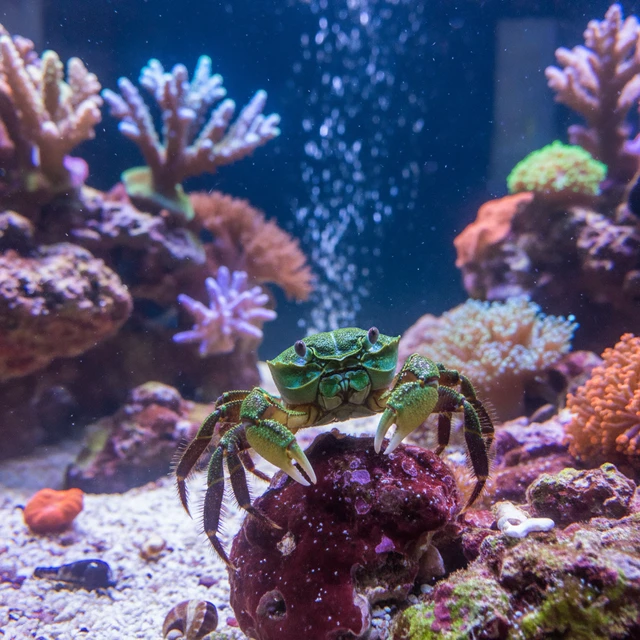
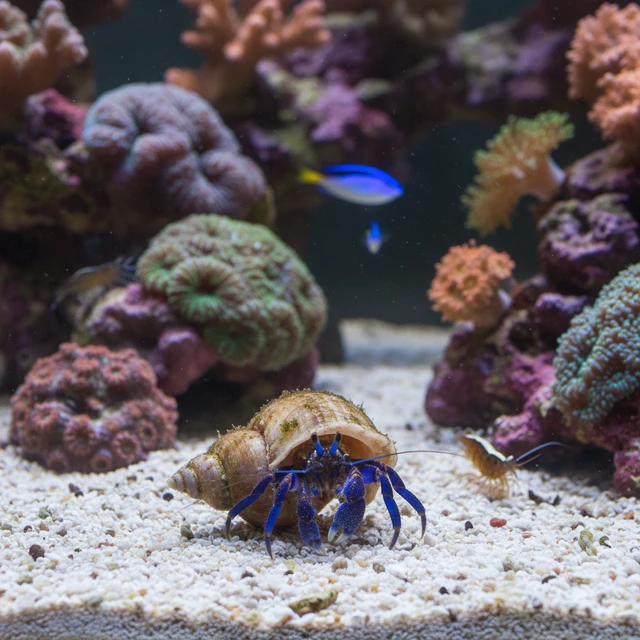
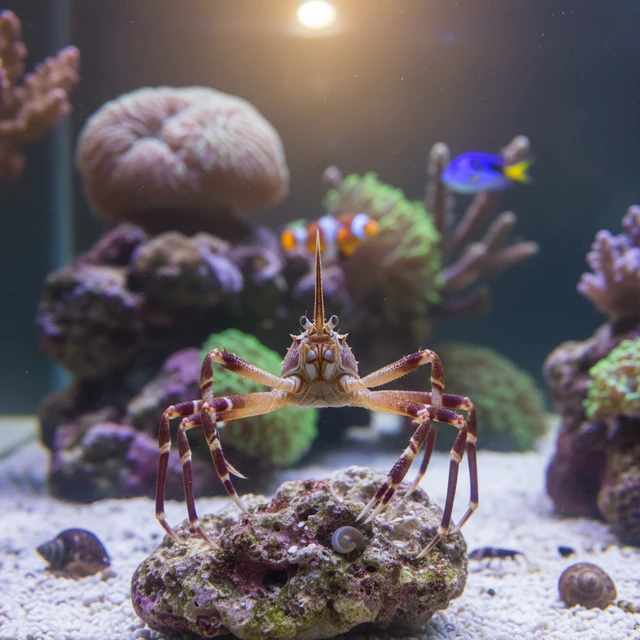
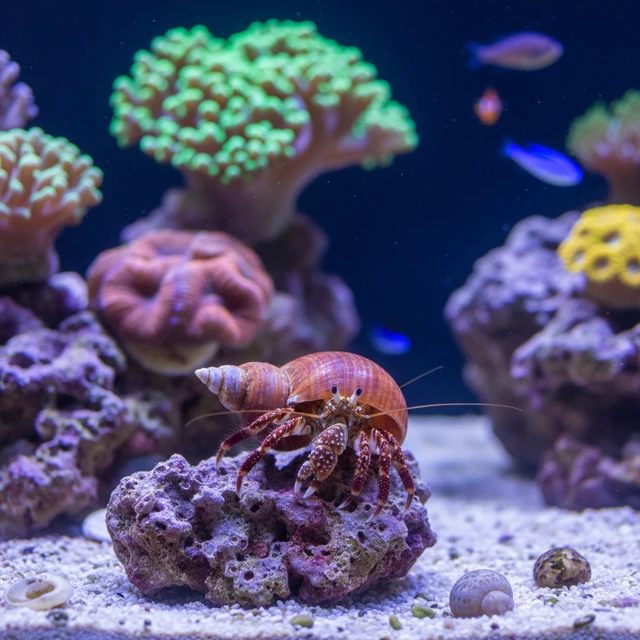
The Sally Lightfoot Crab, scientifically known as Percnon gibbesi, exhibits a strikingly vibrant coloration, typically characterized by a dark blue to greenish carapace adorned with bright red, orange, or yellow highlights on its limbs and claws. Adult specimens can reach a maximum carapace width of approximately 10 cm (4 inches). Sexual dimorphism is evident, with males generally displaying larger claws and more vivid coloration compared to females. This species possesses a flattened body structure that aids in maneuverability across rocky substrates, and its long, slender legs enable rapid movement. The eyes are prominent and stalked, providing a wide field of vision, while the chelae (claws) are robust and asymmetrical, adapted for both foraging and defense against predators. Defensive adaptations include the ability to rapidly scuttle into crevices and a hard exoskeleton that provides protection from physical threats.
Behavior & temperament
Sally Lightfoot Crabs are primarily diurnal and exhibit a social structure where individuals often gather in groups on rocky shorelines. They are known for their agile and quick movements, often seen climbing over rocks and algae. Breeding behavior involves complex courtship displays, where males engage in aggressive posturing to attract females. Their temperament is generally non-aggressive towards conspecifics but can exhibit territoriality during mating seasons. Feeding behavior is opportunistic; they forage primarily on algae, detritus, and small invertebrates, using their claws to scrape food from surfaces. They are capable of rapid retreat into crevices when threatened, utilizing their speed and agility to evade predators.
Diet & feeding
Sally Lightfoot Crabs are omnivorous scavengers, primarily feeding on algae, detritus, and small invertebrates. In captivity, they require a varied diet that includes algae wafers, blanched vegetables, and high-quality marine pellets.
Behind the name
The genus name 'Percnon' is derived from the Greek word 'perknon', meaning 'to leap', while the species name 'gibbesi' honors the naturalist and collector, John Gibbes.
Plan your tank
Check the numbers before you buy: tank volume, salinity, salt mix, water changes, and your ongoing care routine. Keeping reef? Start from the Saltwater & Reef hub.
Keep reading
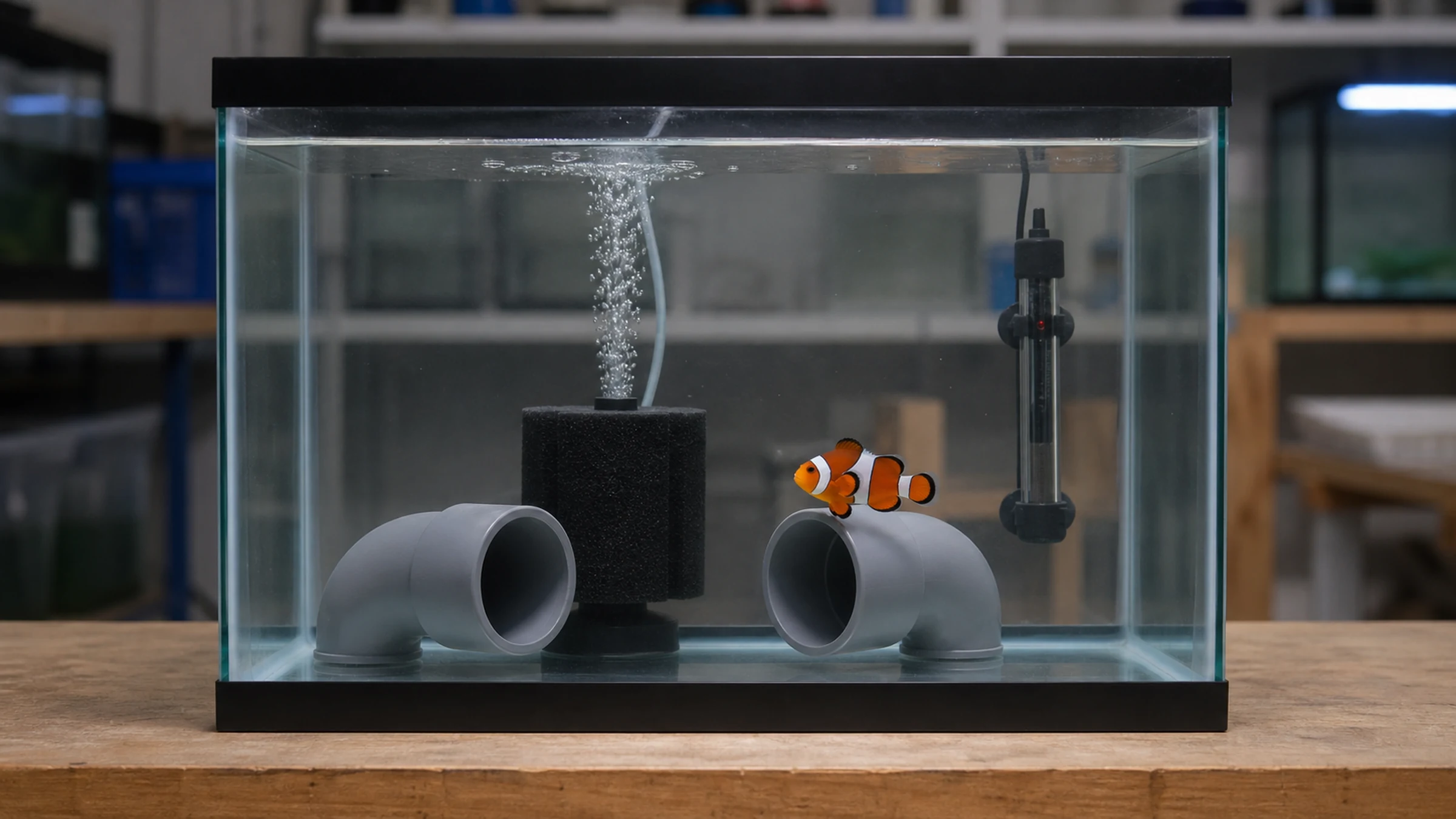
How to quarantine new saltwater fish against marine ich, velvet, and brooklynella: the QT tank, treatments, timelines, and the buy-clean shortcut.

What every reef parameter means and where to keep it: salinity, temperature, pH, alkalinity, calcium, magnesium, nitrate, and phosphate.

Choose compatible fish: school sizes, swimming zones, aggression, temperature and hardness matching, and honest bioload math for a peaceful community.
Keeping Sally Lightfoot Crab?
AquaLens identifies your fish and plants from a photo, tracks water chemistry, and flags health issues early — free on iOS and Android.