Siamese Fighting Fish Care Guide
Betta splendens · Freshwater Fish
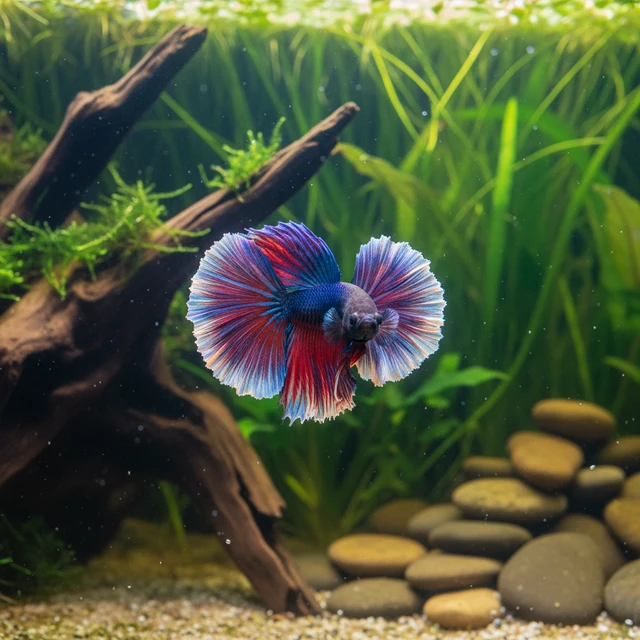
What Siamese Fighting Fish look like
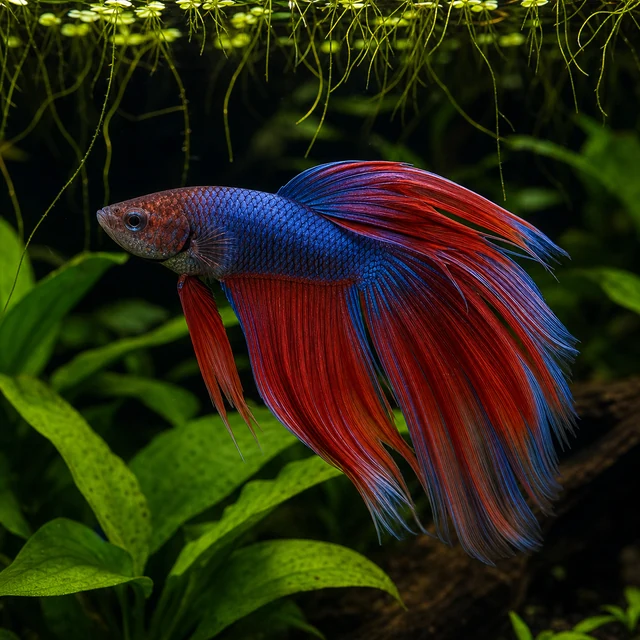
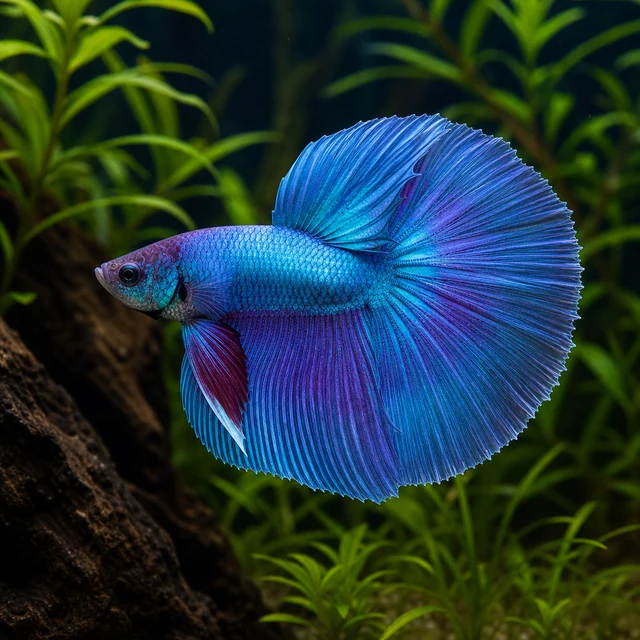
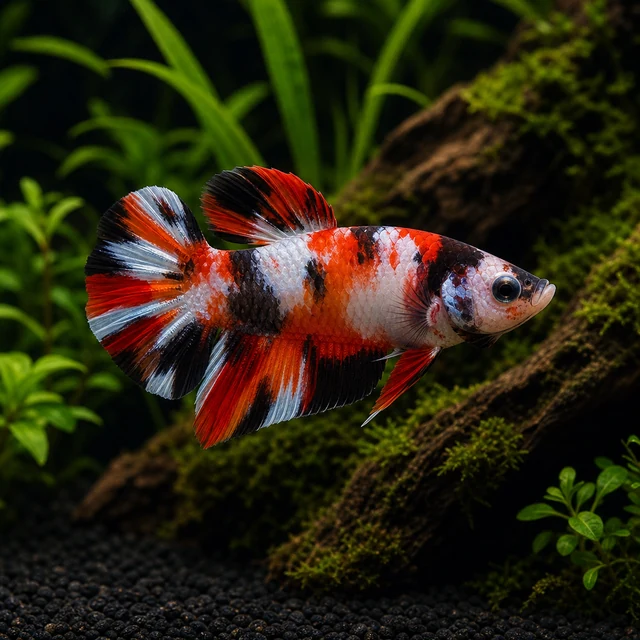
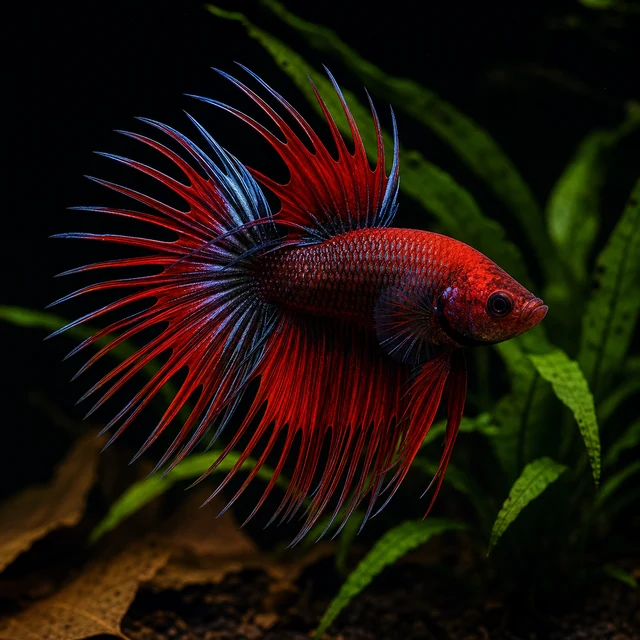
Betta splendens, commonly known as the Siamese Fighting Fish, exhibits a remarkable range of morphologies, characterized by its laterally compressed, fusiform body shape. Adult males typically reach a maximum size of 3 inches (7.6 cm), while females are generally smaller, often measuring around 2.5 inches (6.4 cm). Sexual dimorphism is pronounced; males possess extravagant, flowing fins that can take various forms, including veil, halfmoon, and crowntail, while females exhibit shorter, more modest fin structures. The coloration of Betta splendens is exceptionally diverse, encompassing a spectrum of hues such as red, blue, purple, white, and black, with multicolored variants being particularly prevalent in captive breeds. Defensive adaptations include the use of their vibrant colors and fin displays to deter potential threats, as well as their ability to engage in aggressive displays against rivals. Unique morphological features include the presence of a labyrinth organ, which allows them to breathe atmospheric oxygen, and a pronounced lateral line system that aids in detecting vibrations in their environment.
Behavior & temperament
Siamese Fighting Fish are primarily solitary and exhibit territorial behavior, particularly males, who will display aggression towards one another to establish dominance. They are not obligate schoolers; instead, they prefer to inhabit their own space within the water column, typically dwelling in the upper to middle layers. Their breeding behavior is characterized by bubble-nesting; males will construct a nest of bubbles and entice females to spawn, after which they exhibit parental care by guarding the eggs until they hatch. Betta splendens are known for their bold temperament and can display high levels of aggression, particularly in males, making careful consideration necessary when housing them with other species.
Diet & feeding
In the wild, Betta splendens are carnivorous, primarily feeding on small invertebrates and insect larvae. In captivity, they require a high-protein diet, often consisting of high-quality pellets, frozen or live foods such as bloodworms, brine shrimp, and daphnia to maintain their health and vibrant coloration.
Behind the name
The genus name 'Betta' is derived from the Malay word 'betah', which means 'to fight', while 'splendens' is Latin for 'shining' or 'brilliant', referring to the fish's striking appearance.
Plan your tank
Check the numbers before you buy: tank volume, a stocking plan, cycle progress, water changes, and your ongoing care routine.
Keep reading

Choose compatible fish: school sizes, swimming zones, aggression, temperature and hardness matching, and honest bioload math for a peaceful community.
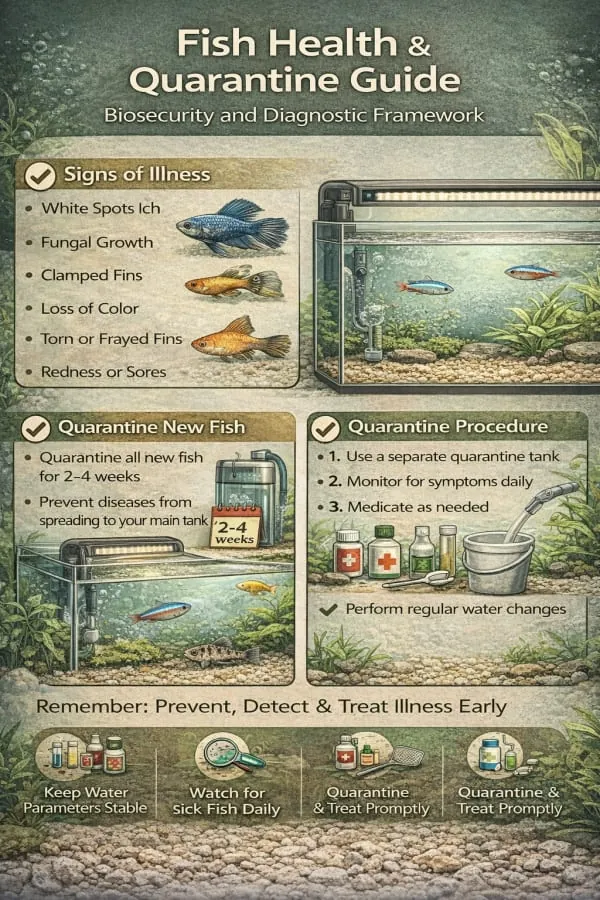
Quarantine new fish, spot the early warning signs, and treat disease without wrecking your tank. A practical freshwater fish health guide.
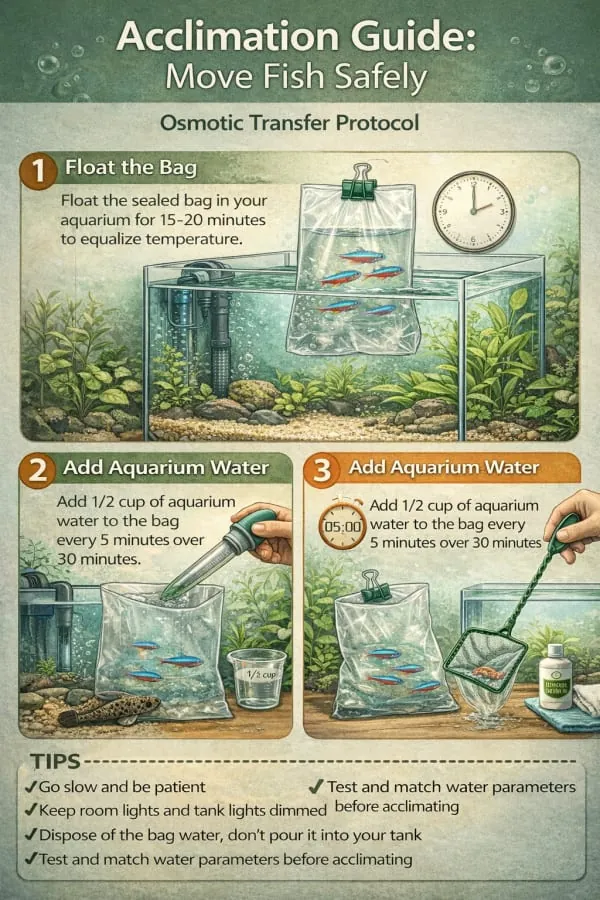
Acclimate new fish, shrimp, and coral safely: temperature floating, drip acclimation, plop-and-drop for shipped livestock, and the first 24 hours.
Keeping Siamese Fighting Fish?
AquaLens identifies your fish and plants from a photo, tracks water chemistry, and flags health issues early — free on iOS and Android.