Smooth Trunkfish Care Guide
Lactophrys triqueter · Saltwater Boxfish
What Smooth Trunkfish look like
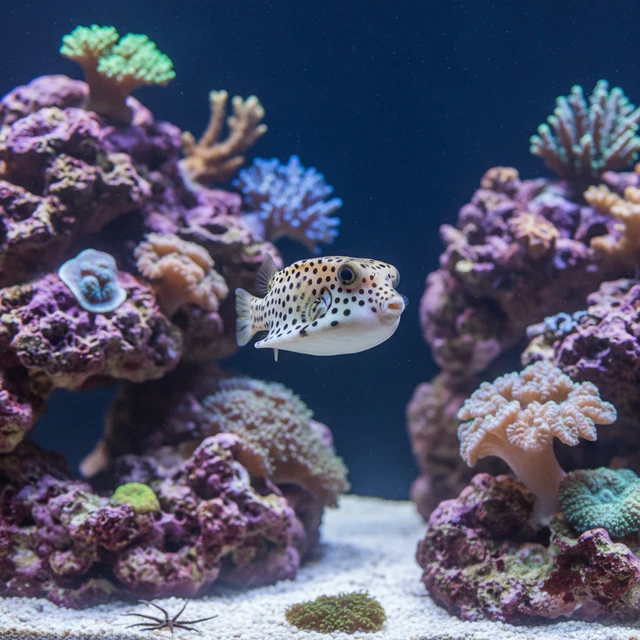
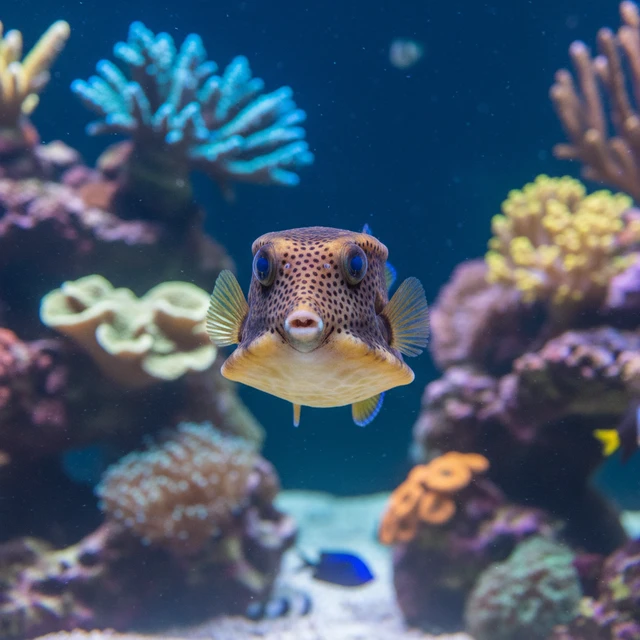
The Smooth Trunkfish (Lactophrys triqueter) exhibits a distinctive, box-like body shape characterized by a rigid, bony carapace that provides both protection and a unique aesthetic. This species can reach a maximum adult size of approximately 12 inches (30 cm) in length. Sexual dimorphism is subtle, with males typically displaying slightly more vibrant coloration during breeding seasons. The skin is smooth and devoid of the spines found in some other boxfish species, which aids in its streamlined appearance. Notable morphological features include a small, terminal mouth adapted for grazing on algae and a series of lateral lines that help detect water movements. The dorsal and anal fins are short and rounded, while the pectoral fins are positioned laterally, allowing for agile maneuvering in tight spaces among reef structures.
Behavior & temperament
Smooth Trunkfish are generally solitary or found in pairs, exhibiting a non-aggressive temperament towards other fish species. They inhabit shallow waters, typically residing near coral reefs and seagrass beds. Their swimming behavior is characterized by a slow, methodical approach, often hovering near the substrate while foraging. During breeding, males may display courtship behaviors, including color changes and fin displays to attract females. They primarily rely on their camouflage and the hard carapace for defense against predators, rather than aggressive behavior. While they are not known for significant movement, they can exhibit bursts of speed when threatened.
Diet & feeding
Smooth Trunkfish are primarily herbivorous, feeding on algae and small invertebrates found on the reef. In captivity, they require a diet rich in marine algae, spirulina, and high-quality pellets designed for herbivorous fish.
Behind the name
The genus name 'Lactophrys' derives from the Greek words 'lactos' meaning 'milk' and 'phrys' meaning 'fish', which likely refers to the fish's pale coloration. The species name 'triqueter' comes from the Latin word 'triquer', meaning 'three-cornered', referring to the fish's triangular body shape.
Plan your tank
Check the numbers before you buy: tank volume, salinity, salt mix, water changes, and your ongoing care routine. Keeping reef? Start from the Saltwater & Reef hub.
Keep reading
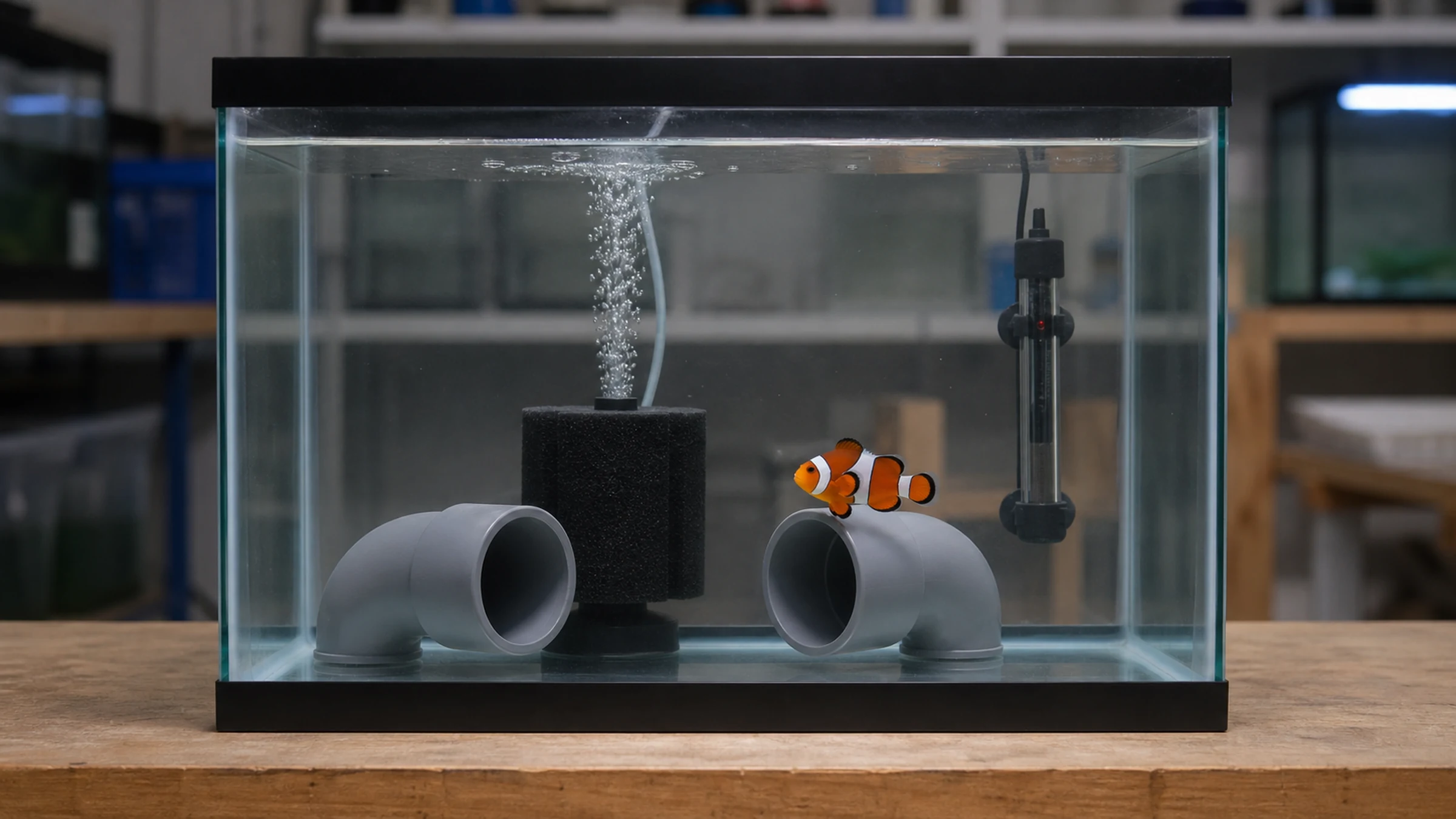
How to quarantine new saltwater fish against marine ich, velvet, and brooklynella: the QT tank, treatments, timelines, and the buy-clean shortcut.

What every reef parameter means and where to keep it: salinity, temperature, pH, alkalinity, calcium, magnesium, nitrate, and phosphate.

Choose compatible fish: school sizes, swimming zones, aggression, temperature and hardness matching, and honest bioload math for a peaceful community.
Keeping Smooth Trunkfish?
AquaLens identifies your fish and plants from a photo, tracks water chemistry, and flags health issues early — free on iOS and Android.