Spotted Trunkfish Care Guide
Lactophrys bicaudalis · Saltwater Boxfish
What Spotted Trunkfish look like
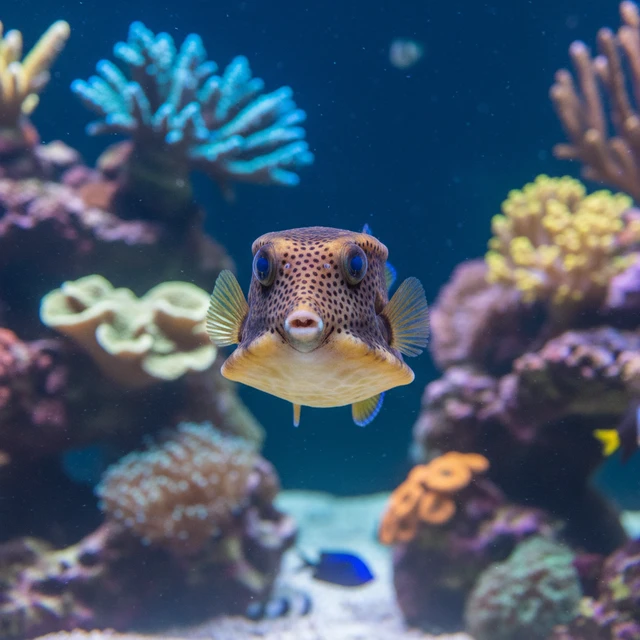
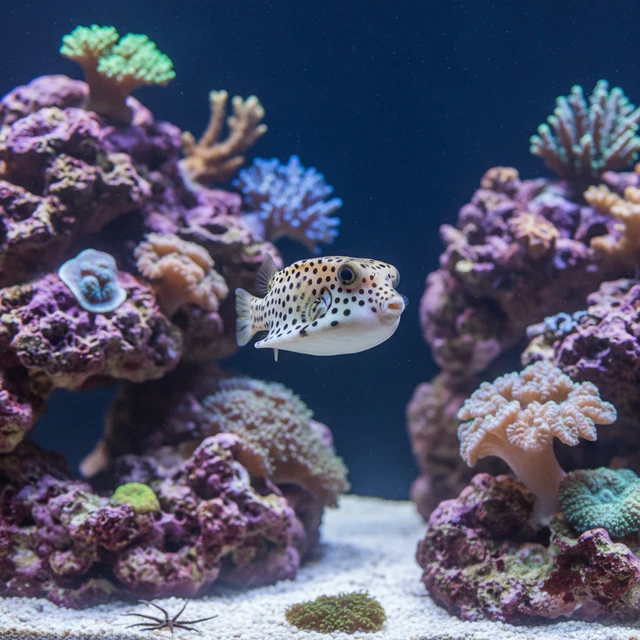
The Spotted Trunkfish (Lactophrys bicaudalis) exhibits a distinctive, cuboidal body shape characterized by a hard, bony carapace covered in small, hexagonal scales. This species can reach a maximum adult size of approximately 12 inches (30 cm) in length. Sexual dimorphism is subtle, with males typically displaying slightly more vibrant coloration and larger fins than females. Defensive adaptations include a potent toxin produced by specialized glands, which serves as a deterrent against predators. Unique morphological features include a pair of prominent, laterally positioned eyes that provide a wide field of vision, and a pair of small, rounded pectoral fins that facilitate maneuverability in tight spaces. The trunkfish's mouth is small and beak-like, adapted for grazing on algae and small invertebrates.
Behavior & temperament
Spotted Trunkfish are generally solitary or form loose aggregations, exhibiting a non-territorial behavior. They prefer to swim at mid-water levels, often hovering near the substrate or among coral structures. Breeding behavior involves a unique courtship display where males perform a series of swimming patterns to attract females. Their temperament can range from passive to mildly aggressive, particularly when defending their feeding territory. They exhibit a curious nature, often investigating their surroundings, but can become stressed in overly aggressive tank mates.
Diet & feeding
In the wild, Spotted Trunkfish primarily feed on algae, small invertebrates, and detritus. In captivity, they require a varied diet that includes high-quality marine pellets, frozen or live food such as brine shrimp, and algae-based foods to ensure proper nutrition.
Behind the name
The genus name 'Lactophrys' derives from the Greek words 'lactos' meaning 'milk' and 'phrys' meaning 'fish', likely referring to the fish's pale coloration. The species name 'bicaudalis' comes from the Latin 'bi-' meaning 'two' and 'caudalis' meaning 'tail', referring to the fish's distinctive tail structure.
Plan your tank
Check the numbers before you buy: tank volume, salinity, salt mix, water changes, and your ongoing care routine. Keeping reef? Start from the Saltwater & Reef hub.
Keep reading
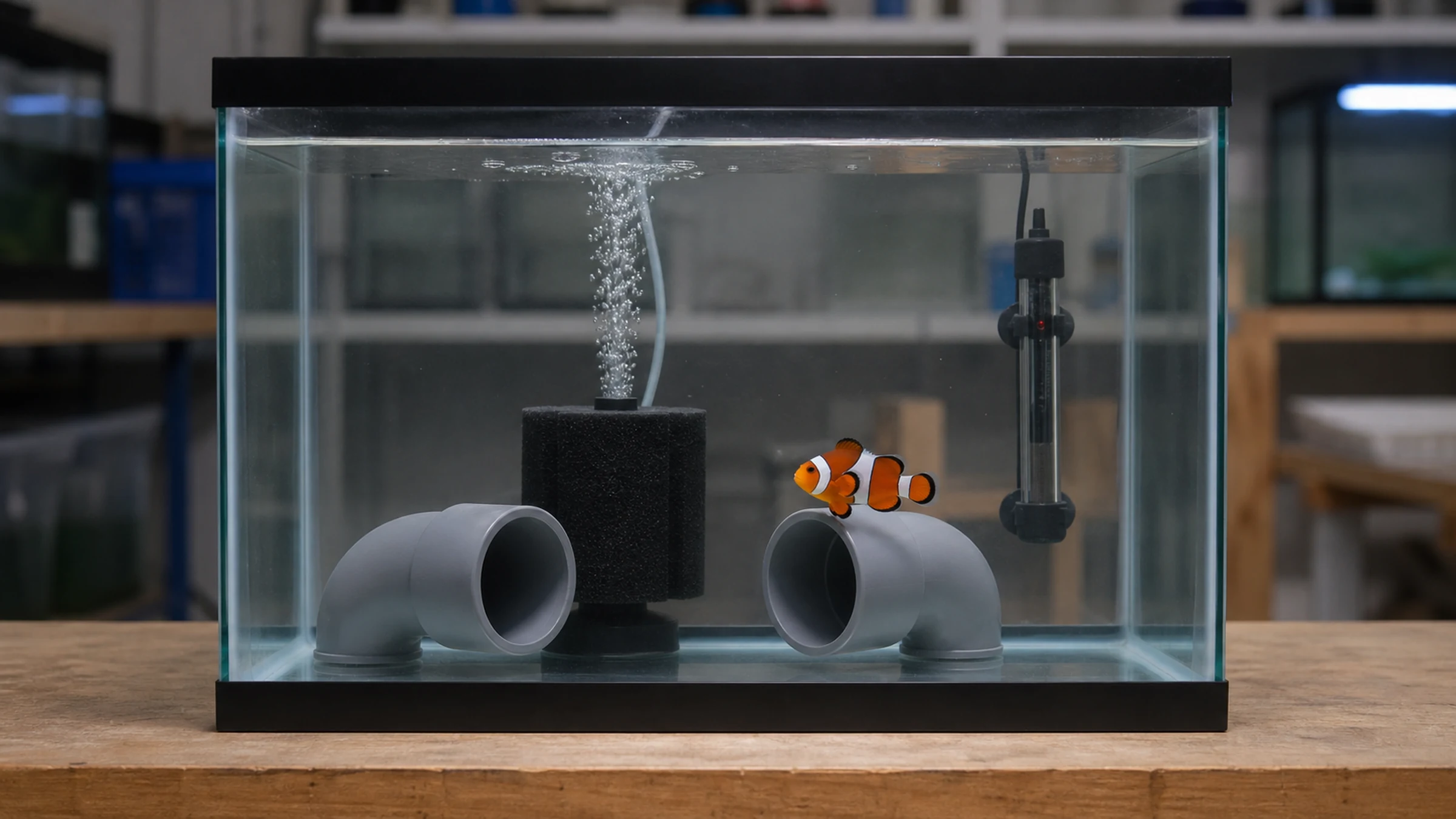
How to quarantine new saltwater fish against marine ich, velvet, and brooklynella: the QT tank, treatments, timelines, and the buy-clean shortcut.

What every reef parameter means and where to keep it: salinity, temperature, pH, alkalinity, calcium, magnesium, nitrate, and phosphate.
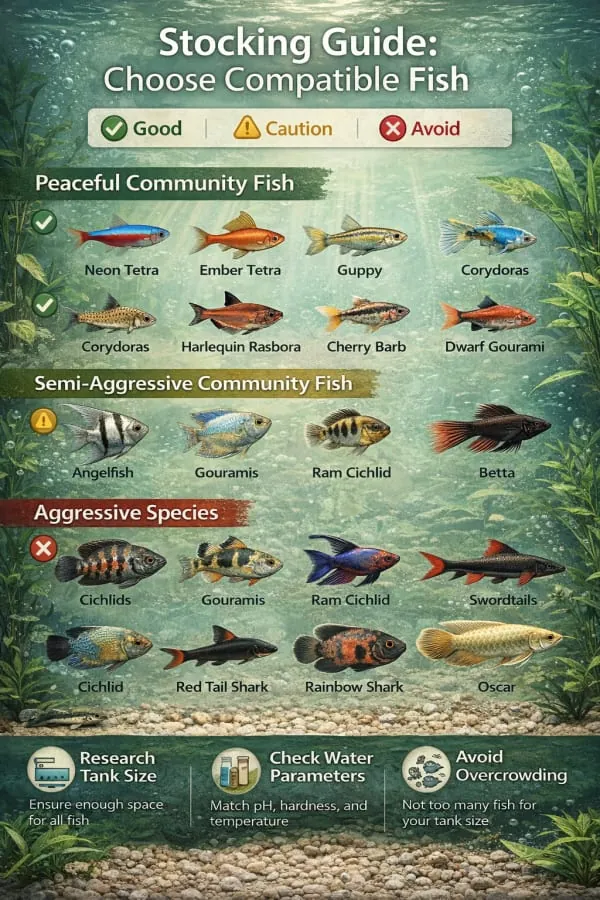
Choose compatible fish: school sizes, swimming zones, aggression, temperature and hardness matching, and honest bioload math for a peaceful community.
Keeping Spotted Trunkfish?
AquaLens identifies your fish and plants from a photo, tracks water chemistry, and flags health issues early — free on iOS and Android.