Spotted Blue Eye Rainbowfish Care Guide
Pseudomugil gertrudae · Freshwater Fish
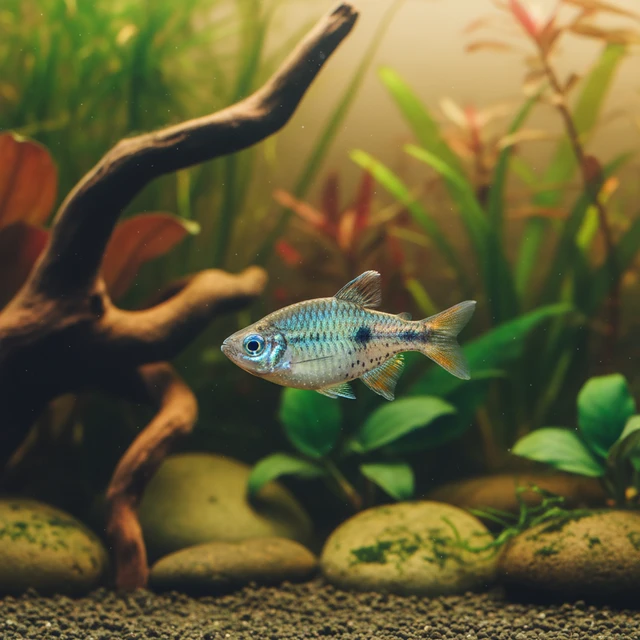
What Spotted Blue Eye Rainbowfish look like
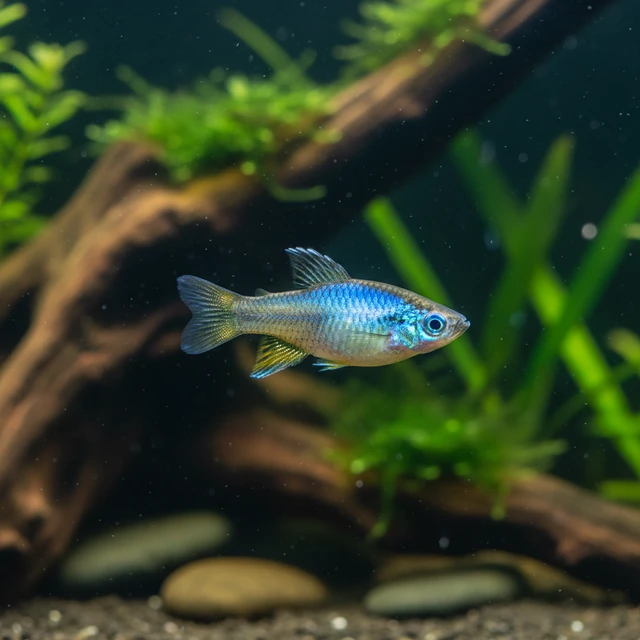
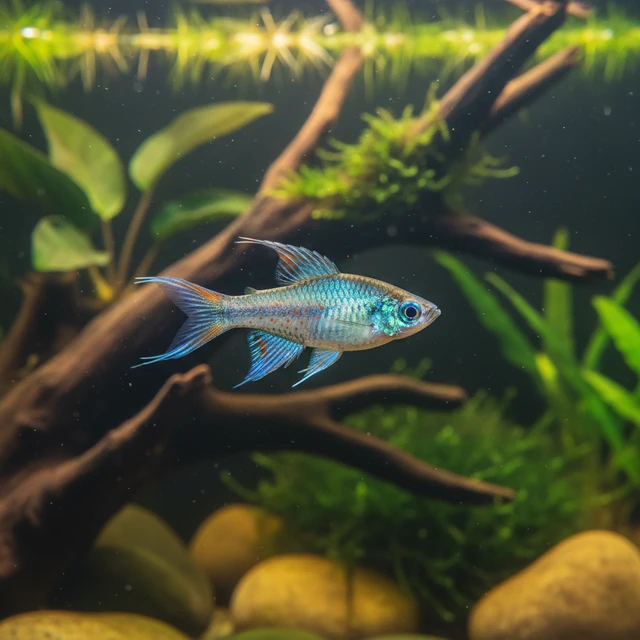
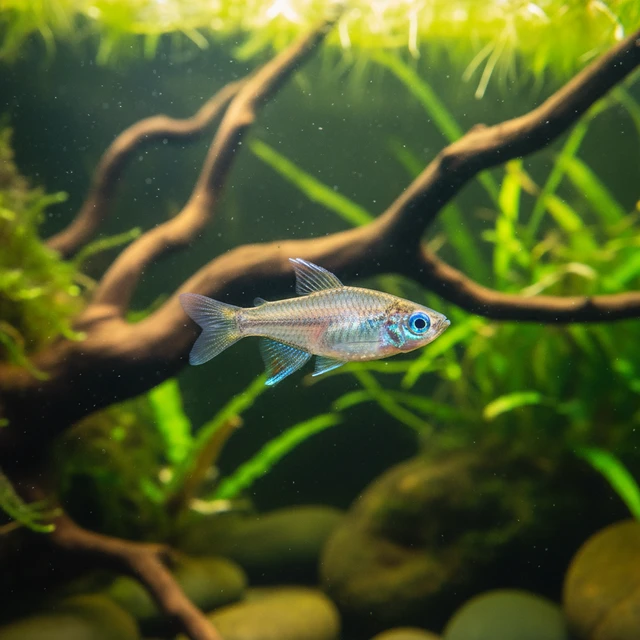
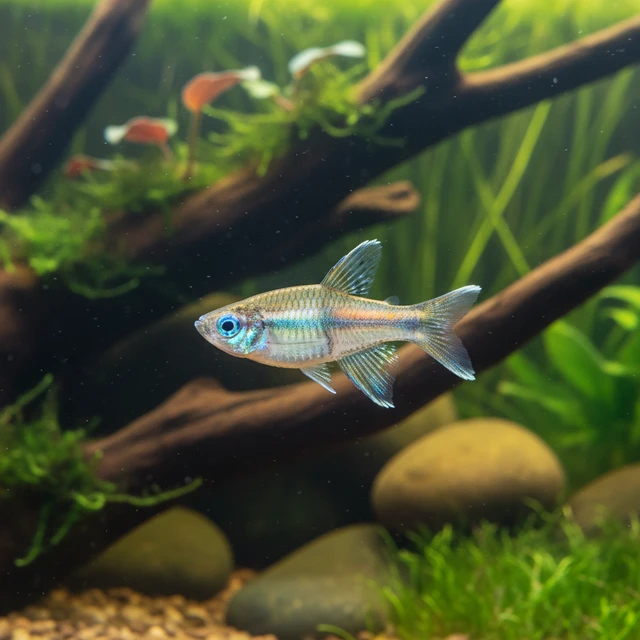
Pseudomugil gertrudae, commonly known as the Spotted Blue Eye Rainbowfish, exhibits a diminutive, laterally compressed body that typically reaches a maximum adult size of approximately 1.5 inches (3.8 cm). The species is characterized by a translucent body adorned with a delicate pattern of scattered dark spots, which enhances its aesthetic appeal. Males are distinguished by their more pronounced fin extensions, particularly on the dorsal and anal fins, which are elaborately spotted and contribute to sexual dimorphism. The species features a prominent lateral line system that aids in sensory perception, and its dentition is adapted for an omnivorous diet, with small, conical teeth suitable for grazing on algae and small invertebrates. Additionally, the vivid iridescent blue eyes serve not only as a visual attraction but may also play a role in intraspecific communication and mating displays.
Behavior & temperament
The Spotted Blue Eye Rainbowfish is a social species that thrives in small to medium-sized groups, exhibiting a tendency to form loose schools within its natural habitat. It typically occupies the upper to mid-water column in freshwater environments, preferring areas with ample vegetation and submerged structures. The species is known for its peaceful temperament, making it suitable for community aquariums. During breeding, Pseudomugil gertrudae engages in egg scattering behavior, where females release eggs among aquatic plants, allowing for natural fertilization by males. This reproductive strategy is indicative of their adaptation to environments where spawning sites are abundant, and the eggs are less likely to be predated upon.
Diet & feeding
In the wild, the Spotted Blue Eye Rainbowfish is an omnivore, feeding primarily on small invertebrates, algae, and detritus. In captivity, it requires a varied diet that includes high-quality flake food, live or frozen foods such as brine shrimp and daphnia, along with spirulina-based supplements to ensure optimal health and coloration.
Behind the name
Pseudomugil (false mugil); gertrudae (named in honor of Gertrude, possibly referencing a person associated with the species' discovery or description).
Plan your tank
Check the numbers before you buy: tank volume, a stocking plan, cycle progress, water changes, and your ongoing care routine.
Keep reading
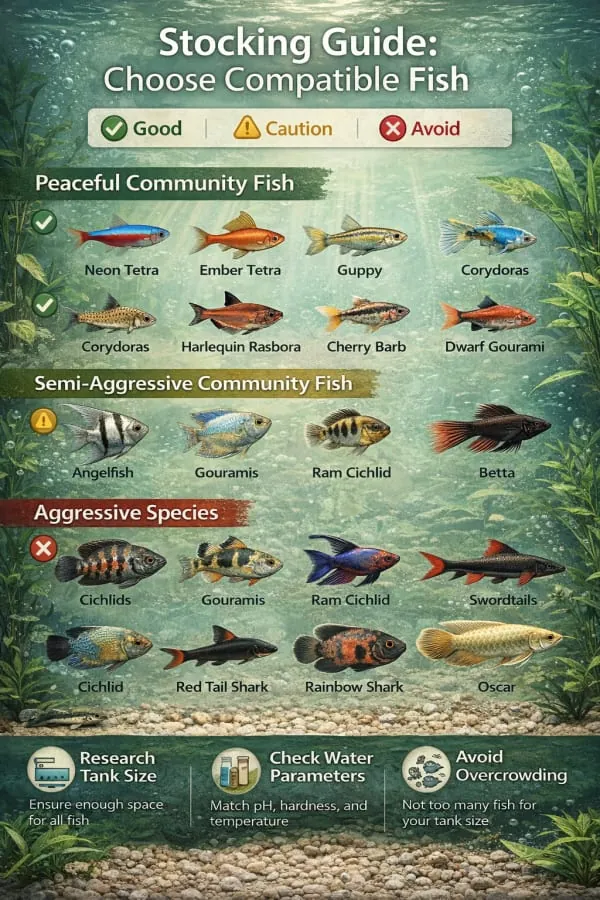
Choose compatible fish: school sizes, swimming zones, aggression, temperature and hardness matching, and honest bioload math for a peaceful community.
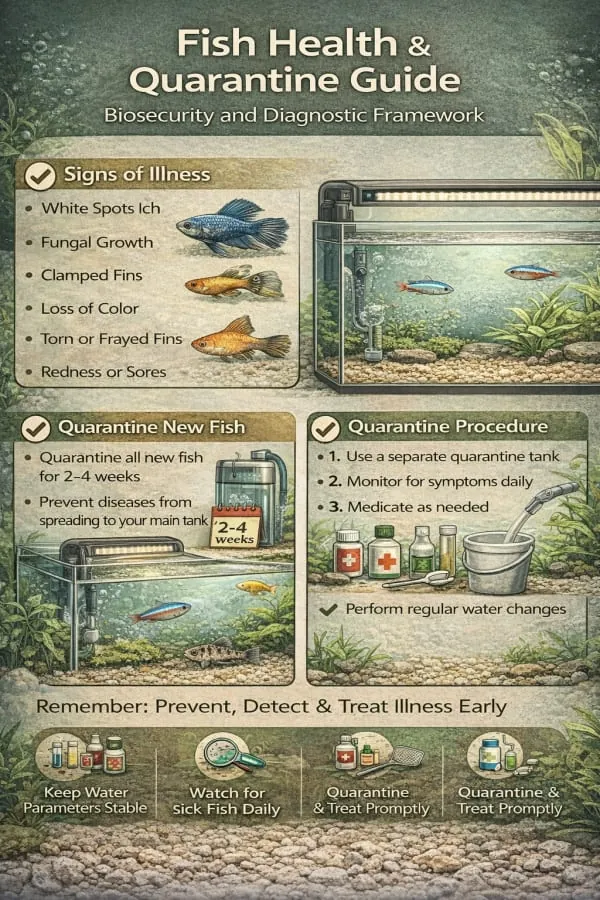
Quarantine new fish, spot the early warning signs, and treat disease without wrecking your tank. A practical freshwater fish health guide.
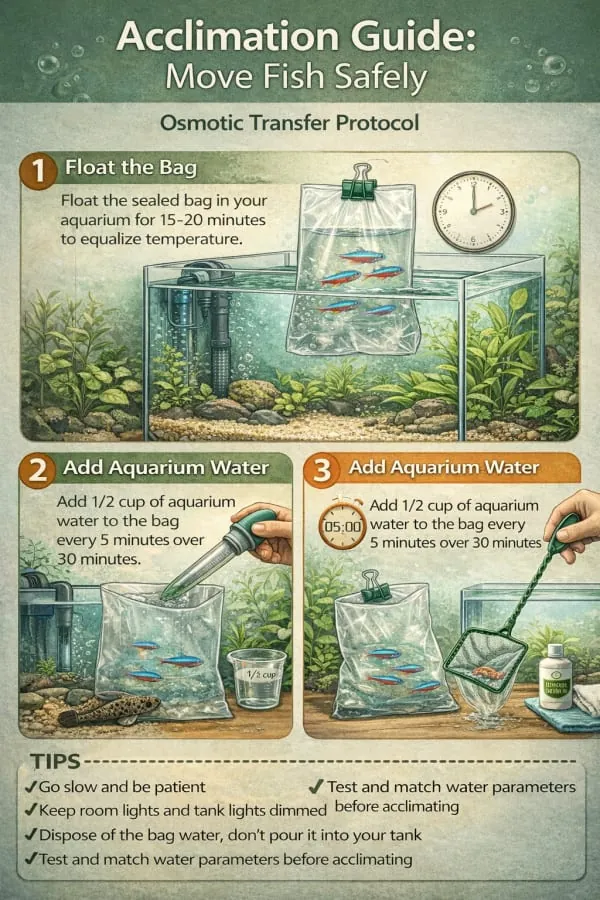
Acclimate new fish, shrimp, and coral safely: temperature floating, drip acclimation, plop-and-drop for shipped livestock, and the first 24 hours.
Keeping Spotted Blue Eye Rainbowfish?
AquaLens identifies your fish and plants from a photo, tracks water chemistry, and flags health issues early — free on iOS and Android.