Spotted Watchman Goby Care Guide
Cryptocentrus leptocephalus · Saltwater Goby
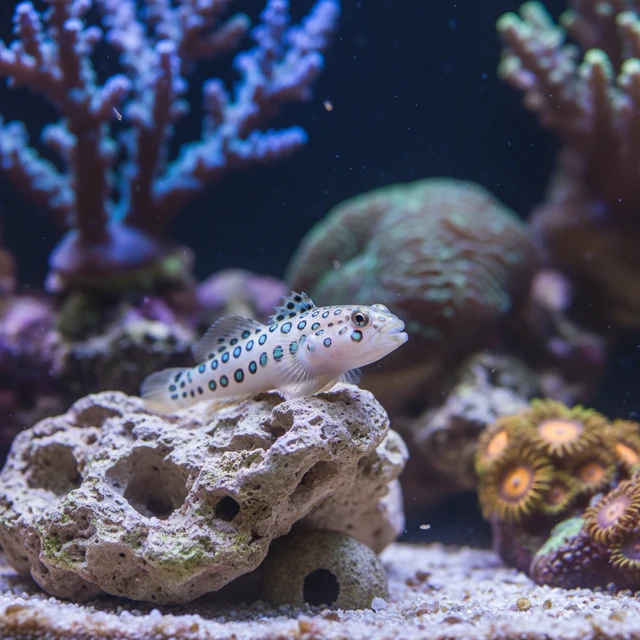
What Spotted Watchman Goby look like
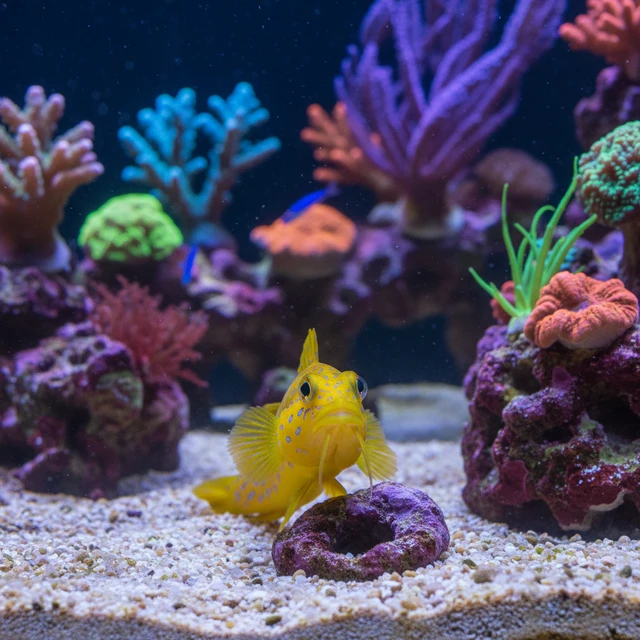
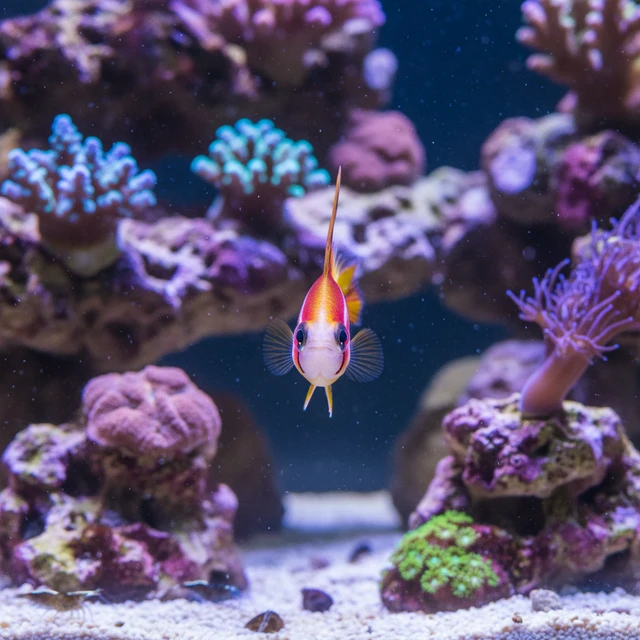
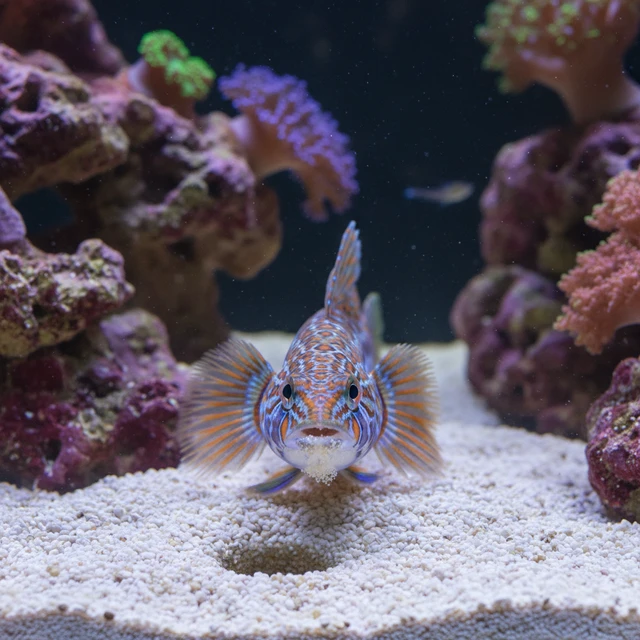
The Spotted Watchman Goby, Cryptocentrus leptocephalus, exhibits a streamlined body that can reach a maximum adult size of approximately 4 inches (10 cm). Its coloration is characterized by a pale yellow to light brown base, adorned with numerous small, dark spots that provide effective camouflage among sandy substrates. The species displays minimal sexual dimorphism, though males may exhibit slightly larger sizes and more pronounced coloration during breeding. A notable morphological feature is the presence of a fused pelvic fin that forms a disc-like structure, allowing for a strong grip on the substrate. Additionally, the lateral line system is well-developed, aiding in the detection of water movements, while the dentition is adapted for a diet primarily consisting of small invertebrates and zooplankton.
Behavior & temperament
The Spotted Watchman Goby is known for its social behavior, often forming symbiotic relationships with pistol shrimp, where it shares burrows for protection. It typically occupies the lower levels of the reef, utilizing its burrow as a refuge from predators. During breeding, males engage in courtship displays, which include color changes and fin displays to attract females. The species is generally peaceful but can exhibit territorial aggression towards conspecifics or similar-sized fish. Its behavior includes frequent foraging on the substrate, where it sifts through sand and rubble to locate food, while also maintaining a vigilant posture to monitor for potential threats.
Diet & feeding
In the wild, the Spotted Watchman Goby primarily feeds on small crustaceans, zooplankton, and detritus. In captivity, it requires a varied diet that includes high-quality frozen or live foods such as brine shrimp, mysis shrimp, and finely chopped seafood.
Behind the name
The genus name 'Cryptocentrus' is derived from the Greek words 'kryptos' meaning 'hidden' and 'kentron' meaning 'spur', referring to the hidden nature of its burrowing behavior. The species name 'leptocephalus' comes from the Greek 'leptos' meaning 'slender' and 'kephalē' meaning 'head', describing the fish's elongated head shape.
Plan your tank
Check the numbers before you buy: tank volume, salinity, salt mix, water changes, and your ongoing care routine. Keeping reef? Start from the Saltwater & Reef hub.
Keep reading
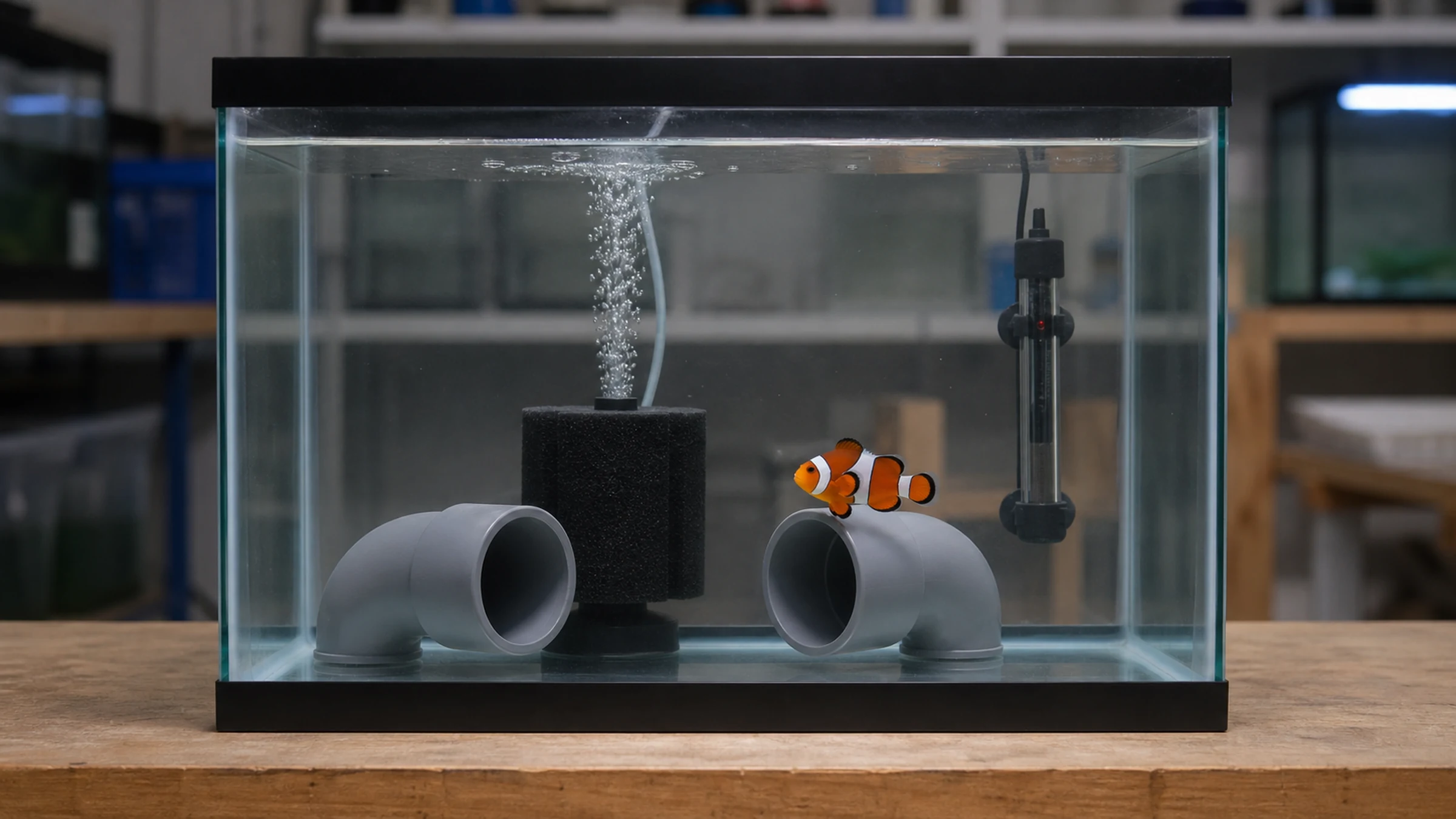
How to quarantine new saltwater fish against marine ich, velvet, and brooklynella: the QT tank, treatments, timelines, and the buy-clean shortcut.

What every reef parameter means and where to keep it: salinity, temperature, pH, alkalinity, calcium, magnesium, nitrate, and phosphate.
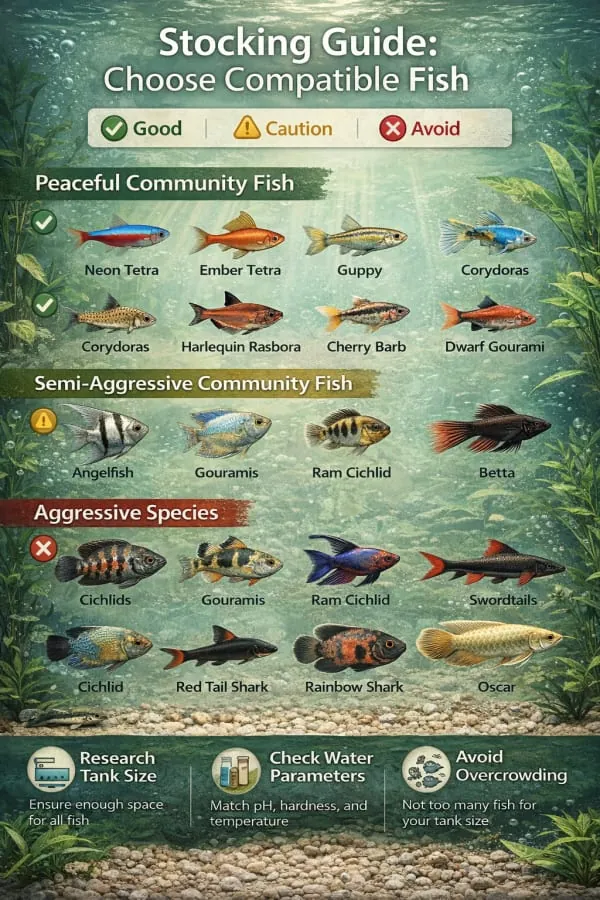
Choose compatible fish: school sizes, swimming zones, aggression, temperature and hardness matching, and honest bioload math for a peaceful community.
Keeping Spotted Watchman Goby?
AquaLens identifies your fish and plants from a photo, tracks water chemistry, and flags health issues early — free on iOS and Android.