Striped Raphael Catfish Care Guide
Platydoras armatulus · Freshwater Fish
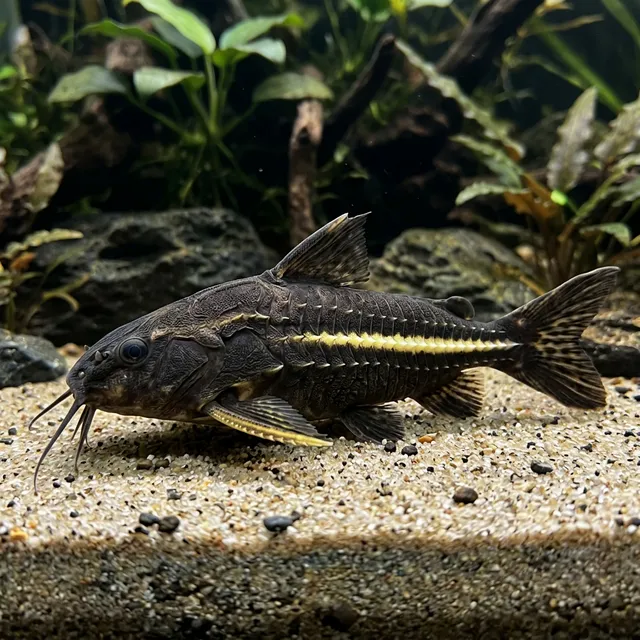
What Striped Raphael Catfish look like
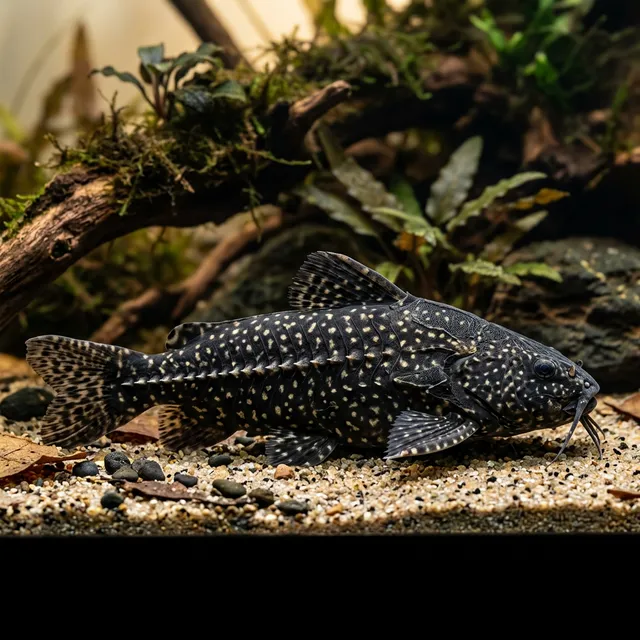
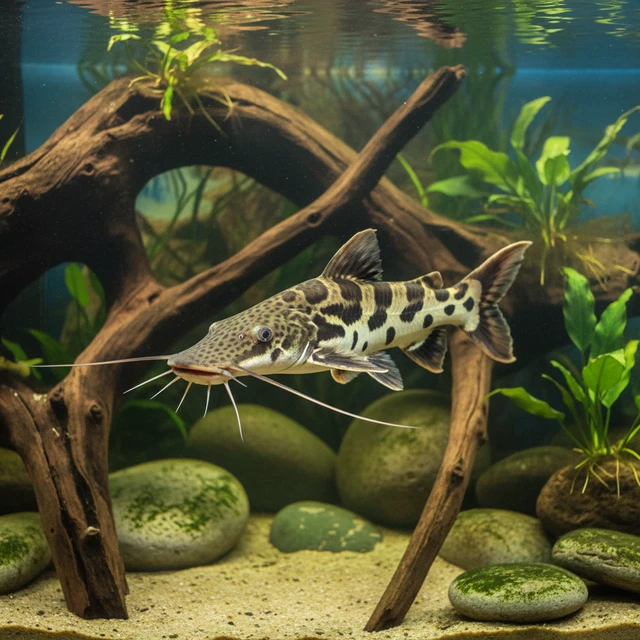
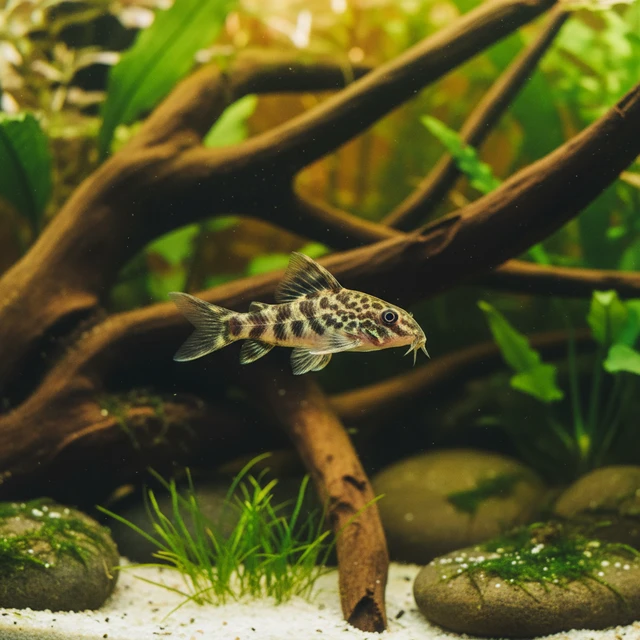
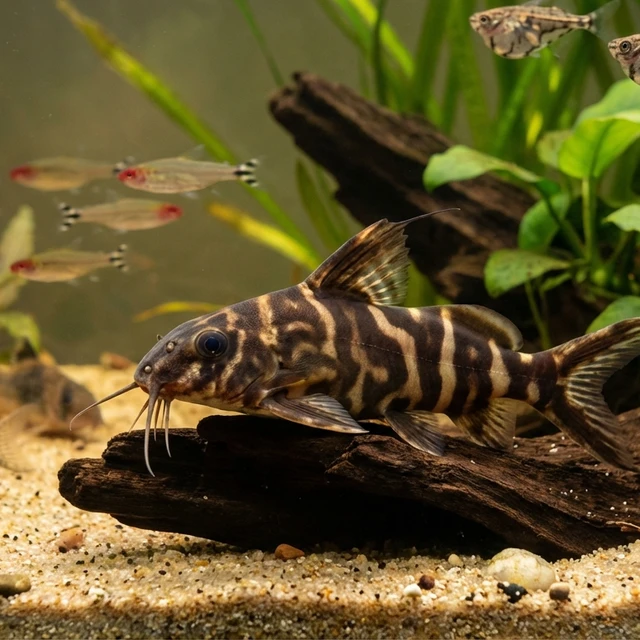
The Striped Raphael Catfish (Platydoras armatulus) exhibits a robust, laterally compressed body that can reach a maximum adult size of approximately 20 inches (50 cm), although individuals are often found in the 5-10 inch range in captivity. This species is characterized by its heavily armored integument, featuring a series of sharp, spiked scutes that provide effective defense against predators. The coloration is predominantly dark brown to black, adorned with a striking white to yellow longitudinal stripe that runs along each side, enhancing its visibility in its natural habitat. Notably, the catfish possesses a unique arrangement of barbels, with four pairs that aid in sensory perception in murky waters. Sexual dimorphism is subtle, with males typically exhibiting slightly more pronounced body girth and larger dorsal fins compared to females. The species lacks an adipose fin, which is common in many catfish, further distinguishing its morphology.
Behavior & temperament
Platydoras armatulus is primarily a benthic species, often found dwelling on the substrate of slow-moving waters in the Amazon basin. It exhibits a solitary to semi-social behavior, typically preferring to establish territories rather than forming cohesive schools. The Striped Raphael Catfish is known for its nocturnal habits, becoming more active during the night when it forages for food. Breeding behavior involves egg scattering, with females laying adhesive eggs on flat surfaces, which are then fertilized by males. This species is generally peaceful but can exhibit territorial aggression, especially during breeding periods or when confined in smaller spaces.
Diet & feeding
In the wild, the Striped Raphael Catfish is an omnivore, feeding on a varied diet that includes detritus, small invertebrates, and plant matter. In captivity, it requires a balanced diet consisting of high-quality sinking pellets, frozen or live foods such as bloodworms and brine shrimp, along with occasional vegetable matter to ensure optimal health.
Behind the name
Platydoras (flat gift); armatulus (armored).
Plan your tank
Check the numbers before you buy: tank volume, a stocking plan, cycle progress, water changes, and your ongoing care routine.
Keep reading
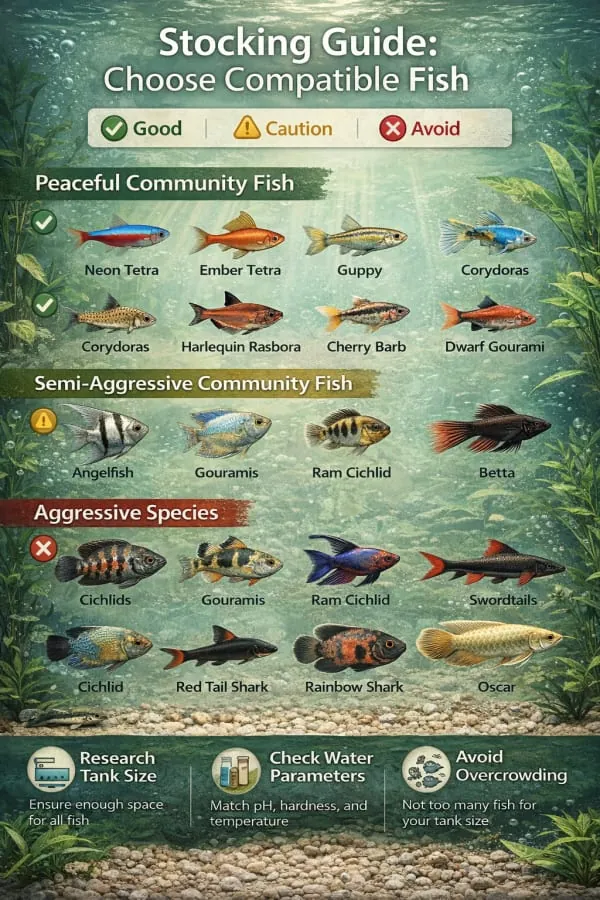
Choose compatible fish: school sizes, swimming zones, aggression, temperature and hardness matching, and honest bioload math for a peaceful community.
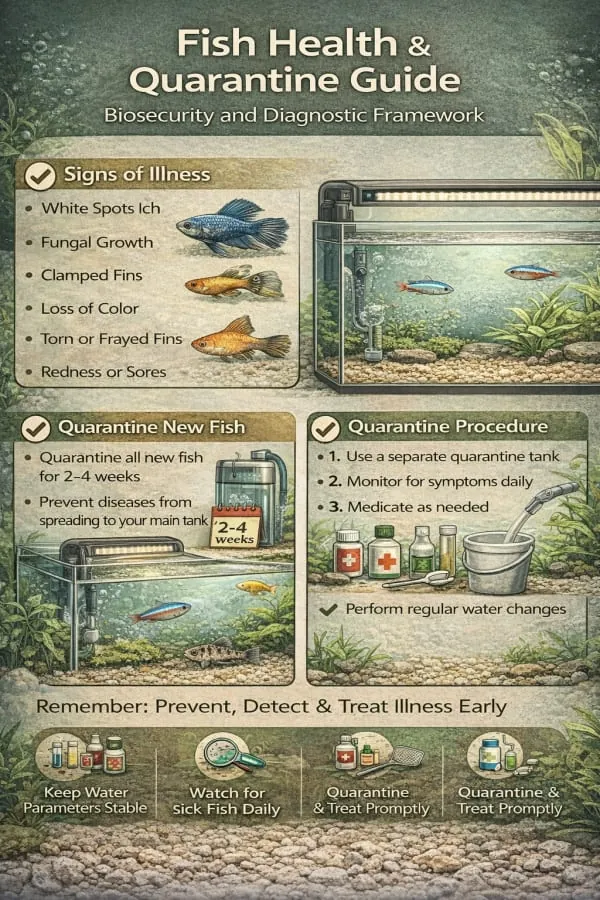
Quarantine new fish, spot the early warning signs, and treat disease without wrecking your tank. A practical freshwater fish health guide.
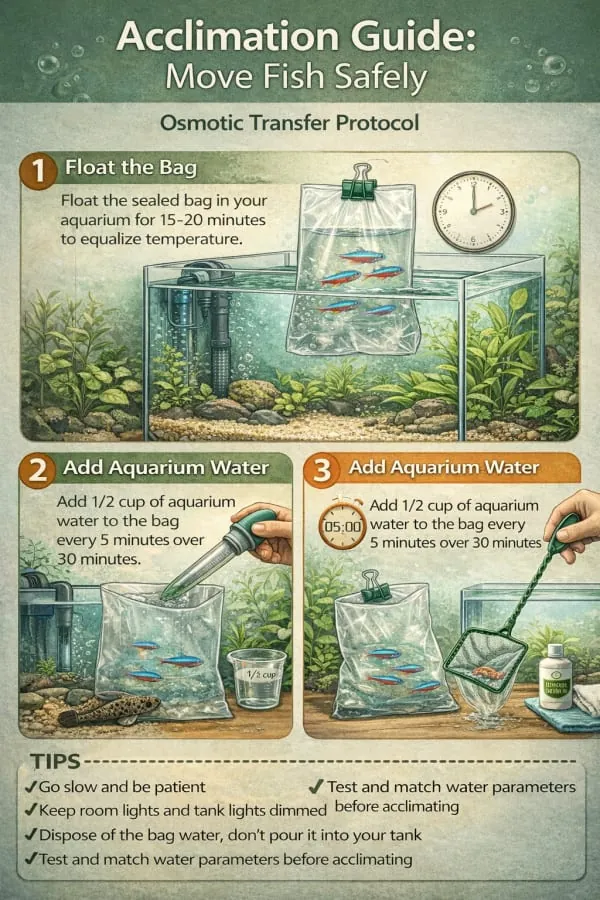
Acclimate new fish, shrimp, and coral safely: temperature floating, drip acclimation, plop-and-drop for shipped livestock, and the first 24 hours.
Keeping Striped Raphael Catfish?
AquaLens identifies your fish and plants from a photo, tracks water chemistry, and flags health issues early — free on iOS and Android.