Talbot's Damselfish Care Guide
Chrysiptera talboti · Saltwater Damselfish
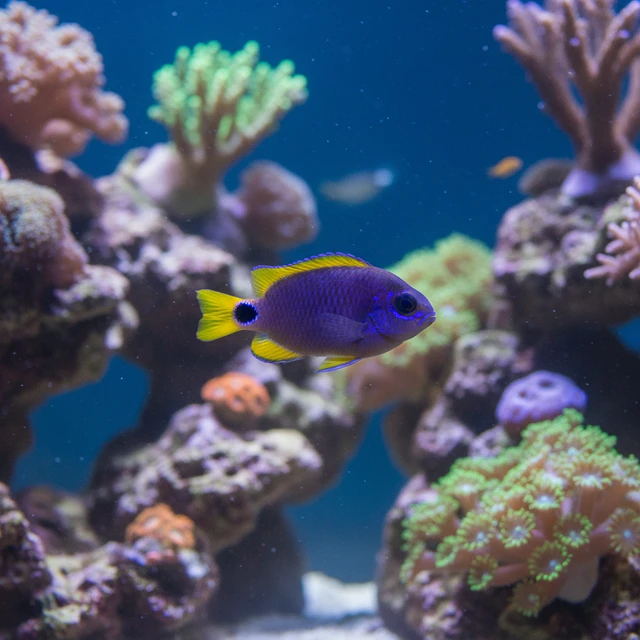
What Talbot's Damselfish look like
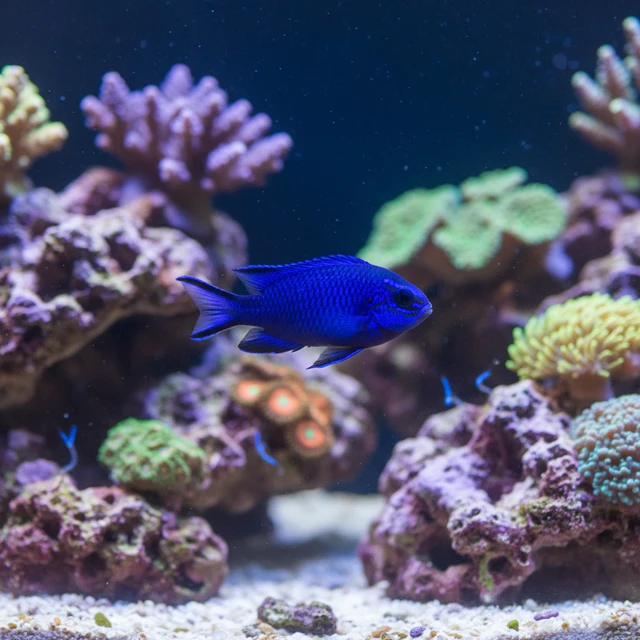
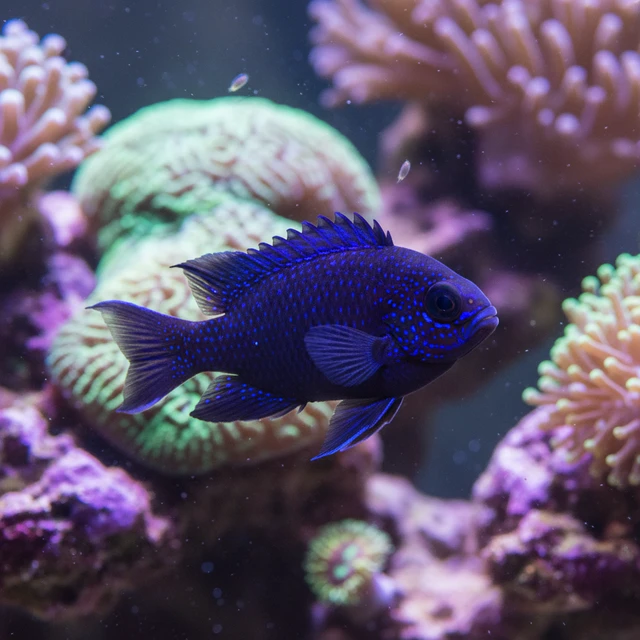
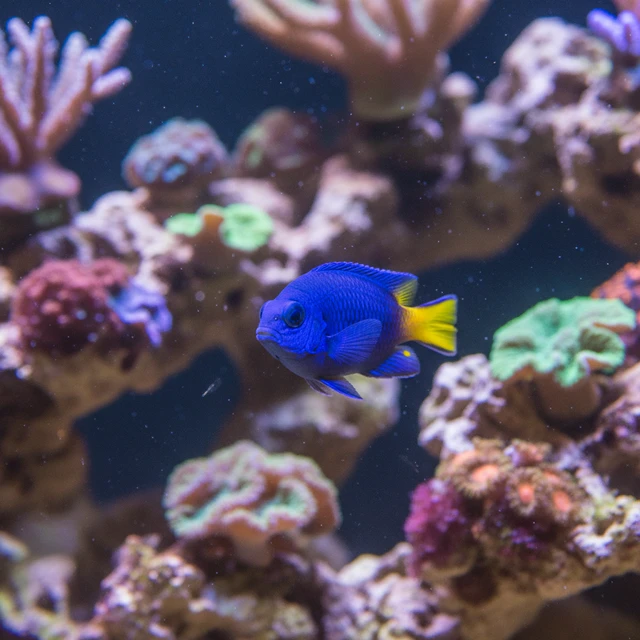
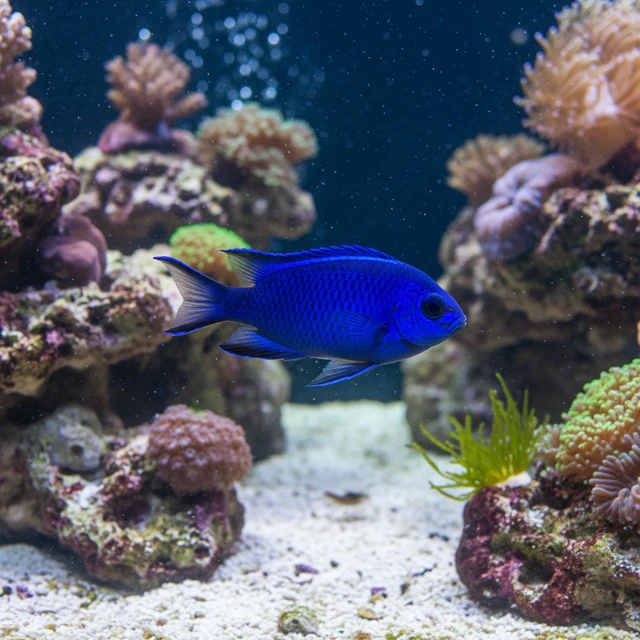
Chrysiptera talboti, commonly known as Talbot's Damselfish, exhibits a striking coloration with a vibrant blue body accented by a yellow-orange patch on the dorsal fin and a yellow hue on the caudal fin. This species typically reaches a maximum adult size of approximately 3 inches (7.5 cm). Sexual dimorphism is subtle, with males generally displaying slightly more intense coloration than females, particularly during breeding periods. Defensive adaptations include a robust body and the ability to quickly dart into crevices among coral reefs to evade predators. Unique morphological features include a well-defined lateral line system that aids in detecting water movement and potential threats, as well as a set of small, sharp teeth adapted for grazing on algae.
Behavior & temperament
Talbot's Damselfish are known for their territorial behavior, often establishing dominance hierarchies within their social groups. They typically inhabit the mid to upper levels of the reef, where they can be observed darting among coral formations. Breeding behavior involves males establishing and defending territories that attract females, often engaging in elaborate courtship displays. Their temperament can be described as moderately aggressive, particularly towards intruders within their territory, making them a lively addition to reef aquariums. They exhibit a strong inclination to graze on algae, which forms a significant part of their daily activities.
Diet & feeding
In the wild, Talbot's Damselfish primarily consume a diet rich in algae and zooplankton. In captivity, they thrive on high-quality flake or pellet foods supplemented with algae sheets and frozen foods to ensure a balanced diet.
Behind the name
The scientific name 'Chrysiptera' is derived from the Greek words 'chrysos' meaning 'gold' and 'pteron' meaning 'fin', referring to the bright coloration of the fins. The specific epithet 'talboti' honors the ichthyologist Dr. Gerald R. Allen, who is known for his contributions to the study of reef fishes.
Plan your tank
Check the numbers before you buy: tank volume, salinity, salt mix, water changes, and your ongoing care routine. Keeping reef? Start from the Saltwater & Reef hub.
Keep reading
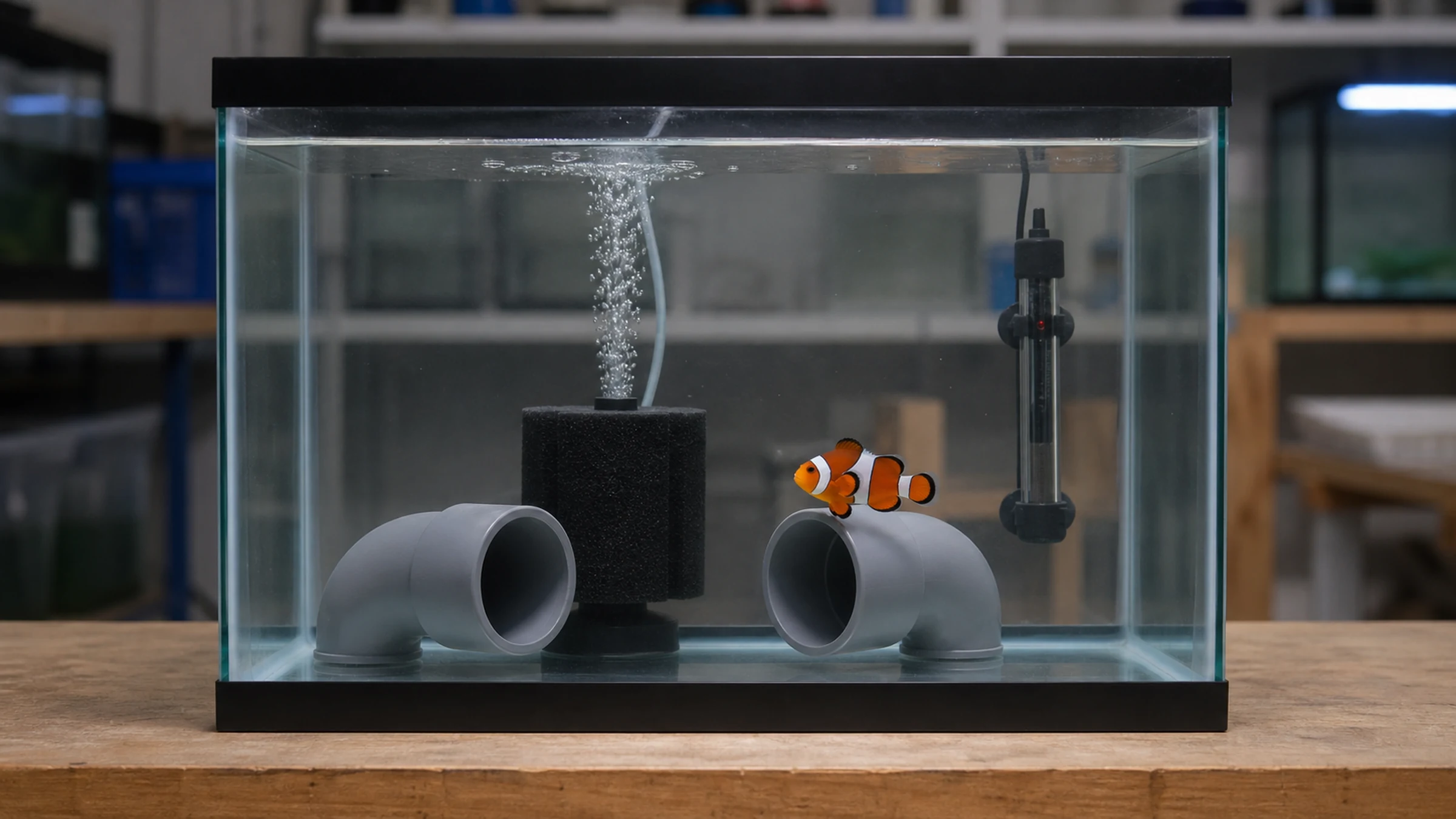
How to quarantine new saltwater fish against marine ich, velvet, and brooklynella: the QT tank, treatments, timelines, and the buy-clean shortcut.

What every reef parameter means and where to keep it: salinity, temperature, pH, alkalinity, calcium, magnesium, nitrate, and phosphate.
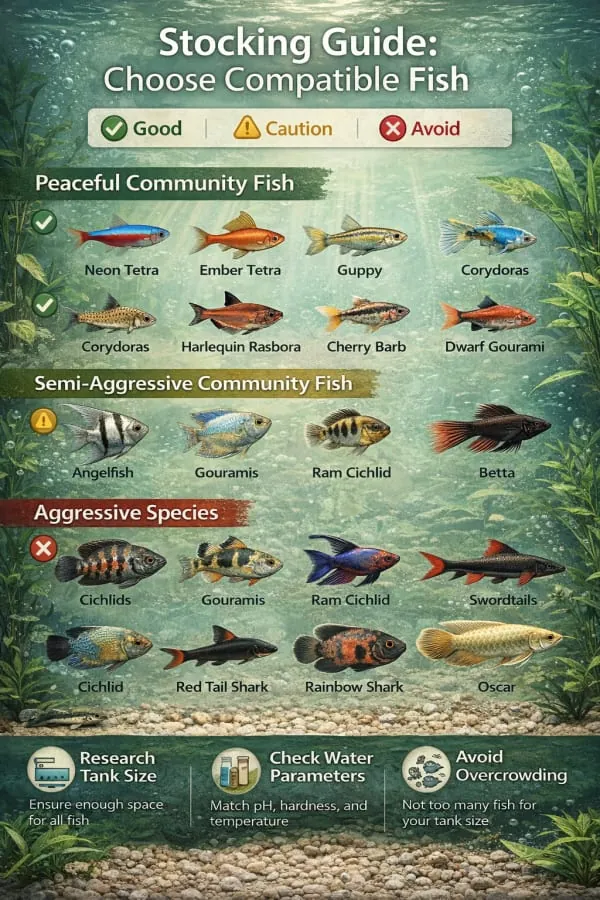
Choose compatible fish: school sizes, swimming zones, aggression, temperature and hardness matching, and honest bioload math for a peaceful community.
Keeping Talbot's Damselfish?
AquaLens identifies your fish and plants from a photo, tracks water chemistry, and flags health issues early — free on iOS and Android.