Toba Betta Care Guide
Betta rubra · Freshwater Fish
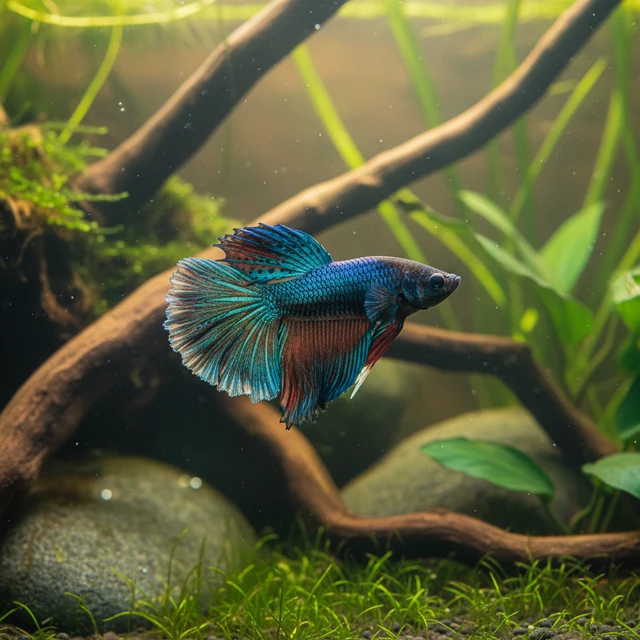
What Toba Betta look like
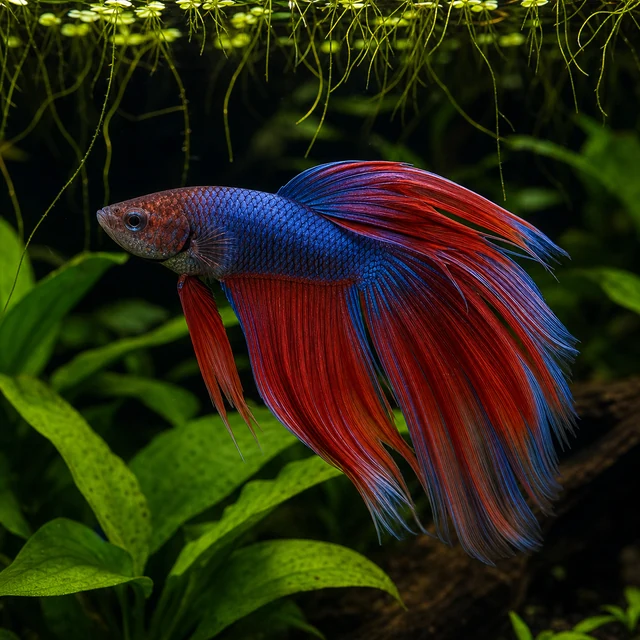
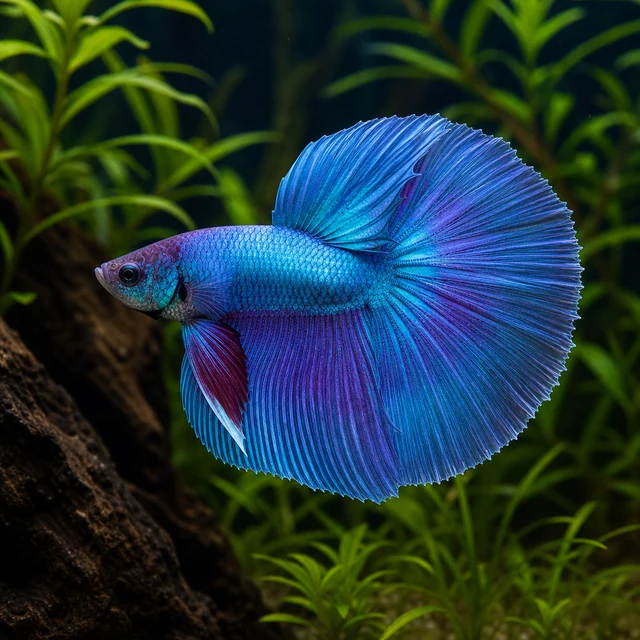
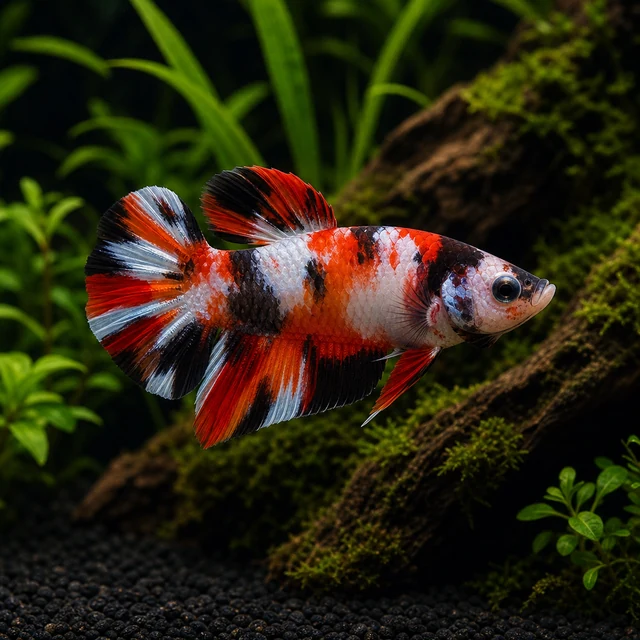
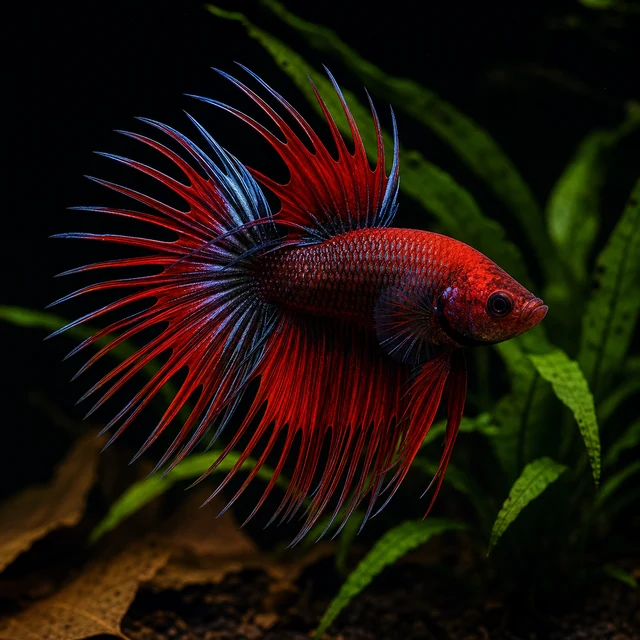
The Toba Betta, scientifically known as Betta rubra, exhibits a slender, fusiform body that typically reaches a maximum adult size of approximately 2 inches (5 cm). Its coloration is predominantly a rich dark red, accentuated by iridescent turquoise-green markings that adorn the gill covers and body, providing a striking contrast. The facial region displays a metallic blue-green hue, enhancing its visual appeal. This species lacks the elaborate finnage commonly associated with domesticated bettas, possessing instead shorter, more streamlined fins that are adapted for its natural habitat. Notably, the Toba Betta features a well-defined lateral line system, which aids in detecting vibrations in its environment. As a mouthbrooder, it exhibits unique adaptations for parental care, with females capable of carrying fertilized eggs in their mouths until they hatch, a trait that is critical for the survival of offspring in the wild.
Behavior & temperament
The Toba Betta is primarily a solitary species, often found dwelling in the shallow, acidic waters of Sumatra. It exhibits a benthic lifestyle, preferring to inhabit the lower strata of its aquatic environment. This species is not an obligate schooler; however, it may display territorial behavior, particularly during breeding periods. The breeding behavior of Betta rubra is characterized by mouthbrooding, where females incubate eggs in their mouths, providing protection until the fry are ready to swim independently. In terms of temperament, the Toba Betta can be somewhat aggressive, especially towards conspecifics, making it essential to provide ample hiding spaces and territories within a captive environment to mitigate stress and aggression.
Diet & feeding
In the wild, the Toba Betta is a carnivore, primarily feeding on small invertebrates and zooplankton. In captivity, it requires a diet rich in high-quality protein sources, such as live or frozen foods like brine shrimp, daphnia, and high-protein pellets to maintain optimal health and coloration.
Behind the name
Betta (from the Malay word 'ikan bettah', meaning 'warrior fish'); rubra (Latin for 'red').
Plan your tank
Check the numbers before you buy: tank volume, a stocking plan, cycle progress, water changes, and your ongoing care routine.
Keep reading
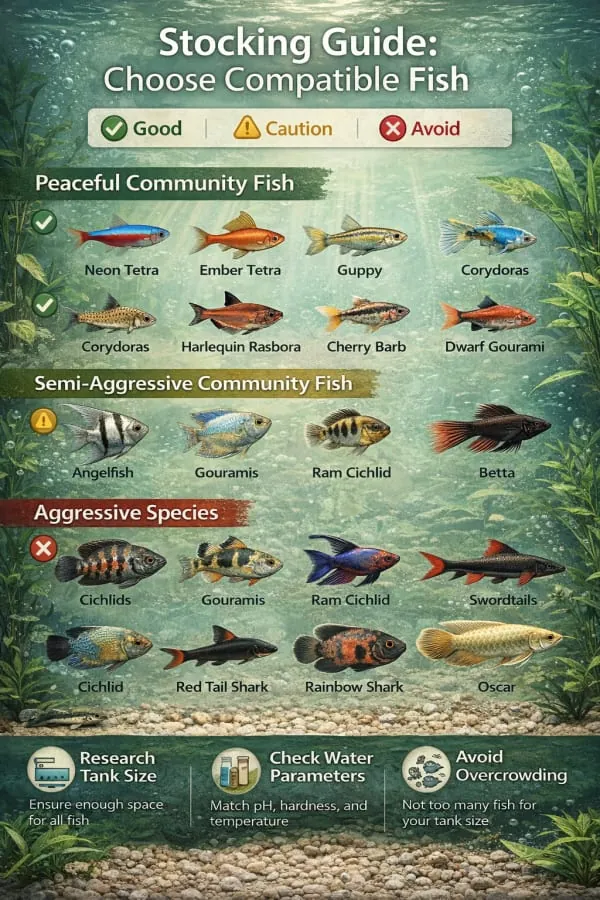
Choose compatible fish: school sizes, swimming zones, aggression, temperature and hardness matching, and honest bioload math for a peaceful community.
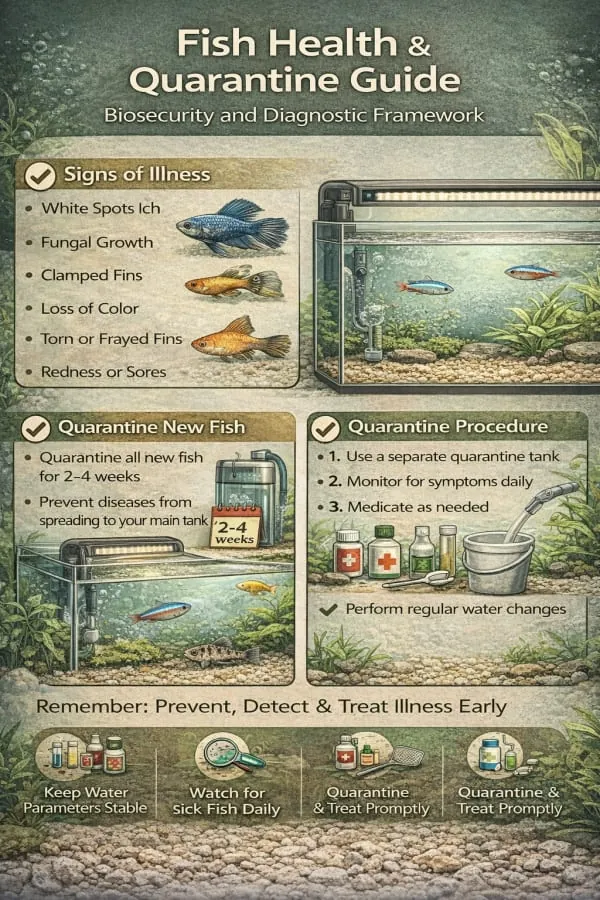
Quarantine new fish, spot the early warning signs, and treat disease without wrecking your tank. A practical freshwater fish health guide.
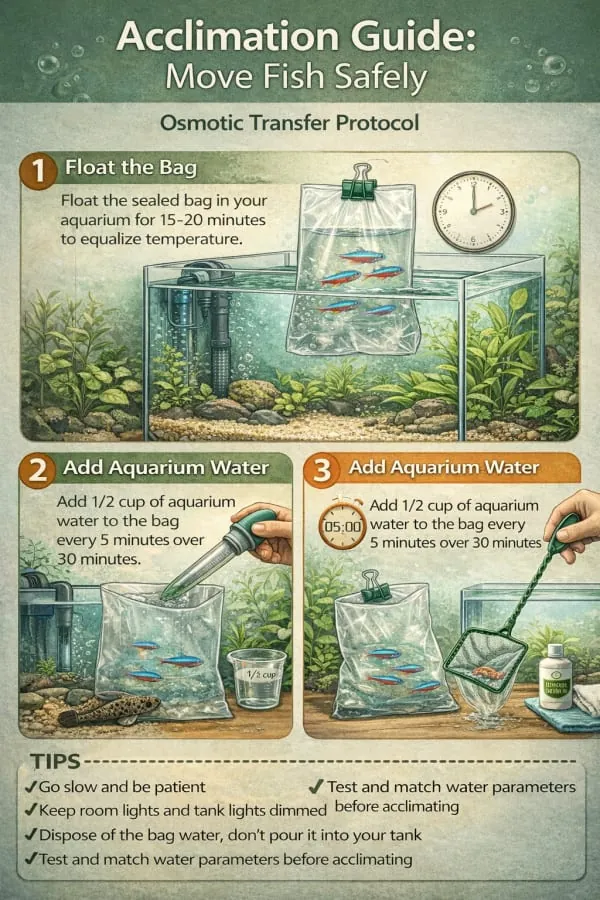
Acclimate new fish, shrimp, and coral safely: temperature floating, drip acclimation, plop-and-drop for shipped livestock, and the first 24 hours.
Keeping Toba Betta?
AquaLens identifies your fish and plants from a photo, tracks water chemistry, and flags health issues early — free on iOS and Android.