Tube Anemone Care Guide
Cerianthus membranaceus · Saltwater Anemone
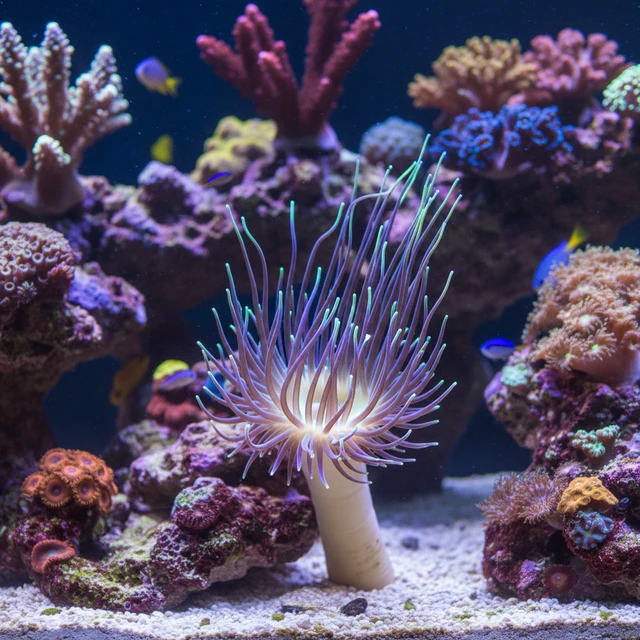
What Tube Anemone look like
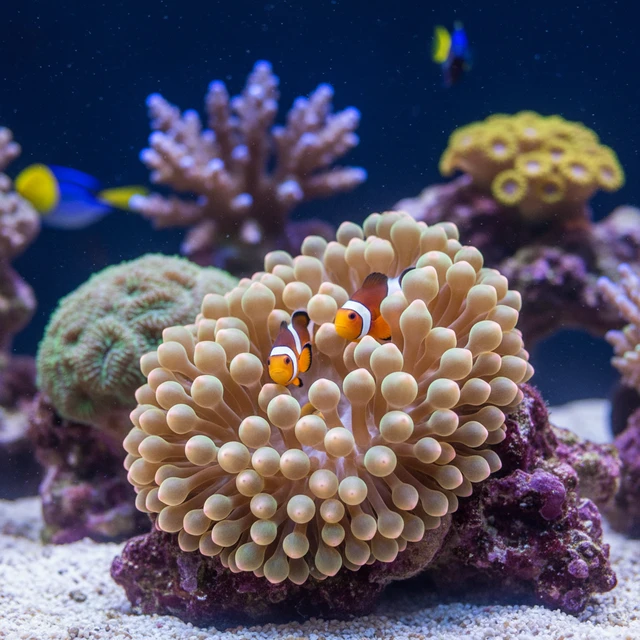
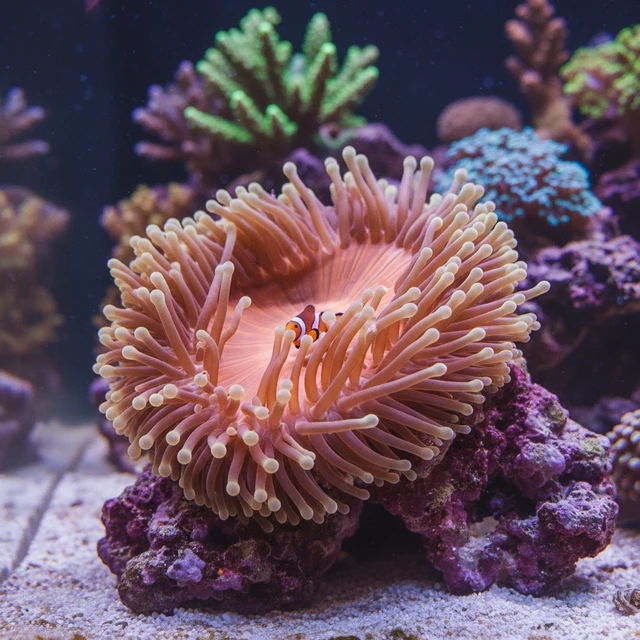
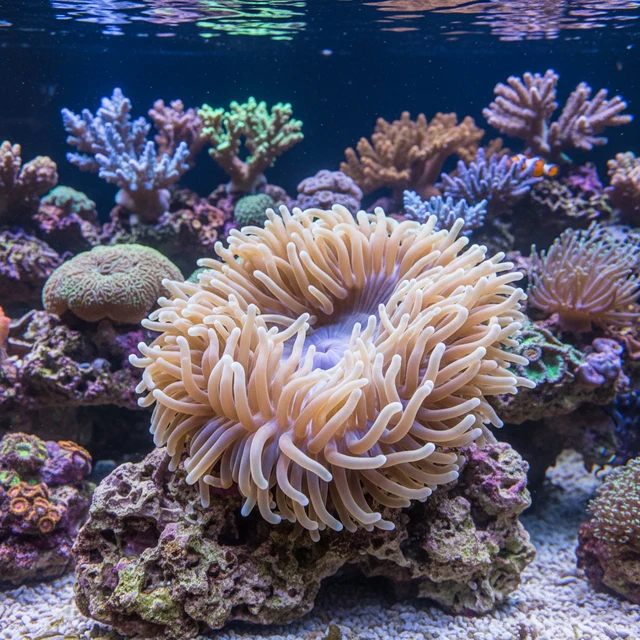
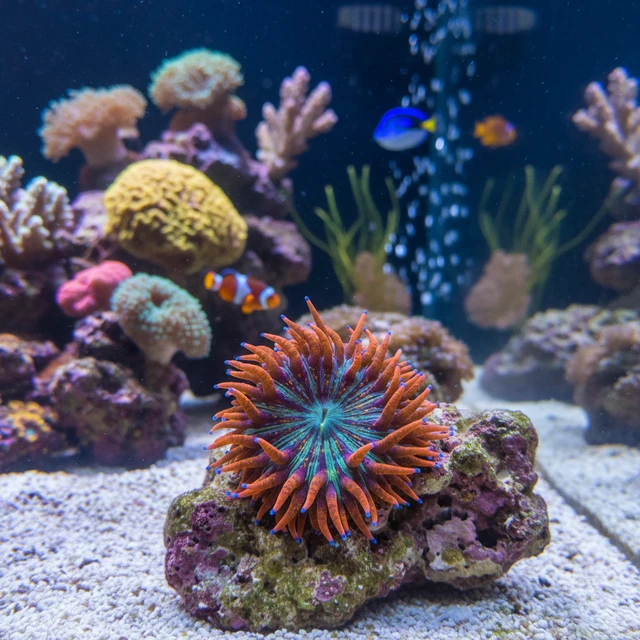
Cerianthus membranaceus, commonly known as the tube anemone, exhibits a unique morphology characterized by its elongated, cylindrical body that can reach lengths of up to 30 cm. The anemone is encased in a protective, burrow-like tube made of sediment and mucus, which serves as both a habitat and a defense mechanism against predators. Its oral disc is adorned with numerous tentacles that can extend significantly, showcasing a vibrant array of colors, typically ranging from green to brown, with some individuals displaying striking patterns. Unlike many other anemones, tube anemones do not possess a central column; instead, they exhibit a more tubular structure. They lack a hard skeleton and have a soft body that allows for flexibility and movement within their tube. Sexual dimorphism is not pronounced in this species, although size variations may occur between individuals. The tentacles are equipped with nematocysts, which provide a means of capturing prey and defense against potential threats.
Behavior & temperament
Tube anemones are primarily solitary and exhibit a sedentary lifestyle, remaining anchored within their tubes. They extend their tentacles into the water column to capture planktonic prey, demonstrating a passive feeding strategy. These anemones are known to exhibit a degree of territoriality, with individuals often displaying aggressive behaviors towards conspecifics if their tubes are in close proximity. Breeding occurs through external fertilization, with gametes released into the water column during specific spawning events. The tube anemone's behavior is generally non-aggressive towards tank mates, making it a relatively peaceful inhabitant of reef aquaria, although caution is advised when housing with smaller or more delicate species due to potential predation.
Diet & feeding
Cerianthus membranaceus is a carnivorous species that primarily feeds on zooplankton and small crustaceans in the wild. In captivity, it requires a diet rich in meaty foods such as finely chopped seafood, mysis shrimp, and other high-protein offerings to thrive.
Behind the name
The genus name 'Cerianthus' is derived from the Greek words 'keros' meaning 'horn' and 'anthos' meaning 'flower', referring to the anemone's flower-like appearance. The species name 'membranaceus' comes from the Latin 'membranaceus', meaning 'membranous', likely referencing the soft, flexible body structure of the anemone.
Plan your tank
Check the numbers before you buy: tank volume, salinity, salt mix, water changes, and your ongoing care routine. Keeping reef? Start from the Saltwater & Reef hub.
Keep reading
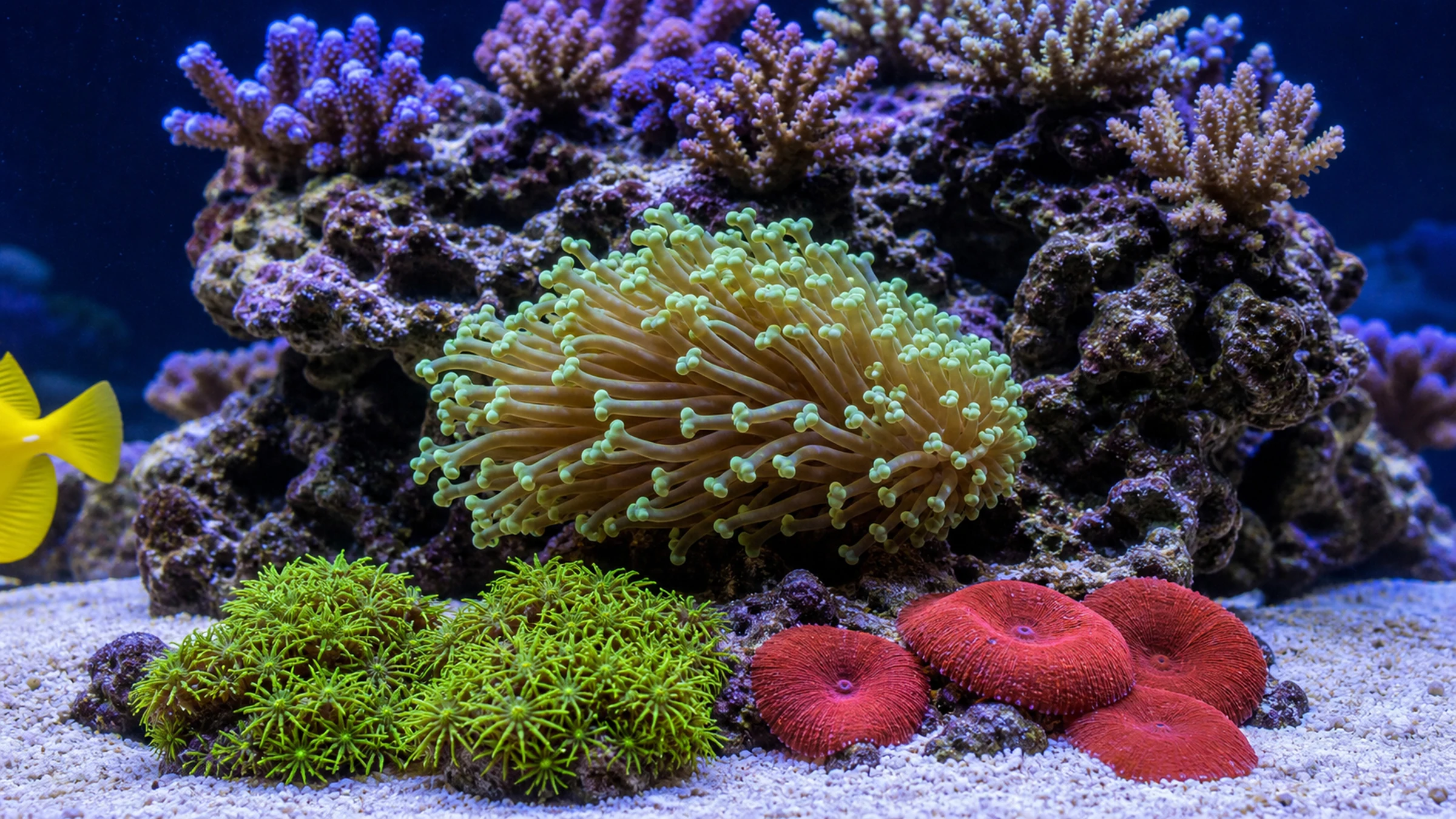
How to place corals by light and flow, PAR targets for softies, LPS, and SPS, dipping new corals for pests, and acclimating them without bleaching.

What every reef parameter means and where to keep it: salinity, temperature, pH, alkalinity, calcium, magnesium, nitrate, and phosphate.
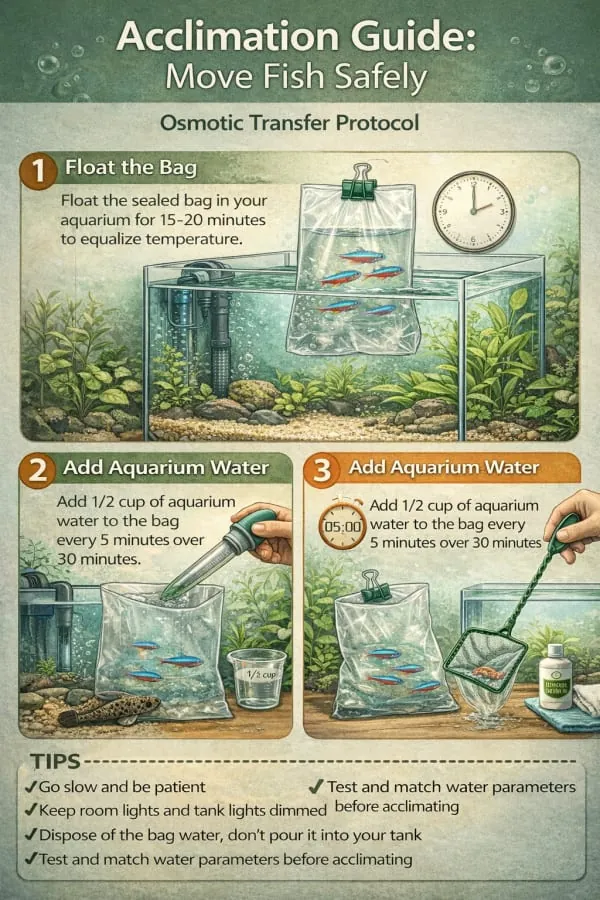
Acclimate new fish, shrimp, and coral safely: temperature floating, drip acclimation, plop-and-drop for shipped livestock, and the first 24 hours.
Keeping Tube Anemone?
AquaLens identifies your fish and plants from a photo, tracks water chemistry, and flags health issues early — free on iOS and Android.