Xingu Corydoras Care Guide
Corydoras xinguensis · Freshwater Fish
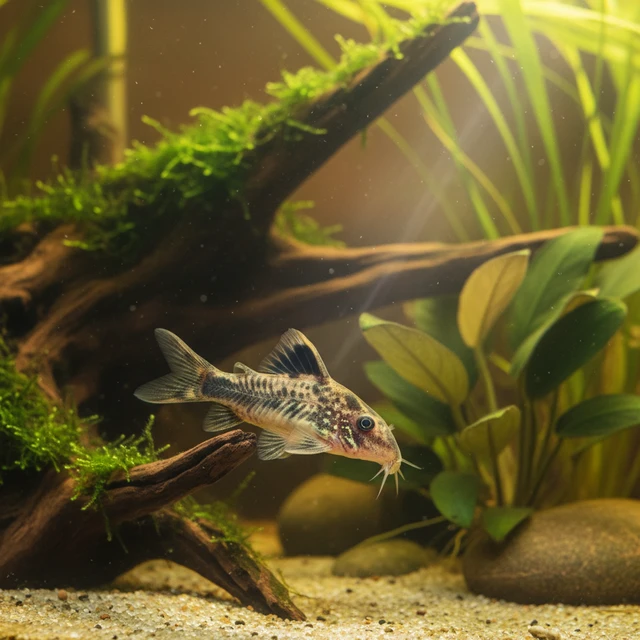
What Xingu Corydoras look like
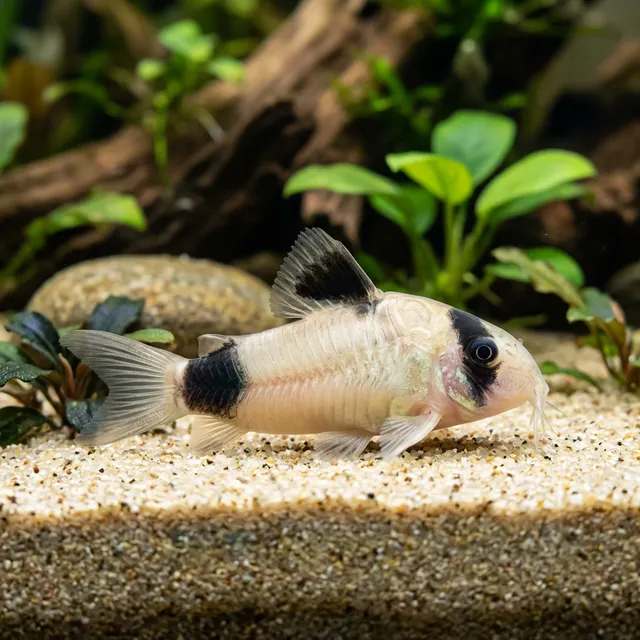
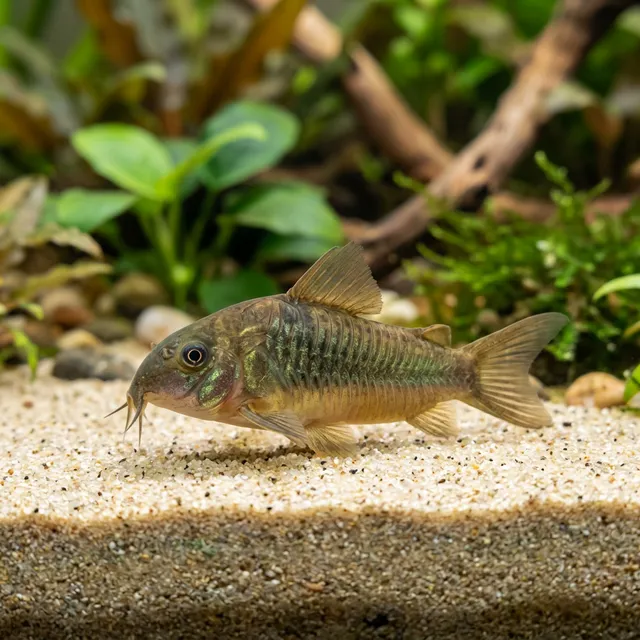
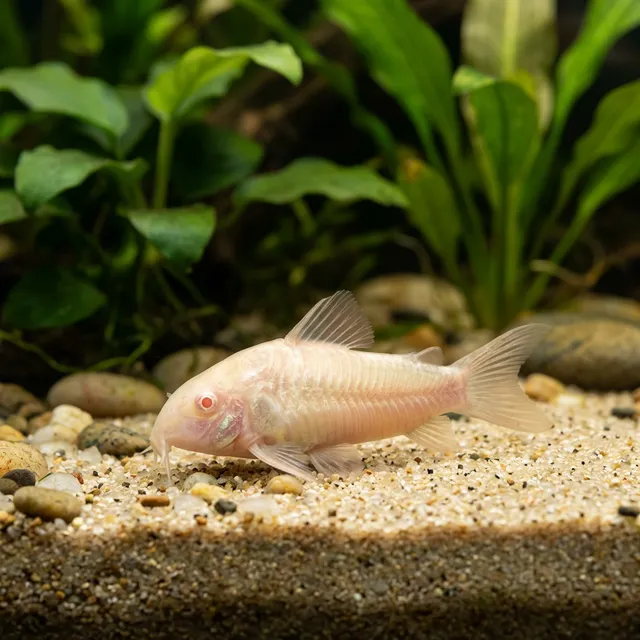
Corydoras xinguensis, commonly known as the Xingu Corydoras, exhibits a small, robust body that typically reaches a maximum adult size of approximately 2 inches (5 cm). The species is characterized by its laterally compressed form and a pale body adorned with bold, dark markings that provide a striking contrast. Sexual dimorphism is subtle, with females generally being slightly larger and rounder than males, particularly when gravid. The Xingu Corydoras possesses a well-developed bony armor consisting of numerous plates, which serve as a defensive adaptation against predators. Notable morphological features include a pair of prominent barbels that aid in foraging along the substrate, and an adipose fin that contributes to its streamlined shape. The species also exhibits a lateral line system, which is crucial for detecting vibrations and movement in the water, enhancing its ability to navigate its environment effectively.
Behavior & temperament
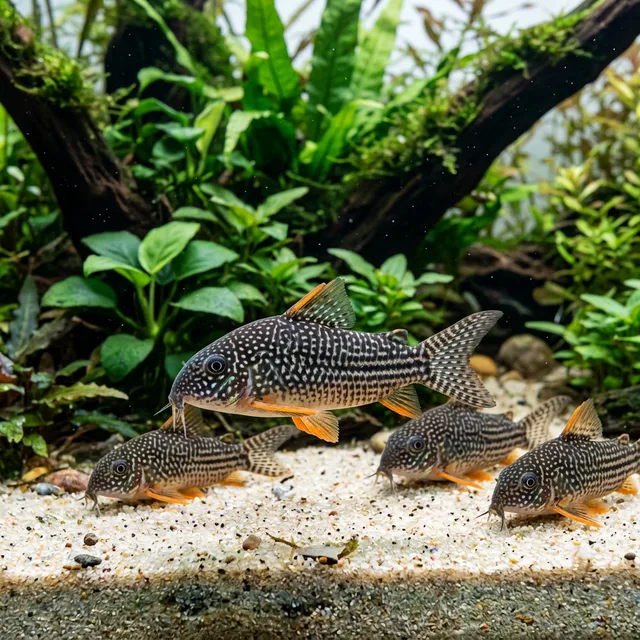
Xingu Corydoras are social fish that thrive in groups, exhibiting a strong tendency to form schools within their natural habitat. They are primarily benthic dwellers, foraging along the substrate for food while remaining in the lower strata of the water column. Their behavioral traits include a peaceful temperament, making them suitable for community tanks. During breeding, they exhibit egg-scattering behavior, where females release eggs in a semi-adhesive manner, often attaching them to plants or substrate. This species is not aggressive and tends to coexist harmoniously with other small, non-aggressive fish, contributing to a dynamic community environment.
Diet & feeding
In the wild, Xingu Corydoras are omnivorous, feeding on a varied diet that includes detritus, small invertebrates, and plant matter. In captivity, they require a balanced diet comprising high-quality sinking pellets, frozen or live foods such as bloodworms and brine shrimp, and occasional vegetable matter to ensure optimal health and coloration.
Behind the name
Corydoras (from Greek 'korydallos', meaning 'helmeted') refers to the armored nature of the fish, while 'xinguensis' denotes its origin from the Xingu River in Brazil.
Plan your tank
Check the numbers before you buy: tank volume, a stocking plan, cycle progress, water changes, and your ongoing care routine.
Keep reading
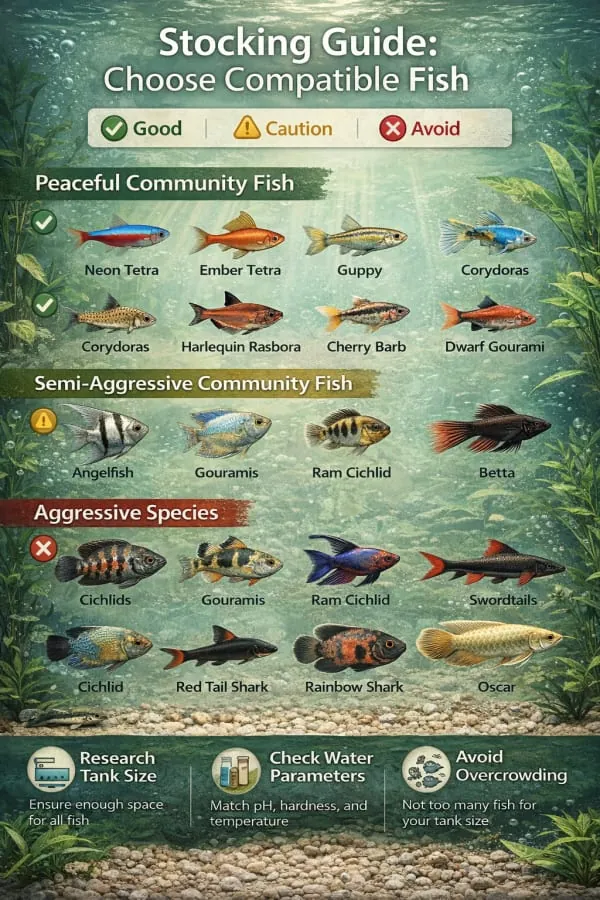
Choose compatible fish: school sizes, swimming zones, aggression, temperature and hardness matching, and honest bioload math for a peaceful community.
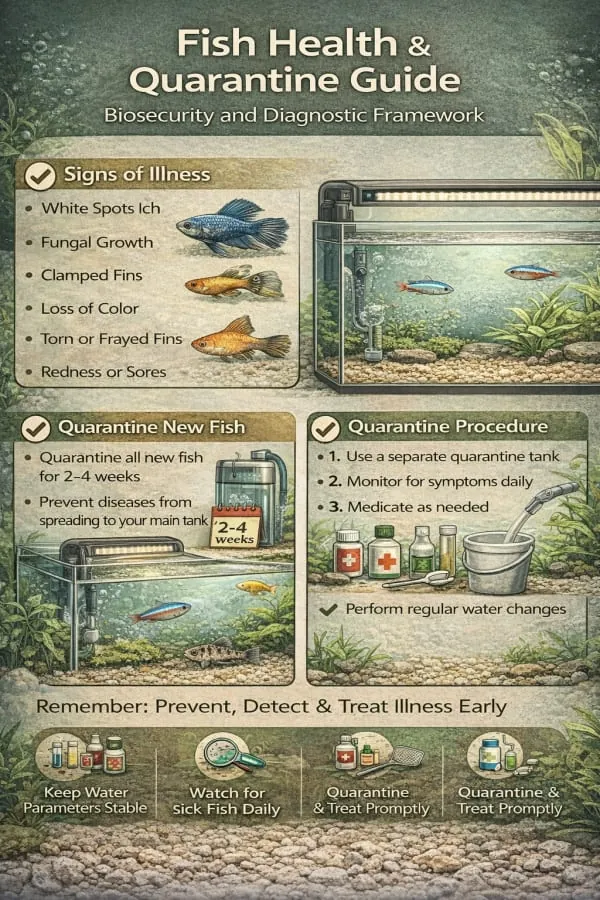
Quarantine new fish, spot the early warning signs, and treat disease without wrecking your tank. A practical freshwater fish health guide.
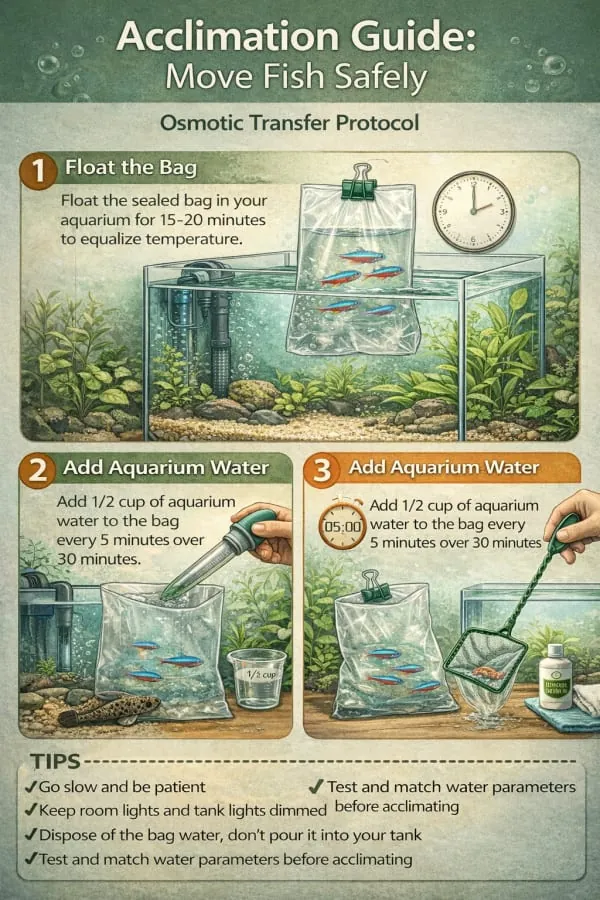
Acclimate new fish, shrimp, and coral safely: temperature floating, drip acclimation, plop-and-drop for shipped livestock, and the first 24 hours.
Keeping Xingu Corydoras?
AquaLens identifies your fish and plants from a photo, tracks water chemistry, and flags health issues early — free on iOS and Android.