Aura Blue Shrimp Care Guide
Caridina cantonensis var. Aura Blue · Freshwater Invert
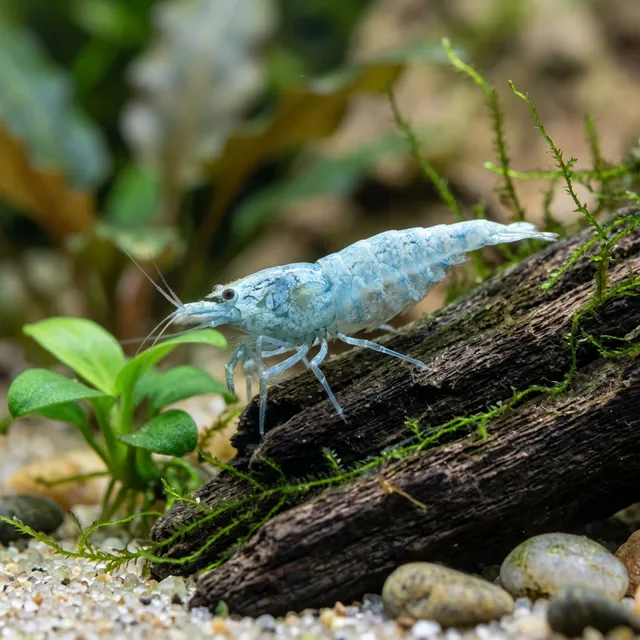
What Aura Blue Shrimp look like
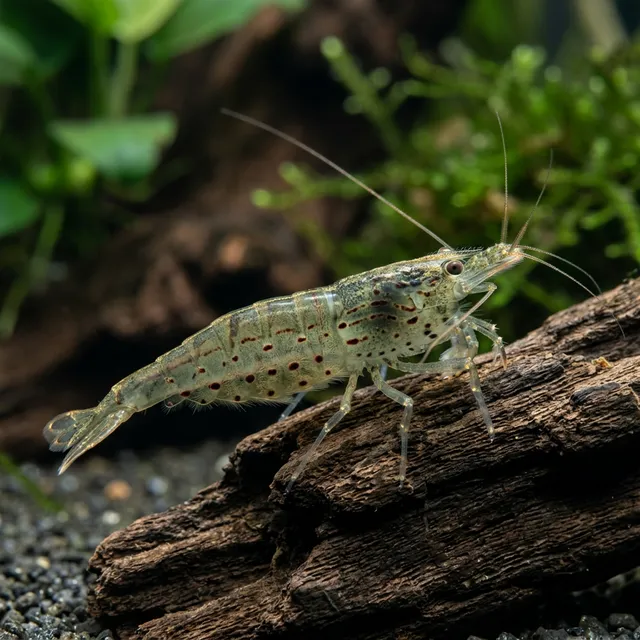
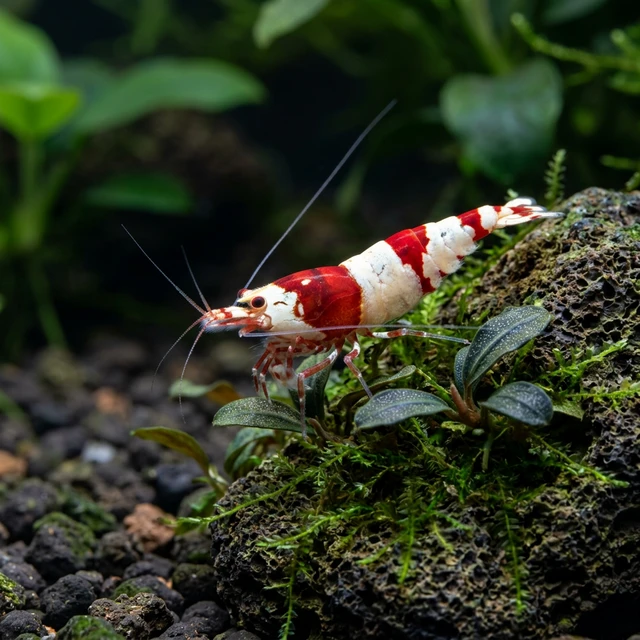
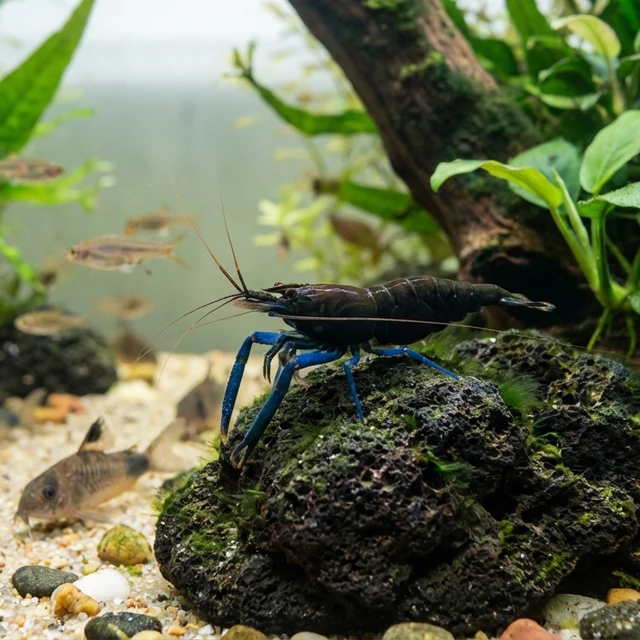
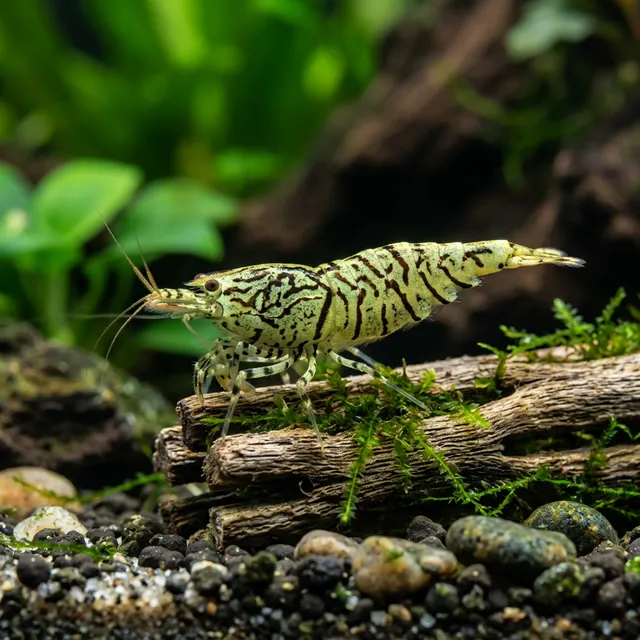
The Aura Blue Shrimp, scientifically classified as Caridina cantonensis var. Aura Blue, is a diminutive crustacean that reaches a maximum adult size of approximately 1 inch (2.5 cm). Its body exhibits a delicate, translucent pale ice-blue to silvery-blue hue, creating a striking ethereal appearance that is often described as frosted or ghostly. This species is characterized by its laterally compressed body and may display subtle white patches, enhancing its crystalline impression. Unlike its close relative, the Blue Bolt, the Aura Blue is distinguished by its lighter and more translucent quality, lacking the deep blue pigmentation. The shrimp possesses a well-developed rostrum and a pair of prominent antennae, which aid in navigation and sensory perception. Defensive adaptations include its ability to blend into the substrate and aquatic vegetation, as well as its rapid swimming capabilities when threatened. The absence of pronounced sexual dimorphism makes it challenging to differentiate between males and females based solely on external morphology.
Behavior & temperament
Aura Blue Shrimp are primarily benthic dwellers, often found in the lower strata of freshwater habitats, where they exhibit a peaceful and social temperament. They are not obligate schoolers but tend to form loose aggregations, especially in environments with ample hiding spots such as dense aquatic vegetation and substrate. Their breeding behavior is characterized as an egg scatterer, with females releasing fertilized eggs into the water column, where they are carried away by currents until they hatch. This species displays minimal aggression, making them suitable for community tanks with other small, peaceful invertebrates and fish. They are known to engage in scavenging behavior, foraging for detritus and biofilm on surfaces.
Diet & feeding
In the wild, Aura Blue Shrimp are omnivorous, feeding on a varied diet that includes algae, biofilm, and decomposing organic matter. In captivity, they require a balanced diet consisting of high-quality shrimp pellets, blanched vegetables, and occasional protein sources such as finely crushed fish flakes or live foods to ensure optimal health and coloration.
Behind the name
Caridina (from Greek 'karis', meaning shrimp); cantonensis (referring to the Canton region, indicating its geographical origin).
Plan your tank
Check the numbers before you buy: tank volume, a stocking plan, cycle progress, water changes, and your ongoing care routine.
Keep reading

Choose compatible fish: school sizes, swimming zones, aggression, temperature and hardness matching, and honest bioload math for a peaceful community.

Quarantine new fish, spot the early warning signs, and treat disease without wrecking your tank. A practical freshwater fish health guide.

Acclimate new fish, shrimp, and coral safely: temperature floating, drip acclimation, plop-and-drop for shipped livestock, and the first 24 hours.
Keeping Aura Blue Shrimp?
AquaLens identifies your fish and plants from a photo, tracks water chemistry, and flags health issues early — free on iOS and Android.