Barbour's Seahorse Care Guide
Hippocampus barbouri · Saltwater Seahorse
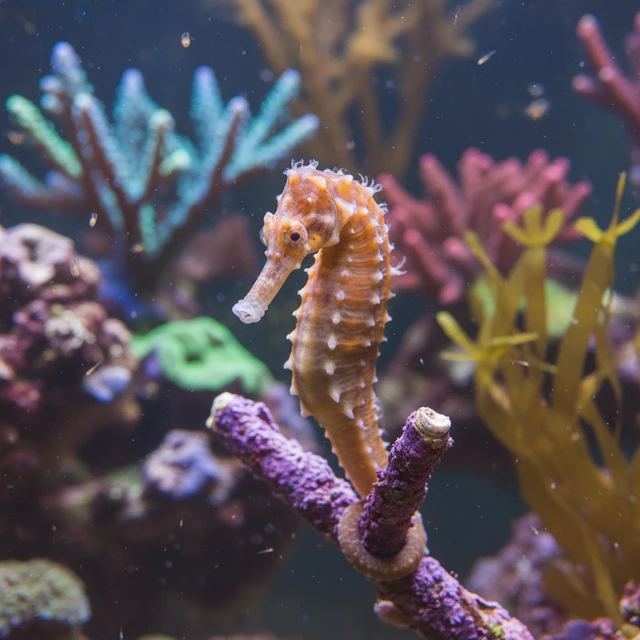
What Barbour's Seahorse look like
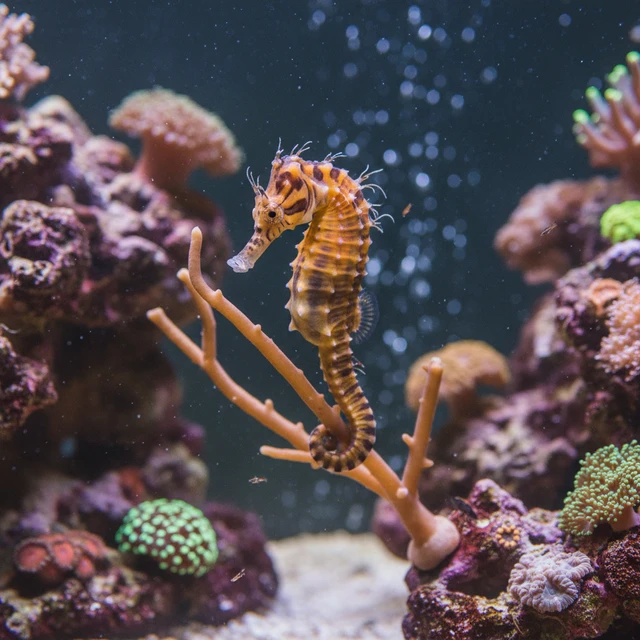
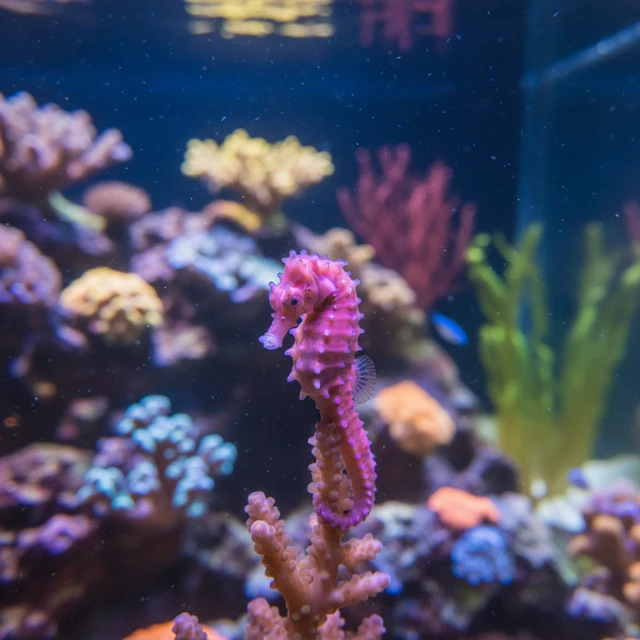
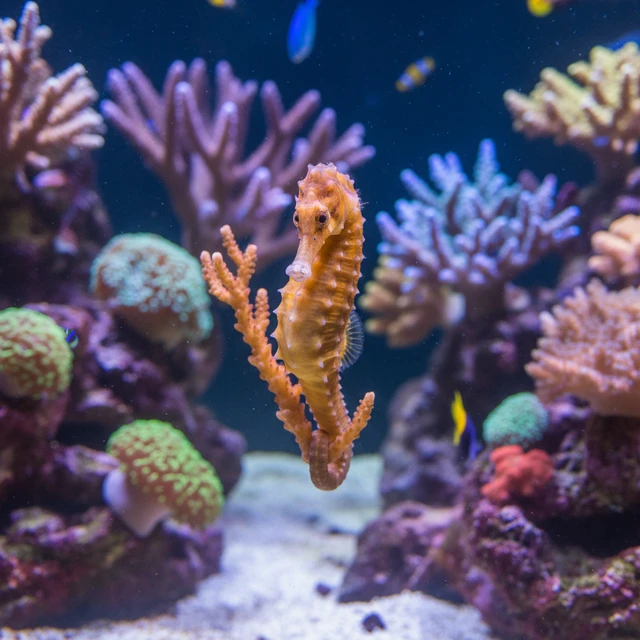
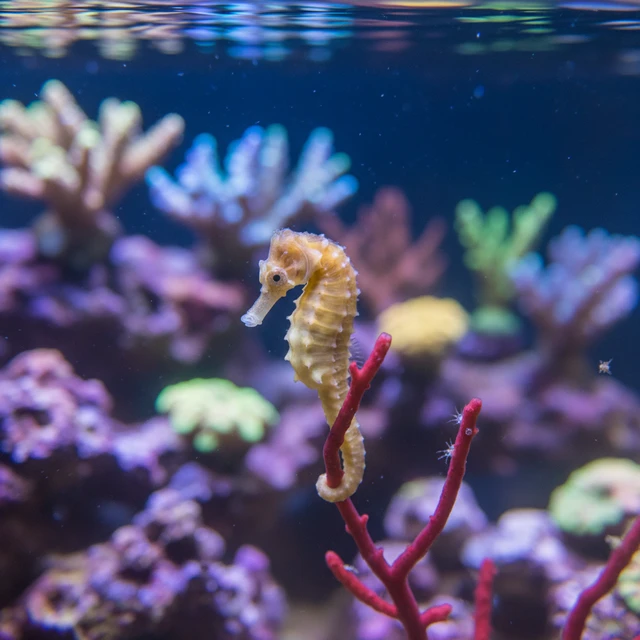
Barbour's Seahorse (Hippocampus barbouri) exhibits a distinctive elongated body covered with bony plates, which provide structural support and protection. This species can reach a maximum adult size of approximately 4 to 5 inches (10 to 13 cm) in length. Sexual dimorphism is evident, with males possessing a brood pouch for carrying fertilized eggs, while females are generally larger and more robust. The coloration varies from pale yellow to brown, often with darker mottling, allowing for effective camouflage among seagrasses and corals. Unique morphological features include a prehensile tail that aids in anchoring to substrates and a tubular snout adapted for sucking in small prey. The dorsal fin is small and located towards the rear, while the pectoral fins are used for steering.
Behavior & temperament
Barbour's Seahorse is generally solitary or found in loose aggregations, exhibiting a low level of aggression towards conspecifics. They are primarily found in shallow waters, often hovering in a vertical position among seagrasses and corals. Breeding behavior involves elaborate courtship displays, where males and females engage in synchronized swimming and color changes. Males transfer eggs to their brood pouch, where they are fertilized and incubated until hatching. Their temperament is generally peaceful, making them suitable for community tanks with compatible species.
Diet & feeding
In the wild, Barbour's Seahorse primarily feeds on small crustaceans, such as copepods and mysid shrimp. In captivity, they require a diet rich in live or frozen foods, including enriched brine shrimp and other small marine organisms.
Behind the name
The genus name 'Hippocampus' is derived from the Greek words 'hippos' meaning 'horse' and 'kampos' meaning 'sea monster', while the species name 'barbouri' honors the American zoologist, Dr. William Barbour.
Plan your tank
Check the numbers before you buy: tank volume, salinity, salt mix, water changes, and your ongoing care routine. Keeping reef? Start from the Saltwater & Reef hub.
Keep reading
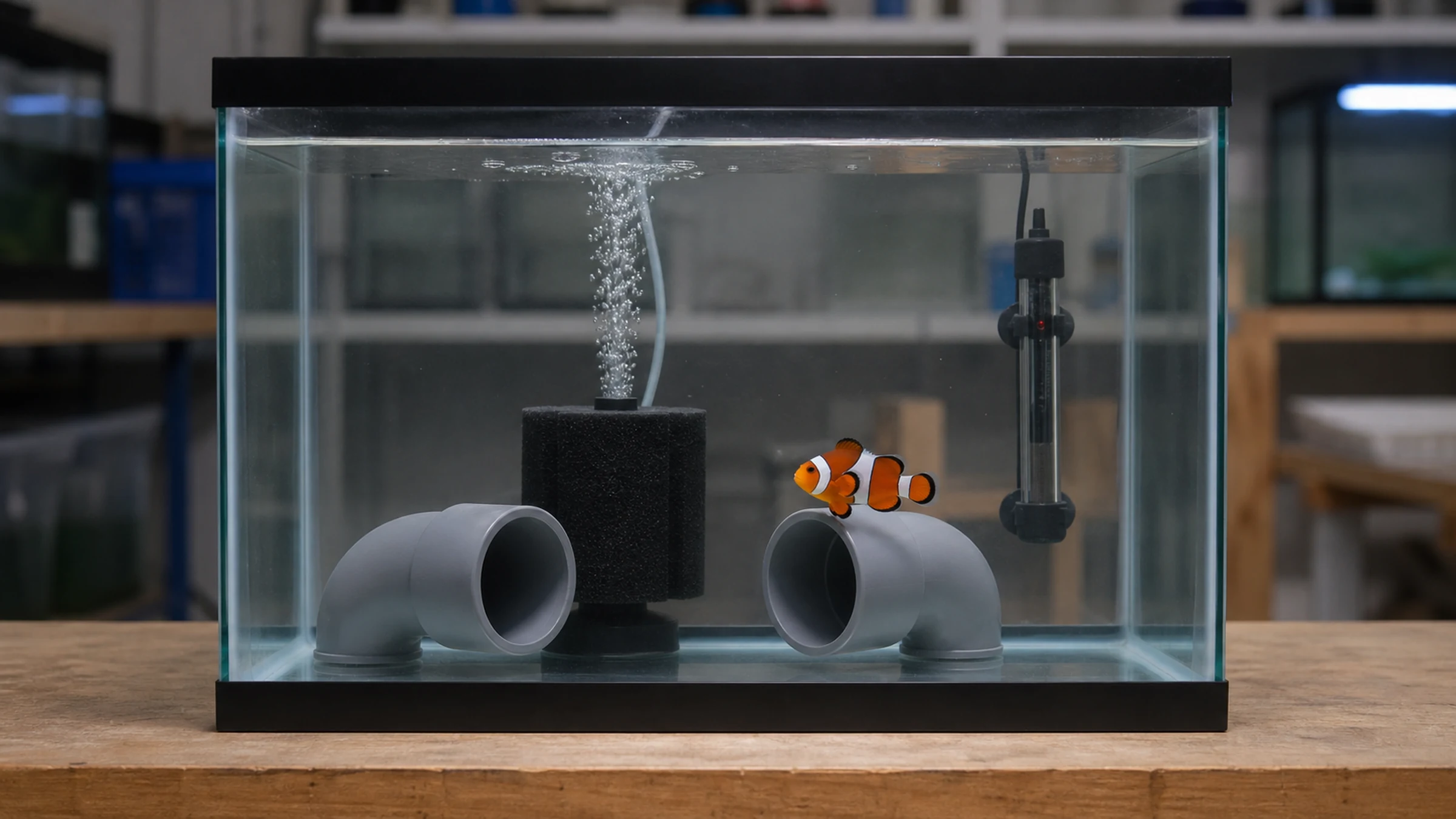
How to quarantine new saltwater fish against marine ich, velvet, and brooklynella: the QT tank, treatments, timelines, and the buy-clean shortcut.
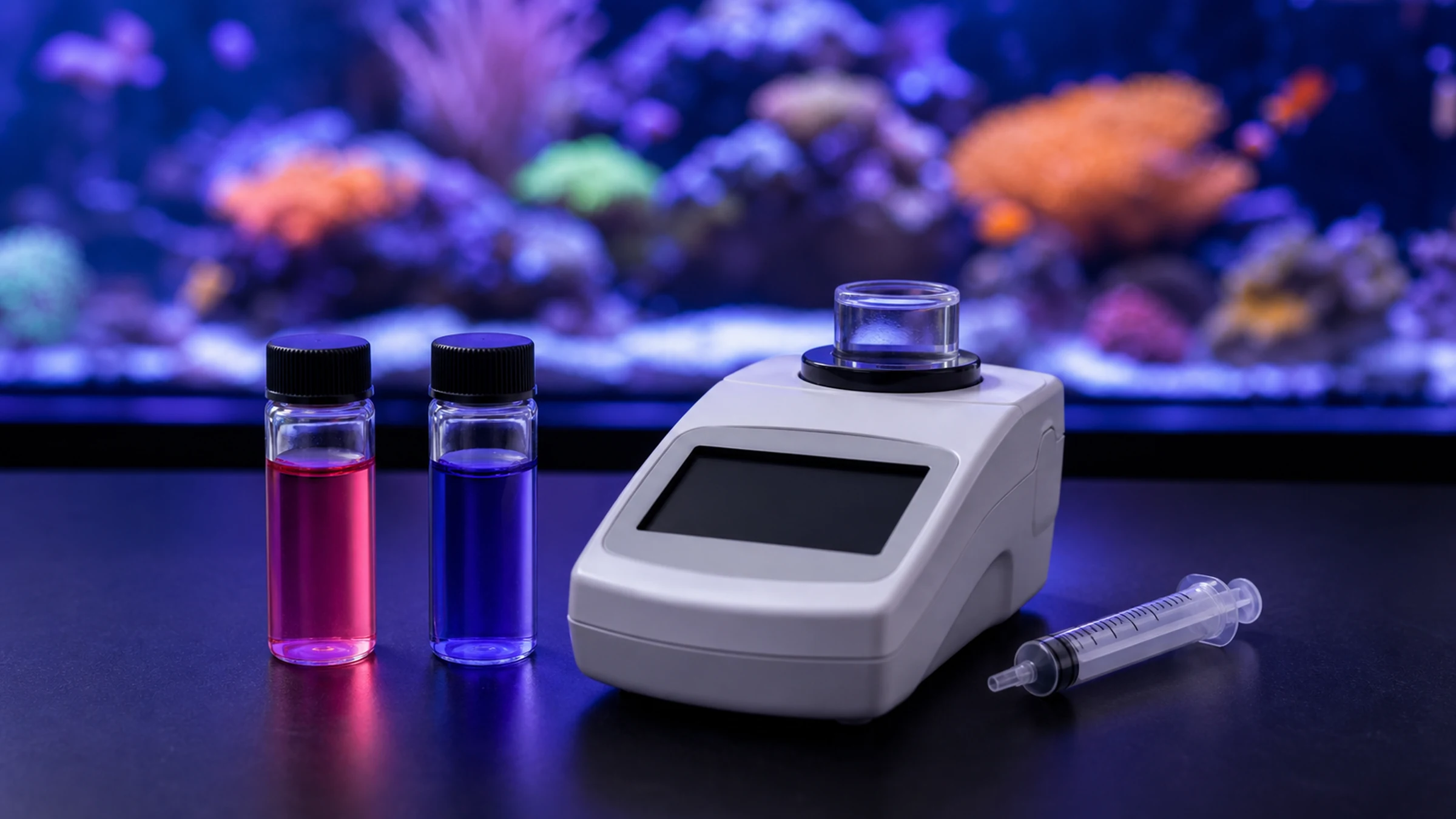
What every reef parameter means and where to keep it: salinity, temperature, pH, alkalinity, calcium, magnesium, nitrate, and phosphate.

Choose compatible fish: school sizes, swimming zones, aggression, temperature and hardness matching, and honest bioload math for a peaceful community.
Keeping Barbour's Seahorse?
AquaLens identifies your fish and plants from a photo, tracks water chemistry, and flags health issues early — free on iOS and Android.