Pygmy Seahorse Care Guide
Hippocampus bargibanti · Saltwater Seahorse
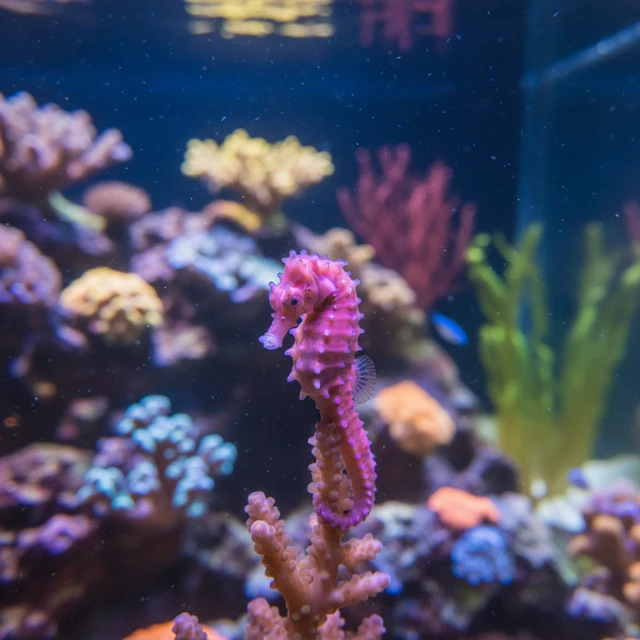
What Pygmy Seahorse look like
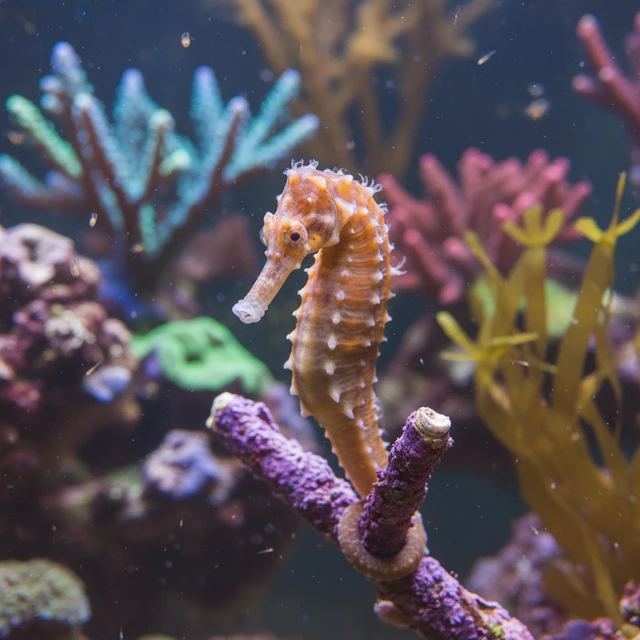
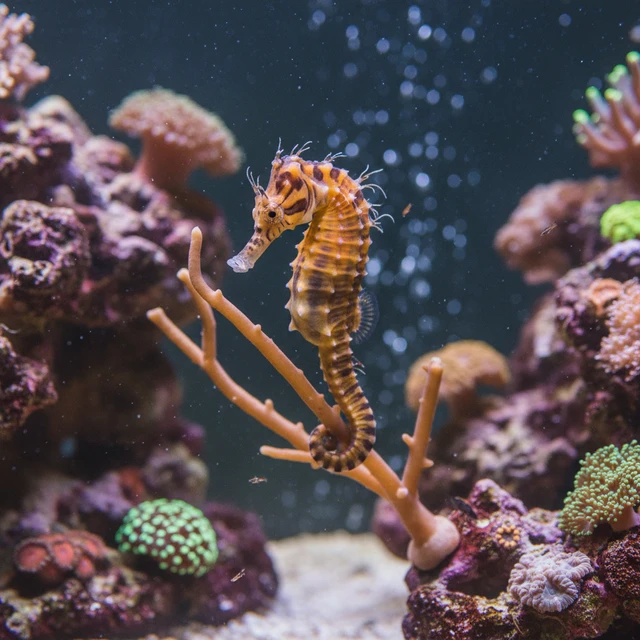
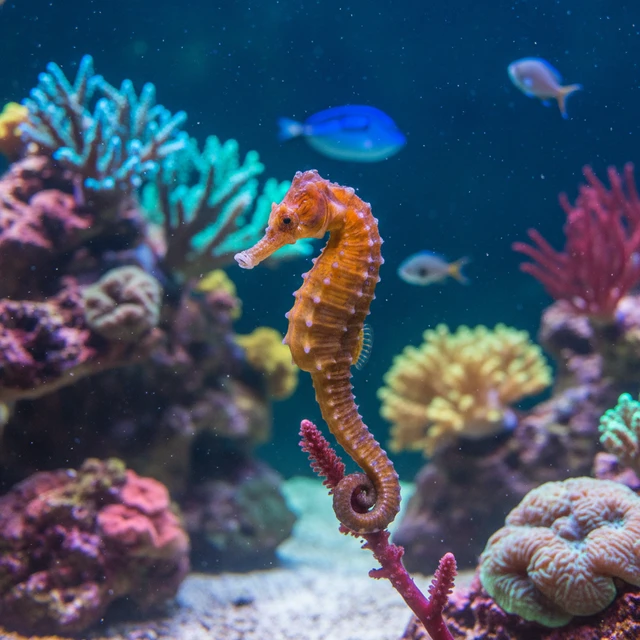
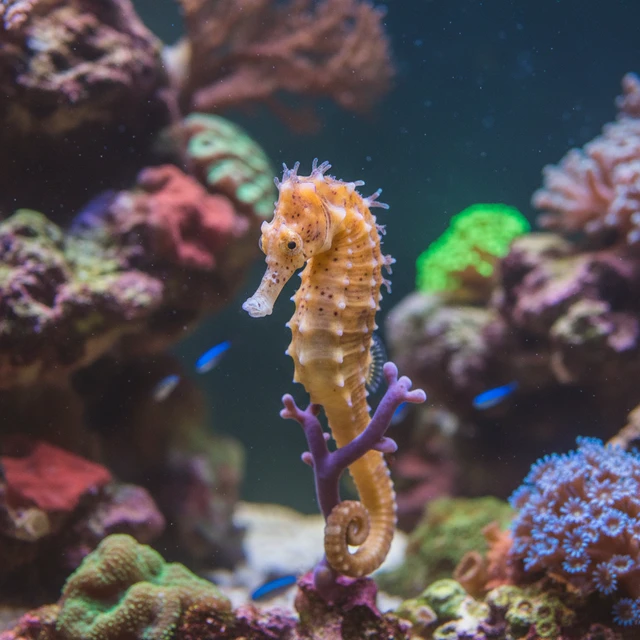
The Pygmy Seahorse (Hippocampus bargibanti) is a diminutive species, reaching a maximum adult size of approximately 2.5 cm (1 inch) in length. This species exhibits pronounced sexual dimorphism, with females being slightly larger and possessing a more rounded abdomen due to the presence of developing eggs. Their bodies are adorned with a unique array of tubercles that provide excellent camouflage among their preferred habitat of gorgonian corals, particularly those of the genus Muricella. The coloration of H. bargibanti ranges from pale pink to bright yellow, often matching the hues of the coral, which aids in their cryptic lifestyle. They possess a prehensile tail that allows them to anchor themselves securely to the coral branches, and their dorsal fin is elongated, aiding in subtle movements. The lack of a swim bladder necessitates their reliance on their fins for propulsion, resulting in a slow, deliberate swimming style.
Behavior & temperament
Hippocampus bargibanti is primarily a solitary or pair-living species, often found in close proximity to their host gorgonian corals. They exhibit a low level of aggression and are not territorial, instead relying on their camouflage to avoid predation. Breeding behavior involves a unique courtship display where the male and female engage in a synchronized dance, often changing colors in the process. This species is known to exhibit a high degree of fidelity to their chosen coral, with individuals remaining in close association with the same host for extended periods. Their feeding behavior consists of ambush predation, where they utilize their elongated snouts to suck in small zooplankton and other tiny crustaceans that drift by in the water column.
Diet & feeding
Hippocampus bargibanti is an obligate zooplanktivore, primarily feeding on small crustaceans and planktonic organisms in the wild. In captivity, they require a diet of live or frozen brine shrimp, copepods, and other small marine foods to thrive.
Behind the name
The genus name 'Hippocampus' is derived from the Greek words 'hippos' meaning 'horse' and 'kampos' meaning 'sea monster', while the species name 'bargibanti' honors the Indonesian naturalist Dr. A. Bargibant who first described the species.
Plan your tank
Check the numbers before you buy: tank volume, salinity, salt mix, water changes, and your ongoing care routine. Keeping reef? Start from the Saltwater & Reef hub.
Keep reading
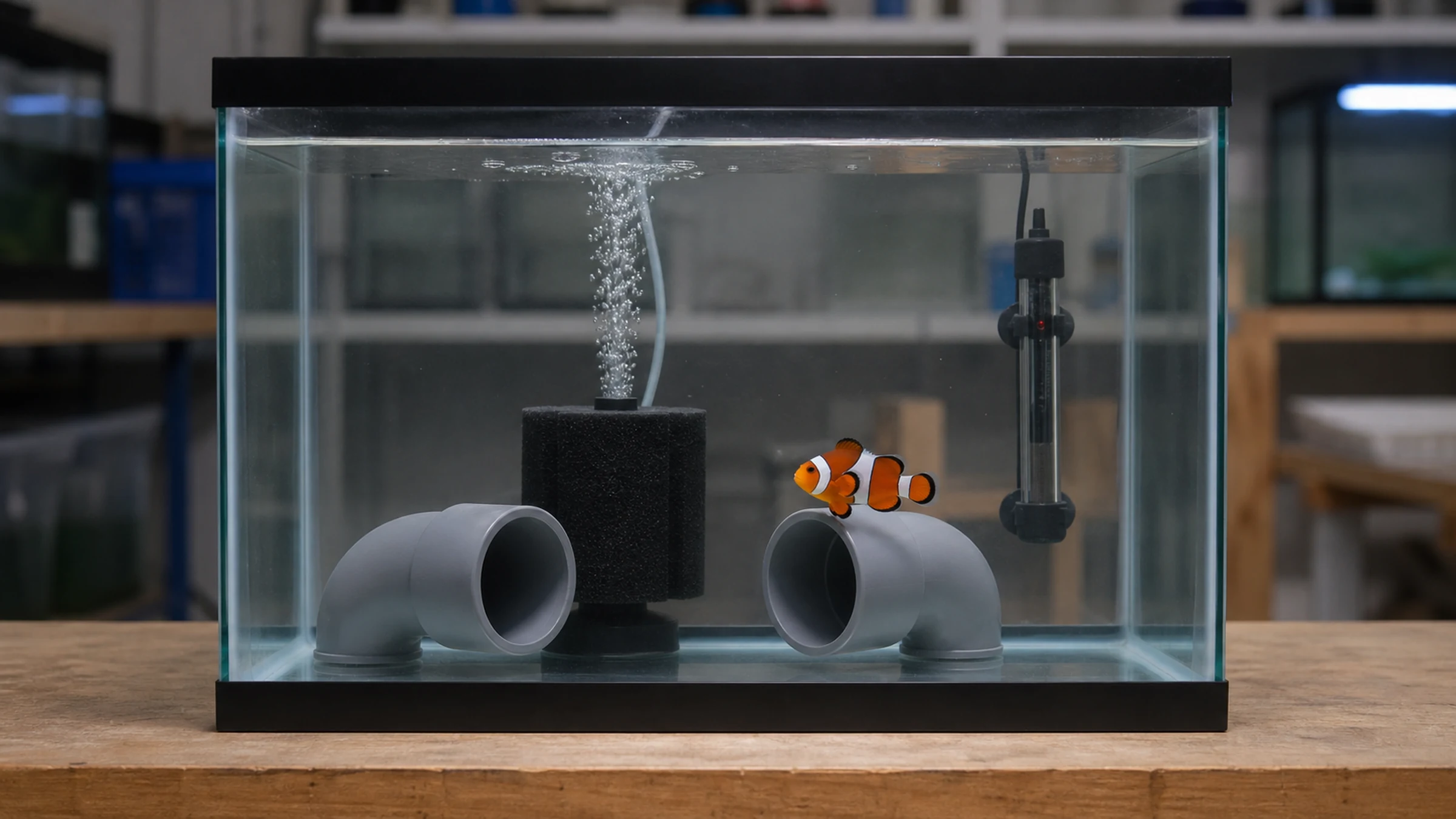
How to quarantine new saltwater fish against marine ich, velvet, and brooklynella: the QT tank, treatments, timelines, and the buy-clean shortcut.
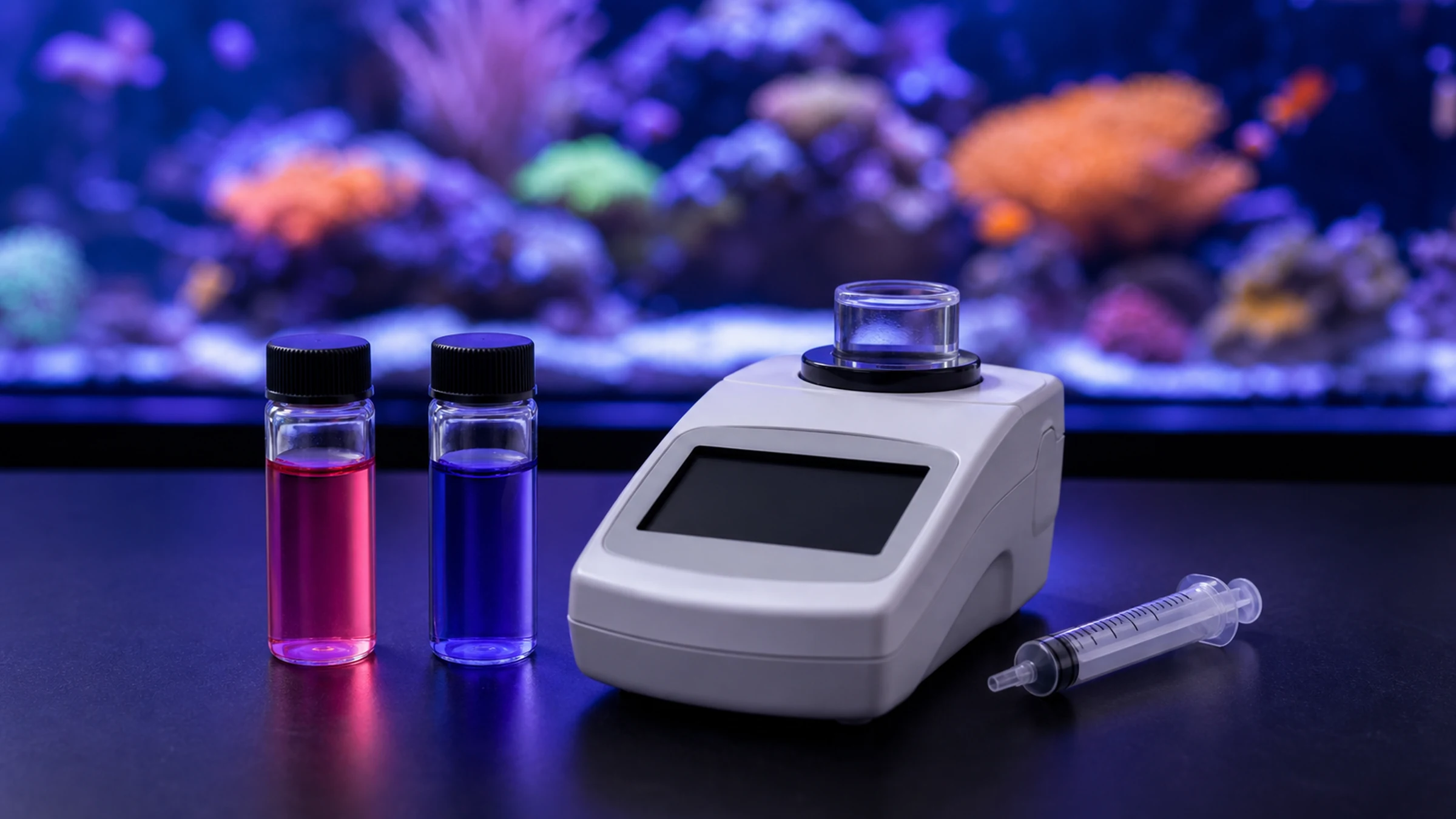
What every reef parameter means and where to keep it: salinity, temperature, pH, alkalinity, calcium, magnesium, nitrate, and phosphate.

Choose compatible fish: school sizes, swimming zones, aggression, temperature and hardness matching, and honest bioload math for a peaceful community.
Keeping Pygmy Seahorse?
AquaLens identifies your fish and plants from a photo, tracks water chemistry, and flags health issues early — free on iOS and Android.