Big Longnose Butterflyfish Care Guide
Forcipiger longirostris · Saltwater Butterflyfish
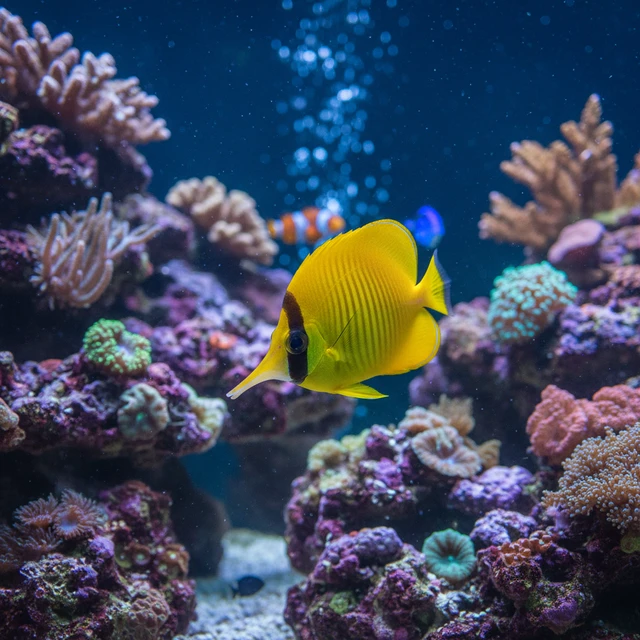
What Big Longnose Butterflyfish look like
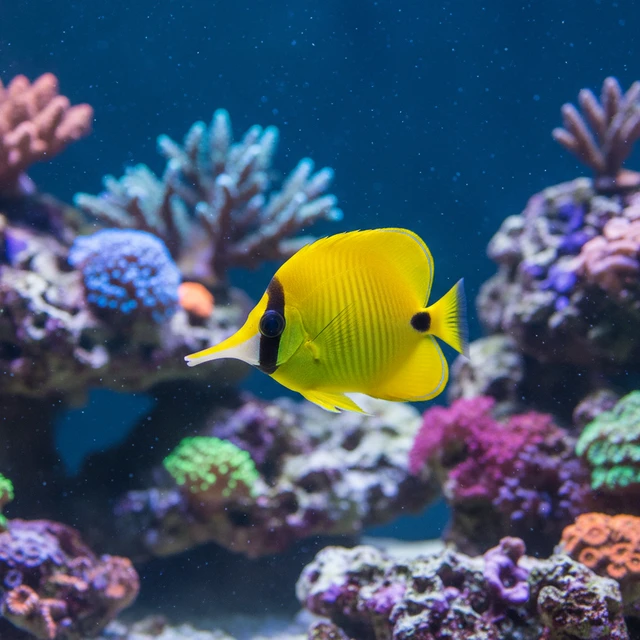
The Big Longnose Butterflyfish, scientifically known as Forcipiger longirostris, exhibits a distinctive elongated snout that can reach a maximum adult size of approximately 9 inches (23 cm). This species displays sexual dimorphism, with males typically possessing slightly larger and more pronounced dorsal fins compared to females. Its body is laterally compressed, adorned with a vibrant yellow and black coloration, which serves as a warning to potential predators. The fish features a prominent, long, and pointed rostrum that aids in foraging for small invertebrates among crevices in the reef. The dorsal fin is long and continuous, while the anal fin is similarly elongated, contributing to its graceful swimming style. The presence of a lateral line system enhances its sensory perception in the often turbid waters of its habitat, allowing it to detect movements and vibrations in the water column.
Behavior & temperament
Forcipiger longirostris is generally a solitary species, though it may be observed in small groups or pairs during mating rituals. It inhabits the upper levels of coral reefs, where it displays a peaceful temperament, but can exhibit territorial behavior, especially during breeding seasons. The breeding behavior involves elaborate courtship displays, where males perform intricate swimming patterns to attract females. This species primarily feeds on small benthic invertebrates, utilizing its elongated snout to extract prey from crevices and coral structures. Its feeding strategy is characterized by a slow, methodical approach, allowing it to maximize foraging efficiency. While not aggressive, it can defend its territory against intruders, particularly during the breeding season.
Diet & feeding
Forcipiger longirostris is primarily a carnivorous fish, feeding on small invertebrates such as zooplankton and coral polyps. In captivity, it requires a diet rich in meaty foods, including frozen or live brine shrimp, mysis shrimp, and high-quality marine flakes or pellets.
Behind the name
The genus name 'Forcipiger' is derived from the Latin 'forcipis', meaning 'forceps', and 'ger', meaning 'to carry', referring to the fish's long, forceps-like snout. The species name 'longirostris' is derived from the Latin 'longus', meaning 'long', and 'rostrum', meaning 'snout', highlighting its distinctive elongated mouth.
Plan your tank
Check the numbers before you buy: tank volume, salinity, salt mix, water changes, and your ongoing care routine. Keeping reef? Start from the Saltwater & Reef hub.
Keep reading
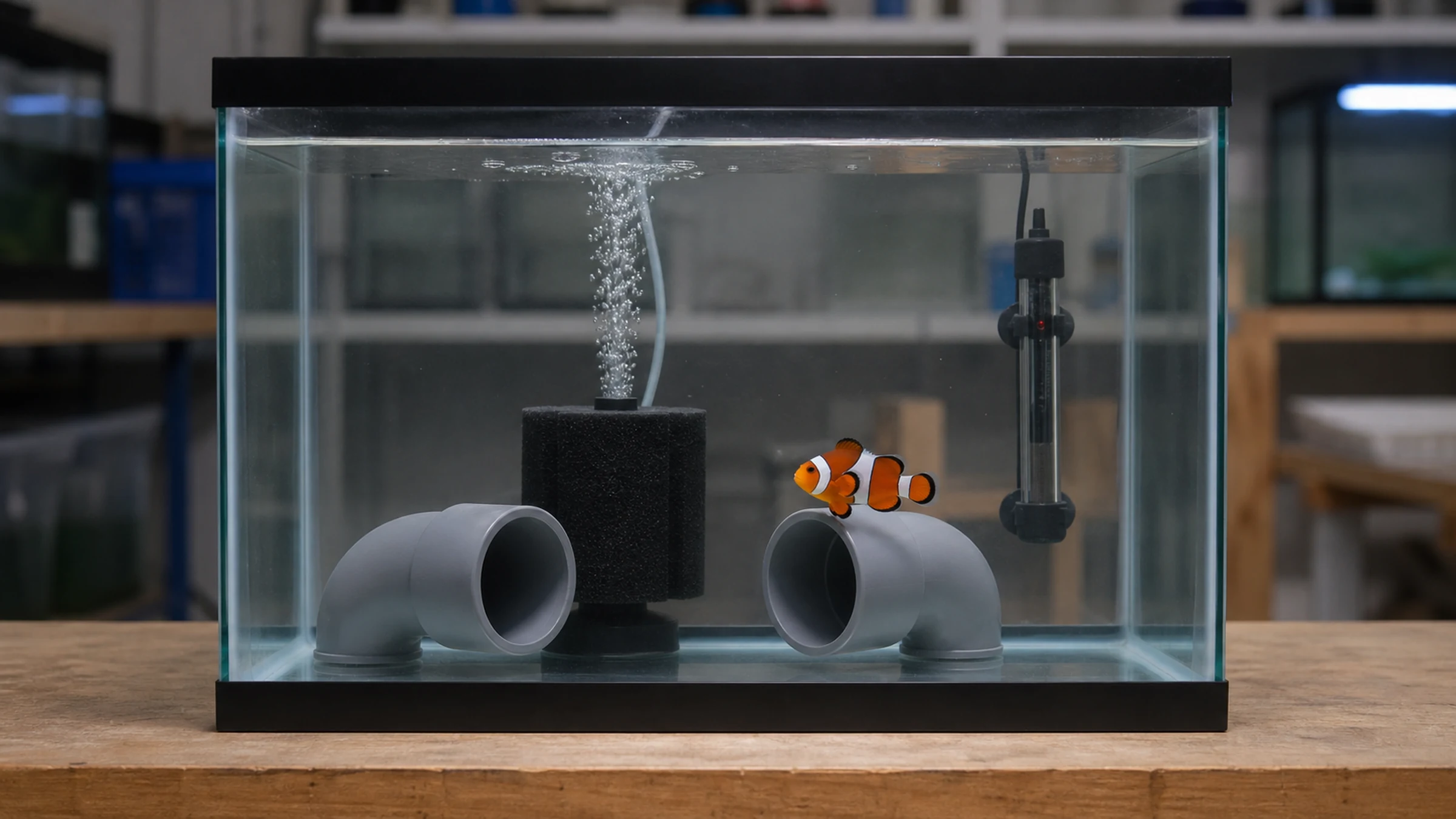
How to quarantine new saltwater fish against marine ich, velvet, and brooklynella: the QT tank, treatments, timelines, and the buy-clean shortcut.

What every reef parameter means and where to keep it: salinity, temperature, pH, alkalinity, calcium, magnesium, nitrate, and phosphate.

Choose compatible fish: school sizes, swimming zones, aggression, temperature and hardness matching, and honest bioload math for a peaceful community.
Keeping Big Longnose Butterflyfish?
AquaLens identifies your fish and plants from a photo, tracks water chemistry, and flags health issues early — free on iOS and Android.