Yellow Longnose Butterflyfish Care Guide
Forcipiger flavissimus · Saltwater Butterflyfish
What Yellow Longnose Butterflyfish look like
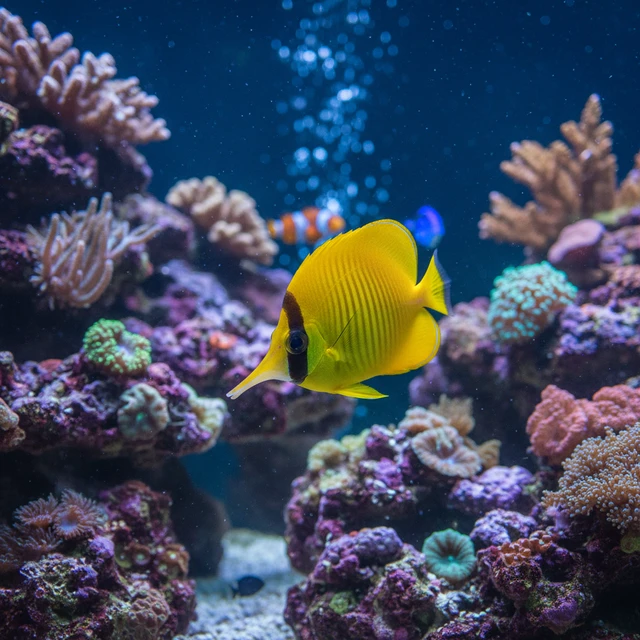
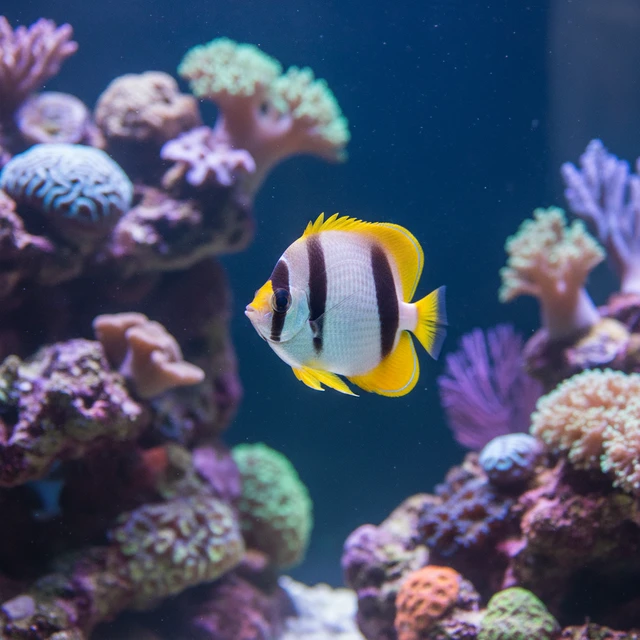
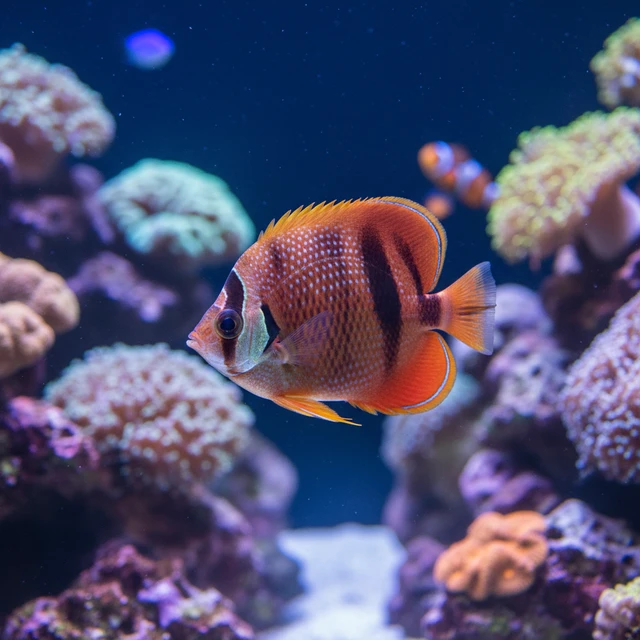
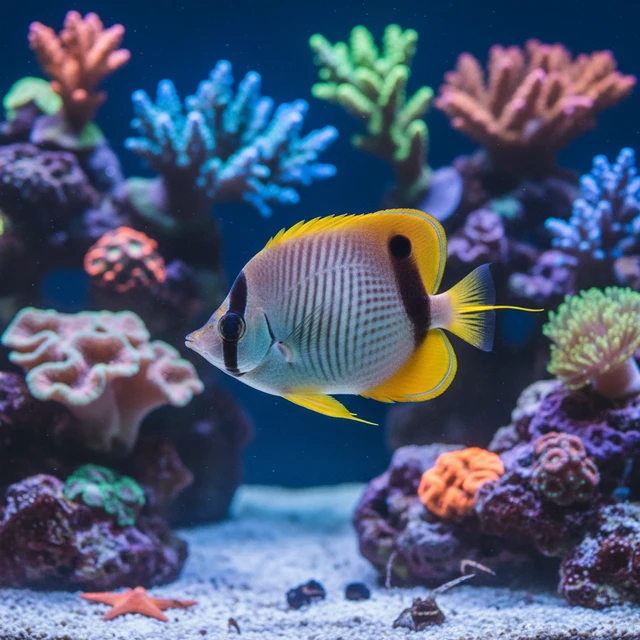
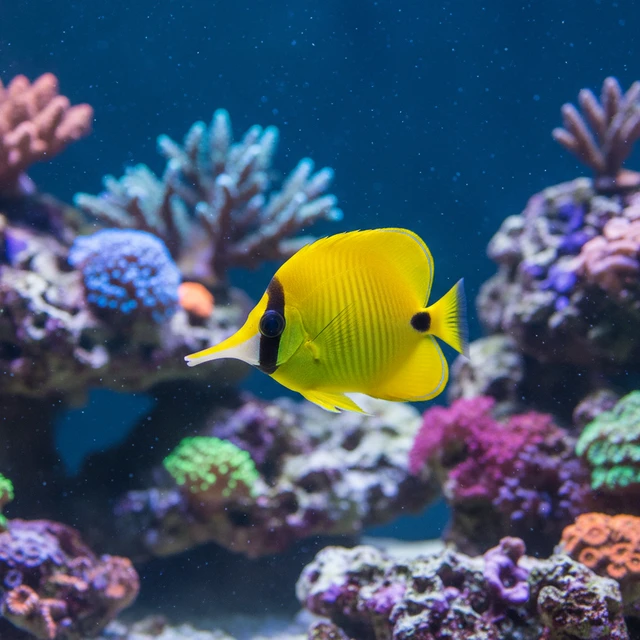
The Yellow Longnose Butterflyfish (Forcipiger flavissimus) exhibits a distinctive elongated snout, which can reach a maximum adult size of approximately 7 inches (18 cm). Its body is predominantly bright yellow with a contrasting black vertical stripe running from the eye to the dorsal fin, and a subtle blue outline around the mouth. Sexual dimorphism is minimal, although females may appear slightly fuller-bodied during breeding seasons. This species possesses a small, terminal mouth adapted for feeding on small invertebrates and coral polyps, and features a continuous dorsal fin that extends from the head to the caudal fin, enhancing its hydrodynamic efficiency. The lateral line system is well-developed, aiding in the detection of water movements and potential predators, while its defensive adaptations include the ability to retreat into crevices and the presence of a mildly venomous dorsal spine.
Behavior & temperament
Yellow Longnose Butterflyfish are generally found in pairs or small groups, exhibiting a social hierarchy where dominant individuals assert their territory. They are primarily mid-water swimmers, often hovering near coral structures. During breeding, they engage in elaborate courtship displays, which include synchronized swimming and circling behaviors. Their temperament is typically peaceful, though they can exhibit territorial aggression towards other butterflyfish species. They are known to be somewhat shy, often seeking refuge among coral formations when threatened.
Diet & feeding
In the wild, the Yellow Longnose Butterflyfish primarily feeds on small invertebrates, particularly polyps of coral and zooplankton. In captivity, they require a varied diet that includes high-quality frozen or live foods such as brine shrimp, mysis shrimp, and specialized preparations for butterflyfish.
Behind the name
The genus name 'Forcipiger' is derived from the Latin 'forcipis', meaning 'forceps' or 'tongs', referring to the fish's elongated snout, while 'flavissimus' translates to 'the most yellow', highlighting its vibrant coloration.
Plan your tank
Check the numbers before you buy: tank volume, salinity, salt mix, water changes, and your ongoing care routine. Keeping reef? Start from the Saltwater & Reef hub.
Keep reading
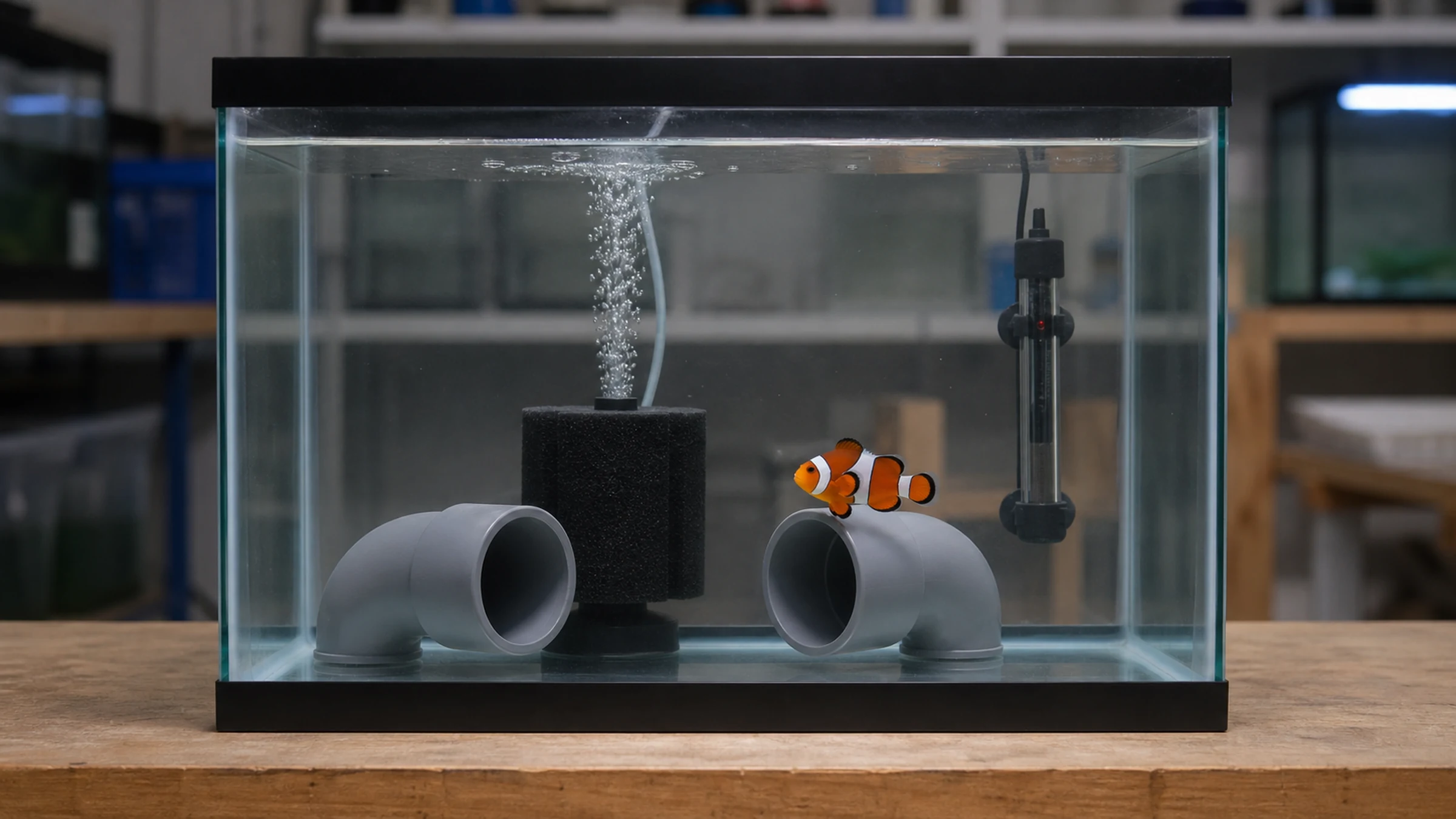
How to quarantine new saltwater fish against marine ich, velvet, and brooklynella: the QT tank, treatments, timelines, and the buy-clean shortcut.

What every reef parameter means and where to keep it: salinity, temperature, pH, alkalinity, calcium, magnesium, nitrate, and phosphate.

Choose compatible fish: school sizes, swimming zones, aggression, temperature and hardness matching, and honest bioload math for a peaceful community.
Keeping Yellow Longnose Butterflyfish?
AquaLens identifies your fish and plants from a photo, tracks water chemistry, and flags health issues early — free on iOS and Android.