Blue Blubber Jellyfish Care Guide
Catostylus mosaicus · Saltwater Jellyfish
What Blue Blubber Jellyfish look like
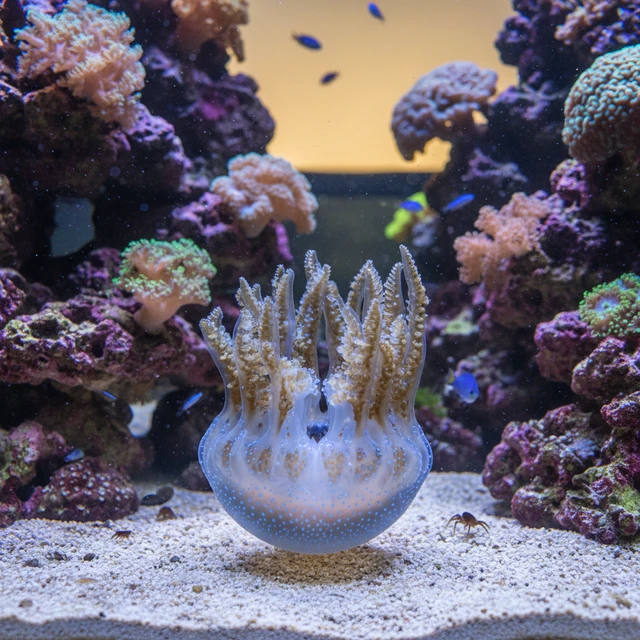
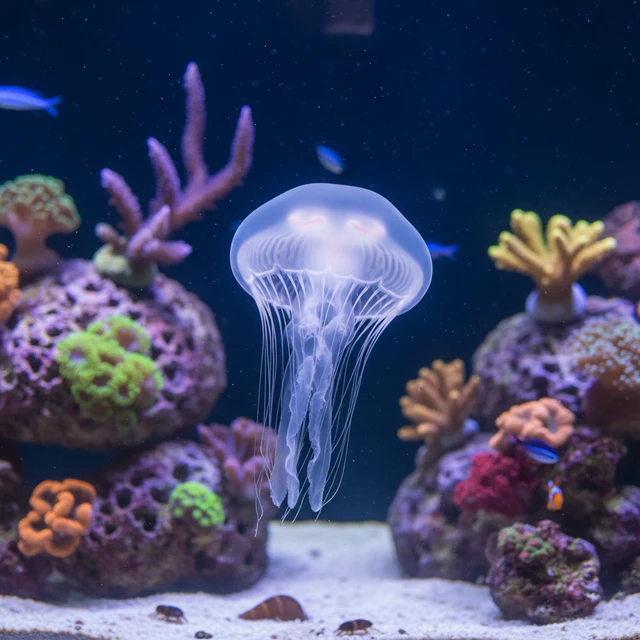
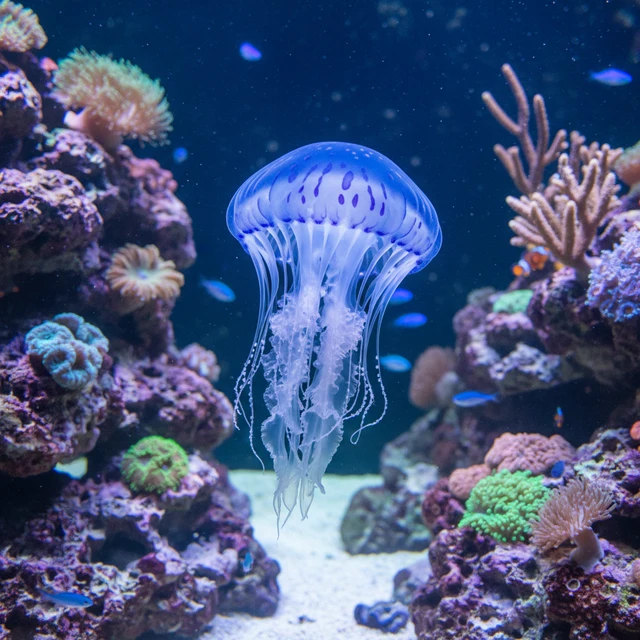
The Blue Blubber Jellyfish, scientifically known as Catostylus mosaicus, exhibits a distinctive bell-shaped body that can reach a maximum diameter of up to 40 centimeters. Its umbrella is typically translucent with a bluish hue, featuring a smooth surface adorned with numerous small, rounded tubercles. The jellyfish possesses long, trailing tentacles that can extend several meters, which are equipped with specialized stinging cells called nematocysts for capturing prey and defense. Sexual dimorphism is not pronounced in this species; however, males are generally smaller than females. The jellyfish's body is supported by a hydrostatic skeleton, allowing it to pulsate rhythmically for locomotion, while its radial canals distribute nutrients throughout the body. The presence of a prominent oral arm structure aids in feeding, showcasing its unique morphological adaptations for survival in diverse marine environments.
Behavior & temperament
Catostylus mosaicus is primarily a solitary species, often found drifting in coastal waters. It exhibits a passive swimming behavior, utilizing rhythmic contractions of its bell to propel itself through the water column. The jellyfish's feeding behavior is opportunistic, capturing planktonic organisms and small fish using its tentacles, which can deliver a mild sting to potential threats. While generally not aggressive, the Blue Blubber Jellyfish can exhibit defensive behaviors when threatened, retracting its tentacles and pulsating rapidly to escape predators. During reproduction, they engage in a complex life cycle that includes both sexual and asexual phases, with the medusa stage being the most recognizable form.
Diet & feeding
The Blue Blubber Jellyfish is primarily a carnivorous filter feeder, consuming small zooplankton, fish larvae, and other microscopic organisms. In captivity, it requires a diet rich in live or frozen planktonic foods to thrive.
Behind the name
The genus name 'Catostylus' is derived from the Greek words 'kata' meaning 'down' and 'stylus' meaning 'pillar', referring to the jellyfish's bell shape. The species name 'mosaicus' is derived from the Latin word for 'mosaic', likely referring to the jellyfish's patterned appearance.
Plan your tank
Check the numbers before you buy: tank volume, salinity, salt mix, water changes, and your ongoing care routine. Keeping reef? Start from the Saltwater & Reef hub.
Keep reading
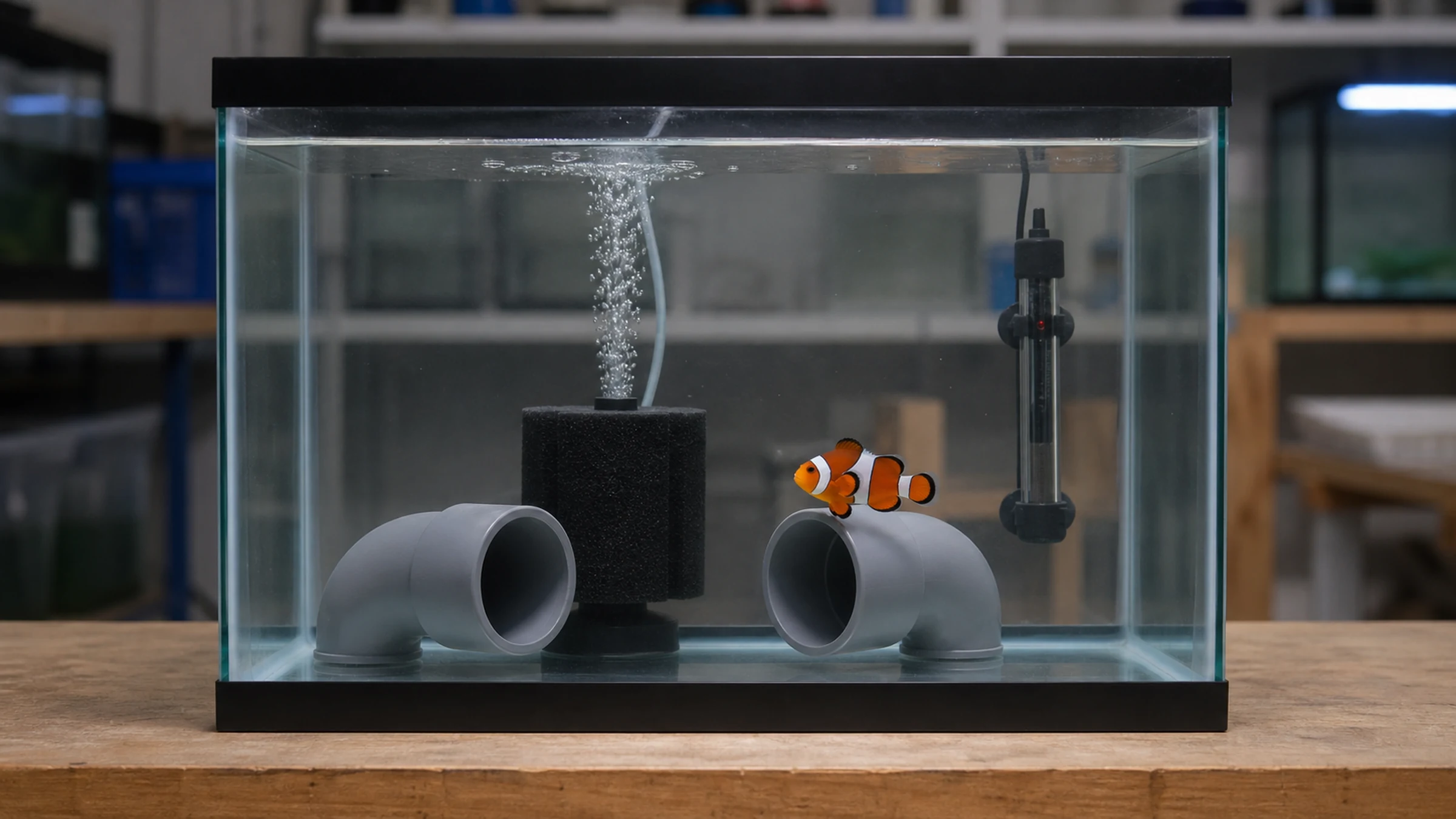
How to quarantine new saltwater fish against marine ich, velvet, and brooklynella: the QT tank, treatments, timelines, and the buy-clean shortcut.

What every reef parameter means and where to keep it: salinity, temperature, pH, alkalinity, calcium, magnesium, nitrate, and phosphate.
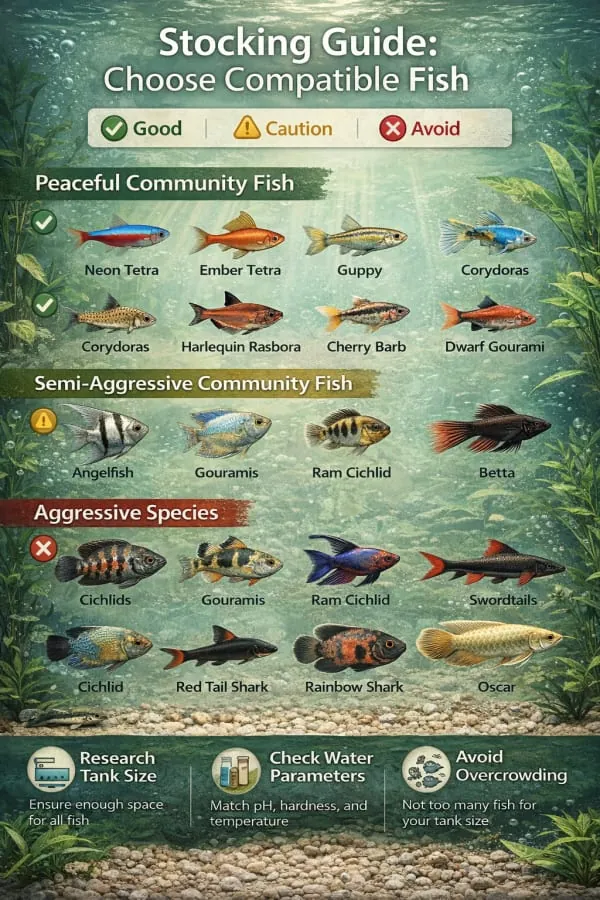
Choose compatible fish: school sizes, swimming zones, aggression, temperature and hardness matching, and honest bioload math for a peaceful community.
Keeping Blue Blubber Jellyfish?
AquaLens identifies your fish and plants from a photo, tracks water chemistry, and flags health issues early — free on iOS and Android.