Blue Botia Care Guide
Yasuhikotakia modesta · Freshwater Fish
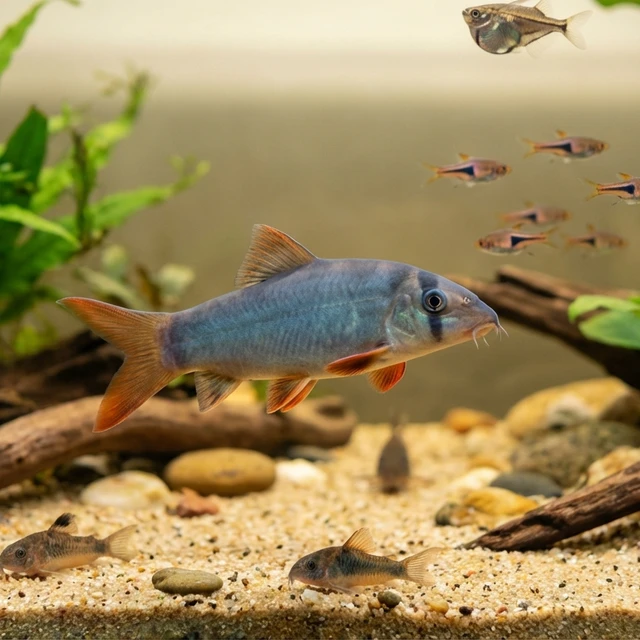
What Blue Botia look like
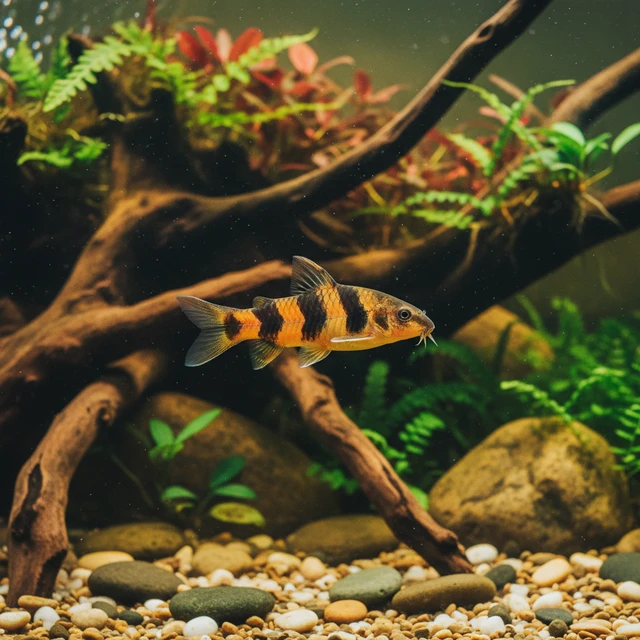
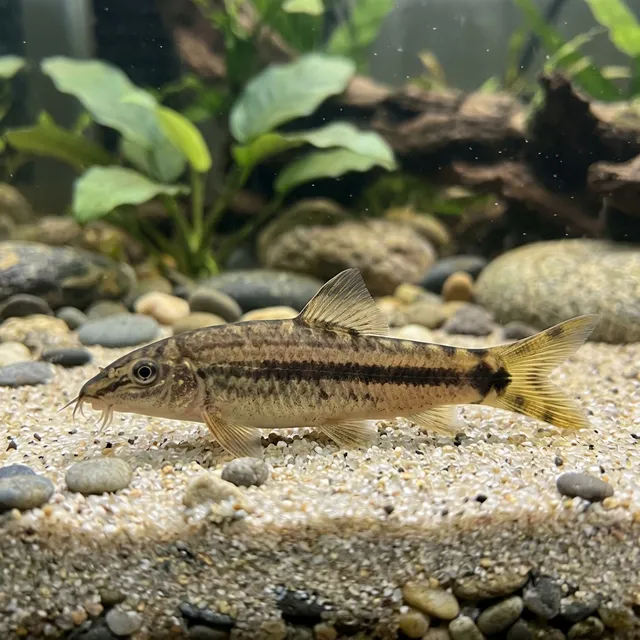
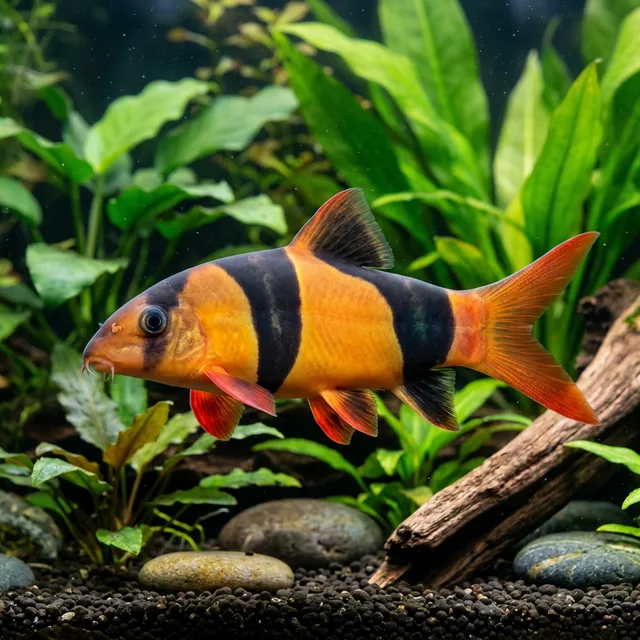
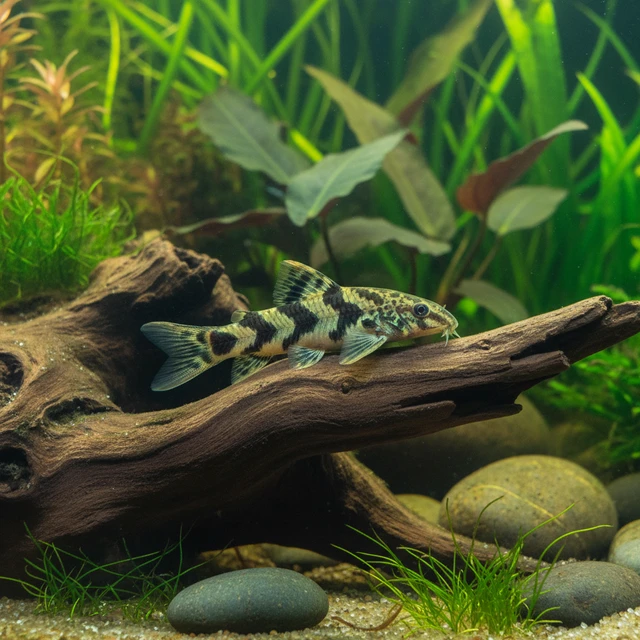
Yasuhikotakia modesta, commonly known as the Blue Botia, exhibits a robust, torpedo-shaped body that can reach a maximum adult size of approximately 6-8 inches (15-20 cm). The species is characterized by a smooth blue-gray body adorned with striking red-orange to bright red fins, creating a vivid contrast that is visually striking. The body is laterally compressed, and the fish possesses small, sensory barbels on its upper jaw, which aid in foraging. Notably, the Blue Botia lacks the barred pattern seen in some other loach species, instead presenting a solid coloration that enhances its aesthetic appeal. The species does not exhibit significant sexual dimorphism, although males may be slightly smaller than females. Defensive adaptations include a tendency to burrow into substrate and a degree of social behavior that allows for group dynamics, which can deter potential predators.
Behavior & temperament
The Blue Botia is a social species that thrives in groups, often exhibiting a hierarchical structure within its shoals. It primarily dwells in the mid to bottom levels of the water column, exhibiting both pelagic and benthic behaviors as it forages for food. This species is known for its playful and active temperament, often engaging in social interactions with conspecifics. During breeding, the Blue Botia is an egg scatterer, releasing eggs in a manner typical of many loach species. The species demonstrates a moderate level of aggression, particularly during feeding or territorial disputes, but is generally peaceful when kept in appropriate group sizes.
Diet & feeding
In the wild, the Blue Botia is an omnivore, feeding on a varied diet that includes detritus, small invertebrates, and plant matter. In captivity, it requires a balanced diet consisting of high-quality pellets, live or frozen foods such as bloodworms and brine shrimp, and occasional vegetable matter to ensure optimal health.
Behind the name
Yasuhikotakia (from 'Yasuhiko', a Japanese name; 'takia' meaning 'to be found') and 'modesta' (Latin for 'modest' or 'unassuming', likely referring to its coloration).
Plan your tank
Check the numbers before you buy: tank volume, a stocking plan, cycle progress, water changes, and your ongoing care routine.
Keep reading

Choose compatible fish: school sizes, swimming zones, aggression, temperature and hardness matching, and honest bioload math for a peaceful community.
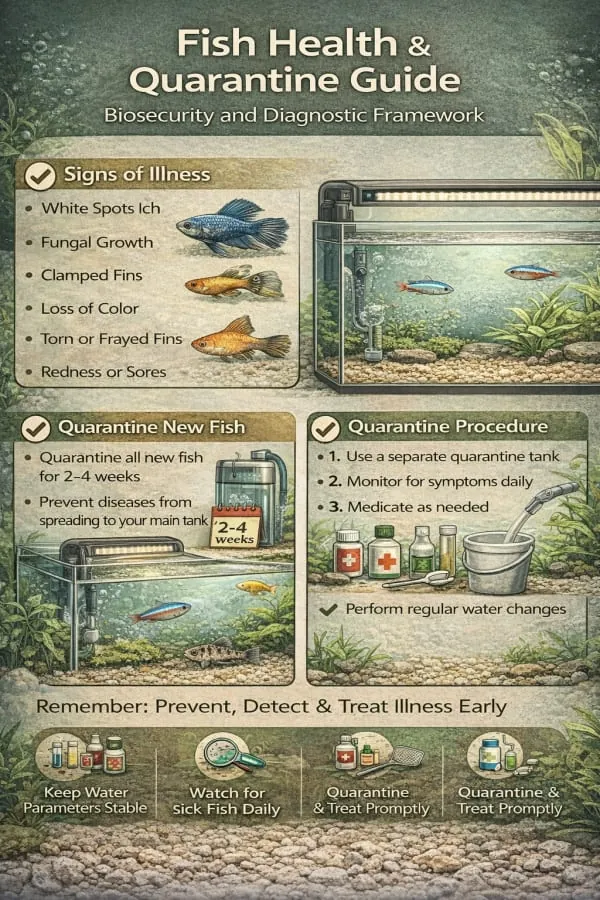
Quarantine new fish, spot the early warning signs, and treat disease without wrecking your tank. A practical freshwater fish health guide.
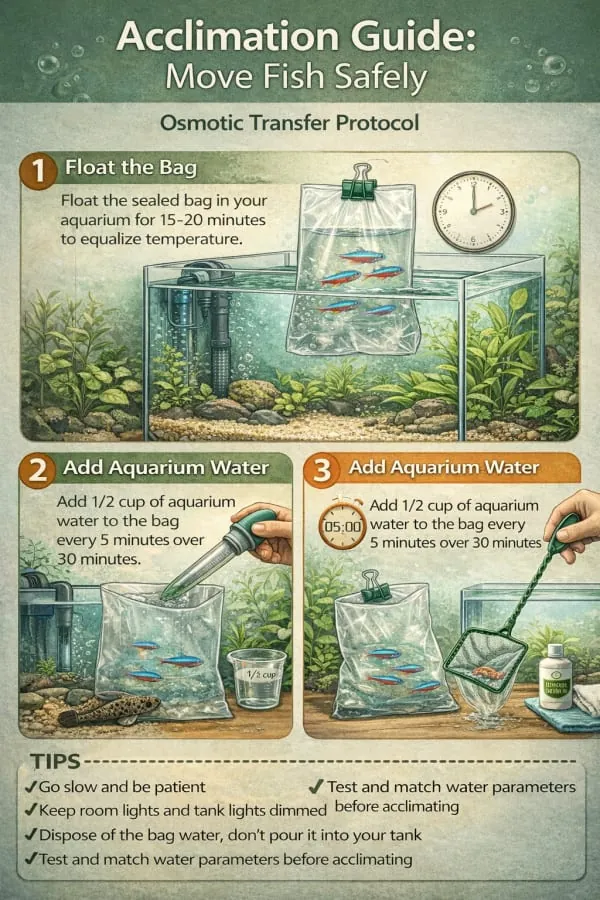
Acclimate new fish, shrimp, and coral safely: temperature floating, drip acclimation, plop-and-drop for shipped livestock, and the first 24 hours.
Keeping Blue Botia?
AquaLens identifies your fish and plants from a photo, tracks water chemistry, and flags health issues early — free on iOS and Android.