Butterfly Goodeid Care Guide
Ameca splendens · Freshwater Fish
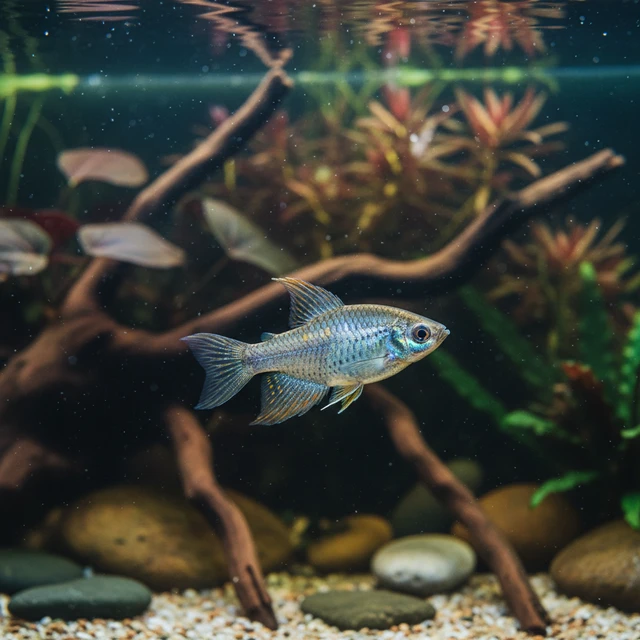
What Butterfly Goodeid look like
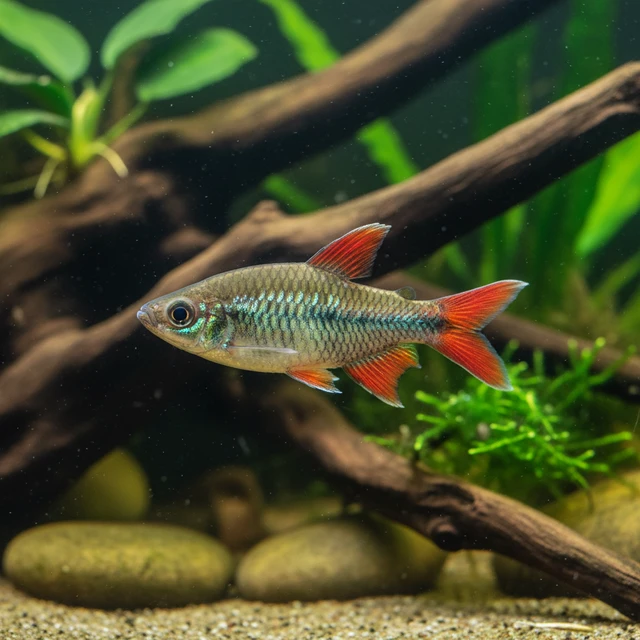
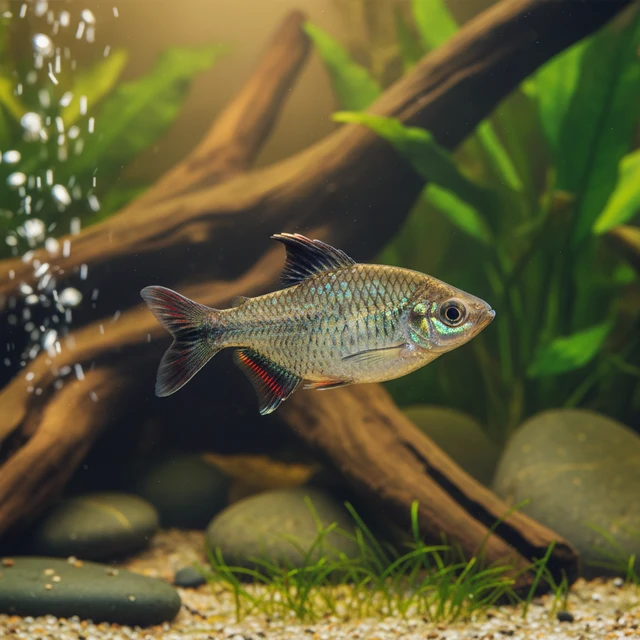
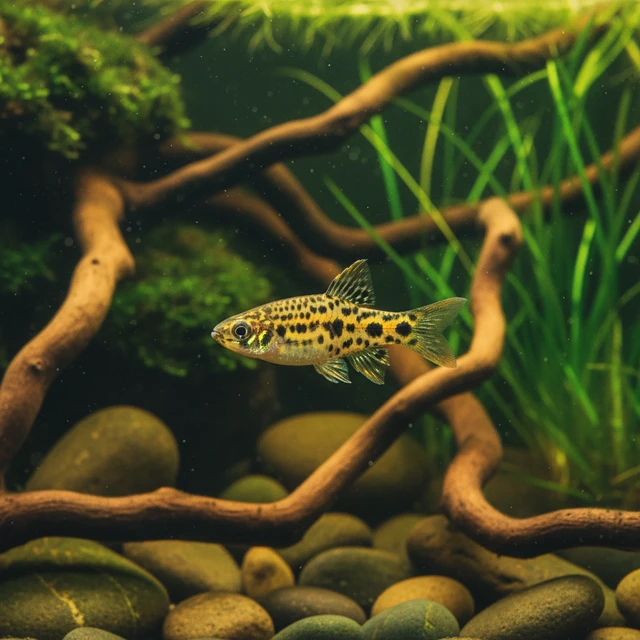
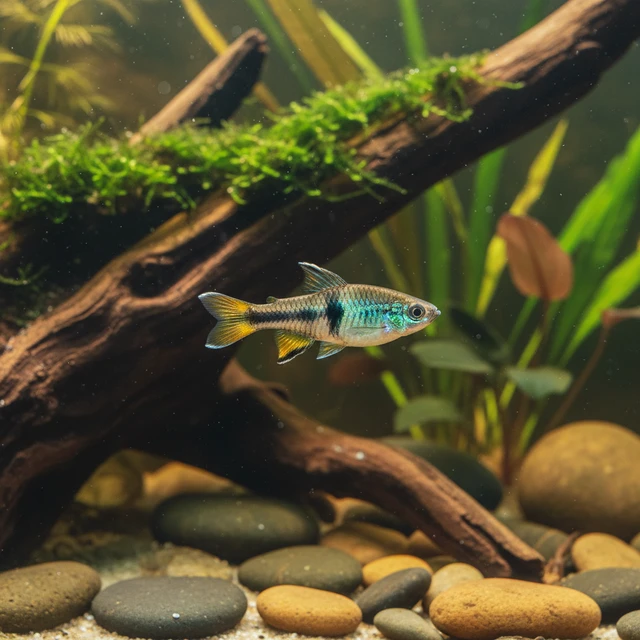
Ameca splendens, commonly known as the Butterfly Goodeid, exhibits a robust and stocky body form, characterized by its laterally compressed shape. Adult specimens can reach a maximum size of approximately 10-25 cm. Sexual dimorphism is pronounced; males display a strikingly mottled pattern of metallic scales, with a distinctive bright yellow trailing edge on the tail fin, which serves as a visual cue during courtship. Females, while less vividly colored, possess a more subdued coloration that aids in camouflage. The species has a well-developed lateral line system, which aids in detecting vibrations in the water, and features a small, but prominent adipose fin. The dentition is adapted for herbivorous feeding, with pharyngeal teeth that facilitate the processing of plant material. Defensive adaptations include a stout body that may deter predation and a tendency to inhabit dense aquatic vegetation for cover.
Behavior & temperament
The Butterfly Goodeid is primarily a benthic species, often found in shallow waters with abundant vegetation where it can seek refuge. It exhibits a social structure that is somewhat hierarchical, with males displaying territorial behavior during breeding seasons. These fish are not obligate schoolers but can be observed in small groups, particularly during foraging. Breeding behavior involves egg scattering, where females release eggs among the vegetation, providing some protection from predation. The temperament of Ameca splendens is generally peaceful, although males may exhibit aggressive displays towards one another during the breeding season.
Diet & feeding
In the wild, Ameca splendens primarily feeds on a diet of algae, detritus, and plant matter, reflecting its herbivorous nature. In captivity, it requires a diet rich in spirulina and other plant-based foods to thrive, supplemented with occasional protein sources such as daphnia or brine shrimp to ensure balanced nutrition.
Behind the name
Ameca (from the Nahuatl word for 'river') and splendens (Latin for 'shining' or 'brilliant').
Plan your tank
Check the numbers before you buy: tank volume, a stocking plan, cycle progress, water changes, and your ongoing care routine.
Keep reading

Choose compatible fish: school sizes, swimming zones, aggression, temperature and hardness matching, and honest bioload math for a peaceful community.
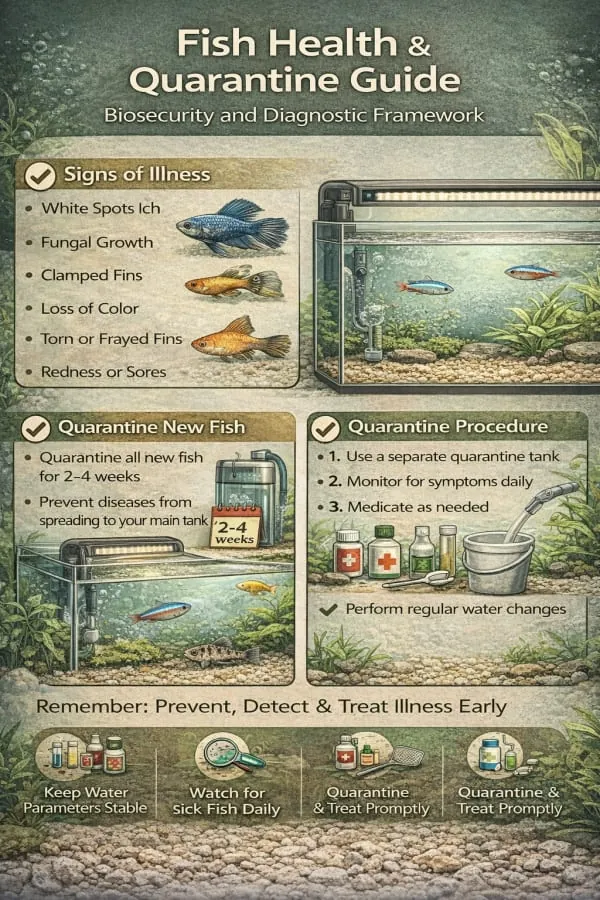
Quarantine new fish, spot the early warning signs, and treat disease without wrecking your tank. A practical freshwater fish health guide.

Acclimate new fish, shrimp, and coral safely: temperature floating, drip acclimation, plop-and-drop for shipped livestock, and the first 24 hours.
Keeping Butterfly Goodeid?
AquaLens identifies your fish and plants from a photo, tracks water chemistry, and flags health issues early — free on iOS and Android.