Cerith Snail Care Guide
Cerithium litteratum · Saltwater Snail
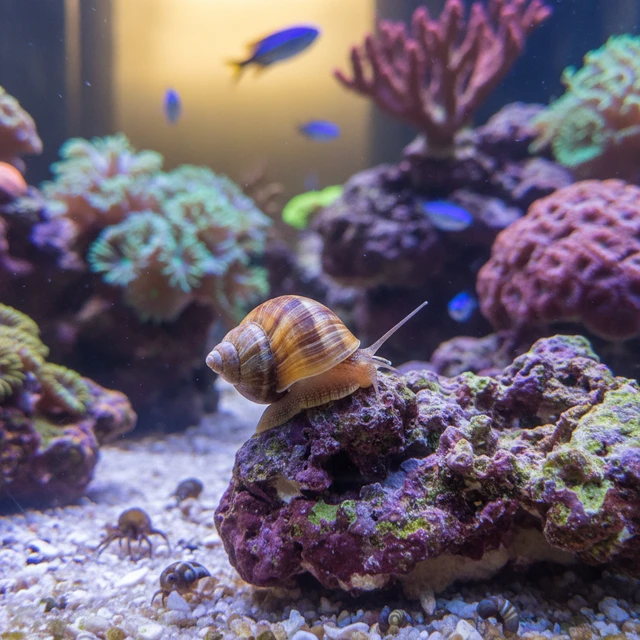
What Cerith Snail look like
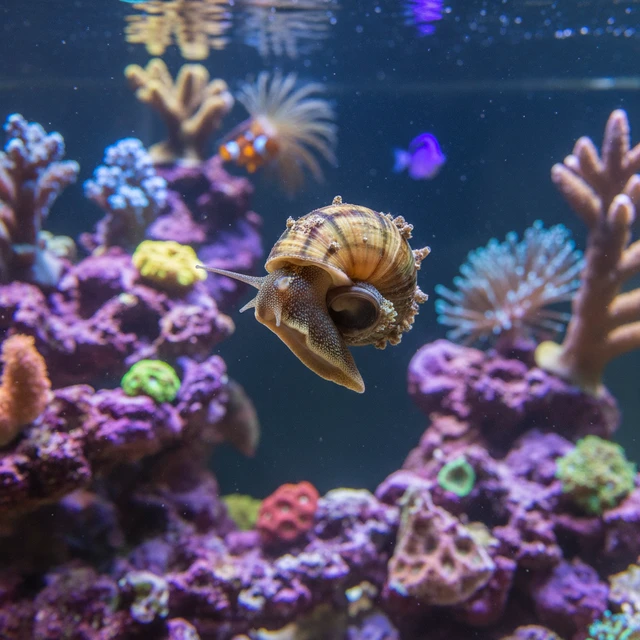
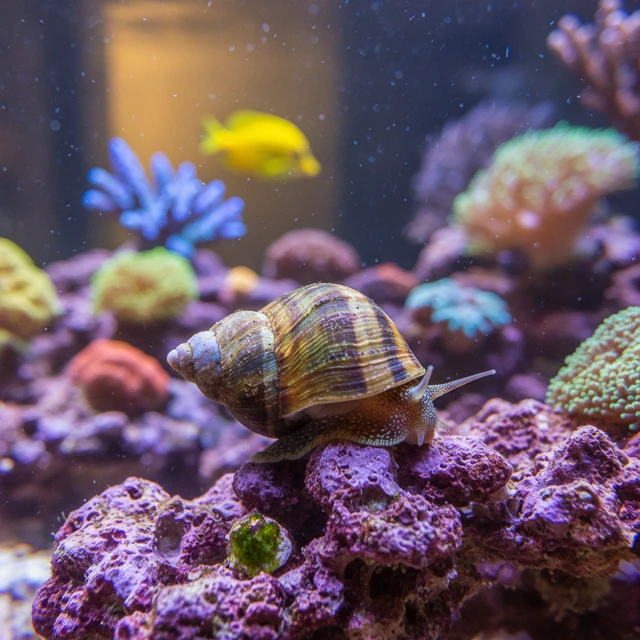
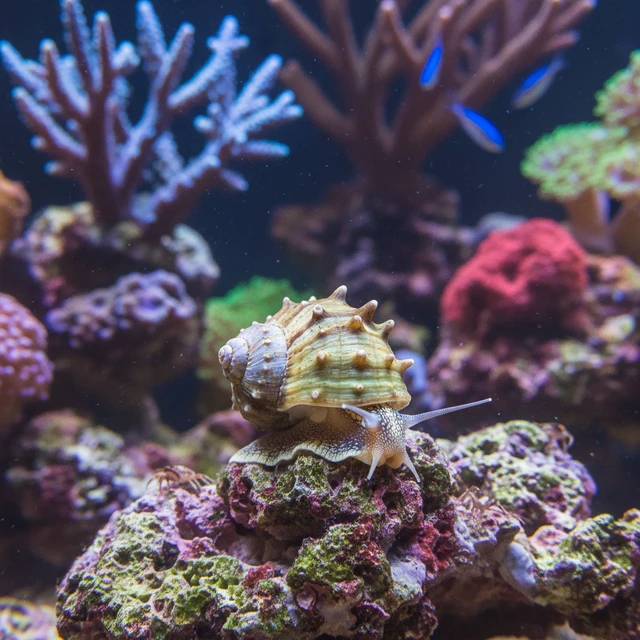
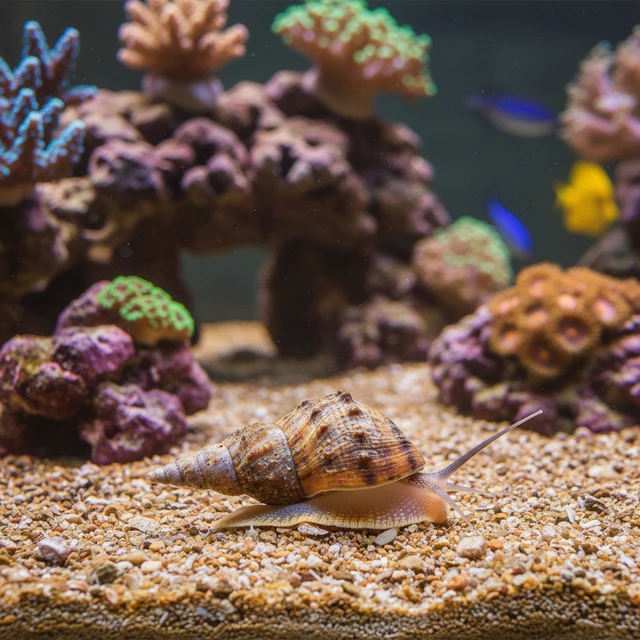
Cerithium litteratum, commonly known as the Cerith Snail, exhibits a distinctive elongated, conical shell that can reach a maximum adult size of approximately 5 cm in length. The shell is characterized by its spiral whorls, which are adorned with fine, axial ribs and a glossy, smooth surface that ranges in color from yellowish-brown to olive-green, often featuring darker spiral bands. The aperture of the shell is elongated and narrow, allowing for a reduced profile that aids in burrowing. Sexual dimorphism is minimal, though females may exhibit slightly larger shells. As a defensive adaptation, the Cerith Snail can retract into its shell, which is relatively robust compared to other gastropods, providing protection from predators. Unique morphological features include a well-developed operculum that seals the shell opening when the snail is retracted, and a long, slender siphon that aids in respiration and feeding.
Behavior & temperament
Cerith Snails are primarily benthic grazers, exhibiting a slow-moving lifestyle as they forage for detritus, algae, and biofilm on the substrate. They are generally solitary but can be found in small groups in suitable habitats. Their feeding behavior involves extending their long proboscis to scrape food particles from surfaces, while their movement is characterized by a gliding motion facilitated by a muscular foot. Cerith Snails are not aggressive and display a peaceful temperament, making them compatible with a variety of tank mates. They possess a low stinging potential, as they lack nematocysts, relying instead on their ability to retreat into their shells for defense.
Diet & feeding
Cerithium litteratum is an omnivorous grazer, primarily feeding on detritus, algae, and biofilm in its natural habitat. In captivity, they thrive on a diet of high-quality algae wafers, spirulina, and blanched vegetables.
Behind the name
The genus name 'Cerithium' is derived from the Greek word 'kerithos', meaning 'a type of shell', while the species name 'litteratum' comes from the Latin 'littera', meaning 'letter', likely referring to the markings on the shell.
Plan your tank
Check the numbers before you buy: tank volume, salinity, salt mix, water changes, and your ongoing care routine. Keeping reef? Start from the Saltwater & Reef hub.
Keep reading
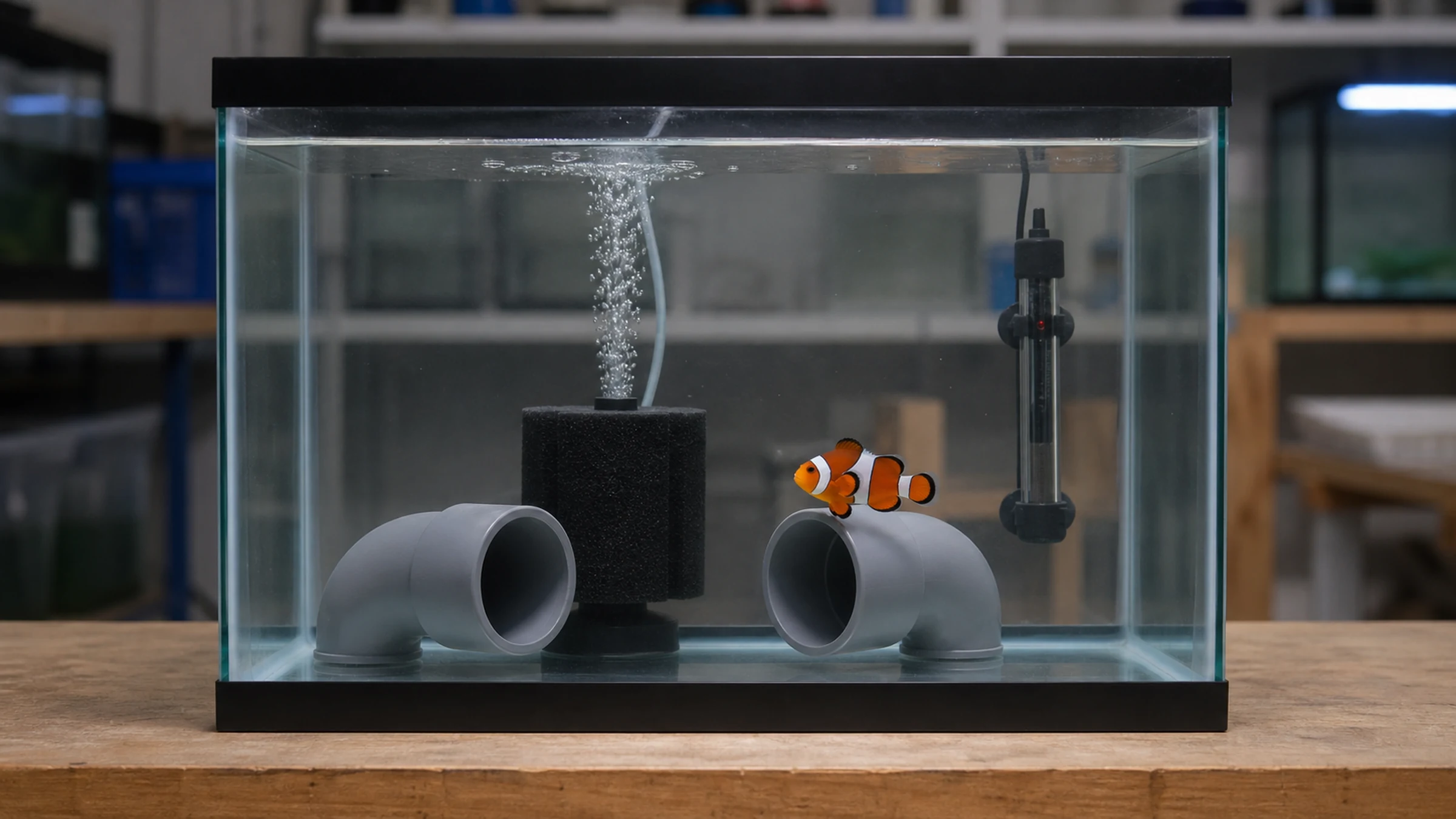
How to quarantine new saltwater fish against marine ich, velvet, and brooklynella: the QT tank, treatments, timelines, and the buy-clean shortcut.

What every reef parameter means and where to keep it: salinity, temperature, pH, alkalinity, calcium, magnesium, nitrate, and phosphate.

Choose compatible fish: school sizes, swimming zones, aggression, temperature and hardness matching, and honest bioload math for a peaceful community.
Keeping Cerith Snail?
AquaLens identifies your fish and plants from a photo, tracks water chemistry, and flags health issues early — free on iOS and Android.