Nassarius Snail Care Guide
Nassarius vibex · Saltwater Snail
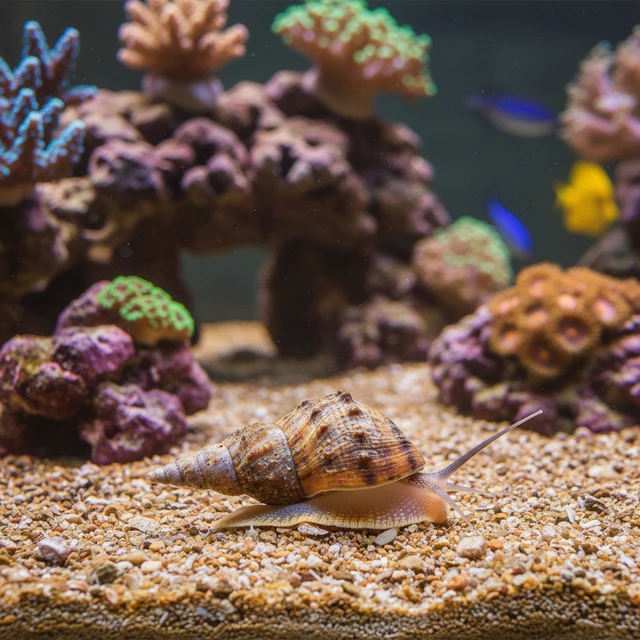
What Nassarius Snail look like
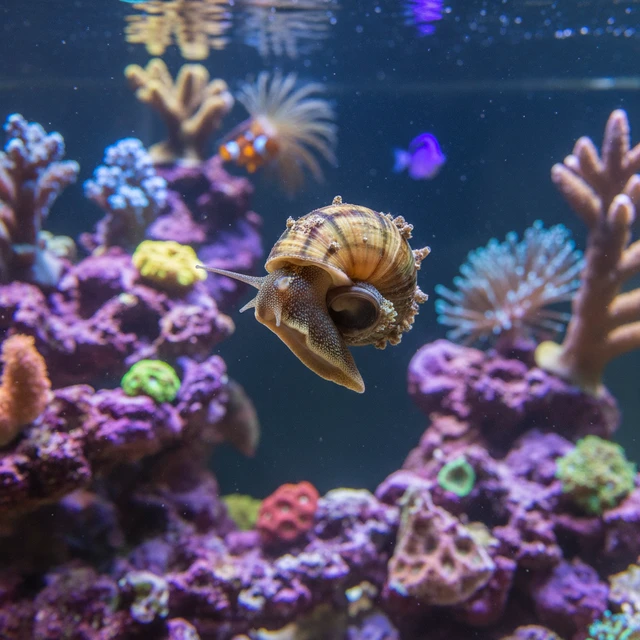
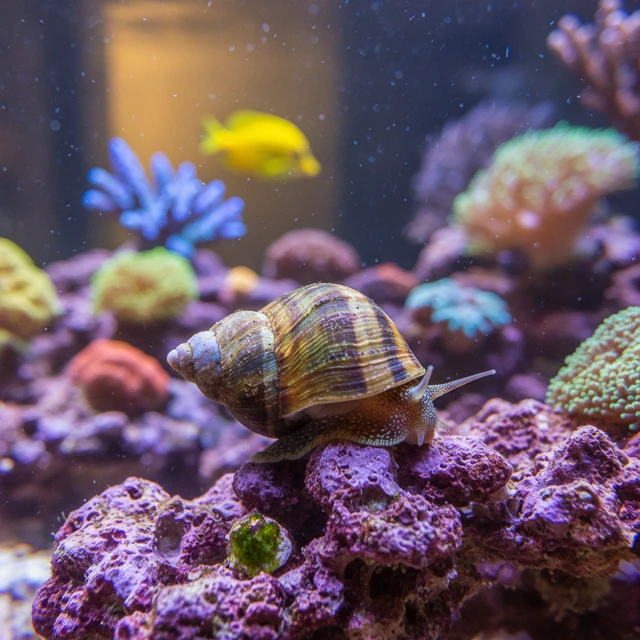
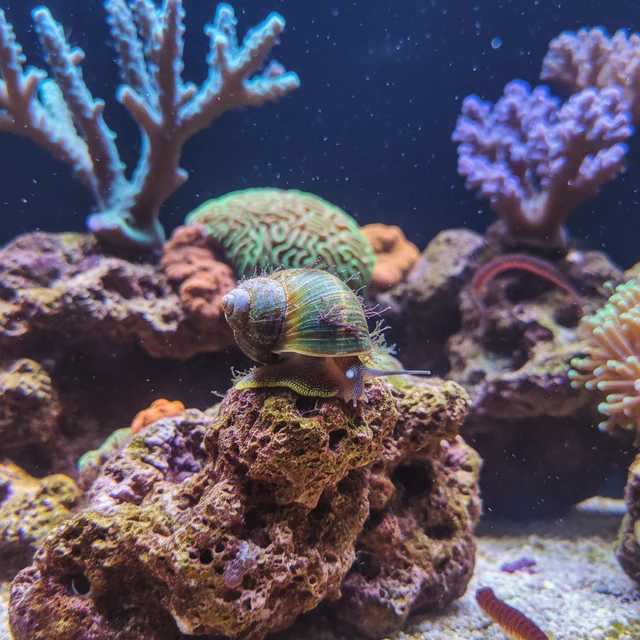
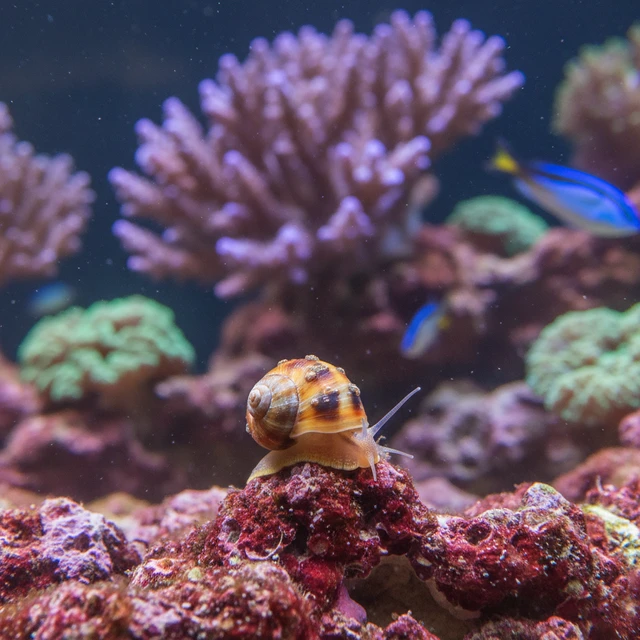
Nassarius vibex, commonly known as the Nassarius snail, exhibits a distinctive elongated, conical shell that can reach a maximum adult size of approximately 2.5 cm (1 inch) in length. The shell is characterized by its smooth texture and a glossy appearance, typically displaying a coloration that ranges from pale yellow to light brown, often with subtle darker spiral bands. The aperture of the shell is elongated, allowing for the efficient extraction of the soft body during feeding. Sexual dimorphism is minimal in this species, with males and females being visually indistinguishable. As a defensive adaptation, the Nassarius snail can retract into its shell when threatened, utilizing its operculum to seal the opening. Unique morphological features include a well-developed siphon that extends from the shell, enabling the snail to breathe while buried in substrate, and a foot that is adapted for burrowing into sandy substrates.
Behavior & temperament
Nassarius vibex is primarily a scavenger, displaying a behavior of burrowing into the substrate to search for detritus and decomposing organic matter. These snails are often found in groups, indicating a social structure where they may exhibit a loose hierarchy based on size and access to food resources. They are predominantly benthic dwellers, spending most of their time on or just beneath the substrate surface. During feeding, they extend their siphon to the surface to detect food particles, and they can quickly emerge from the substrate when food is present. Their temperament is generally peaceful, posing no threat to other tank inhabitants, but they can exhibit competitive behaviors when food is introduced.
Diet & feeding
Nassarius vibex is primarily a scavenger, feeding on detritus, decaying organic matter, and leftover food in the marine environment. In captivity, they thrive on a diet that includes high-quality sinking pellets, frozen foods, and a variety of detritus.
Behind the name
The genus name 'Nassarius' is derived from the Latin word 'nassus', meaning 'nose', referring to the prominent siphon, while the species name 'vibex' is derived from the Latin word 'vibex', meaning 'to vibrate', possibly referring to the movement of the snail as it burrows.
Plan your tank
Check the numbers before you buy: tank volume, salinity, salt mix, water changes, and your ongoing care routine. Keeping reef? Start from the Saltwater & Reef hub.
Keep reading
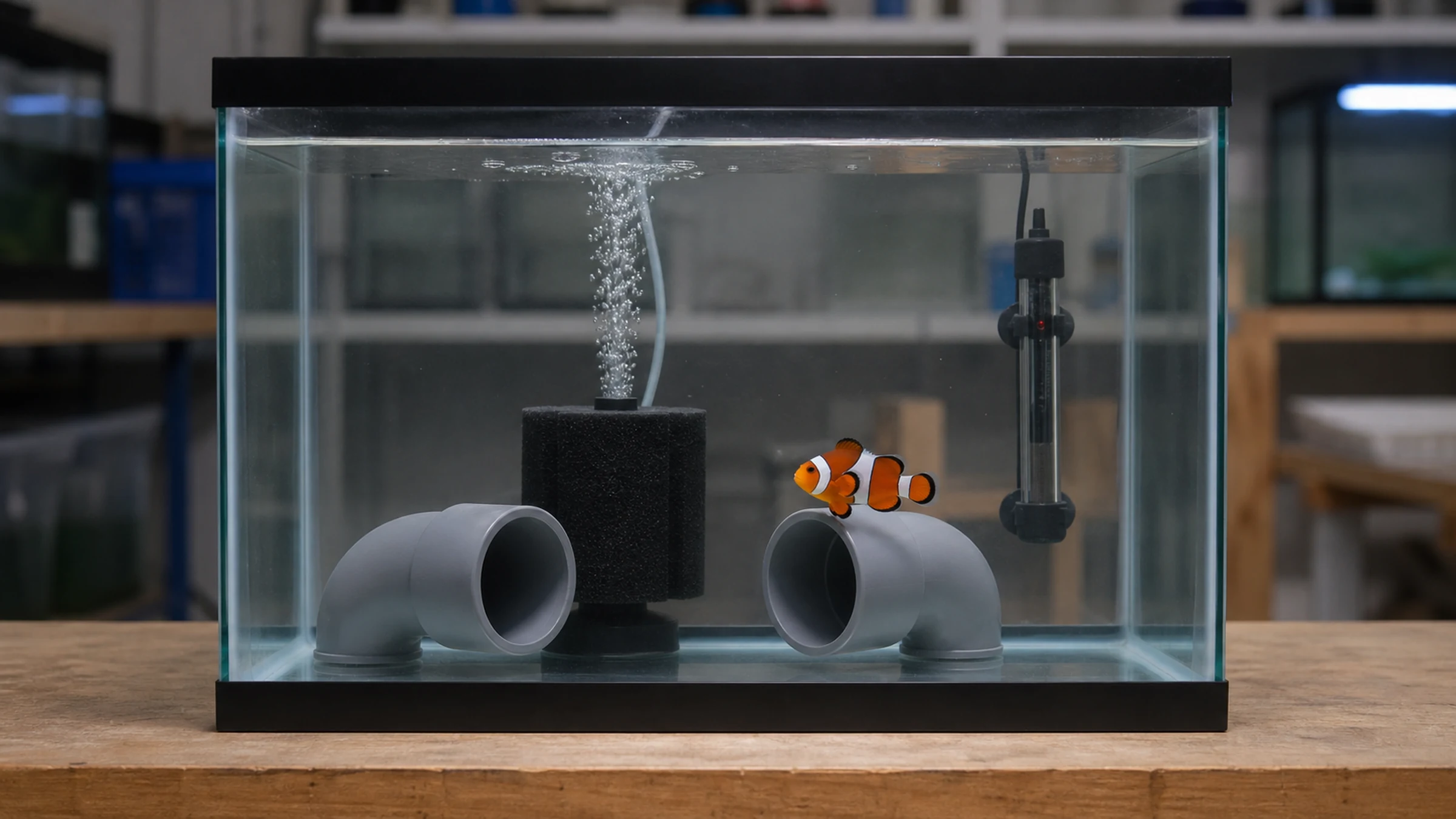
How to quarantine new saltwater fish against marine ich, velvet, and brooklynella: the QT tank, treatments, timelines, and the buy-clean shortcut.
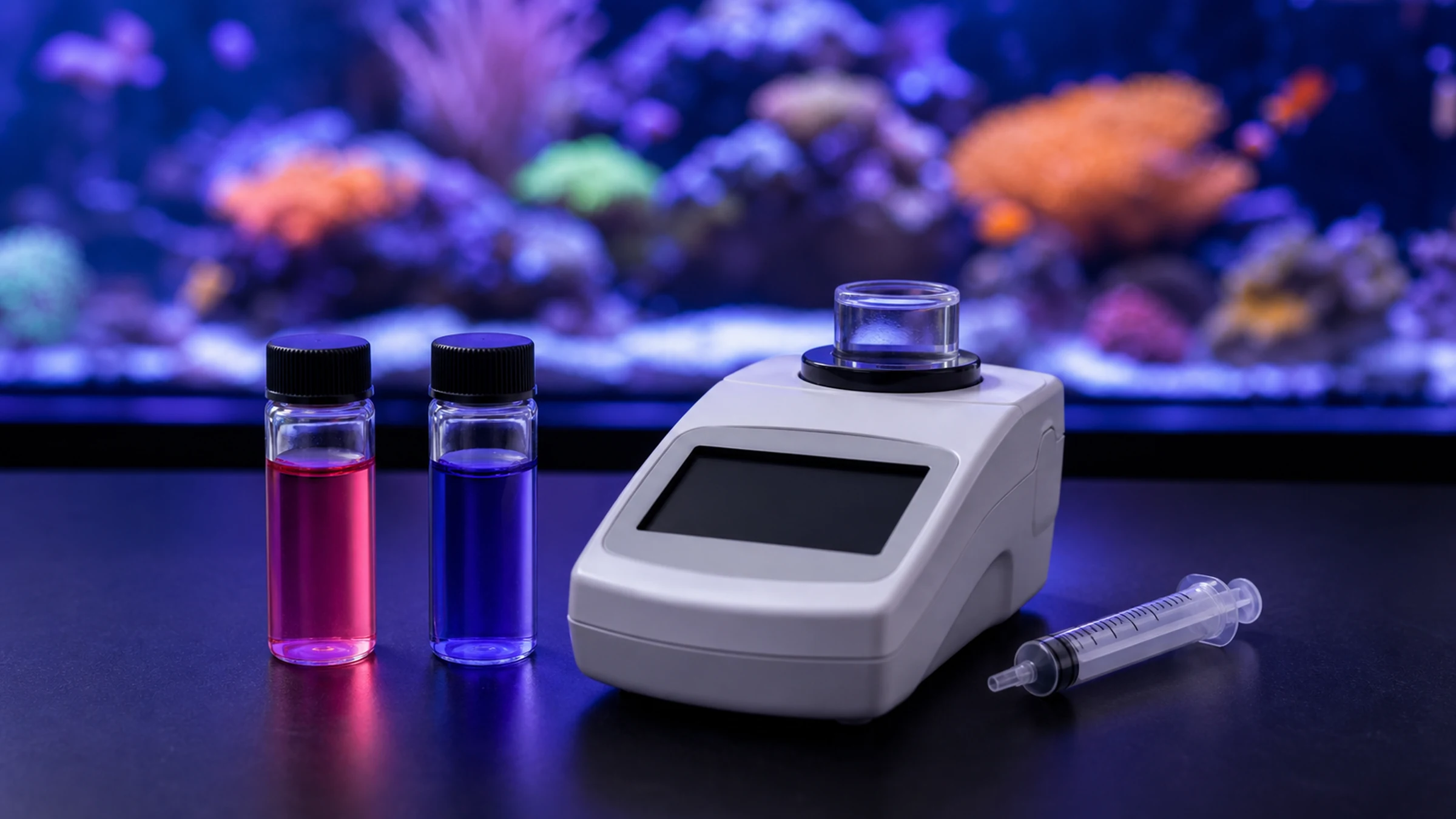
What every reef parameter means and where to keep it: salinity, temperature, pH, alkalinity, calcium, magnesium, nitrate, and phosphate.

Choose compatible fish: school sizes, swimming zones, aggression, temperature and hardness matching, and honest bioload math for a peaceful community.
Keeping Nassarius Snail?
AquaLens identifies your fish and plants from a photo, tracks water chemistry, and flags health issues early — free on iOS and Android.