
Marine Quarantine: Beating Ich and Velvet
How to quarantine new saltwater fish against marine ich, velvet, and brooklynella: the QT tank, treatments, timelines, and the buy-clean shortcut.
On this page
This is the guide most likely to save you money and heartbreak, and the one most often skipped. Marine fish arrive carrying parasites far more often than freshwater fish do, and the two worst, marine ich and velvet, can turn a thriving display into an empty tank in a matter of days. Quarantine is the habit that stops that from happening. It is not glamorous and it asks for patience, but nothing else protects a saltwater tank as reliably.
A note first: the treatments below involve medications that must be dosed and measured carefully. This guide is a general starting point, not a substitute for the specific instructions on each product or the advice of an experienced aquatic vet. When a fish is sick, act, but act on measured doses and observation, not guesswork.
Why marine disease is different
In a reef or fish-only tank you cannot easily medicate the display: copper is lethal to corals and invertebrates, and many treatments wreck biological filtration. That means once a fast-moving parasite is loose among your fish, your options are grim: usually removing every fish for weeks so the parasite starves out of the empty display. Preventing that is enormously easier than curing it, and prevention is what a quarantine tank buys you.
The diseases you are guarding against
- Marine ich (Cryptocaryon irritans). Distinct white spots like grains of salt, scratching against rocks ("flashing"), and increased breathing. It progresses over days to weeks, so an alert keeper often catches and treats it in time.
- Marine velvet (Amyloodinium). The killer. A fine dusty or velvety sheen, rapid labored breathing, flashing, and lethargy, and it can kill an entire tank within 24–48 hours. Treat any sudden heavy breathing in new fish as a velvet emergency.
- Brooklynella ("clownfish disease"). Excess slime, skin sloughing, and rapid decline, most common in newly imported clownfish. It needs its own treatment (typically formalin), not copper.
- Flukes and Uronema. Other parasites that a quarantine period lets you spot and address before they reach the display.
The quarantine tank
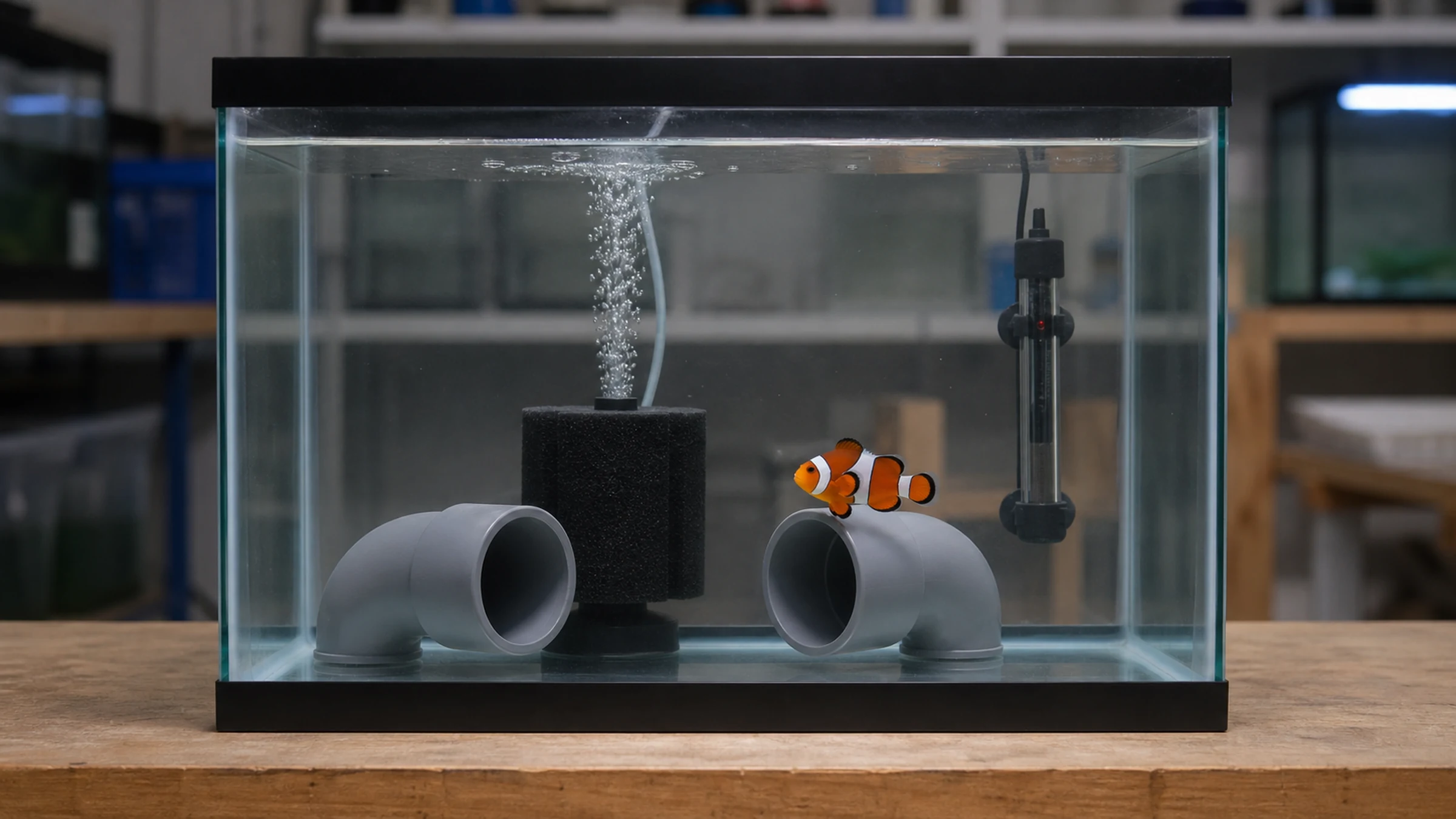
It does not need to be fancy. That is the point. A bare-bottom 10–40 gallon tank with:
- A sponge filter or hang-on filter with established biomedia (seed it from your display in advance so it can handle waste).
- A heater set to your display temperature, and a lid: stressed new fish jump.
- Some PVC fittings for shelter; no sand or rock, which absorb medication and hide detritus.
- A liquid ammonia test kit, because a small bare tank cycles slowly and you may need to manage ammonia with water changes during treatment.
A workable quarantine routine
- Acclimate and observe. Temperature-acclimate the new fish and move it into quarantine. Watch closely for the first few days: breathing rate, appetite, spots, and behavior.
- Decide on prophylaxis or observation. Some keepers observe for the full period and only treat if disease appears; others treat prophylactically for the common parasites. Both are defensible; prophylactic copper or the tank transfer method greatly reduce the odds of importing ich and velvet.
- Treat the specific disease. For ich and velvet, that is usually copper dosed to a therapeutic level and held there for the full course (measured with a copper test kit, because both too little and too much are dangerous) or the medication-free tank transfer method for ich. Brooklynella needs formalin. Match the treatment to the disease.
- Run the full period. Keep the fish in quarantine for four to six weeks, eating well and symptom-free, before it graduates to the display. This is the step people cut short, and cutting it short is how disease gets in anyway.
- Manage water quality throughout. Test ammonia, do water changes as needed, and keep the fish eating: a well-fed, unstressed fish fights disease far better.
The easier path: buy clean fish
Quarantine is work, and there is a legitimate shortcut for those who would rather not run a hospital tank: buy fish that are already quarantined or captive-bred. A handful of vendors sell fish that have completed a full medicated quarantine, and captive-bred fish arrive pest-free, hardier, and already eating prepared food. Neither is a total guarantee, but both dramatically cut your risk. The where-to-buy corals and marine fish guide points to who does this well.
The one rule to remember
Whatever method you choose, the principle is the same: nothing wet goes straight into your display. Every new fish spends its first weeks somewhere it cannot infect the tank you have invested in: either your quarantine tank or the vendor's. Keepers who hold that line rarely lose a tank to disease. Keepers who "just this once" add a fish straight to the display are the ones writing the cautionary posts. Log arrival dates and symptoms so you can see a problem developing rather than discovering it too late.
Frequently Asked Questions
Do I really need to quarantine saltwater fish?
If you value your fish, yes. Marine ich and especially velvet can wipe out an entire display in days, and once a disease is in your main tank it is extremely hard to remove without pulling every fish. A separate quarantine tank lets you observe and treat new arrivals before they can infect anything you already own. The alternative (buying already-quarantined or captive-bred fish) is the only real substitute.
How long should I quarantine a new marine fish?
Plan on four to six weeks. That covers the life cycles of the common parasites and gives the fish time to settle, start eating, and show any hidden problems. Cutting it short is the usual reason a disease slips into the display despite a quarantine effort.
What is the difference between marine ich and velvet?
Marine ich (Cryptocaryon) shows as distinct white salt-grain spots and progresses over days to weeks, so it is often survivable if caught early. Velvet (Amyloodinium) is far more dangerous: a fine dusty film, heavy rapid breathing, and flashing, and it can kill a whole tank within a couple of days. Any rapid gilling in a new fish should be treated as a velvet emergency.
Can I quarantine fish without copper?
Yes. The tank transfer method moves fish between clean tanks on a schedule that outruns the ich parasite's life cycle without medication, and it is effective for ich specifically. Copper (dosed and measured carefully to a therapeutic level) covers a broader range of parasites. The right choice depends on the disease you are treating and how comfortable you are dosing and testing medication.
Do corals and invertebrates need quarantine too?
They need a different kind. Corals do not carry fish diseases, but they can bring pests and hitchhikers, so they get dipped and inspected, and ideally observed in a separate tank, rather than medicated. Never expose invertebrates or corals to copper; it is lethal to them. The coral placement guide covers coral dipping in detail.
Track quarantine timelines and symptoms
AquaLens gives every fish a log (arrival date, treatment, appetite, and the photos you take along the way) so you can run a full quarantine on schedule and spot trouble early instead of late.
Keep reading
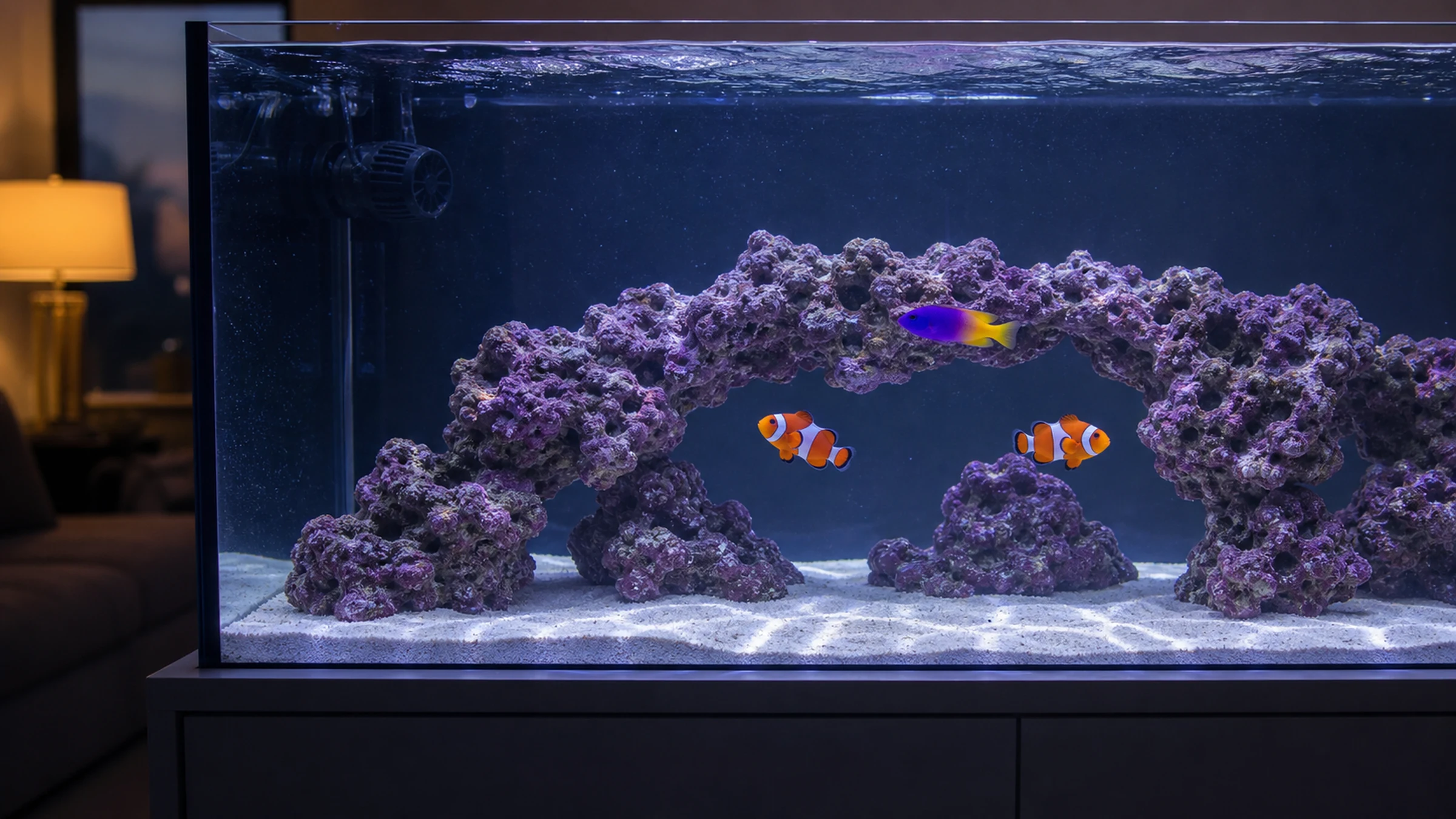
The honest trade-offs between a fish-only (FOWLR) saltwater tank and a full reef: cost, difficulty, equipment, and the order to buy things in.
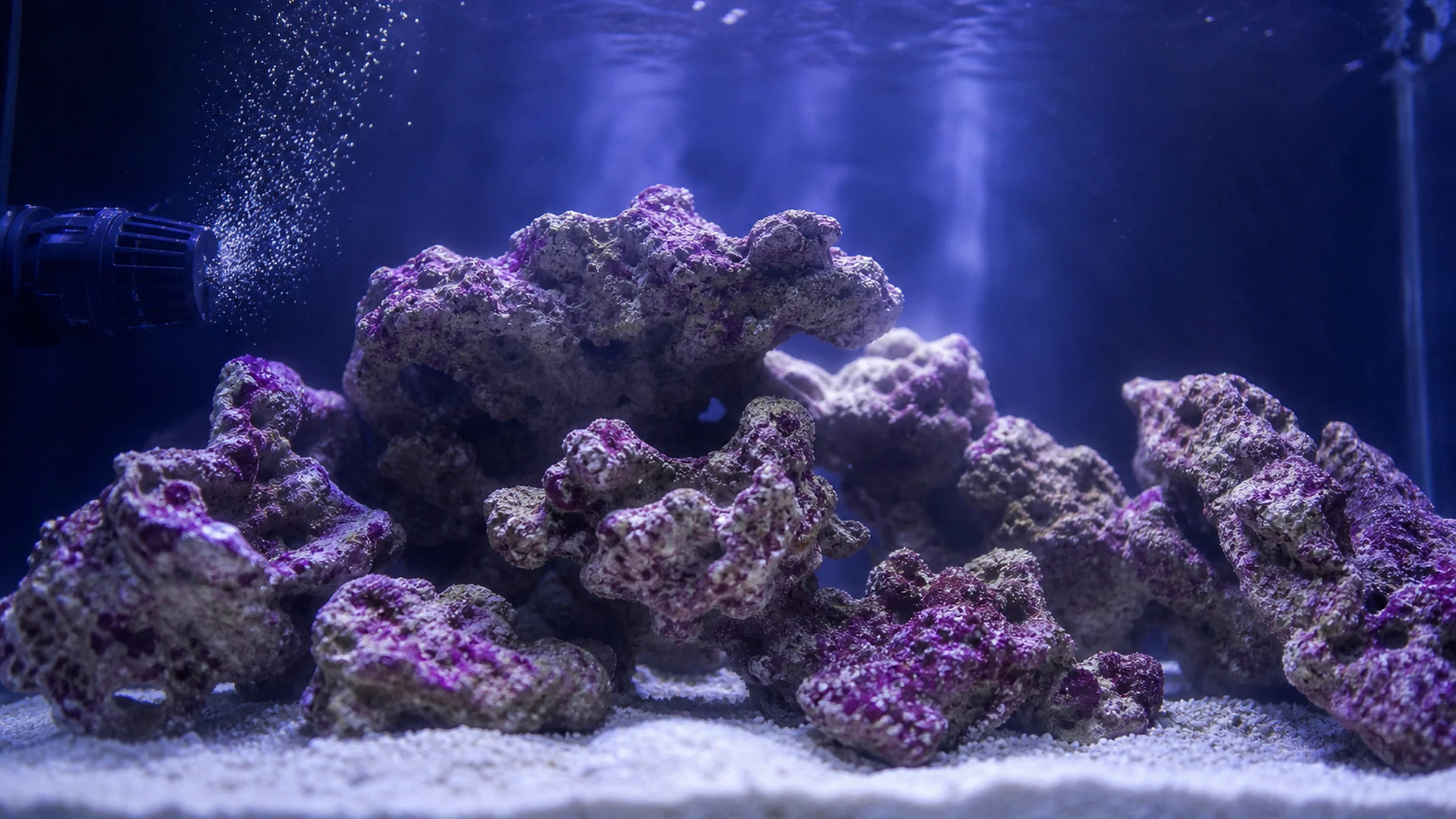
How to cycle a saltwater or reef tank with live rock: the nitrogen cycle, an ammonia source, what to test, and how to know it's safe to add your first fish.
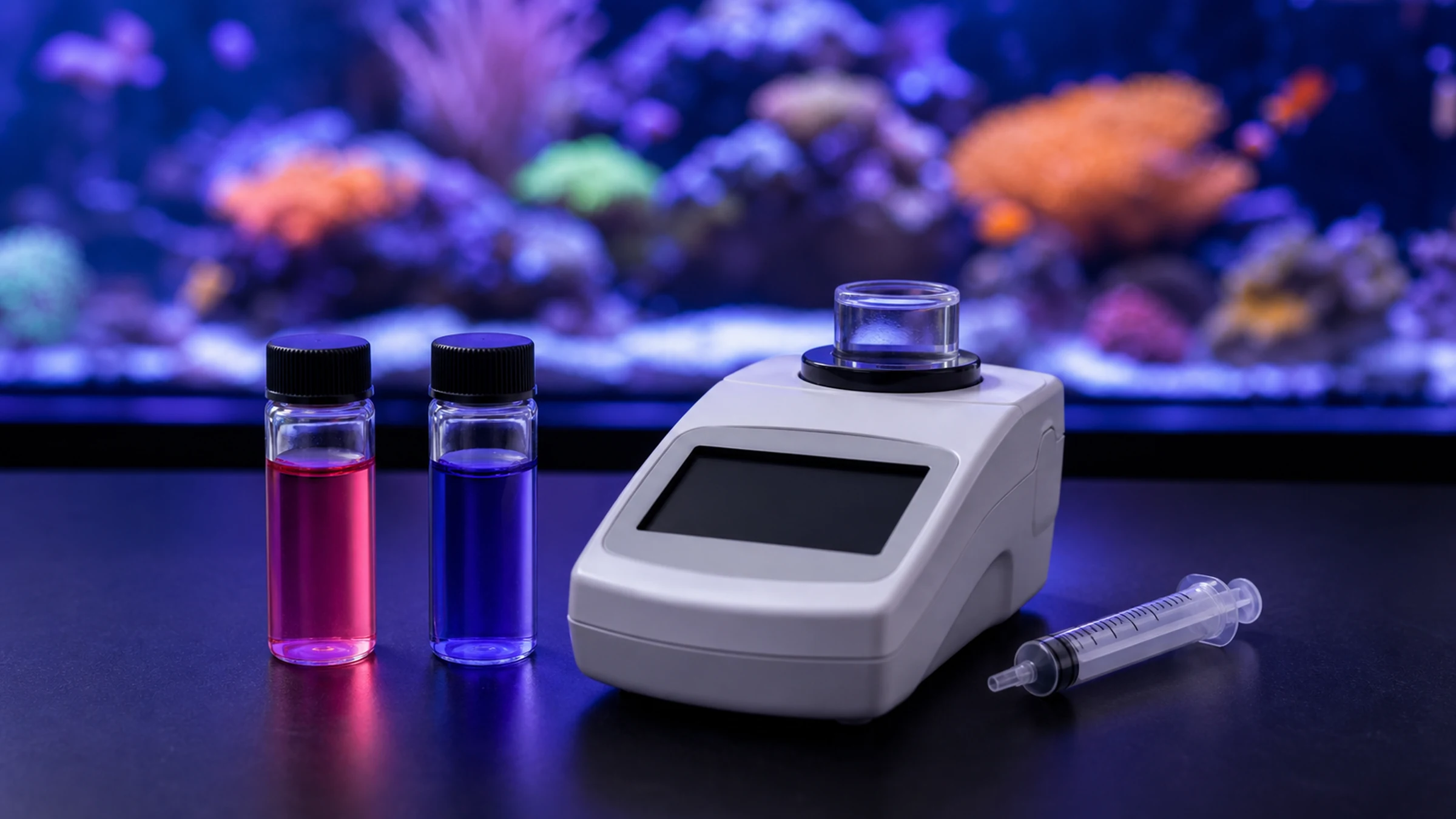
What every reef parameter means and where to keep it: salinity, temperature, pH, alkalinity, calcium, magnesium, nitrate, and phosphate.