
Where to Buy Corals & Marine Fish: The Complete Buyer's Guide
Compare reputable online coral and marine fish vendors, captive-bred vs wild, dipping and quarantine, live-arrival guarantees, and 2026 price ranges.
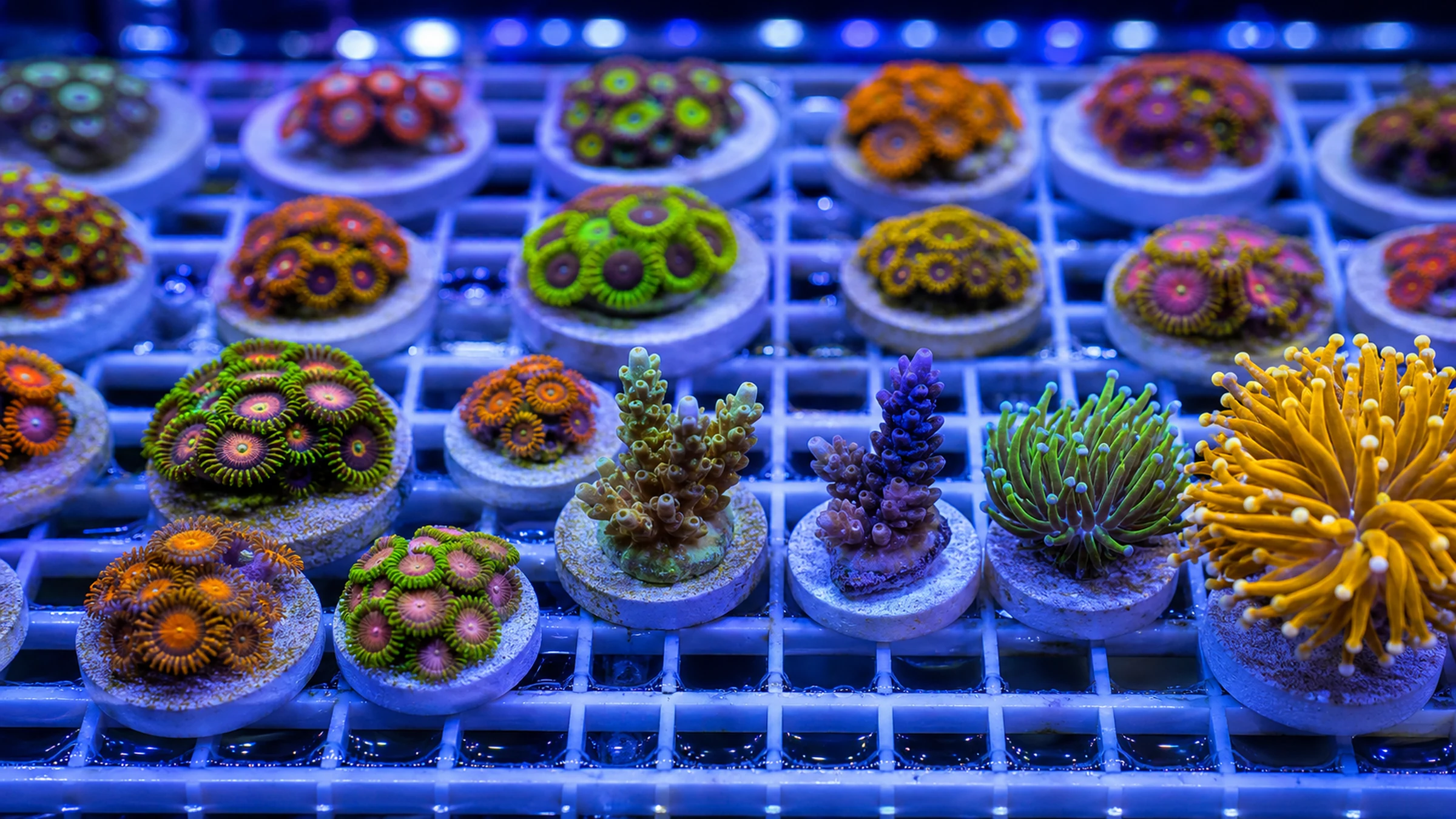
On this page
Quick recommendations
If you want the shortlist, start here. These are the vendors the reef community consistently rates, grouped by what they're known for. Prices are rough U.S. ranges checked in July 2026, before shipping. I'll be straight about one thing up front: unlike my aquarium plant buying guide, these picks are based on the reef hobby's collective reputation and each vendor's published policies rather than a shelf of my own orders. Corals and marine fish are expensive and shipping-sensitive, so I'd rather point you to who the community trusts than pretend to personal history I don't have.
| Company | Best for | Typical positioning |
|---|---|---|
| World Wide Corals (WWC) | The big, dependable all-rounder; aquacultured and named corals | Mid to premium; an "Outlet" section for value |
| Tidal Gardens | Rare and exotic corals, plus genuinely useful education | Mid to premium; strong live-arrival guarantee |
| Top Shelf Aquatics (TSA) | Value frag packs and starting a reef affordably | Budget to mid; large aquaculture farm |
| Biota | Captive-bred marine fish that arrive hardy and eating | Premium for captive-bred, worth it for beginners |
| Dr. Reef / Marine Collectors / TSM Aquatics | Fully quarantined fish, disease-treated before they ship | Premium: you're paying for the quarantine labor |
| Local reef club & frag swaps | Cheap, tank-adapted frags you can inspect in person | The best value in the hobby if you have a club nearby |
I don't take any commission, affiliate fee, or payment from a single vendor on this page. If you run a reputable reef business and want to be considered for the directory, email me at Dave@aqualensapp.com.
Why the source matters more with saltwater
Buying a coral or a marine fish is not like buying a freshwater plant or a guppy. You are buying an expensive, shipping-sensitive animal that may be carrying something you really don't want in your display. The source decides three things that matter enormously:
- Health and hardiness. A captive-bred fish that already eats prepared food and a tank-adapted, pest-free coral frag will settle in far more reliably than a freshly-imported, stressed wild specimen.
- Disease and pests. Marine fish can carry ich, velvet, and brooklynella; corals can carry flatworms, nudibranchs, and red bugs. A single un-quarantined fish or un-dipped coral can cost you a whole tank.
- Whether anyone stands behind the order. A reputable vendor packs livestock properly, ships overnight with heat or cold packs, and honors a live-arrival guarantee. A bargain seller who doesn't is no bargain when the box arrives cooked.
None of this means new livestock is dangerous. It means it deserves the same thought (quarantine, dipping, acclimation) that you'd give any living addition. The marine quarantine guide and the coral placement guide cover that side.
Captive-bred and aquacultured vs wild-caught
This is the most important buying decision you'll make, and the hobby has moved decisively in one direction.
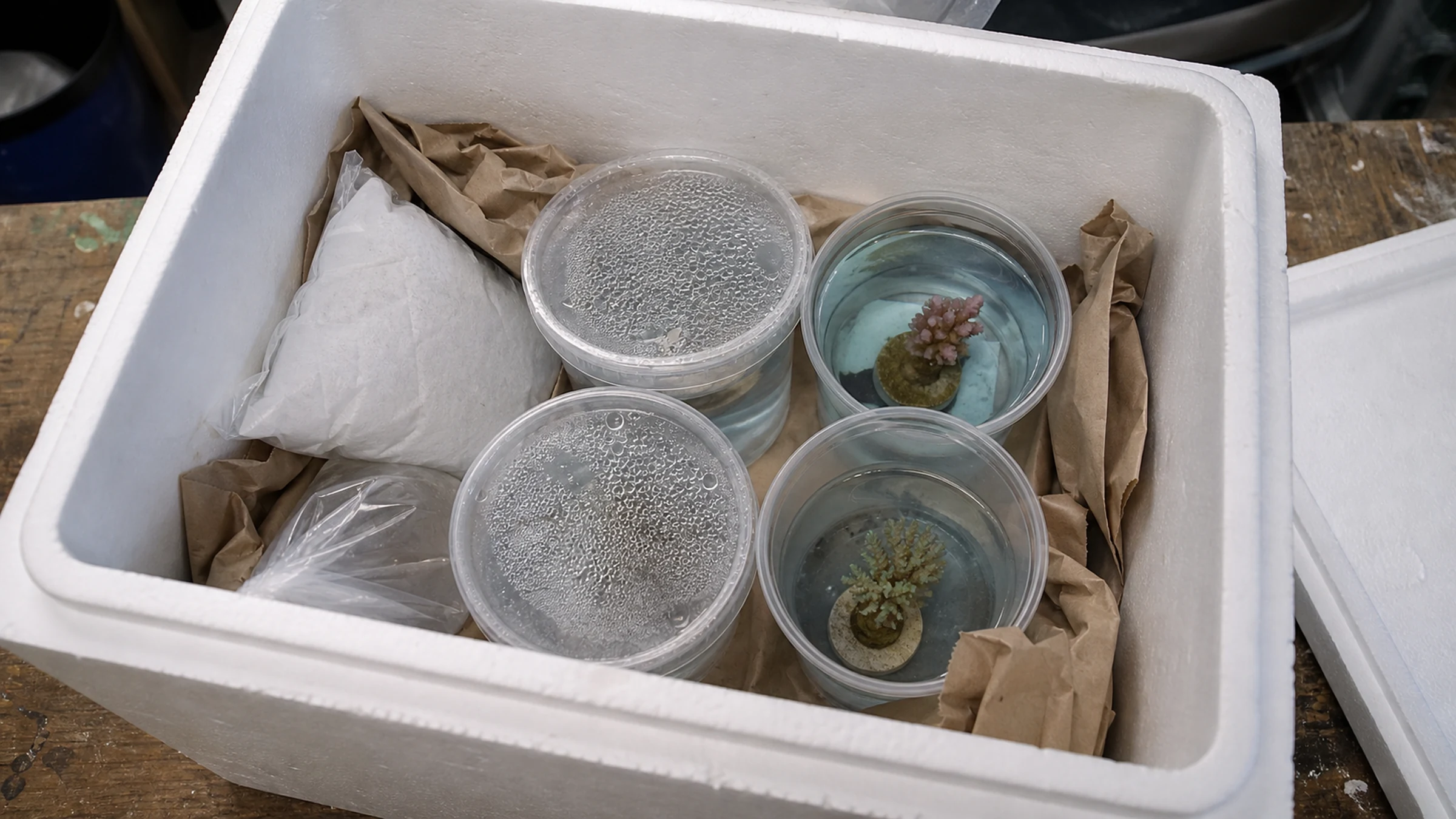
Captive-bred fish and aquacultured corals are the better choice wherever you can get them. Captive-bred fish are hardier, already eat prepared food, arrive free of the parasites that plague wild imports, and don't take anything from a wild reef. Aquacultured (tank-grown) corals are pest-treated, adapted to aquarium light and flow, and cut from mother colonies rather than chipped off a reef. You pay a little more; you get an animal far more likely to thrive, and a clearer conscience.
Availability is the only catch. Captive breeding works for clownfish, dottybacks, mandarins, many gobies, some tangs and angels, and seahorses, but plenty of species remain wild-only. On the coral side, "aquacultured" is now the norm among reputable frag vendors, so you rarely have to compromise. The aquaculture leaders worth knowing are Biota and Sustainable Aquatics (captive-bred fish), ORA (a foundational aquaculture brand whose fish and corals you'll usually buy through a retailer), and KP Aquatics (U.S. Florida-collected and maricultured livestock, a low-air-miles middle path).
Every place you can buy corals and marine fish
The type of source often tells you more than the brand. Here's the landscape.
Big online coral vendors
These are the established names with professional packing and live-arrival guarantees:
- World Wide Corals is one of the largest and best-known U.S. brands, with the full range of softies, LPS, and SPS, a lot of aquacultured stock, and a line of "named" designer corals. Two Orlando-area stores back the online shop. Its branded pieces get expensive, but its "Outlet" section is a sensible place to start.
- Tidal Gardens is a favorite for rare and exotic corals and for genuinely educational content. Its videos have taught a lot of reefers. It offers a full live-arrival guarantee (with photo requirements) and free shipping over a threshold.
- Unique Corals, Cornbred Corals, Legendary Corals, and Pacific East Aquaculture are all well-regarded aquaculture-focused vendors with strong WYSIWYG ("what you see is what you get") selections. Pacific East also carries captive-bred fish and clams.
- Battlecorals, Jason Fox Signature Corals, and Vivid Aquariums are where you go for high-end SPS and collector "named" pieces. Expect premium and collector pricing.
- Top Shelf Aquatics is a large aquaculture farm that's a genuinely good value option: frag packs and a "build your reef" approach with reasonable shipping, well-suited to starting or filling out a tank.
Marine fish and full-livestock vendors
- LiveAquaria is the broadest general source for fish, coral, and inverts, and its Diver's Den sub-brand is hand-selected premium stock. It remains a major, reputable retailer, though community sentiment has been more mixed since its ownership changed. Inspect what you receive and quarantine it like anything else.
- Saltwaterfish.com is a long-tenured large-selection retailer with an overnight live-arrival guarantee. Reviews are polarized; it's a general importer, not a quarantine specialist, so plan to quarantine.
- KP Aquatics sells Florida Keys–collected and maricultured Atlantic livestock with a reputation for healthy, hardy stock. Just note its live-arrival claim window is short and requires you to be present at delivery.
Captive-bred and quarantined specialists
This is where the disease-conscious money goes, and for good reason:
- Biota sells 100% captive-bred fish across 100+ species, many of them world-firsts. Its fish arrive pest-free, eating, and hardy: the single best way to reduce disease risk for a beginner.
- Dr. Reef's Quarantined Fish, Marine Collectors, and TSM Aquatics sell fish that have completed a full, documented medicated quarantine. You pay a premium for weeks of labor and treatment, and in return you get fish you can add to your display with far less fear, though a sensible keeper still observes them.
- ORA and Sustainable Aquatics are producers whose captive-bred fish and aquacultured corals you'll usually buy through a retailer rather than direct. An "ORA" label is a quality signal worth looking for.
Community and local sources
- Local reef clubs (many affiliated with MASNA) and frag swaps are the best value in the hobby if you have one nearby. You get cheap, tank-adapted frags from local hobbyists, the chance to inspect in person, and mentorship you can't buy. The trade-offs are pest risk from unquarantined home-tank frags and variable quality, so dip everything.
- Hobbyist marketplaces. The Reef2Reef selling forums connect you directly to hobbyist sellers with visible feedback histories, good for named and rare corals, but there's no corporate guarantee, so vet the seller and handle your own dipping and quarantine.
- Facebook reef groups offer local deals and pickups but the weakest buyer protection; verify the seller heavily.
- Local fish stores let you inspect before buying and skip shipping entirely. Pricing runs higher and quarantine practices vary. Ask a store how it handles new fish before you trust its livestock.
Buying and health best practices
The vendor is half the job; the other half is what you do when the box arrives.
For corals: always dip. No coral should enter your display without a dip and inspection. A short bath in a reef-safe pest solution such as CoralRx, a Bayer-based dip, or a gentle rinse like Two Little Fishies ReVive knocks off flatworms, red bugs, and nudibranchs. Crucially, dips kill adult pests but not their eggs. For the worst offenders (Acropora-eating flatworms, montipora-eating nudibranchs) you need a coral quarantine with repeated dips over several weeks, not a single bath.
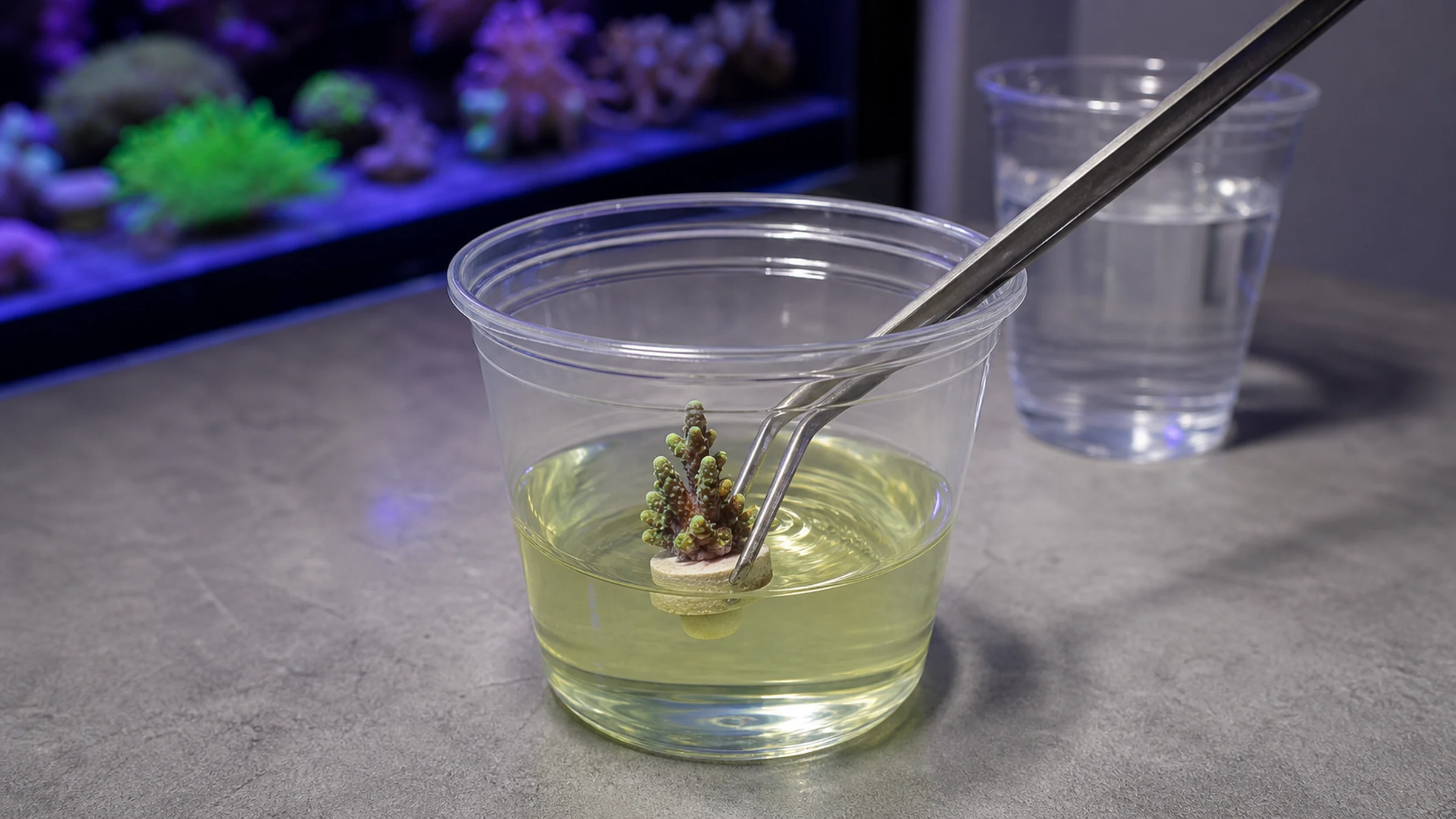
For fish: quarantine, or buy pre-quarantined. Marine ich and especially velvet can empty a display in days. Either run a quarantine tank for four to six weeks, or buy from a quarantine specialist or captive-bred source. The marine quarantine guide covers the how.
Acclimate gently. Temperature-float the sealed bag, then drip-acclimate over 20–40 minutes, and never pour shipping-bag water into your system. Corals get dipped and placed low and shaded before moving toward their final spot.
Know what healthy looks like. A healthy coral has good polyp extension, full color, no bleached or receding tissue, and no visible pests. A healthy fish eats readily, breathes calmly (rapid gilling is a velvet warning), has clear eyes and intact fins, and isn't pinched or hiding on the bottom.
Read the live-arrival fine print. Guarantees range from DOA-only within a few hours to full seven-day coverage, and most require an unopened-bag photo, a claim inside a strict window, and your presence at delivery. Reputable vendors also hold shipments during extreme weather and ship overnight with heat or cold packs, a good sign, not an inconvenience.
What it costs
Rough 2026 U.S. bands, before shipping. Rarity, color, size, and "name" move these enormously.
| Item | Typical range |
|---|---|
| Soft corals, mushrooms, common zoas | ~$10–$30 per frag |
| "Named" designer zoas & palys | ~$20–$100+ per polyp |
| Common LPS frags (hammer, torch, acan) | ~$20–$80; premium named pieces $100–$300+ |
| SPS frags (common Acropora/Montipora) | ~$25–$70; named/designer $100–$500+ |
| Coral colonies (vs frags) | often $150–$1,000+ |
| Clownfish | ~$25–$60 (captive-bred common) |
| Tangs | ~$60–$150+ |
| Wrasses | ~$30–$150 common; rare types $100–$300+ |
| Dwarf angels | ~$45–$135; large/rare angels much more |
| Livestock shipping | often ~$40–$60 flat; free over a threshold at many vendors |
Quarantined and captive-bred livestock carry a premium over raw imports, and it is, in my view, money well spent when a single disease outbreak can cost far more than the fish did.
How I'd buy my next coral or fish
If I were starting a reef tomorrow, I'd buy captive-bred fish from Biota or a quarantine specialist, aquacultured coral frags from a well-reviewed farm like Top Shelf, WWC, or a local club's frag swap, and I'd dip and quarantine everything regardless of how good the source was. The reef hobby rewards patience twice: once when you stock slowly, and again when you refuse to let anything into your display without a quarantine or a dip first. Spend a little more on clean, tank-adapted, captive-bred livestock and you'll spend far less on replacing what disease and pests would otherwise take.
Frequently Asked Questions
Where is the best place to buy corals online?
There isn't one best store for every order. World Wide Corals and Tidal Gardens are dependable all-rounders with strong reputations and live-arrival guarantees, Top Shelf Aquatics is a good value for frag packs, and the high-end SPS names like Battlecorals and Jason Fox exist for collector pieces. For value and tank-adapted frags, a local reef club or frag swap often beats any of them. The best choice depends on what you're buying, the weather, and shipping cost.
Is it safe to buy fish and corals online?
Yes, from reputable vendors who pack properly and guarantee live arrival. That's how much of the hobby buys. The risk isn't the shipping; it's disease and pests. Quarantine every fish for four to six weeks (or buy pre-quarantined or captive-bred), and dip and inspect every coral before it enters your display. Do those two things and online buying is reliable.
Are captive-bred marine fish better than wild-caught?
For most keepers, yes. Captive-bred fish are hardier, already eat prepared food, arrive free of the parasites that plague wild imports, and don't pressure wild reefs. They cost a little more and aren't available for every species, but where you can get them (clownfish, dottybacks, mandarins, many gobies), they're the more reliable choice, especially for beginners.
Do I need to quarantine fish from a good vendor?
Unless the vendor sells fully quarantined fish, yes. Even healthy-looking fish from a reputable general retailer can carry ich or velvet, and once either is in your display it's extremely hard to remove. The only fish you can reasonably skip quarantine on are those a specialist has already quarantined for you, and even then, careful keepers observe them first.
How much does it cost to stock a reef tank?
Corals range from about $10 for a common soft-coral or zoa frag to hundreds for named SPS or LPS pieces, and colonies run higher still. Marine fish commonly run $25–$60 for clownfish up to $150 or more for tangs and larger angels. Add roughly $40–$60 for overnight livestock shipping unless you hit a free-shipping threshold. Stocking slowly spreads the cost and is better for the tank anyway.
What is coral dipping and which dip should I use?
Coral dipping is a short bath in a reef-safe pest solution to remove flatworms, nudibranchs, and other hitchhikers before a coral enters your tank. Common choices are CoralRx, a Bayer-based dip, and a gentle rinse like ReVive. No single dip is right for every coral and pest, and dips don't kill pest eggs. For the worst pests you'll need a coral quarantine with repeated dips rather than one bath.
Buy clean livestock, then keep it thriving
AquaLens identifies corals and marine fish from a photo, tracks the quarantine and dip you do after a new arrival, and logs the parameters your reef needs to keep them healthy.
Keep reading
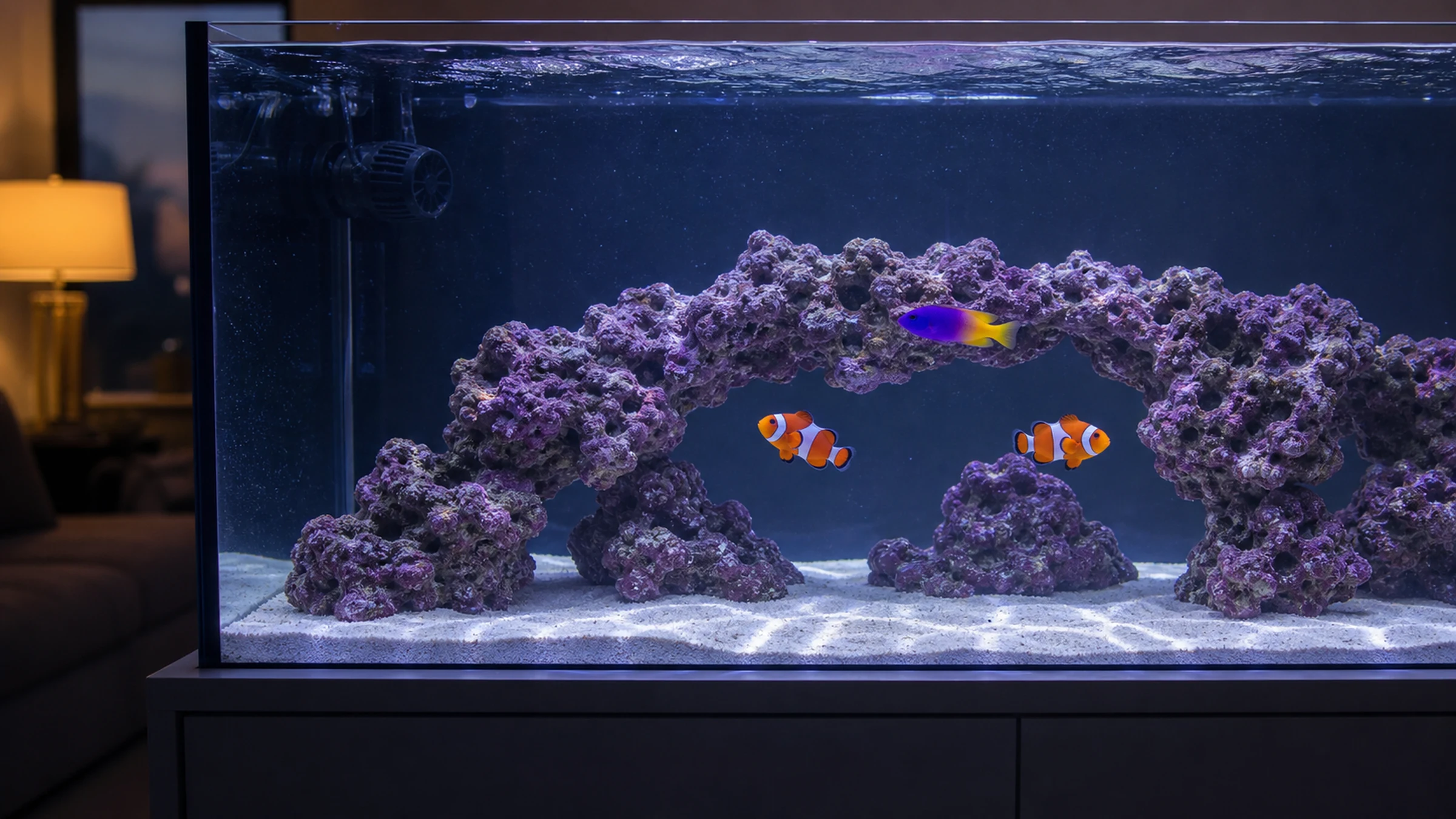
The honest trade-offs between a fish-only (FOWLR) saltwater tank and a full reef: cost, difficulty, equipment, and the order to buy things in.
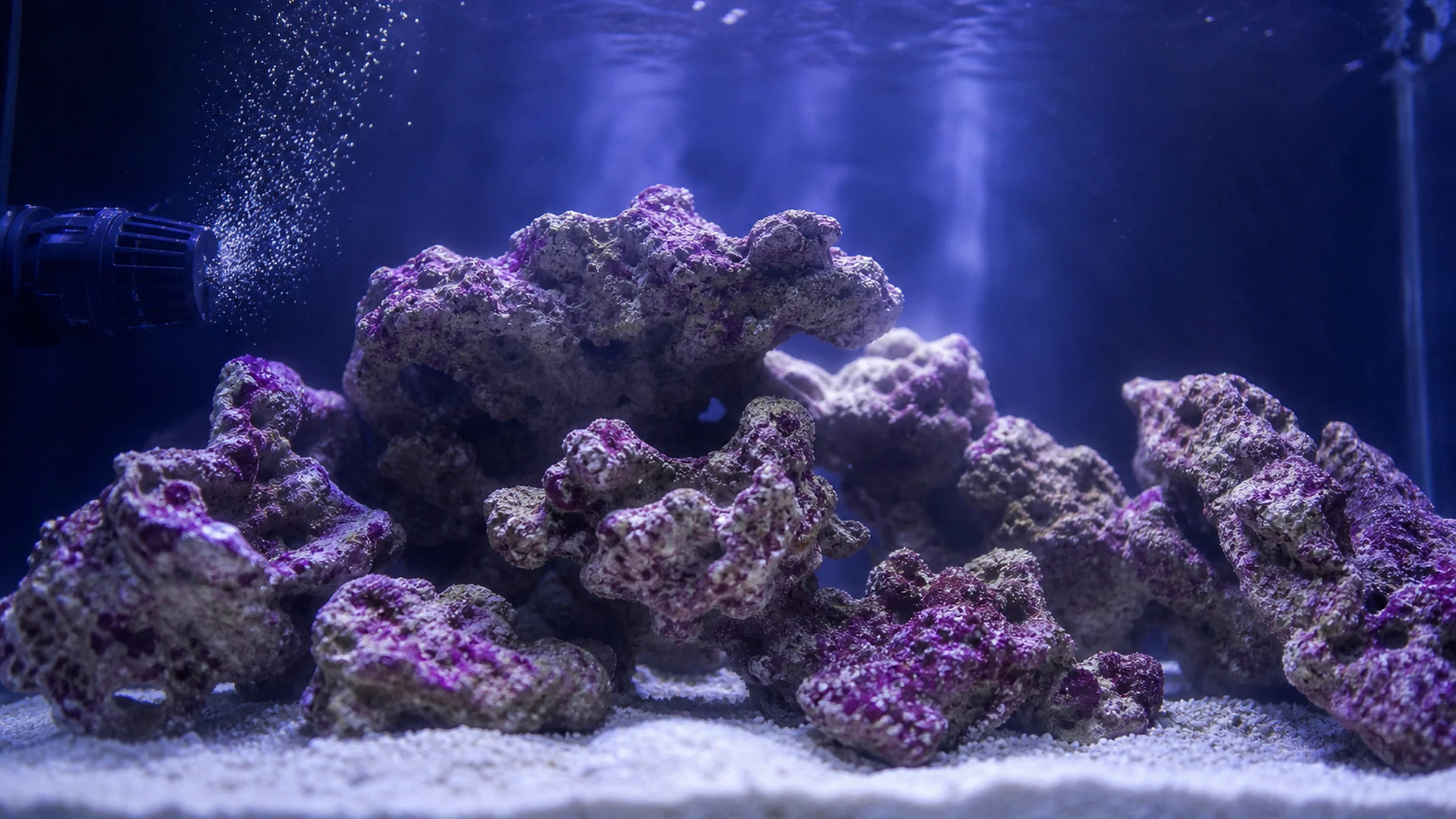
How to cycle a saltwater or reef tank with live rock: the nitrogen cycle, an ammonia source, what to test, and how to know it's safe to add your first fish.
What every reef parameter means and where to keep it: salinity, temperature, pH, alkalinity, calcium, magnesium, nitrate, and phosphate.