Trochus Snail Care Guide
Trochus niloticus · Saltwater Snail
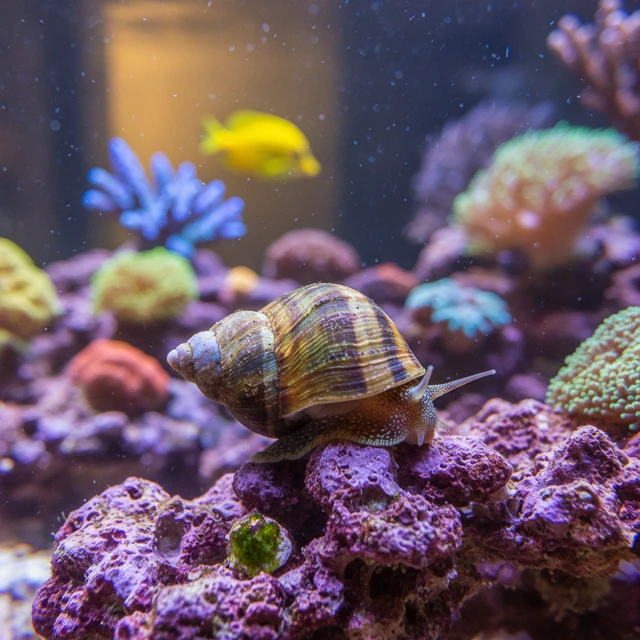
What Trochus Snail look like
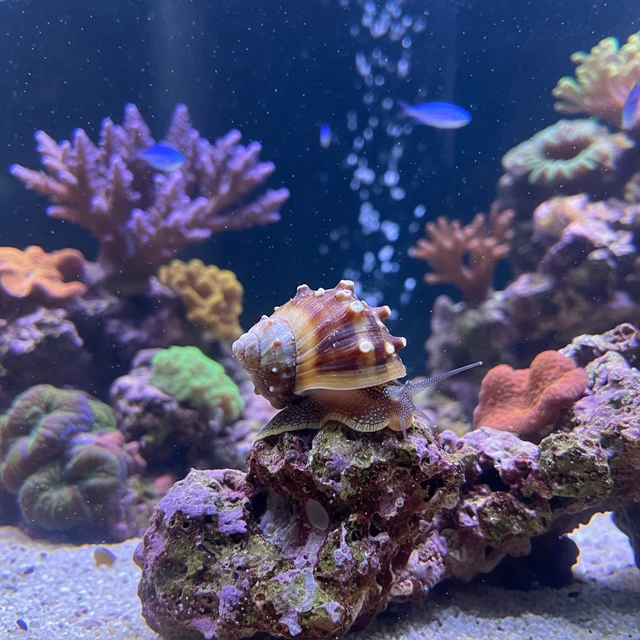
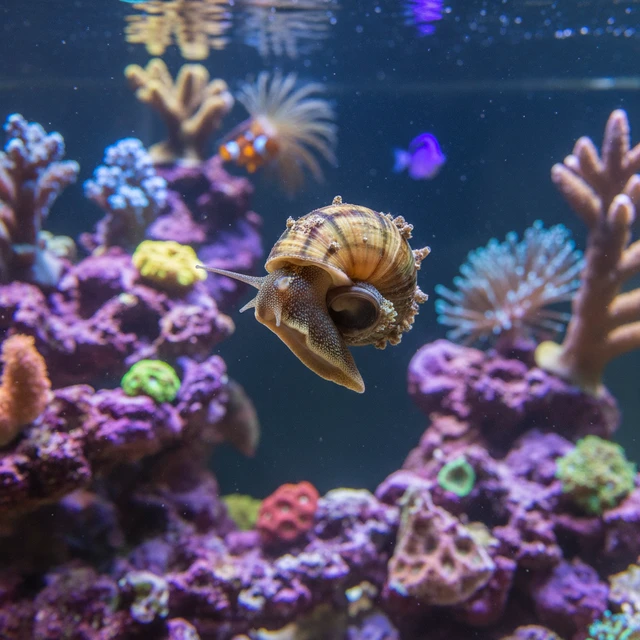
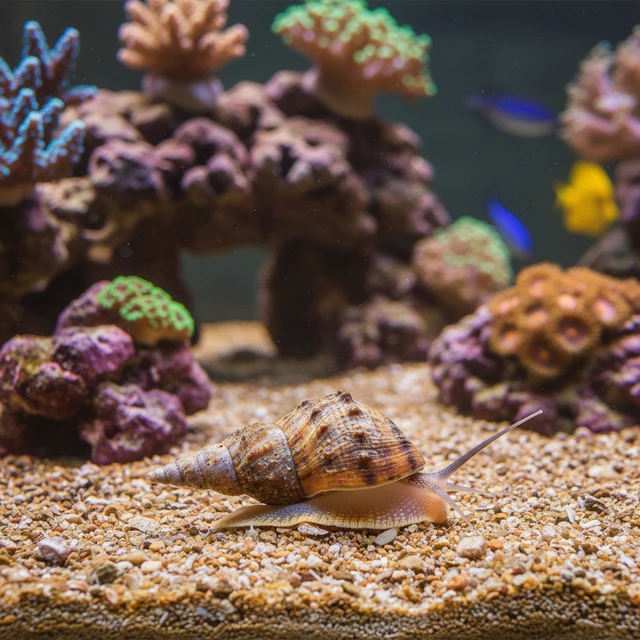
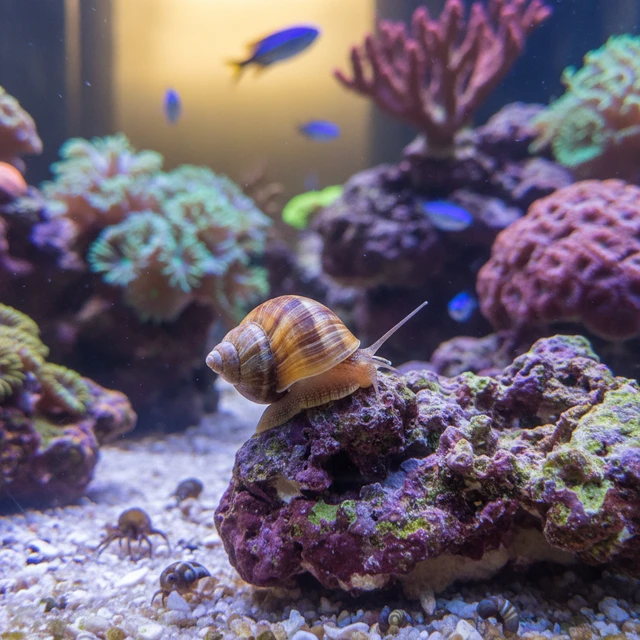
Trochus niloticus, commonly known as the Trochus Snail, exhibits a distinctive conical shell that can reach a maximum adult size of approximately 10 cm in diameter. The shell is characterized by its smooth, glossy surface and a pattern of spiral ridges and growth lines, which can vary in coloration from greenish-brown to reddish or purplish hues. The aperture of the shell is oval and slightly elevated, allowing for a robust foot to extend during locomotion. Sexual dimorphism is not pronounced in this species, although males and females may exhibit slight variations in shell size. Defensive adaptations include the ability to retract into the shell and the secretion of mucus, which can deter potential predators. Unique morphological features include a well-developed operculum that seals the shell opening, providing additional protection against desiccation and predation.
Behavior & temperament
Trochus niloticus is primarily a herbivorous grazer, exhibiting a behavior of scraping algae and detritus from the substrate using its radula. This species is generally solitary but can be found in small groups, particularly in areas with abundant food resources. It displays a slow, deliberate movement across the reef substrate, often remaining in one location for extended periods while feeding. Breeding behavior involves external fertilization, with spawning typically occurring during specific lunar phases. The Trochus Snail is known for its docile temperament, posing little threat to other reef inhabitants, although it may exhibit territoriality over prime grazing areas.
Diet & feeding
Trochus niloticus primarily feeds on algae, detritus, and biofilm in its natural habitat. In captivity, it requires a diet rich in marine algae, spirulina, and other herbivorous foods to thrive.
Behind the name
The genus name 'Trochus' is derived from the Greek word 'trochos', meaning 'wheel', which refers to the shape of the shell. The species name 'niloticus' indicates its association with the Nile River, although it is found in various tropical marine environments.
Plan your tank
Check the numbers before you buy: tank volume, salinity, salt mix, water changes, and your ongoing care routine. Keeping reef? Start from the Saltwater & Reef hub.
Keep reading
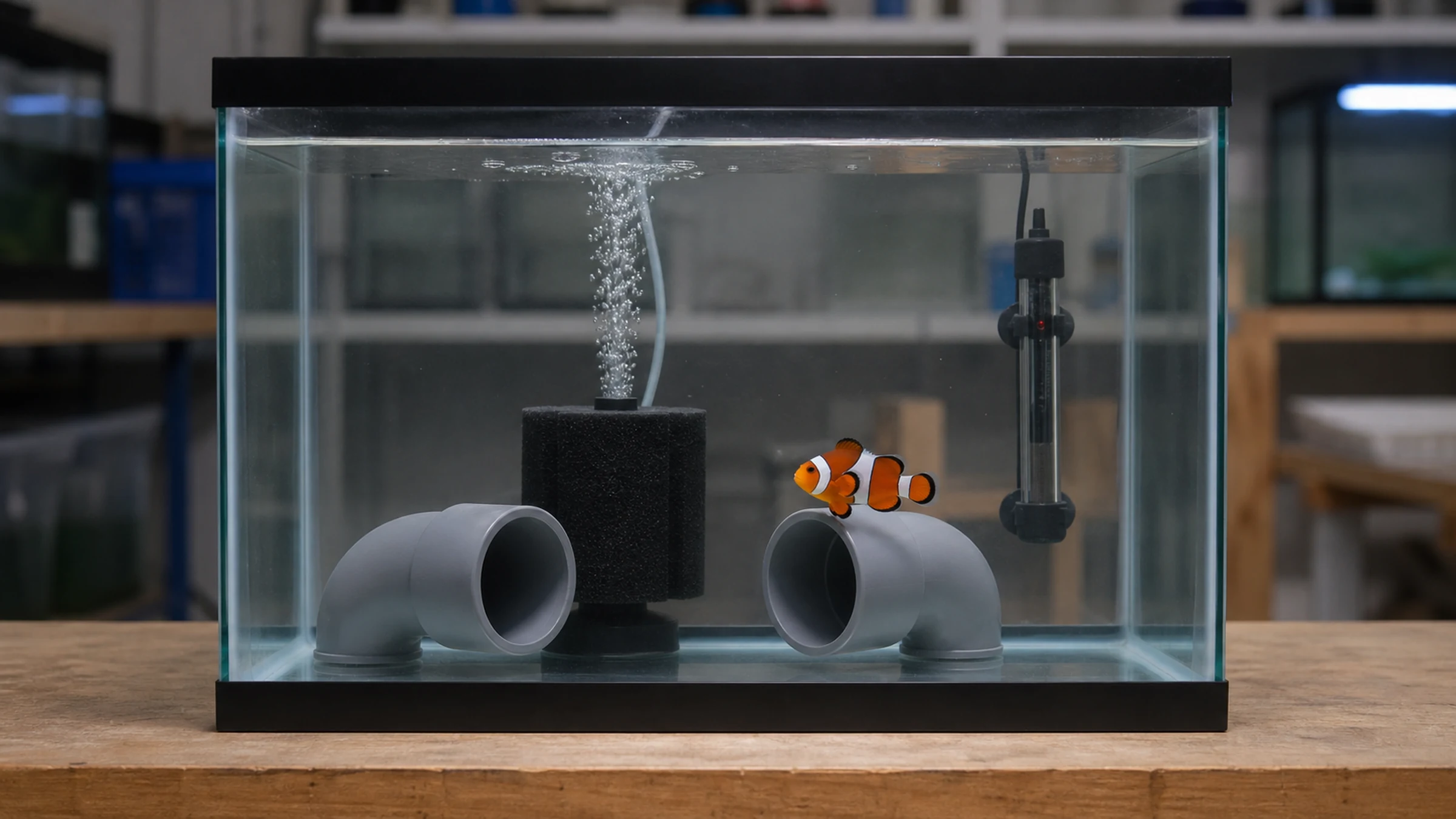
How to quarantine new saltwater fish against marine ich, velvet, and brooklynella: the QT tank, treatments, timelines, and the buy-clean shortcut.
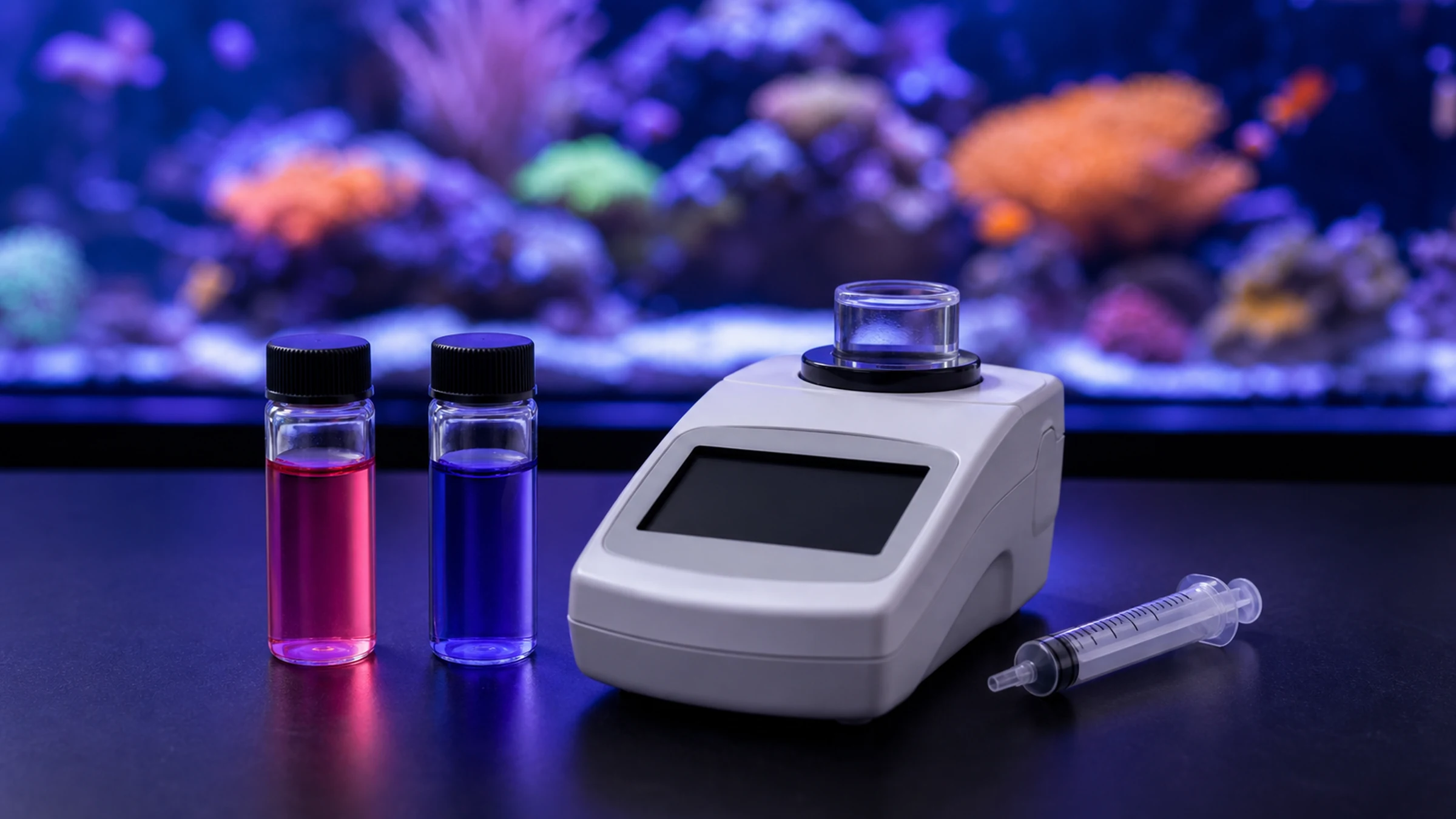
What every reef parameter means and where to keep it: salinity, temperature, pH, alkalinity, calcium, magnesium, nitrate, and phosphate.

Choose compatible fish: school sizes, swimming zones, aggression, temperature and hardness matching, and honest bioload math for a peaceful community.
Keeping Trochus Snail?
AquaLens identifies your fish and plants from a photo, tracks water chemistry, and flags health issues early — free on iOS and Android.