Chinese High Fin Banded Shark Care Guide
Myxocyprinus asiaticus · Freshwater Fish
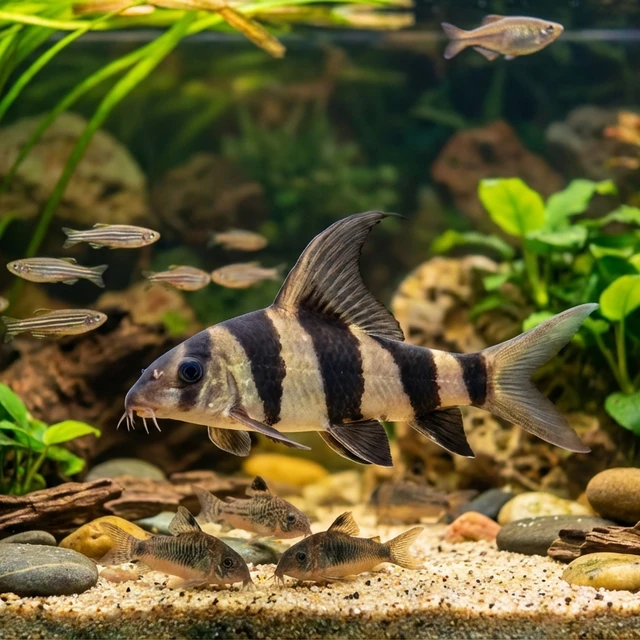
What Chinese High Fin Banded Shark look like
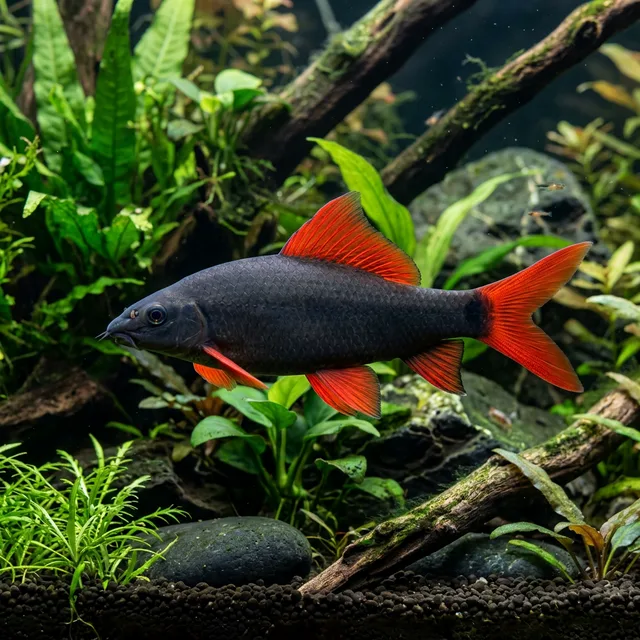
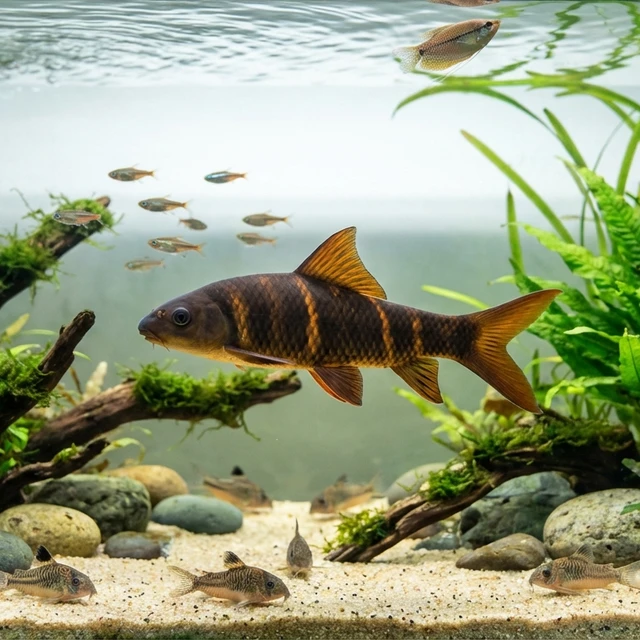
Myxocyprinus asiaticus exhibits a fusiform body shape that can reach a maximum adult size of up to 24 inches (60 cm) in length, although individuals in captivity typically remain smaller. Juveniles are particularly striking, characterized by a dark body coloration complemented by a dramatically tall, triangular dorsal fin and bold cream-white banding that enhances their visual appeal. As they mature, adults tend to lose the pronounced dorsal fin height, transitioning to a more subdued brownish coloration. Notably, this species possesses a lateral line system that aids in hydrodynamic sensing, and its dentition is adapted for an omnivorous diet, featuring pharyngeal teeth that assist in processing a variety of food types. The presence of an adipose fin further distinguishes this species, contributing to its streamlined appearance and swimming efficiency. Defensive adaptations include a robust body structure that can deter potential predators.
Behavior & temperament
In terms of behavior, Myxocyprinus asiaticus is generally a social species that thrives in groups, often exhibiting a hierarchical structure within schools. They are primarily pelagic, inhabiting the mid to upper water column in their natural habitat. Breeding behavior is not well-documented in captivity, but they are believed to be egg scatterers, releasing their eggs in open water. Their temperament is typically peaceful, although they can exhibit territoriality during breeding or when confined in smaller spaces. This species is known for its active swimming patterns, often seen gliding gracefully through the water, which can be captivating for aquarists.
Diet & feeding
In the wild, Myxocyprinus asiaticus is an omnivore, feeding on a varied diet that includes plant matter, detritus, and small invertebrates. In captivity, they require a balanced diet consisting of high-quality flake foods, pellets, and occasional vegetable matter such as spirulina or blanched greens to meet their nutritional needs.
Behind the name
Myxocyprinus (Greek: myxo- meaning 'mucous'; cyprinus meaning 'carp-like'); asiaticus (Latin: pertaining to Asia).
Plan your tank
Check the numbers before you buy: tank volume, a stocking plan, cycle progress, water changes, and your ongoing care routine.
Keep reading

Choose compatible fish: school sizes, swimming zones, aggression, temperature and hardness matching, and honest bioload math for a peaceful community.
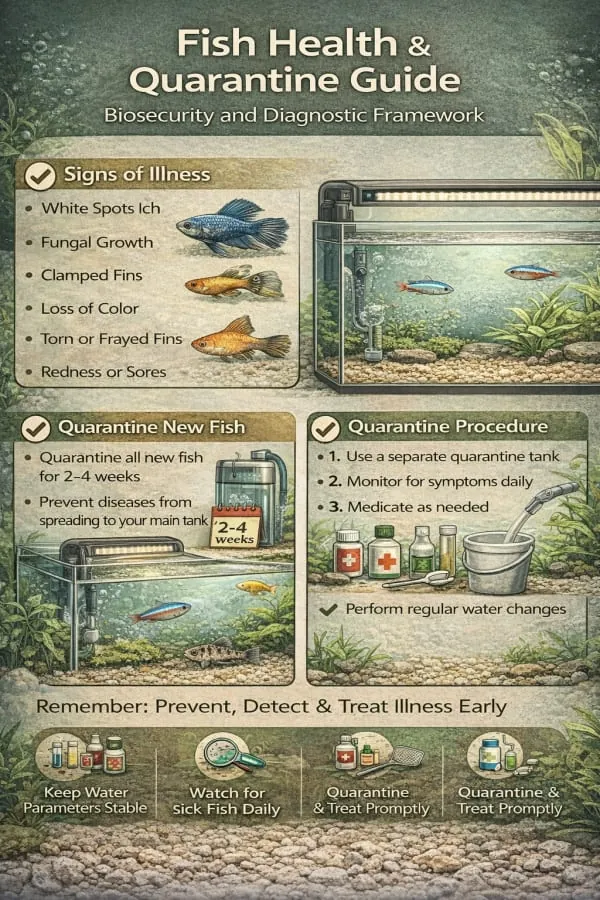
Quarantine new fish, spot the early warning signs, and treat disease without wrecking your tank. A practical freshwater fish health guide.
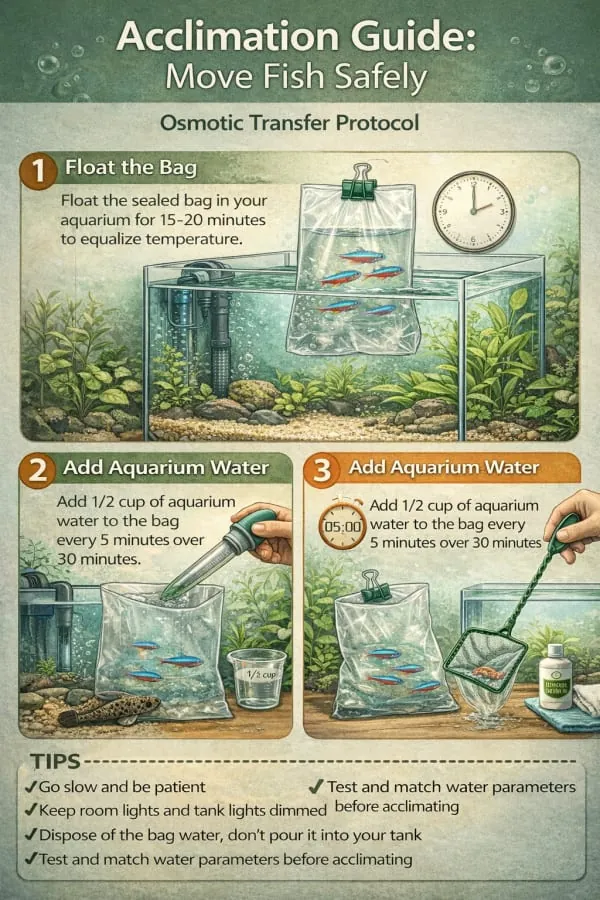
Acclimate new fish, shrimp, and coral safely: temperature floating, drip acclimation, plop-and-drop for shipped livestock, and the first 24 hours.
Keeping Chinese High Fin Banded Shark?
AquaLens identifies your fish and plants from a photo, tracks water chemistry, and flags health issues early — free on iOS and Android.