Coconut Octopus Care Guide
Amphioctopus marginatus · Saltwater Octopus
What Coconut Octopus look like
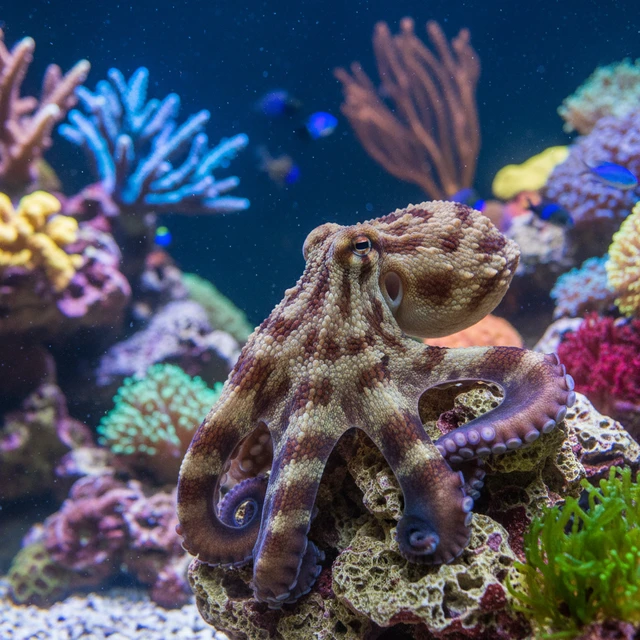
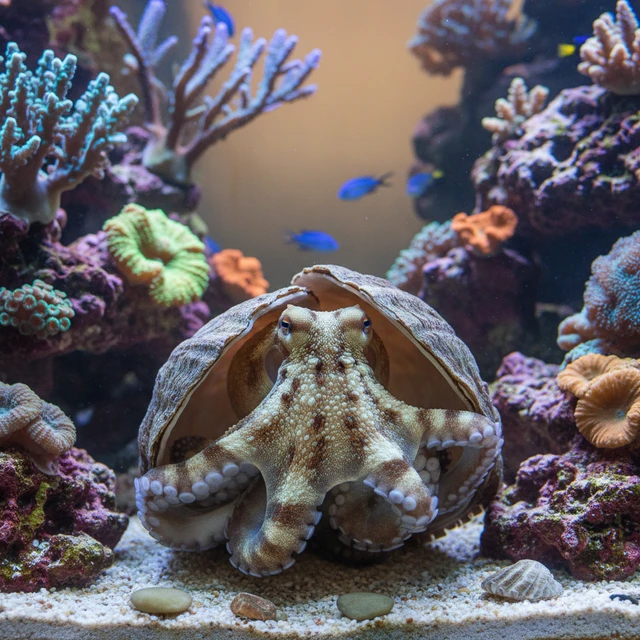
The Coconut Octopus (Amphioctopus marginatus) exhibits a highly flexible and adaptive morphology, characterized by a bulbous head and eight long, dexterous arms that can reach up to 1 meter in total length. The body can attain a maximum mantle size of approximately 25 cm, with the arms displaying a distinctive pattern of chromatophores that allow for rapid color change and camouflage. Sexual dimorphism is evident, with females generally larger than males. This species possesses a unique ability to utilize coconut shells and other debris as tools for shelter and protection, showcasing a remarkable behavioral adaptation. The arms are lined with suckers, which are equipped with sensory receptors that enhance tactile perception, while the beak-like jaws are capable of crushing prey. Additionally, the presence of a well-developed siphon aids in locomotion and respiration.
Behavior & temperament
Coconut Octopuses are primarily solitary creatures, exhibiting a territorial nature. They are known to inhabit shallow coastal waters, often found at depths of 1 to 20 meters. Their swimming behavior is characterized by a combination of crawling along the substrate and jet propulsion, allowing for quick escapes from predators. Breeding occurs through a complex courtship display, where males utilize specialized arms to transfer spermatophores to females. The temperament of this species can be described as curious and intelligent, with occasional displays of aggression when threatened or during territorial disputes. They are also known to exhibit problem-solving behaviors, such as using tools to access food or create shelters.
Diet & feeding
The Coconut Octopus is a carnivorous predator, primarily feeding on crustaceans, mollusks, and small fish in the wild. In captivity, they thrive on a diet of live or frozen seafood, including shrimp, crabs, and clams.
Behind the name
The genus name 'Amphioctopus' derives from the Greek words 'amphi' meaning 'both' and 'octopus' meaning 'eight-footed', while the species name 'marginatus' comes from the Latin 'margo', meaning 'bordered' or 'edged', likely referring to the octopus's distinctive coloration.
Plan your tank
Check the numbers before you buy: tank volume, salinity, salt mix, water changes, and your ongoing care routine. Keeping reef? Start from the Saltwater & Reef hub.
Keep reading
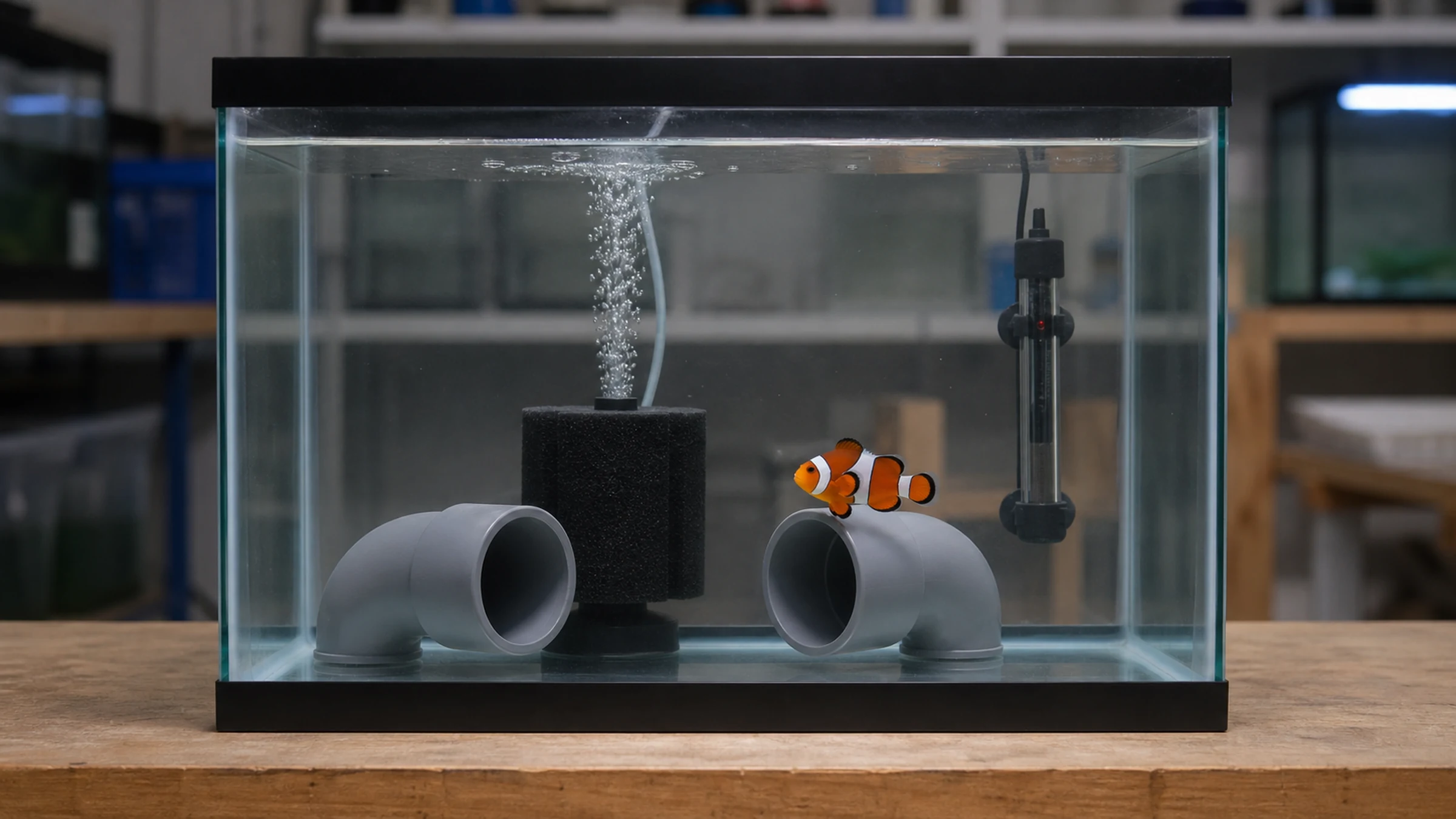
How to quarantine new saltwater fish against marine ich, velvet, and brooklynella: the QT tank, treatments, timelines, and the buy-clean shortcut.
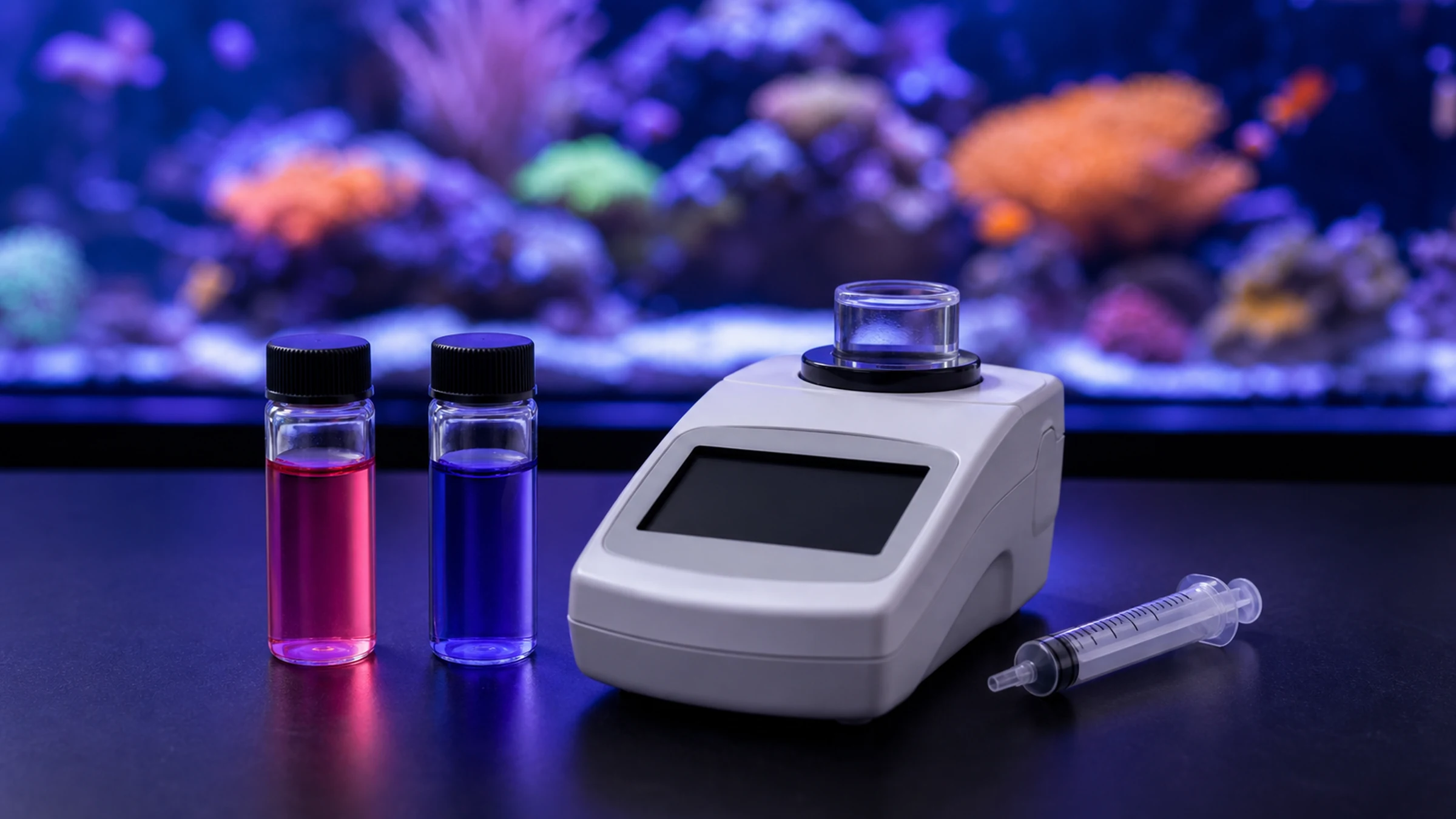
What every reef parameter means and where to keep it: salinity, temperature, pH, alkalinity, calcium, magnesium, nitrate, and phosphate.
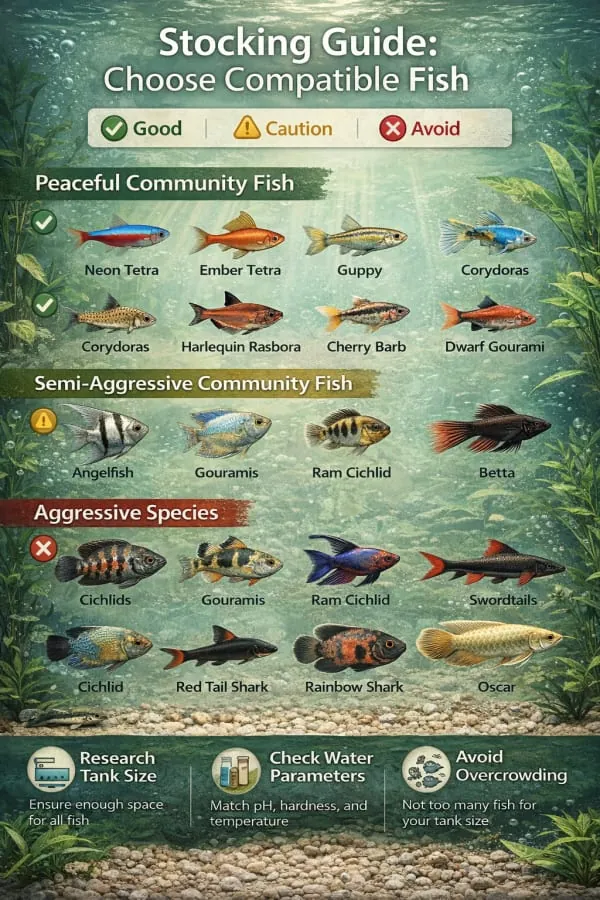
Choose compatible fish: school sizes, swimming zones, aggression, temperature and hardness matching, and honest bioload math for a peaceful community.
Keeping Coconut Octopus?
AquaLens identifies your fish and plants from a photo, tracks water chemistry, and flags health issues early — free on iOS and Android.