Common Octopus Care Guide
Octopus vulgaris · Saltwater Octopus
What Common Octopus look like
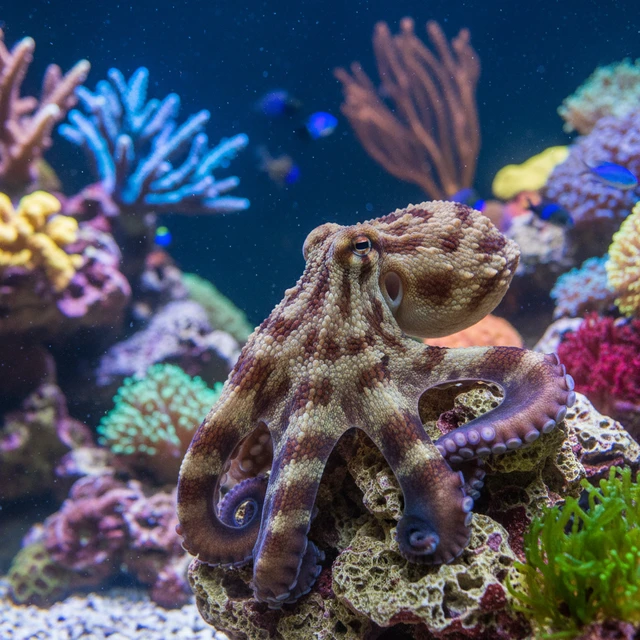
The Common Octopus (Octopus vulgaris) exhibits a highly flexible body structure characterized by a bulbous head, large eyes, and eight elongated arms lined with sensitive suckers. Adults can reach a maximum size of approximately 3 to 5 feet in total length, with a mantle length of up to 12 inches. Sexual dimorphism is evident, with females generally larger than males. Defensive adaptations include the ability to rapidly change color and texture through specialized chromatophores, allowing for effective camouflage. Additionally, they possess a beak-like jaw capable of crushing prey and can expel ink as a means of escape from predators. Unique morphological features include a highly developed nervous system and the presence of a siphon used for locomotion via jet propulsion.
Behavior & temperament
Common Octopuses are predominantly solitary and exhibit a range of complex behaviors, including problem-solving and tool use. They are primarily benthic dwellers, often found hiding in crevices or under rocks. Breeding behavior involves elaborate courtship displays, with males using their specialized arm (hectocotylus) to transfer spermatophores to females. Their temperament can vary, with some individuals displaying aggression when threatened or during mating. Octopuses are known for their remarkable intelligence and adaptability, often engaging in exploratory behavior and utilizing their environment for shelter and hunting.
Diet & feeding
The Common Octopus is a carnivorous predator, primarily feeding on crustaceans, mollusks, and small fish. In captivity, they require a diet rich in protein, including live or frozen shrimp, crabs, and other seafood.
Behind the name
The scientific name 'Octopus vulgaris' derives from the Greek word 'októpus', meaning 'eight-footed', and 'vulgaris', which translates to 'common' or 'ordinary'.
Plan your tank
Check the numbers before you buy: tank volume, salinity, salt mix, water changes, and your ongoing care routine. Keeping reef? Start from the Saltwater & Reef hub.
Keep reading
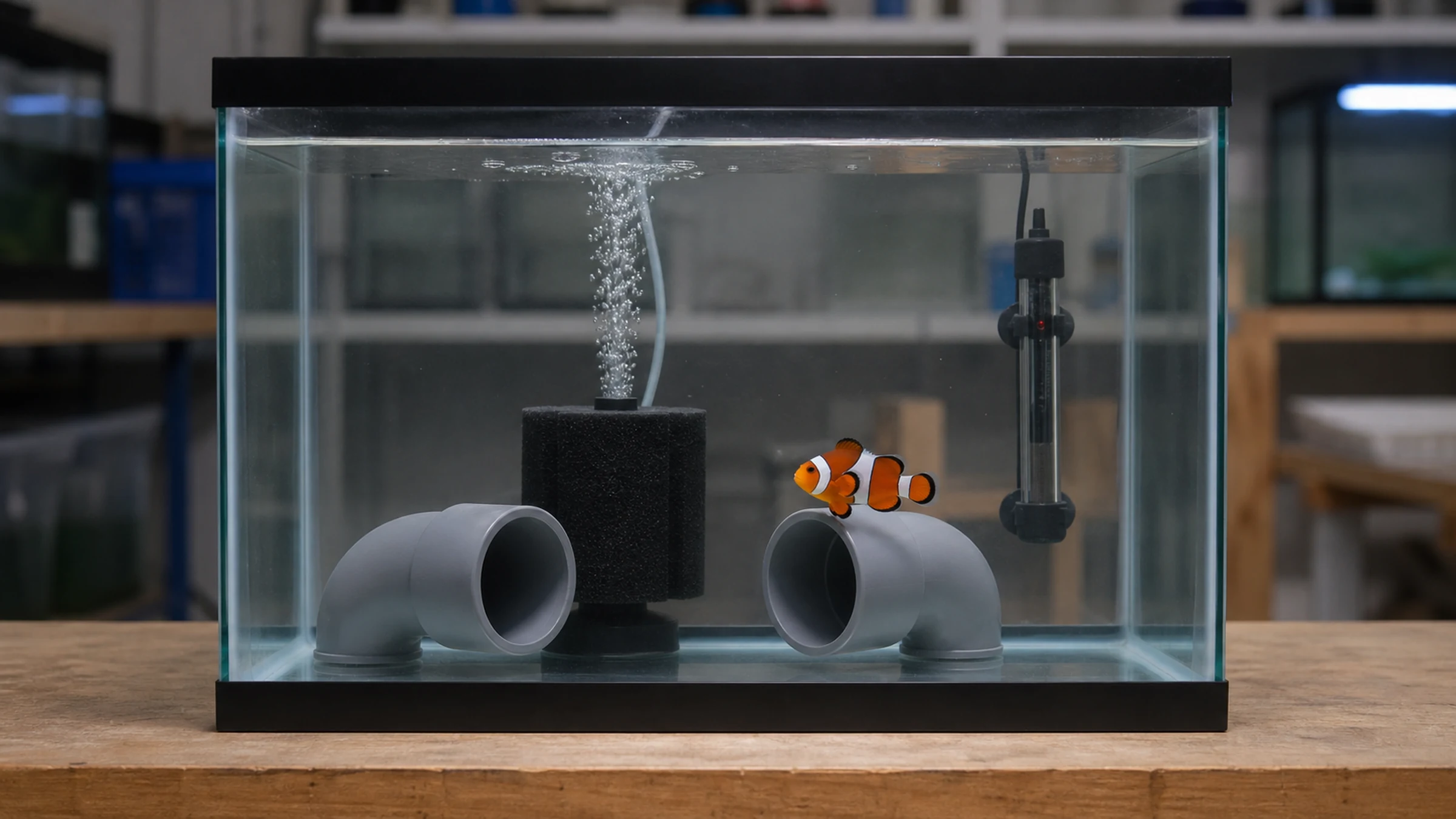
How to quarantine new saltwater fish against marine ich, velvet, and brooklynella: the QT tank, treatments, timelines, and the buy-clean shortcut.
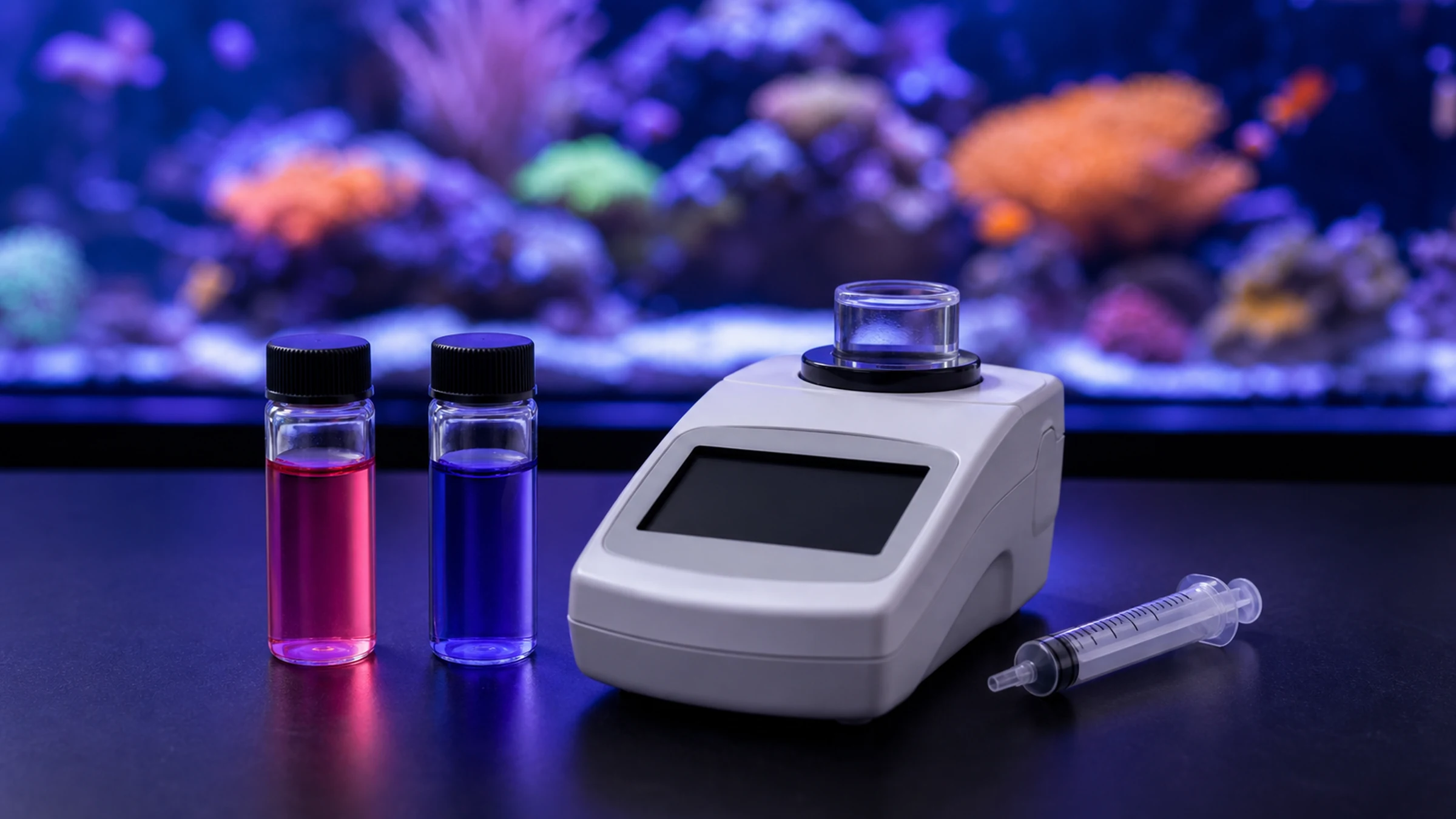
What every reef parameter means and where to keep it: salinity, temperature, pH, alkalinity, calcium, magnesium, nitrate, and phosphate.

Choose compatible fish: school sizes, swimming zones, aggression, temperature and hardness matching, and honest bioload math for a peaceful community.
Keeping Common Octopus?
AquaLens identifies your fish and plants from a photo, tracks water chemistry, and flags health issues early — free on iOS and Android.