Devil's Hand Coral Care Guide
Lobophytum pauciflorum · Saltwater Soft Coral
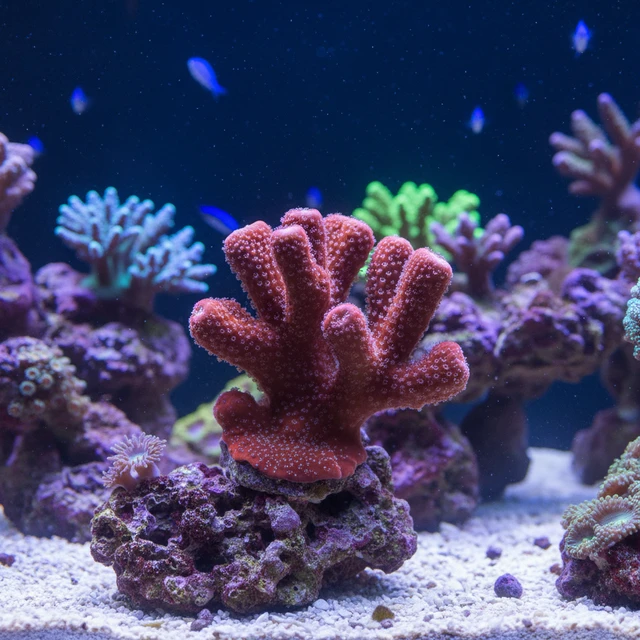
What Devil's Hand Coral look like
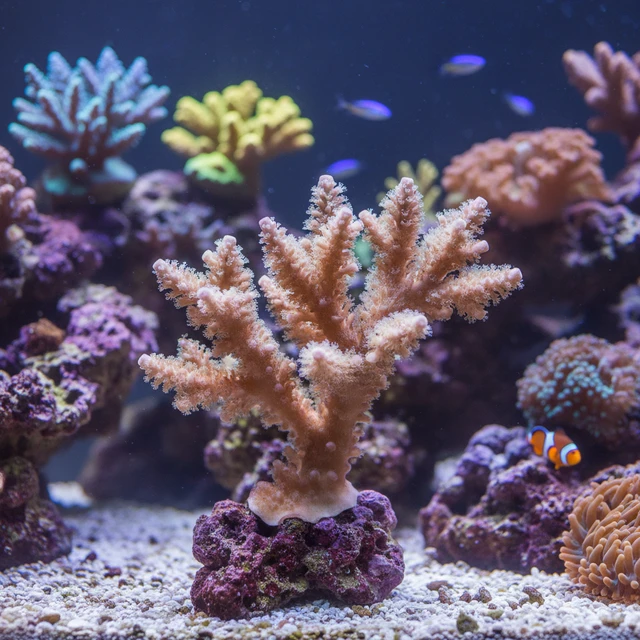
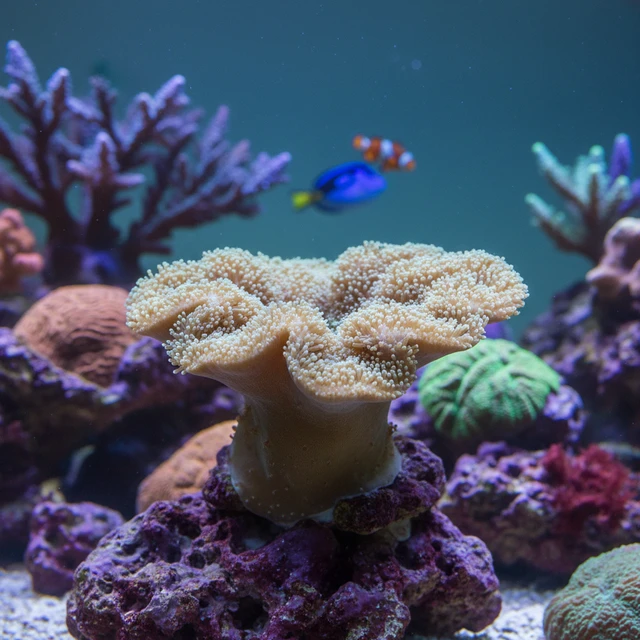
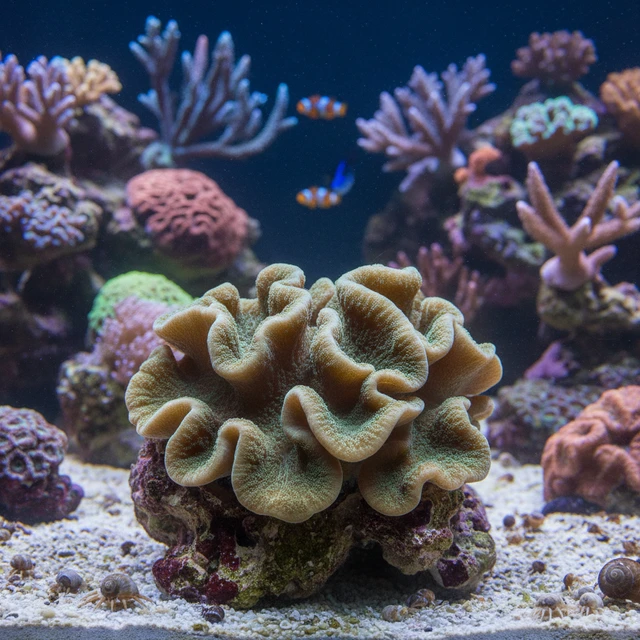
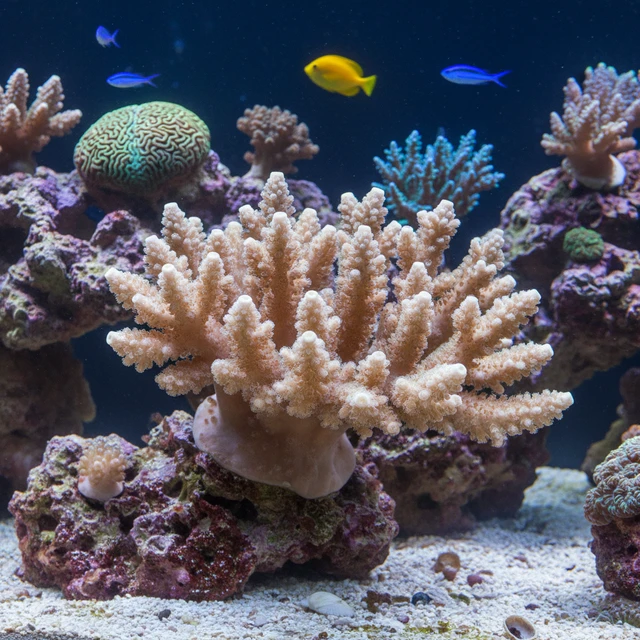
Lobophytum pauciflorum, commonly known as Devil's Hand Coral, exhibits a distinctive morphology characterized by its broad, flattened lobes that can extend up to 30 cm in diameter. The polyps are typically short and densely packed, giving the coral a bushy appearance. The coloration ranges from pale yellow to brown, often with a mottled pattern that enhances its visual appeal. This species lacks a rigid calcium carbonate skeleton, which is typical of soft corals, and instead possesses a flexible structure supported by a network of mesenterial filaments. Sexual dimorphism is minimal, although some variations in lobe size and shape may occur between colonies. Defensive adaptations include the presence of nematocysts within the polyps, which can deliver a mild sting to potential predators, deterring herbivorous fish.
Behavior & temperament
Devil's Hand Coral exhibits a relatively passive behavior, primarily engaging in filter feeding by extending its polyps to capture plankton and organic particles from the water column. It is known to form symbiotic relationships with zooxanthellae, which provide essential nutrients through photosynthesis. The coral's polyps can retract during periods of low light or stress, but they typically extend fully during the day to maximize feeding opportunities. While it does not exhibit aggressive territorial behavior, it can engage in competition with neighboring corals for space and light, utilizing its stinging cells to deter encroachment.
Diet & feeding
Lobophytum pauciflorum is primarily a filter feeder, consuming zooplankton and organic detritus in its natural habitat. In captivity, it thrives on a diet of finely chopped meaty foods, phytoplankton, and specialized coral foods to ensure optimal health.
Behind the name
The genus name 'Lobophytum' derives from the Greek 'lobos' meaning 'lobe' and 'phyton' meaning 'plant', referring to the lobe-like structure of the coral. The species name 'pauciflorum' comes from the Latin 'paucus' meaning 'few' and 'flos' meaning 'flower', indicating the relatively few polyps compared to other coral species.
Plan your tank
Check the numbers before you buy: tank volume, salinity, salt mix, water changes, and your ongoing care routine. Keeping reef? Start from the Saltwater & Reef hub.
Keep reading
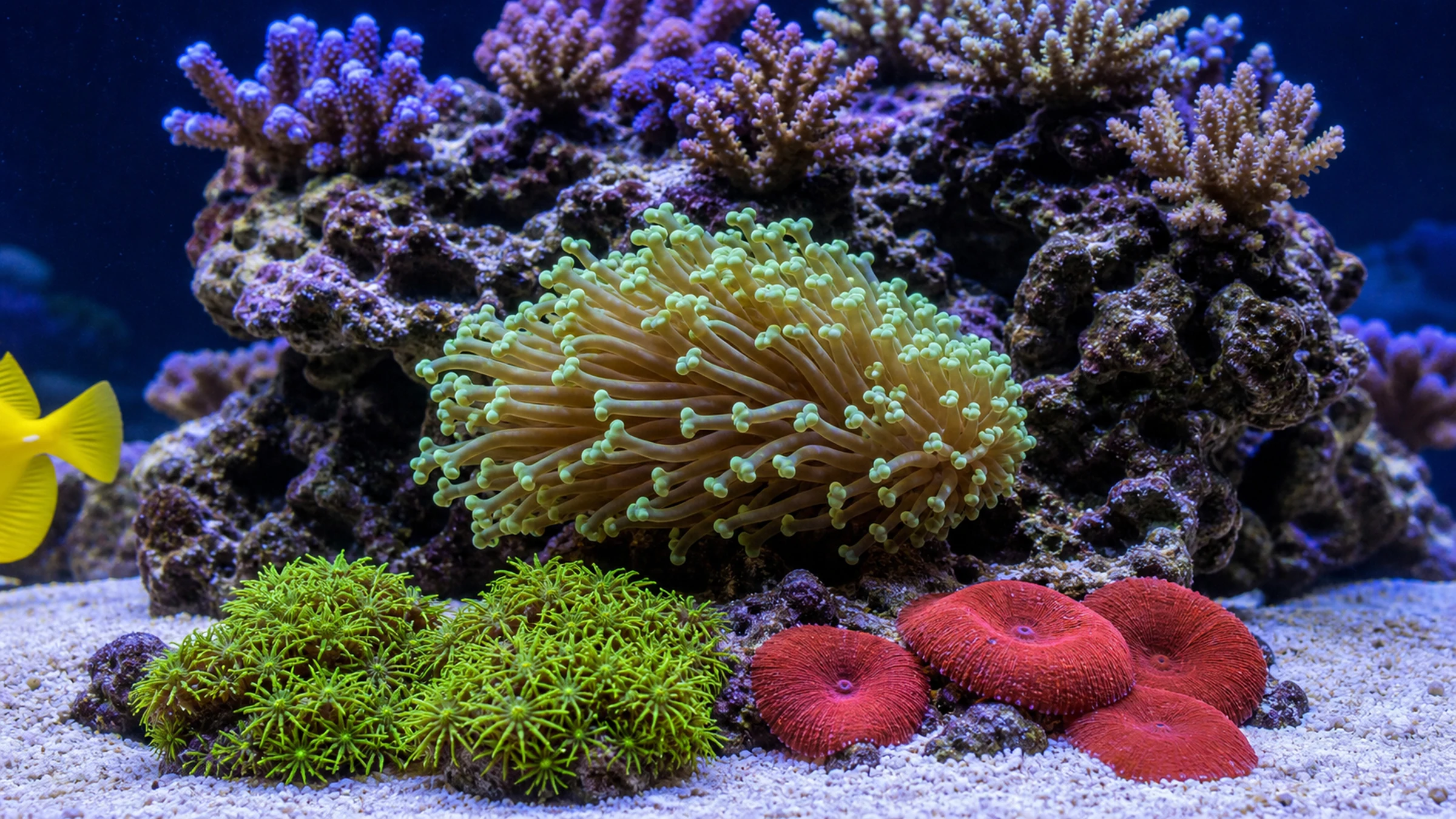
How to place corals by light and flow, PAR targets for softies, LPS, and SPS, dipping new corals for pests, and acclimating them without bleaching.
What every reef parameter means and where to keep it: salinity, temperature, pH, alkalinity, calcium, magnesium, nitrate, and phosphate.
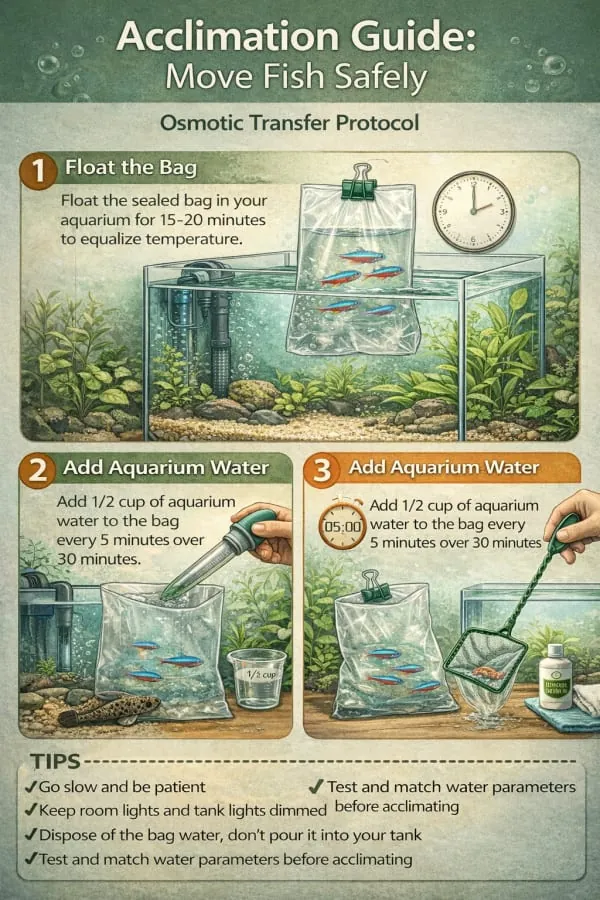
Acclimate new fish, shrimp, and coral safely: temperature floating, drip acclimation, plop-and-drop for shipped livestock, and the first 24 hours.
Keeping Devil's Hand Coral?
AquaLens identifies your fish and plants from a photo, tracks water chemistry, and flags health issues early — free on iOS and Android.