Discus Care Guide
Symphysodon aequifasciatus · Freshwater Fish
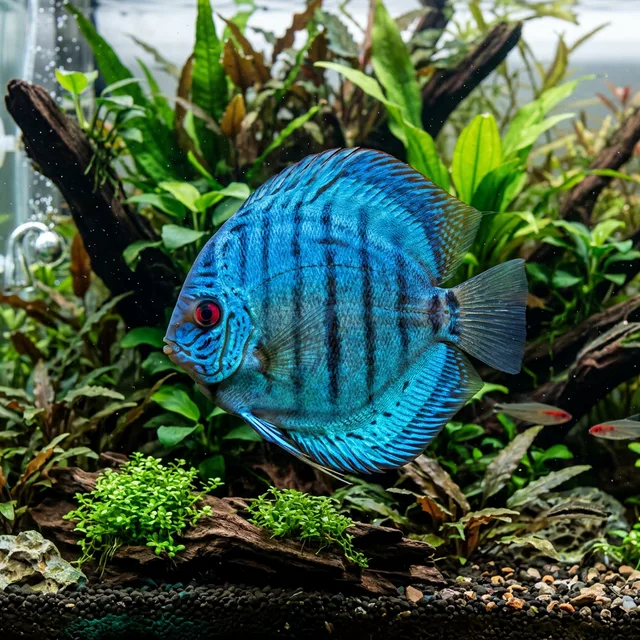
What Discus look like
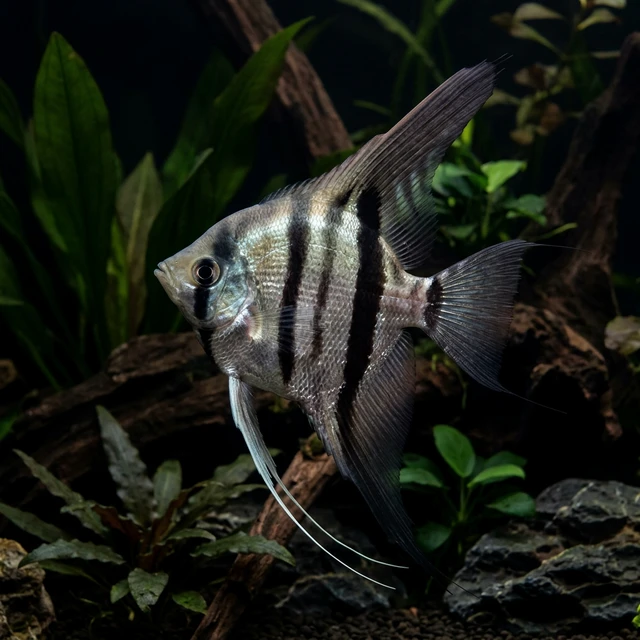
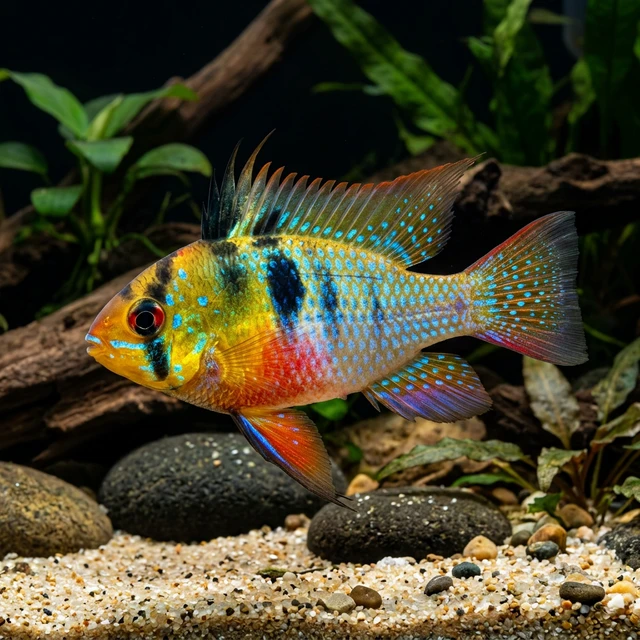
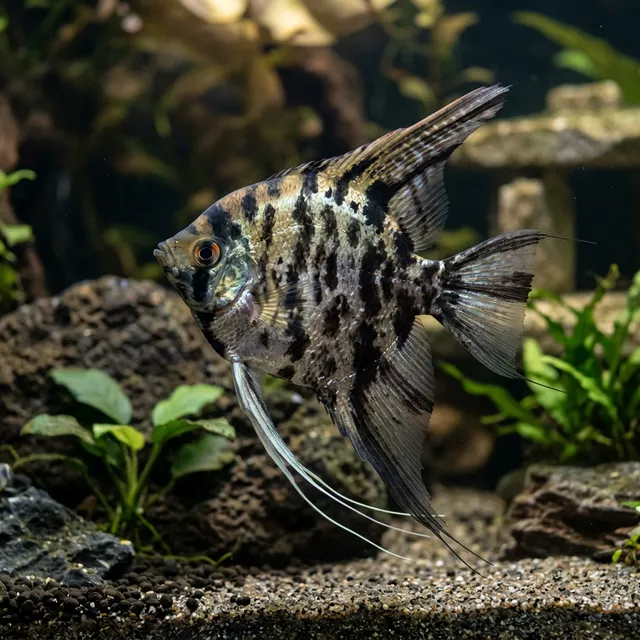
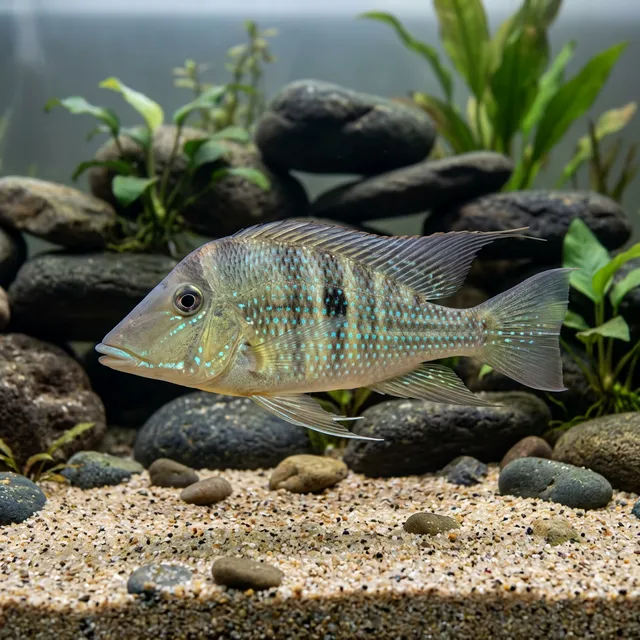
The Discus (Symphysodon aequifasciatus) exhibits a distinctive, laterally compressed, disc-shaped body that can reach a maximum adult size of approximately 8 inches (20 cm) in diameter. This species is characterized by its flat profile and vibrant coloration, featuring intricate patterns of neon blue and red that swirl across its body, providing excellent camouflage among the dense vegetation of its natural habitat in the Amazon Basin. Sexual dimorphism is subtle; males typically possess more pronounced dorsal and anal fins, which are elongated and pointed, while females exhibit a rounder body shape. Defensive adaptations include the ability to blend seamlessly into their surroundings due to their coloration, and they possess a robust set of pharyngeal teeth adapted for grazing on soft plant material. The lateral line system is well-developed, allowing for enhanced sensory perception in their often murky aquatic environment.
Behavior & temperament
Discus are generally social fish that thrive in small groups, exhibiting a hierarchical structure within their schools. They predominantly inhabit the mid to upper water column, favoring areas with ample cover from aquatic plants and driftwood. Breeding behavior is characterized by monogamous pair bonding, where they engage in elaborate courtship displays and exhibit parental care by guarding and fanning their eggs, which are laid on flat surfaces. Discus are known for their gentle temperament, although they can display territorial aggression during breeding periods, particularly towards other fish that encroach upon their nesting sites.
Diet & feeding
In the wild, Discus are primarily carnivorous, feeding on small invertebrates and zooplankton. In captivity, they require a high-quality diet rich in protein, including specialized pellets, frozen or live foods such as bloodworms and brine shrimp, to maintain their health and vibrant coloration.
Behind the name
Symphysodon (fused teeth); aequifasciatus (equal bands).
Plan your tank
Check the numbers before you buy: tank volume, a stocking plan, cycle progress, water changes, and your ongoing care routine.
Keep reading

Choose compatible fish: school sizes, swimming zones, aggression, temperature and hardness matching, and honest bioload math for a peaceful community.

Quarantine new fish, spot the early warning signs, and treat disease without wrecking your tank. A practical freshwater fish health guide.

Acclimate new fish, shrimp, and coral safely: temperature floating, drip acclimation, plop-and-drop for shipped livestock, and the first 24 hours.
Keeping Discus?
AquaLens identifies your fish and plants from a photo, tracks water chemistry, and flags health issues early — free on iOS and Android.