Fire Eel Care Guide
Mastacembelus erythrotaenia · Freshwater Fish
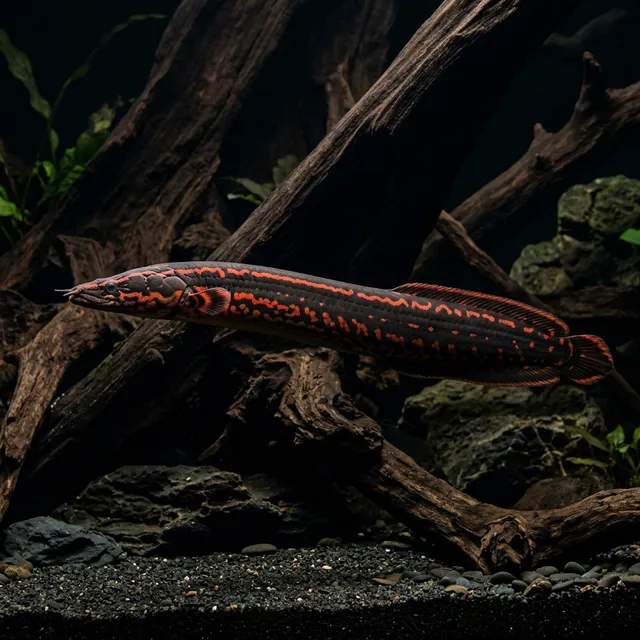
What Fire Eel look like
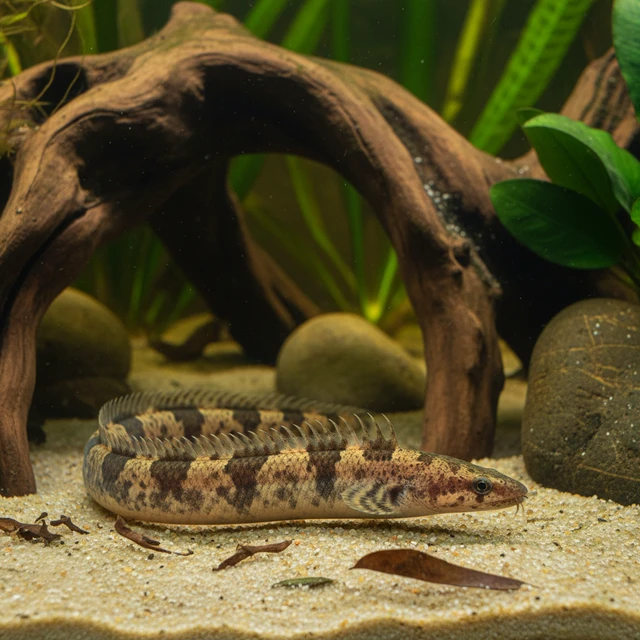
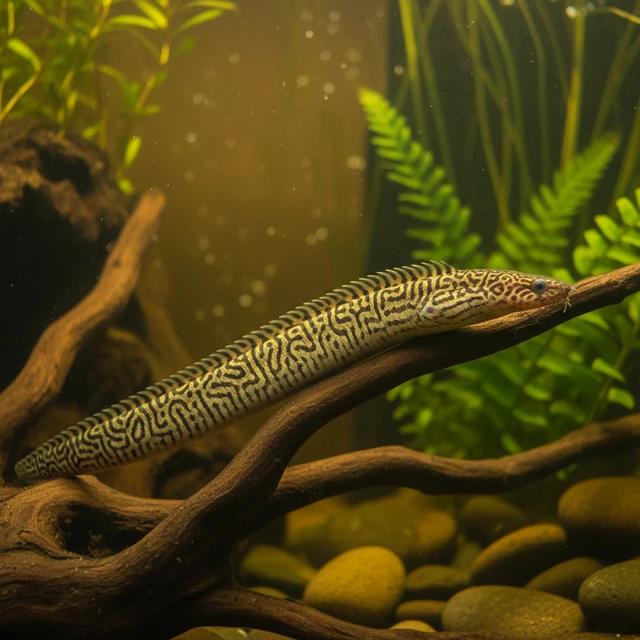
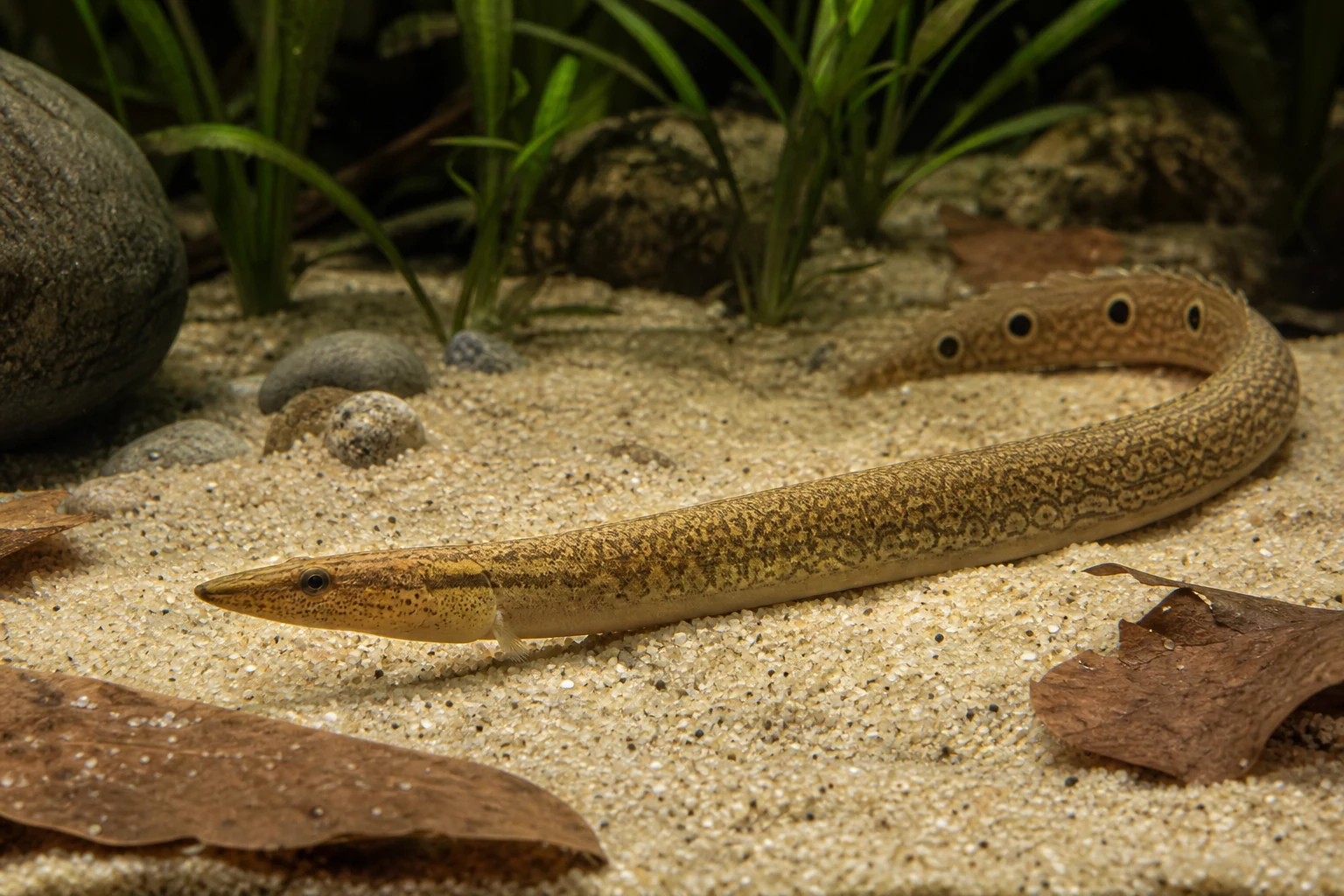
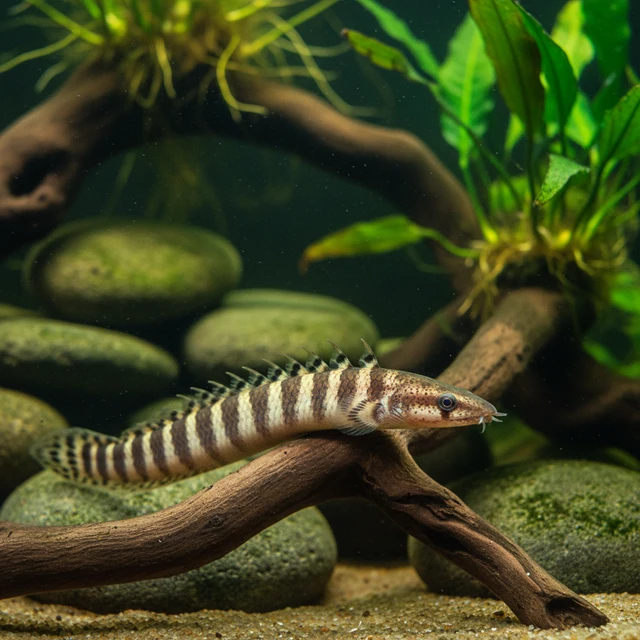
Mastacembelus erythrotaenia, commonly known as the Fire Eel, exhibits a strikingly elongated and laterally compressed body, reaching a maximum adult size of approximately 5 to 15 inches (12.7 to 38.1 cm). This species displays sexual dimorphism, with males typically exhibiting more vibrant coloration and larger fins compared to females. The body is characterized by a chocolate dark brown base adorned with vivid, fiery neon red and orange spots, dashes, and intense red edging that encircles the massive continuous tail and dorsal fin. The head is elongated with a pointed snout, and the species possesses a unique arrangement of spines along the dorsal region, which serve as a defensive adaptation against predators. Additionally, the Fire Eel features a well-developed lateral line system, aiding in the detection of vibrations in the water, and its dentition is adapted for a carnivorous diet, consisting of sharp, conical teeth ideal for grasping slippery prey.
Behavior & temperament
The Fire Eel is primarily a solitary and benthic species, often found dwelling in the substrate of slow-moving rivers and swamps in Southeast Asia. While they may exhibit some social behavior during breeding, they are not obligate schoolers and tend to establish territories. Breeding behavior involves egg scattering, where females release eggs onto the substrate, and males fertilize them externally. The Fire Eel is generally known for its calm temperament but can display territorial aggression, especially during breeding periods or when defending its space from intruders. They are primarily nocturnal, exhibiting increased activity during the night when they forage for food.
Diet & feeding
In the wild, the Fire Eel is a carnivore, primarily preying on small invertebrates and fish. In captivity, it requires a diet rich in protein, including high-quality pellets, live or frozen foods such as bloodworms, shrimp, and small fish to thrive.
Behind the name
Mastacembelus (from Greek 'mastos' meaning 'nipple' and 'kembelos' meaning 'eel'); erythrotaenia (from Greek 'erythros' meaning 'red' and 'tainia' meaning 'band' or 'stripe').
Plan your tank
Check the numbers before you buy: tank volume, a stocking plan, cycle progress, water changes, and your ongoing care routine.
Keep reading
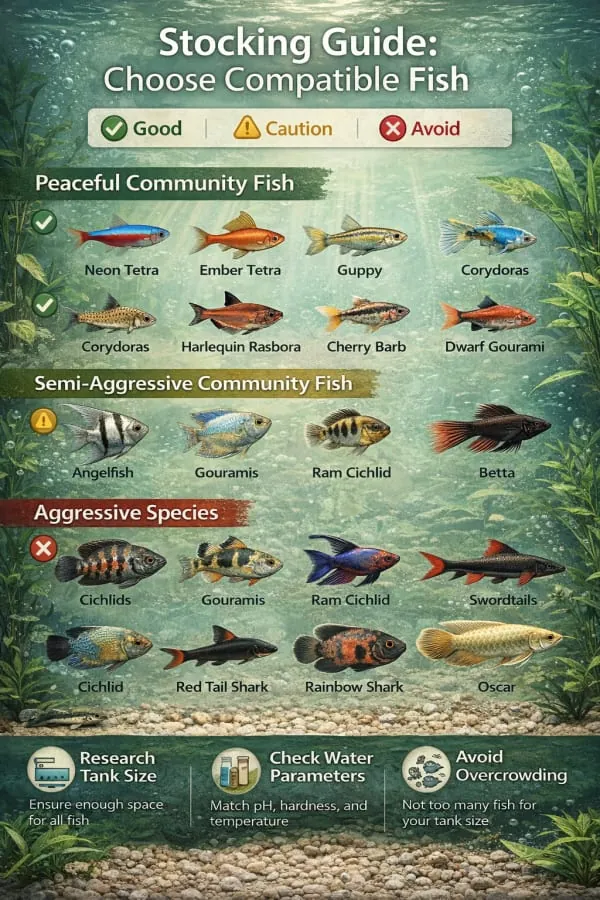
Choose compatible fish: school sizes, swimming zones, aggression, temperature and hardness matching, and honest bioload math for a peaceful community.
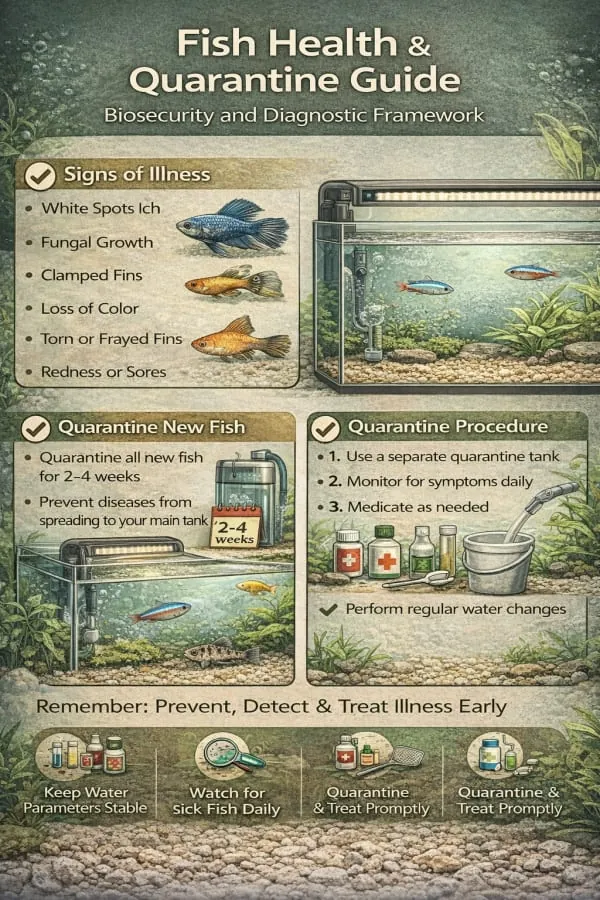
Quarantine new fish, spot the early warning signs, and treat disease without wrecking your tank. A practical freshwater fish health guide.
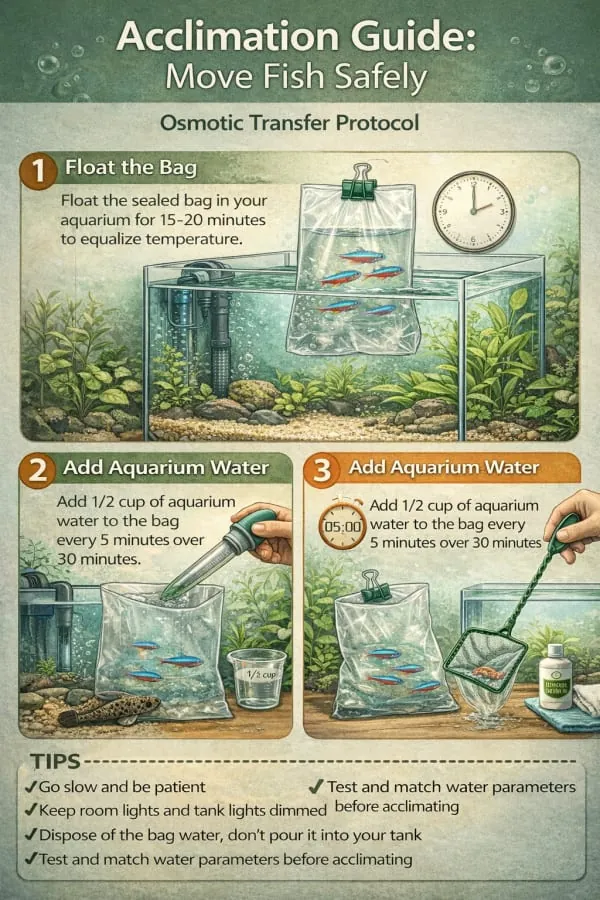
Acclimate new fish, shrimp, and coral safely: temperature floating, drip acclimation, plop-and-drop for shipped livestock, and the first 24 hours.
Keeping Fire Eel?
AquaLens identifies your fish and plants from a photo, tracks water chemistry, and flags health issues early — free on iOS and Android.