Leopard Frog Plecostomus Care Guide
Peckoltia compta · Freshwater Fish
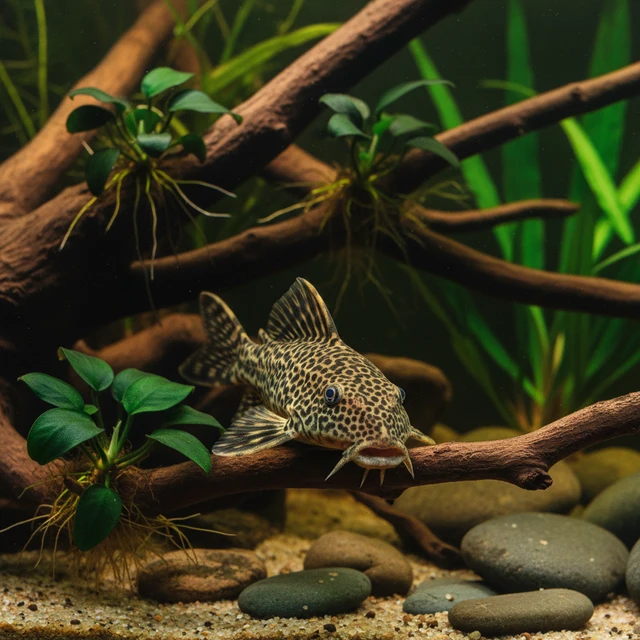
What Leopard Frog Plecostomus look like
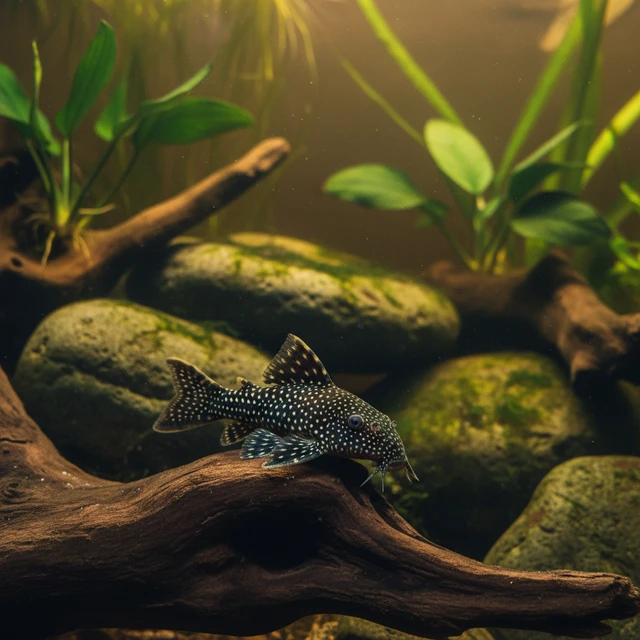
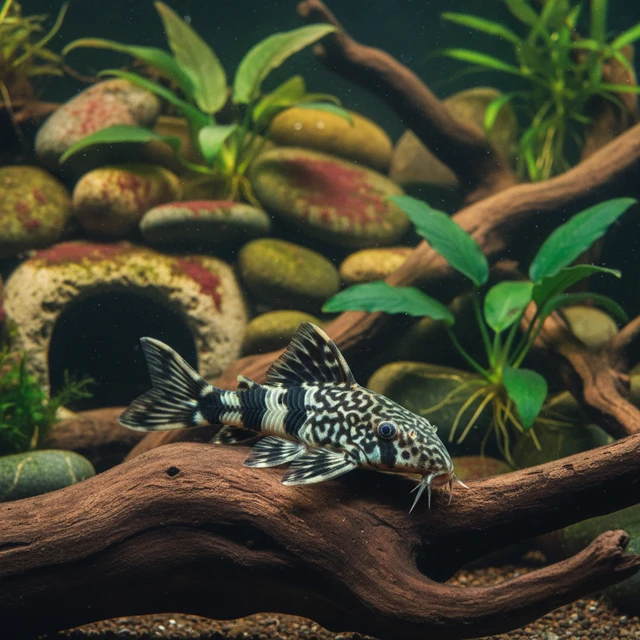
Peckoltia compta, commonly known as the Leopard Frog Plecostomus, exhibits a distinctive morphology characterized by its small size, reaching a maximum adult length of approximately 4-5 inches. The body is laterally compressed and features a striking pattern of alternating cream-white and dark brown-black bands, which provides effective camouflage among the rocky substrates of its natural habitat. This species possesses a robust, armored body covered with bony plates, typical of the Loricariidae family, and a specialized sucker mouth adapted for grazing on biofilm and algae. The dorsal fin is elongated and extends nearly the full length of the body, while the pectoral fins are broad and spiny, serving as defensive adaptations against potential predators. Sexual dimorphism is subtle, with males typically exhibiting slightly more pronounced coloration and a more elongated body shape compared to females, especially during breeding periods. The presence of a lateral line system enhances its sensory perception in turbid waters, making it adept at navigating its environment.
Behavior & temperament
In terms of ethology, Peckoltia compta is primarily a benthic species, often found resting on the substrate or among submerged structures in slow-moving waters. It exhibits a semi-social behavior, often seen in loose aggregations but not forming strict schools, allowing for a degree of territoriality among individuals. This species is generally peaceful but may display mild aggression during mating rituals or when establishing territory. Breeding behavior involves the construction of nests in crevices or under rocks, where females scatter eggs, and males guard the fertilized eggs until they hatch. The Leopard Frog Plecostomus is known for its nocturnal activity patterns, foraging primarily during the night for food.
Diet & feeding
In the wild, Peckoltia compta is an omnivorous grazer, primarily feeding on algae, detritus, and biofilm, supplemented by small invertebrates. In captivity, it requires a varied diet that includes high-quality sinking pellets, algae wafers, and occasional protein sources such as blanched vegetables and frozen or live foods like bloodworms or brine shrimp.
Behind the name
Peckoltia (named after the ichthyologist Johann Baptist von Peckolt); compta (Latin for 'combed' or 'arranged', referring to the patterned appearance).
Plan your tank
Check the numbers before you buy: tank volume, a stocking plan, cycle progress, water changes, and your ongoing care routine.
Keep reading
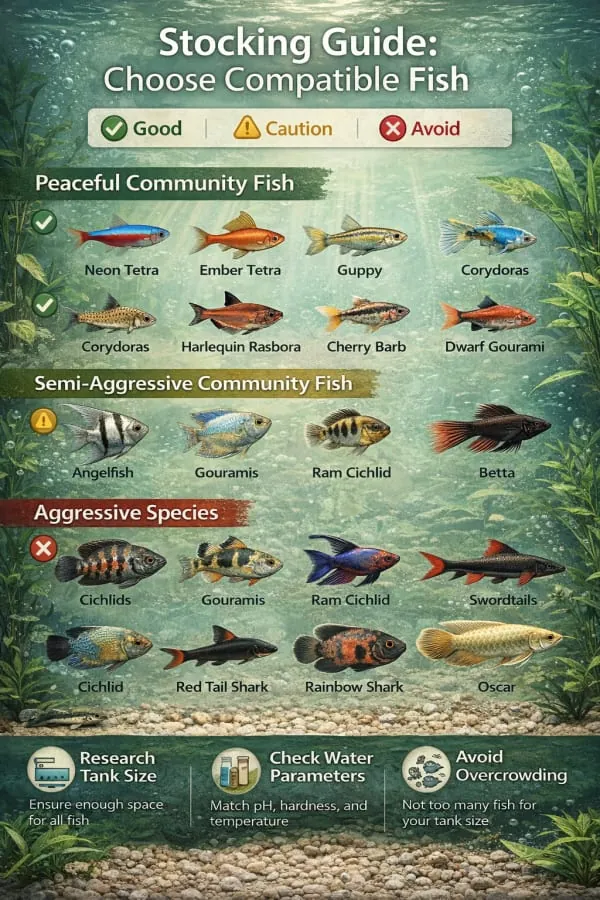
Choose compatible fish: school sizes, swimming zones, aggression, temperature and hardness matching, and honest bioload math for a peaceful community.
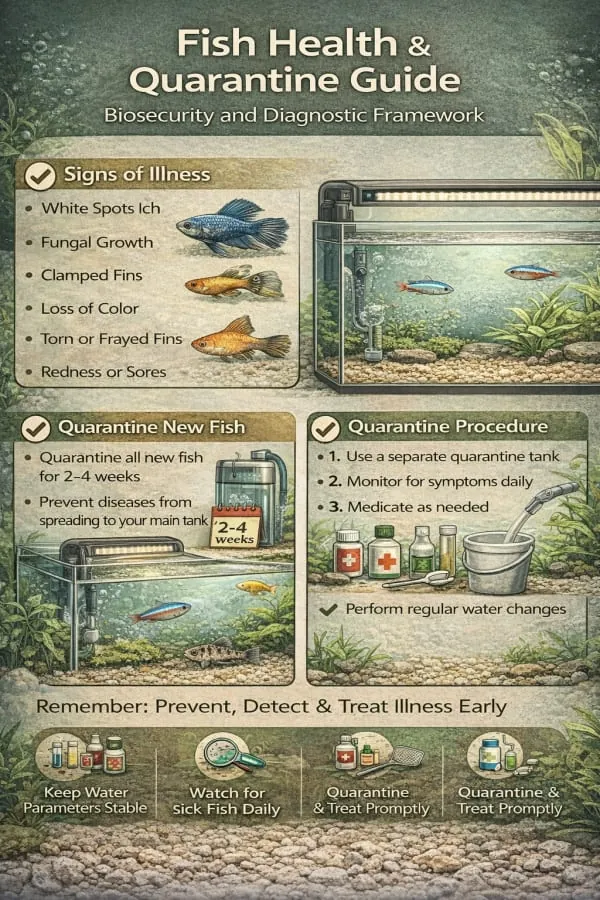
Quarantine new fish, spot the early warning signs, and treat disease without wrecking your tank. A practical freshwater fish health guide.
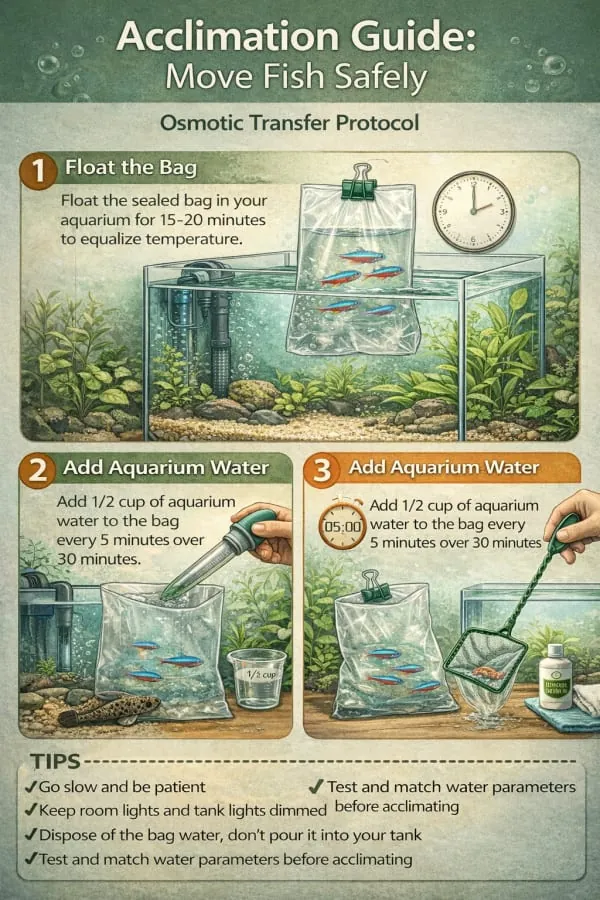
Acclimate new fish, shrimp, and coral safely: temperature floating, drip acclimation, plop-and-drop for shipped livestock, and the first 24 hours.
Keeping Leopard Frog Plecostomus?
AquaLens identifies your fish and plants from a photo, tracks water chemistry, and flags health issues early — free on iOS and Android.