Lobo Brain Coral Care Guide
Lobophyllia hemprichii · Saltwater LPS Coral
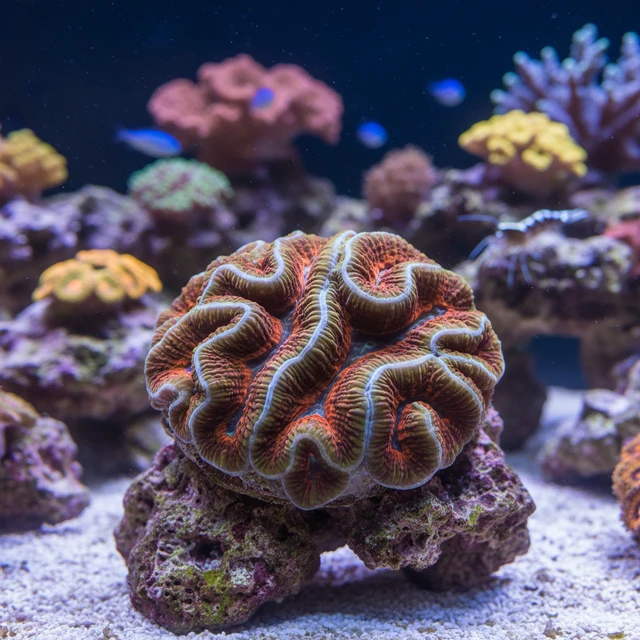
What Lobo Brain Coral look like
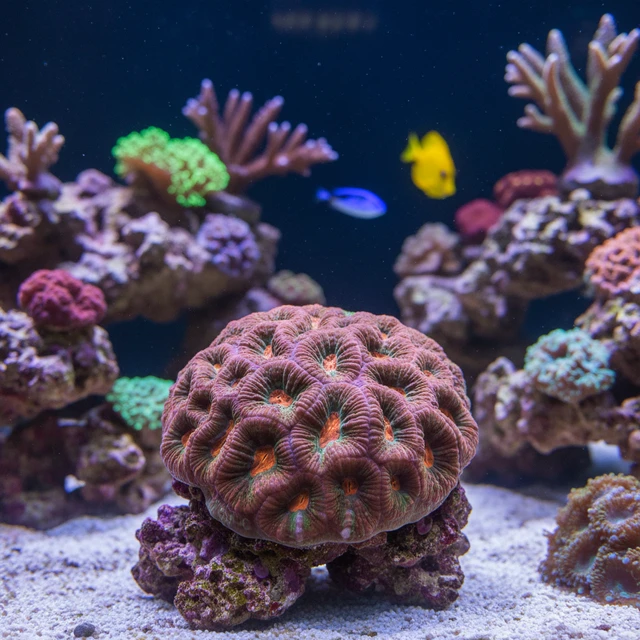
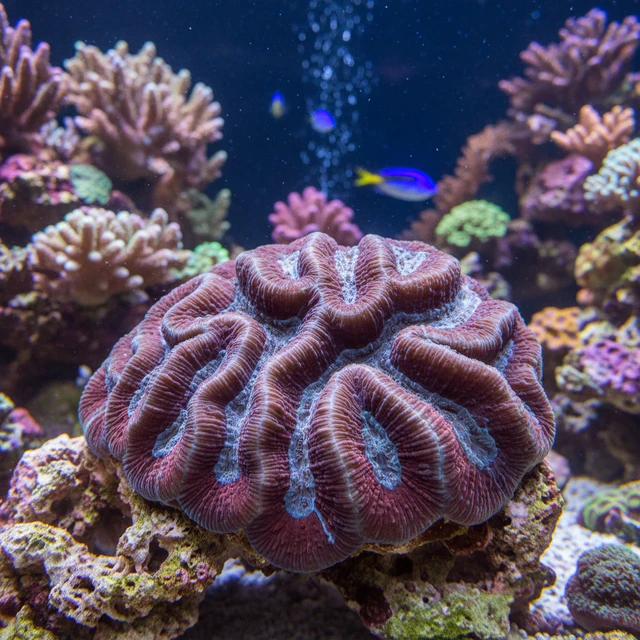
Lobophyllia hemprichii, commonly known as Lobo Brain Coral, exhibits a robust, encrusting morphology characterized by its large, fleshy polyps that can extend significantly during the night. The maximum adult size can reach up to 12 inches in diameter, with a thick, meaty skeleton that is often brightly colored in shades of green, brown, or red, depending on the environmental conditions and light exposure. This species displays minimal sexual dimorphism, though polyps may vary slightly in size and color intensity between individuals. Unique morphological features include prominent, sinuous ridges and valleys that create a labyrinthine appearance, along with a well-defined corallite structure that houses individual polyps. Defensive adaptations include the presence of nematocysts within the tentacles, which can deliver a mild sting to deter potential predators, and a thick tissue layer that provides protection against physical damage and desiccation.
Behavior & temperament
Lobophyllia hemprichii is primarily a solitary coral species, exhibiting a relatively sedentary lifestyle with limited movement. It extends its polyps primarily at night to feed on plankton and organic detritus, employing a passive feeding strategy that relies on its tentacles to capture food particles. This species does not engage in aggressive interactions with neighboring corals but can exhibit competition for space and light through overgrowth. The coral's polyps exhibit rhythmic extension and retraction patterns, maximizing feeding opportunities while minimizing exposure to potential threats. While generally peaceful, it can exhibit some territorial behavior if placed too closely to other corals.
Diet & feeding
Lobophyllia hemprichii is a facultative heterotroph, primarily feeding on zooplankton and organic detritus in its natural habitat. In captivity, it requires a diet supplemented with finely chopped meaty foods, such as mysis shrimp and other marine proteins, along with regular feedings of phytoplankton to support its nutritional needs.
Behind the name
The genus name 'Lobophyllia' is derived from the Greek words 'lobos,' meaning 'lobe,' and 'phyllon,' meaning 'leaf,' referring to the lobe-like structure of the coral's polyps. The species name 'hemprichii' honors the German naturalist Wilhelm Hemprich, who contributed to marine biology.
Plan your tank
Check the numbers before you buy: tank volume, salinity, salt mix, water changes, and your ongoing care routine. Keeping reef? Start from the Saltwater & Reef hub.
Keep reading
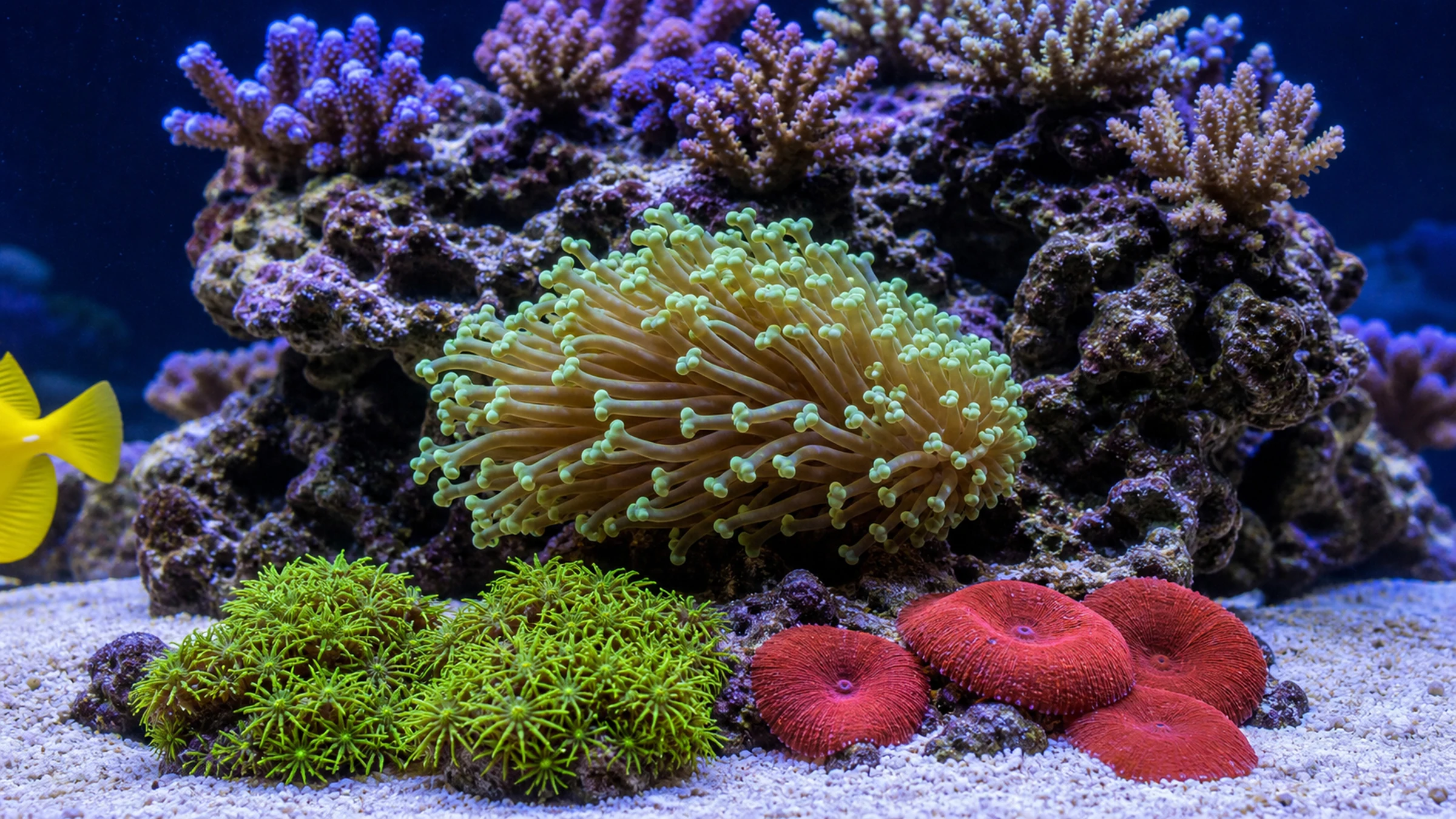
How to place corals by light and flow, PAR targets for softies, LPS, and SPS, dipping new corals for pests, and acclimating them without bleaching.

What every reef parameter means and where to keep it: salinity, temperature, pH, alkalinity, calcium, magnesium, nitrate, and phosphate.
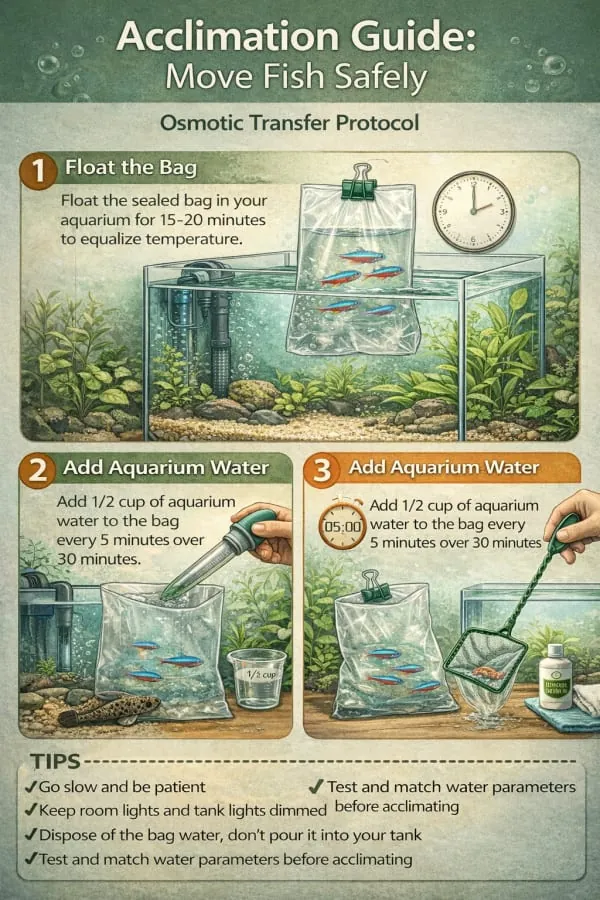
Acclimate new fish, shrimp, and coral safely: temperature floating, drip acclimation, plop-and-drop for shipped livestock, and the first 24 hours.
Keeping Lobo Brain Coral?
AquaLens identifies your fish and plants from a photo, tracks water chemistry, and flags health issues early — free on iOS and Android.