Symphyllia Brain Coral Care Guide
Lobophyllia simplex · Saltwater LPS Coral
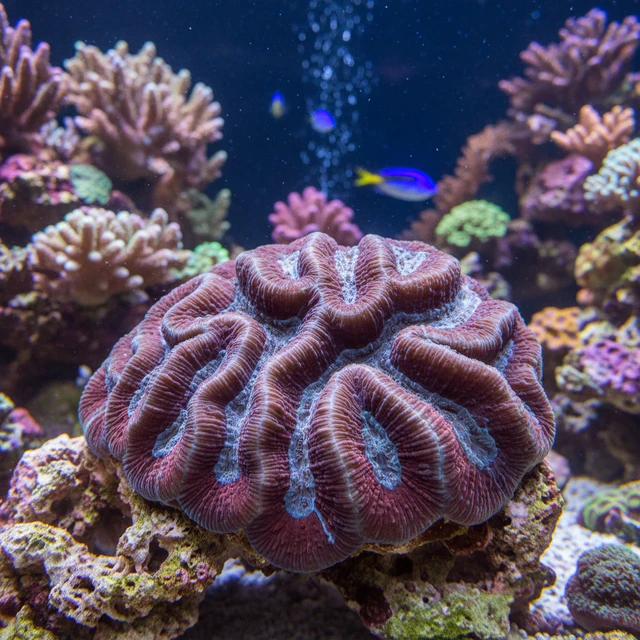
What Symphyllia Brain Coral look like
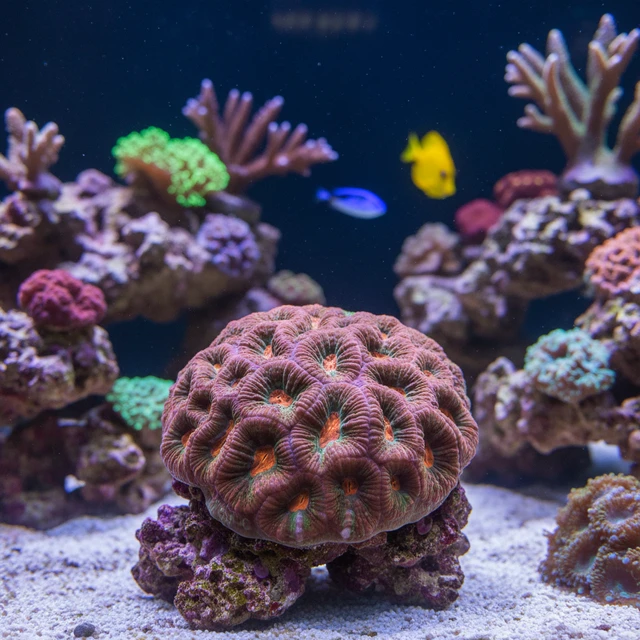
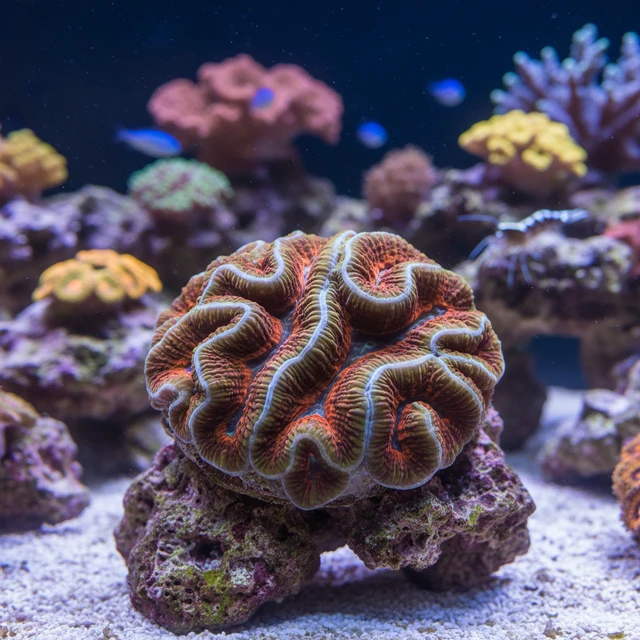
Lobophyllia simplex, commonly known as Symphyllia Brain Coral, exhibits a robust and complex morphology characterized by its large, fleshy polyps that can reach up to 30 cm in diameter. The coral's structure is composed of a series of convoluted ridges and valleys, which are formed by the fusion of multiple polyps. The coloration ranges from deep greens to vibrant oranges and browns, often with contrasting patterns that enhance its aesthetic appeal. This species displays minimal sexual dimorphism, with both male and female polyps exhibiting similar external features. Defensive adaptations include a well-developed mesenterial filaments that can be extended to deter potential predators, as well as a potent array of nematocysts for stinging. Unique morphological features include its prominent septa, which are thick and pronounced, providing structural integrity and facilitating the expansion of the polyp during feeding.
Behavior & temperament
Lobophyllia simplex is primarily a solitary coral that exhibits a relatively passive behavior compared to more aggressive LPS species. It typically occupies a fixed position on the reef, extending its polyps during the night to feed on zooplankton and phytoplankton. The polyps exhibit a rhythmic extension and retraction pattern, maximizing feeding efficiency while minimizing exposure to potential threats. While generally non-aggressive, it can engage in competition for space and resources with neighboring corals, utilizing its stinging capabilities when necessary. This species does not form symbiotic relationships with zooxanthellae, relying instead on heterotrophic feeding.
Diet & feeding
Lobophyllia simplex is a heterotrophic coral that primarily feeds on zooplankton and phytoplankton in the wild. In captivity, it requires a diet supplemented with meaty foods such as mysis shrimp and high-quality coral pellets to thrive.
Behind the name
The genus name 'Lobophyllia' is derived from the Greek words 'lobos' meaning 'lobe' and 'phyllon' meaning 'leaf', referring to the lobed appearance of the coral's polyps. The species name 'simplex' is Latin for 'simple' or 'uncomplicated', likely referring to its straightforward polyp structure.
Plan your tank
Check the numbers before you buy: tank volume, salinity, salt mix, water changes, and your ongoing care routine. Keeping reef? Start from the Saltwater & Reef hub.
Keep reading
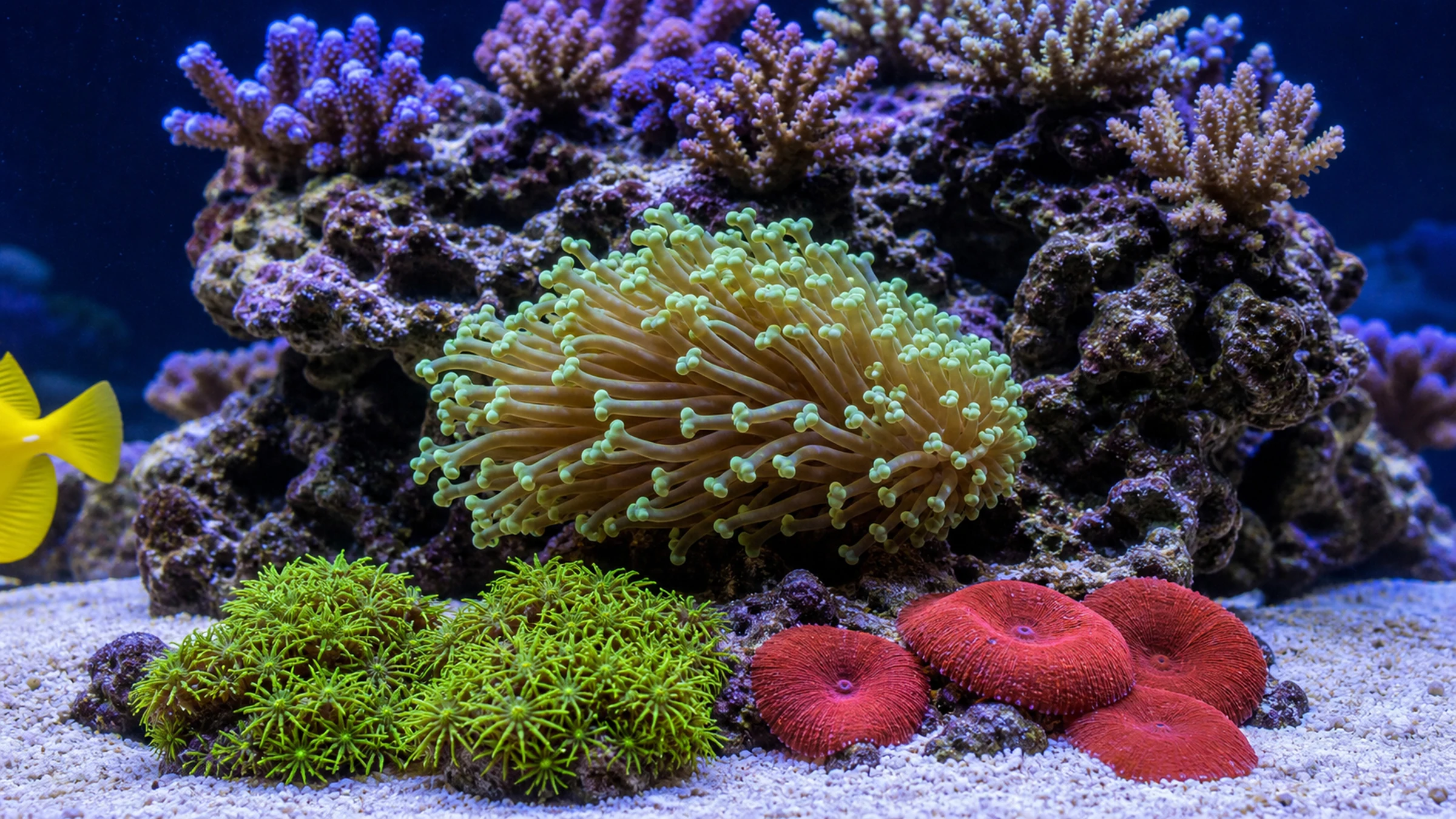
How to place corals by light and flow, PAR targets for softies, LPS, and SPS, dipping new corals for pests, and acclimating them without bleaching.
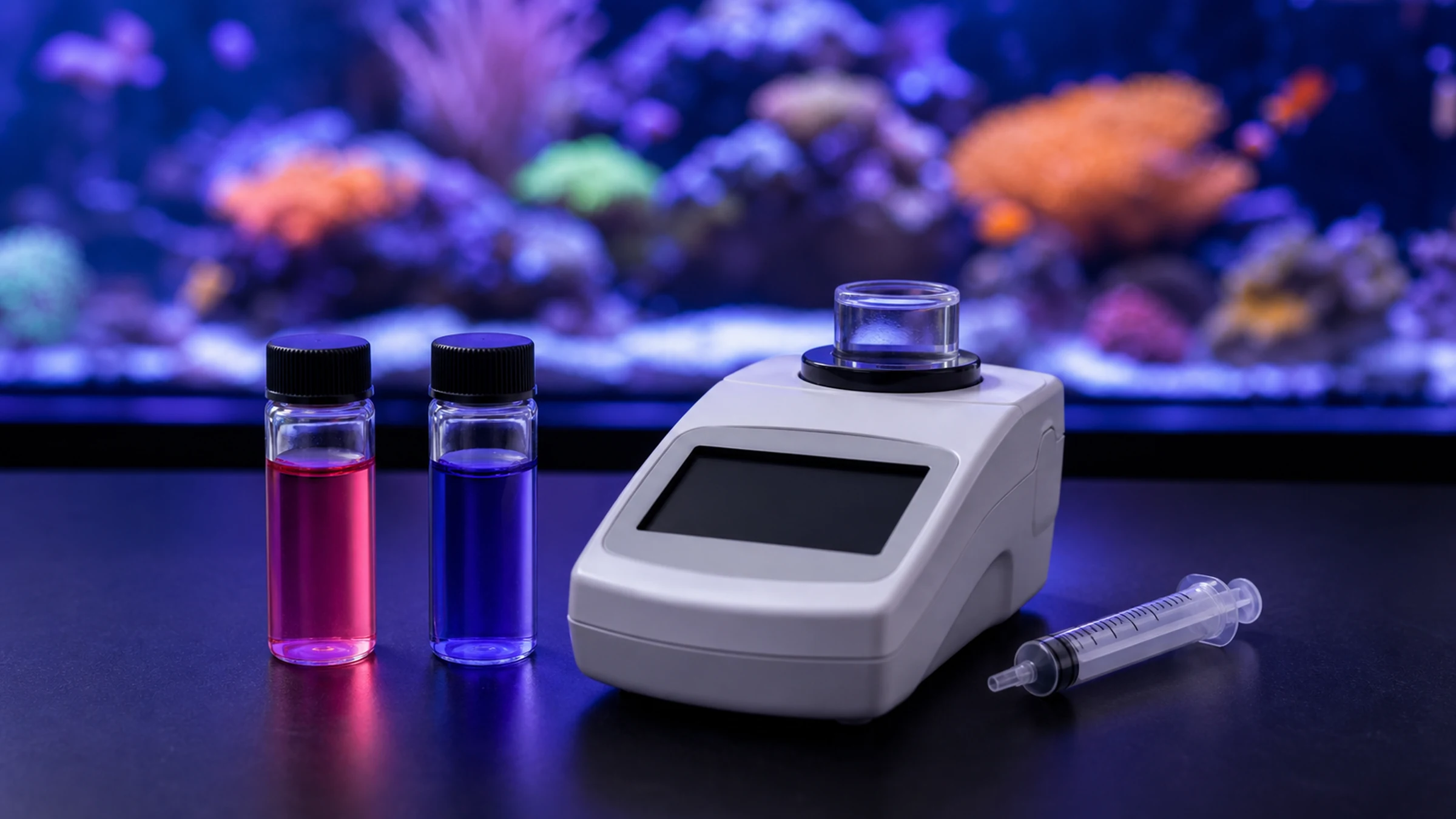
What every reef parameter means and where to keep it: salinity, temperature, pH, alkalinity, calcium, magnesium, nitrate, and phosphate.
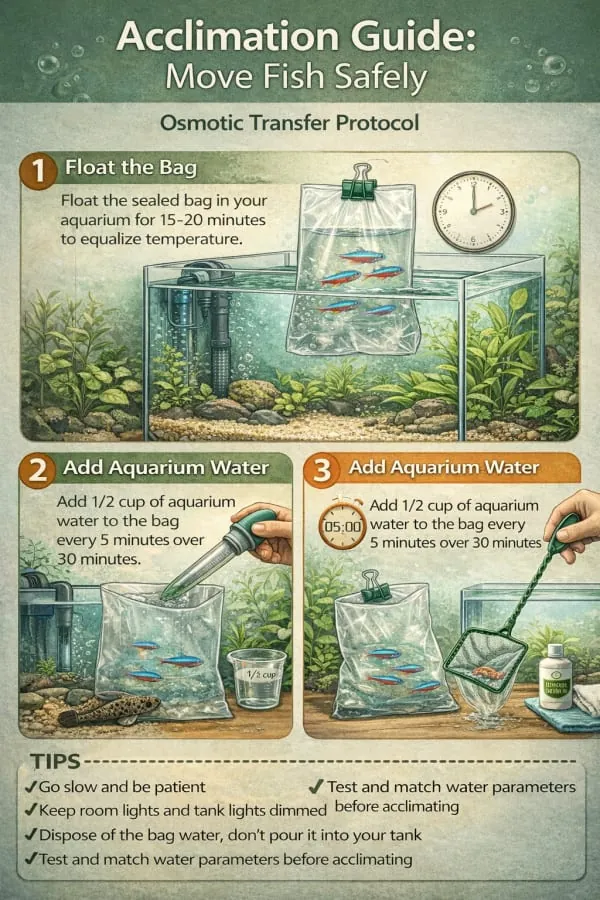
Acclimate new fish, shrimp, and coral safely: temperature floating, drip acclimation, plop-and-drop for shipped livestock, and the first 24 hours.
Keeping Symphyllia Brain Coral?
AquaLens identifies your fish and plants from a photo, tracks water chemistry, and flags health issues early — free on iOS and Android.