Lobophyllia Brain Coral Care Guide
Lobophyllia corymbosa · Saltwater LPS Coral
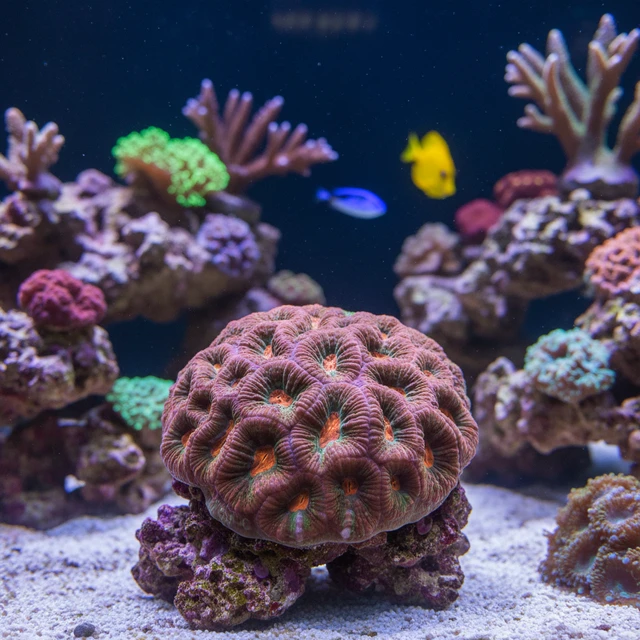
What Lobophyllia Brain Coral look like
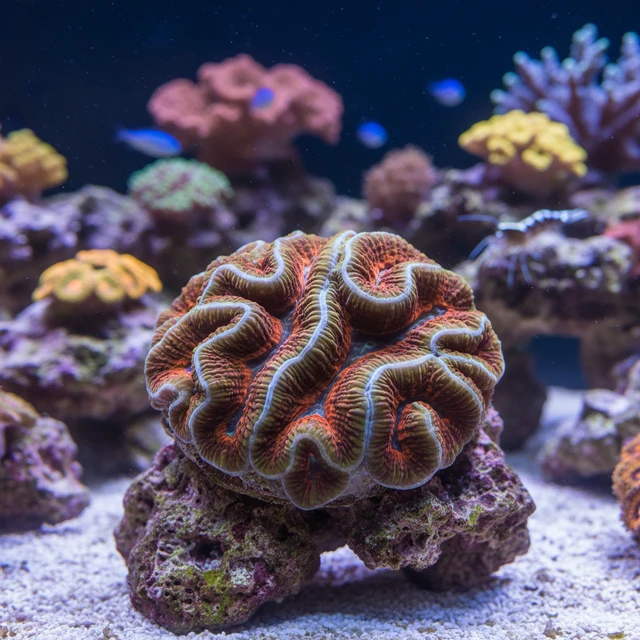
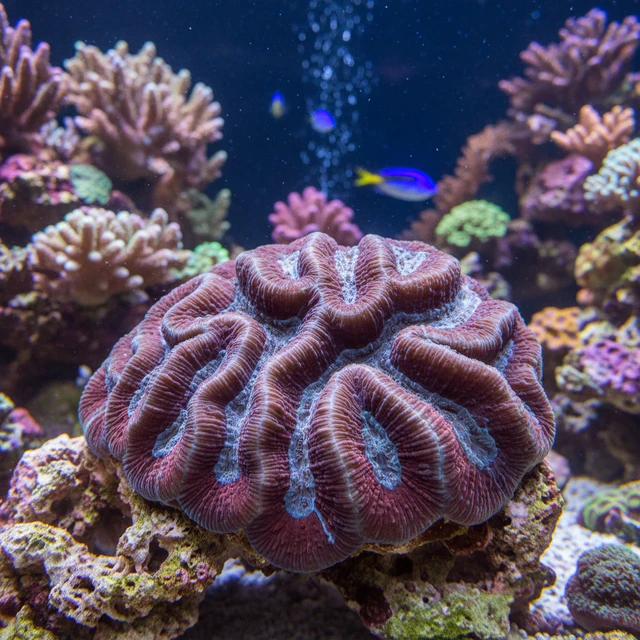
Lobophyllia corymbosa, commonly known as Lobophyllia Brain Coral, exhibits a robust, lobed structure characterized by its fleshy, meandering valleys and ridges that create a distinctive brain-like appearance. This species can reach a maximum adult size of approximately 12 inches (30 cm) in diameter. Sexual dimorphism is not pronounced in this species; however, variations in coloration may be observed, ranging from deep greens to vibrant reds and browns, influenced by environmental factors. Defensive adaptations include a potent array of nematocysts embedded within the tissue, which can deliver a mild sting to deter potential predators. Unique morphological features include prominent septa that are often visible in cross-section, contributing to its structural integrity and resilience in fluctuating reef environments.
Behavior & temperament
Lobophyllia corymbosa is primarily a sessile organism, exhibiting limited movement through the extension and retraction of its polyps, which can reach several centimeters in length during feeding. This coral species is predominantly nocturnal, extending its polyps at night to capture plankton and organic debris from the water column. It often engages in competitive behaviors with neighboring corals, utilizing its stinging tentacles to assert dominance over space and resources. While generally peaceful, it can exhibit aggressive tendencies when in close proximity to other corals, particularly during feeding times.
Diet & feeding
Lobophyllia corymbosa is a facultative heterotroph, primarily feeding on zooplankton and particulate organic matter filtered from the water column. In captivity, it thrives on a diet of meaty foods such as mysis shrimp, brine shrimp, and specialized coral foods that provide essential nutrients.
Behind the name
The genus name 'Lobophyllia' derives from the Greek words 'lobos' meaning 'lobe' and 'phyllon' meaning 'leaf', referring to its lobed appearance. The species name 'corymbosa' comes from the Latin 'corymbus', meaning 'clustered', indicative of its growth form.
Plan your tank
Check the numbers before you buy: tank volume, salinity, salt mix, water changes, and your ongoing care routine. Keeping reef? Start from the Saltwater & Reef hub.
Keep reading
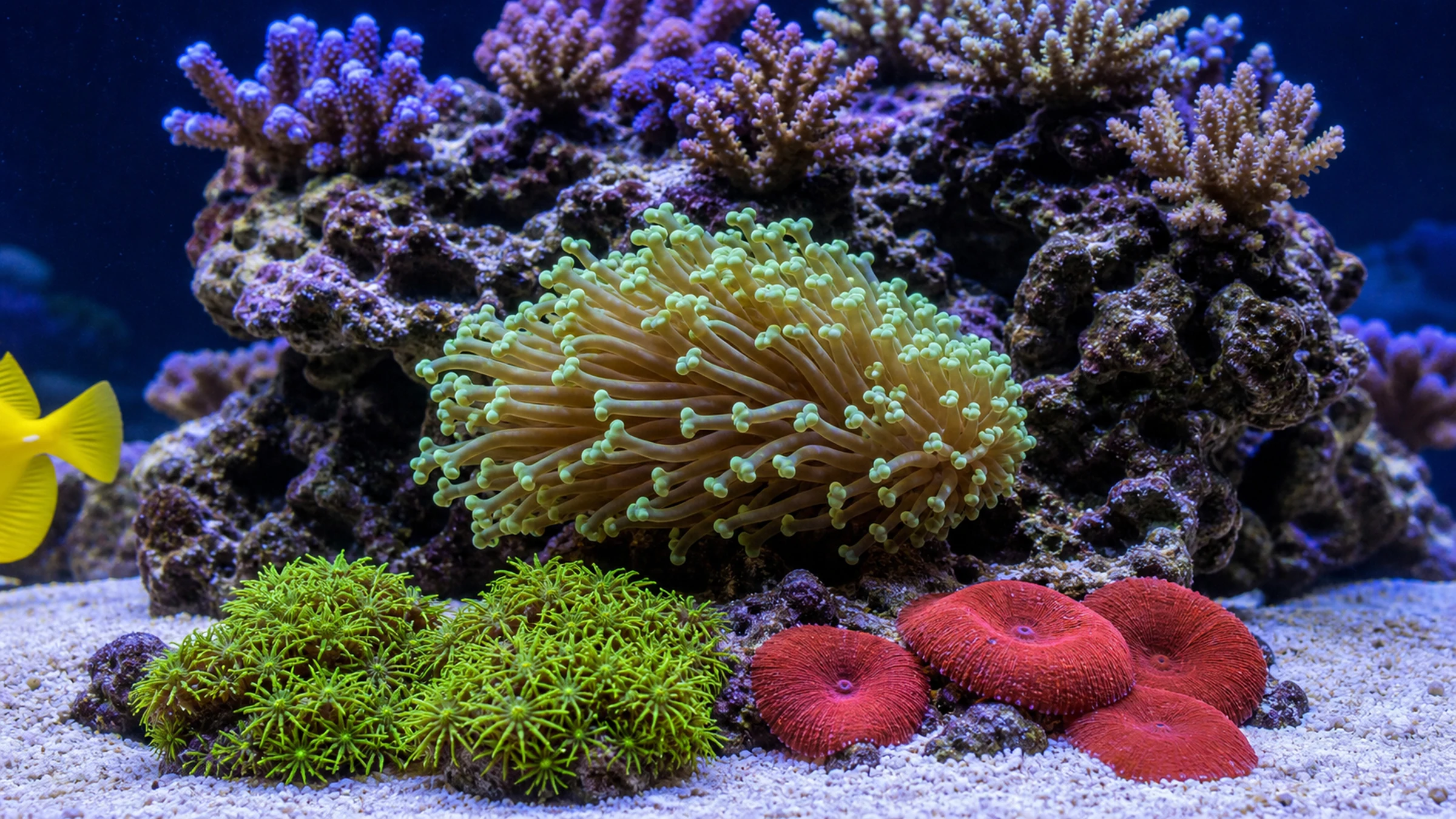
How to place corals by light and flow, PAR targets for softies, LPS, and SPS, dipping new corals for pests, and acclimating them without bleaching.

What every reef parameter means and where to keep it: salinity, temperature, pH, alkalinity, calcium, magnesium, nitrate, and phosphate.

Acclimate new fish, shrimp, and coral safely: temperature floating, drip acclimation, plop-and-drop for shipped livestock, and the first 24 hours.
Keeping Lobophyllia Brain Coral?
AquaLens identifies your fish and plants from a photo, tracks water chemistry, and flags health issues early — free on iOS and Android.