Electric Yellow Lab Care Guide
Labidochromis caeruleus · Freshwater Fish
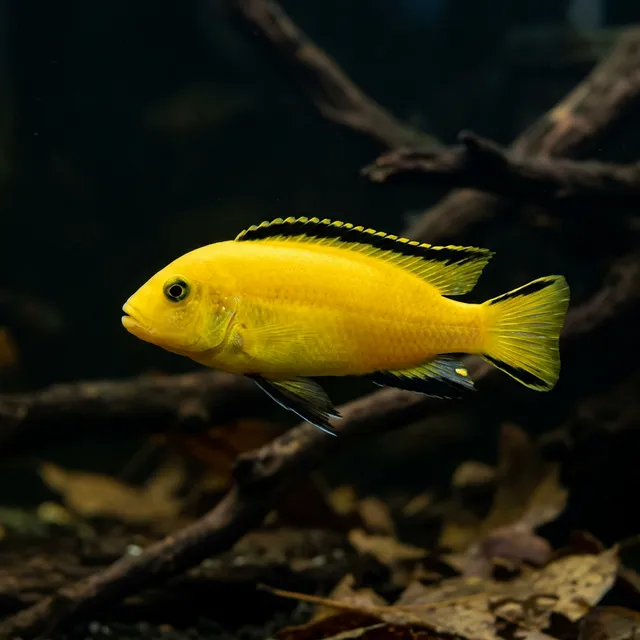
What Electric Yellow Lab look like
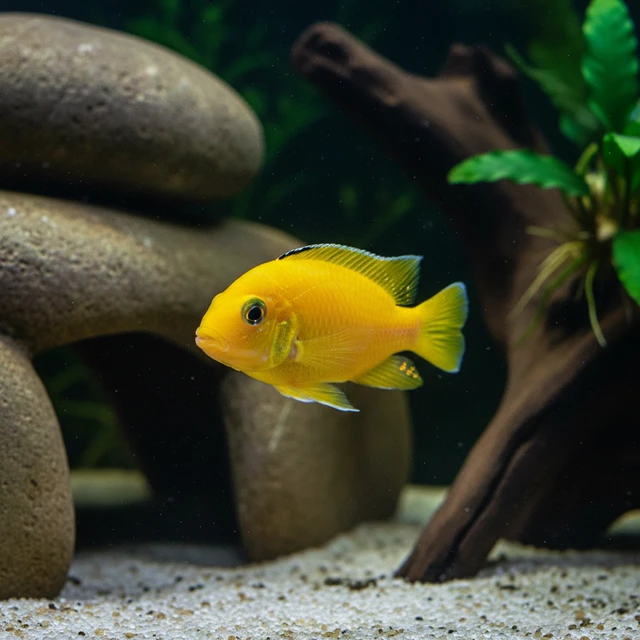
Labidochromis caeruleus, commonly known as the Electric Yellow Lab, exhibits a strikingly vibrant coloration, predominantly bright yellow, which can vary in intensity among individuals. This species typically reaches a maximum adult size of approximately 5 to 6 inches (12 to 15 cm) in length. Sexual dimorphism is evident, with males displaying more pronounced coloration and larger dorsal fins compared to the generally smaller and less colorful females. The body is laterally compressed and fusiform, facilitating agile movements in their rocky habitat. Notable morphological features include a well-developed lateral line system, which aids in detecting vibrations in the water, and a set of pharyngeal teeth adapted for grazing on algae. The dorsal fin is elongated and pointed, while the anal fin is rounded, contributing to their streamlined appearance. Defensive adaptations include a tendency to retreat into crevices among rocks when threatened, utilizing their coloration for camouflage.
Behavior & temperament
Electric Yellow Labs are social fish that exhibit a hierarchical structure within their groups, often forming loose schools in their natural habitat. They primarily inhabit the rocky substrates of Lake Malawi, dwelling in the mid to lower water column. During breeding, they are mouthbrooders, with females incubating eggs in their buccal cavity until they hatch, showcasing a unique reproductive strategy among cichlids. Their temperament is generally peaceful, though males can display territorial aggression, especially during breeding periods. They are known to establish and defend territories, particularly in spawning areas, but typically coexist amicably with other species in a well-structured community tank.
Diet & feeding
In the wild, Labidochromis caeruleus primarily feeds on algae and small invertebrates, making them omnivorous grazers. In captivity, they require a balanced diet that includes high-quality flake food, spirulina-based pellets, and occasional live or frozen foods to ensure optimal health and coloration.
Behind the name
Labidochromis (from Greek 'labido' meaning 'lip' and 'chroma' meaning 'color'); caeruleus (from Latin meaning 'blue' or 'sky blue').
Plan your tank
Check the numbers before you buy: tank volume, a stocking plan, cycle progress, water changes, and your ongoing care routine.
Keep reading

Choose compatible fish: school sizes, swimming zones, aggression, temperature and hardness matching, and honest bioload math for a peaceful community.
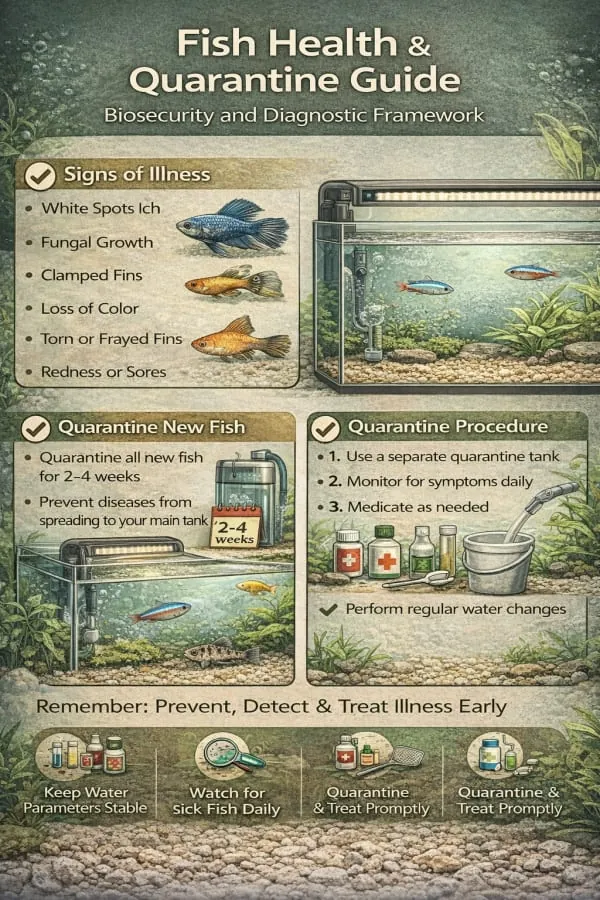
Quarantine new fish, spot the early warning signs, and treat disease without wrecking your tank. A practical freshwater fish health guide.
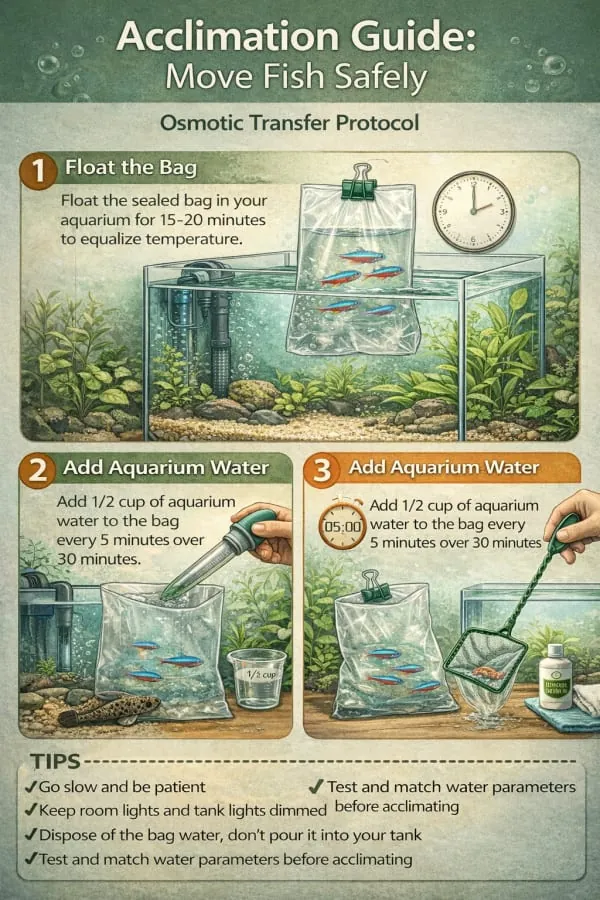
Acclimate new fish, shrimp, and coral safely: temperature floating, drip acclimation, plop-and-drop for shipped livestock, and the first 24 hours.
Keeping Electric Yellow Lab?
AquaLens identifies your fish and plants from a photo, tracks water chemistry, and flags health issues early — free on iOS and Android.