Orange Eye Blue Tiger Care Guide
Caridina cantonensis var. OEBT · Freshwater Invert
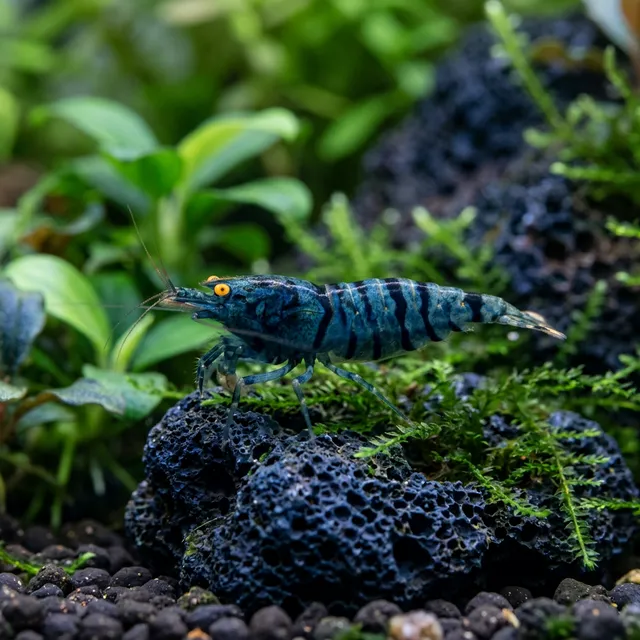
What Orange Eye Blue Tiger look like
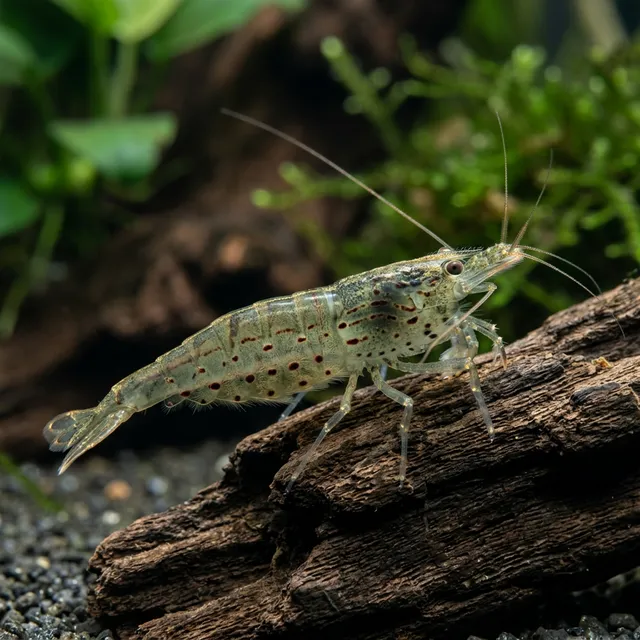
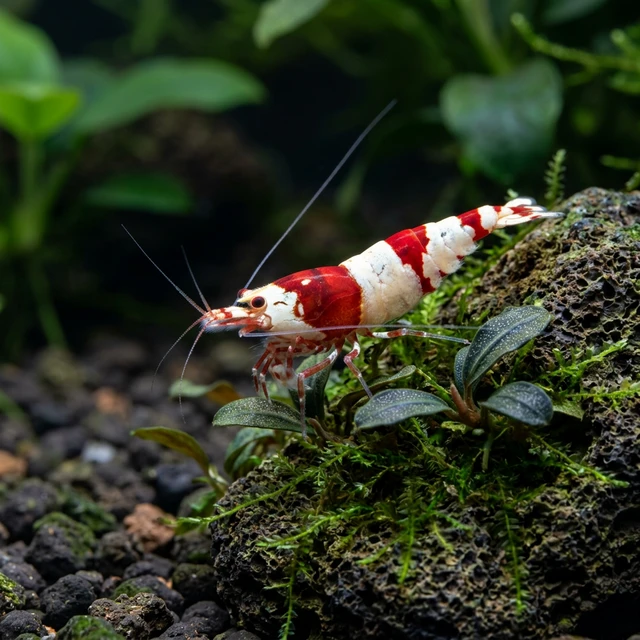
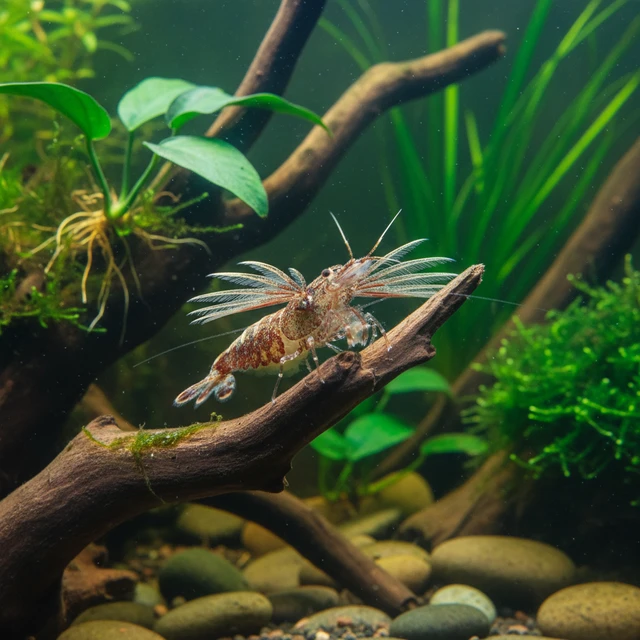
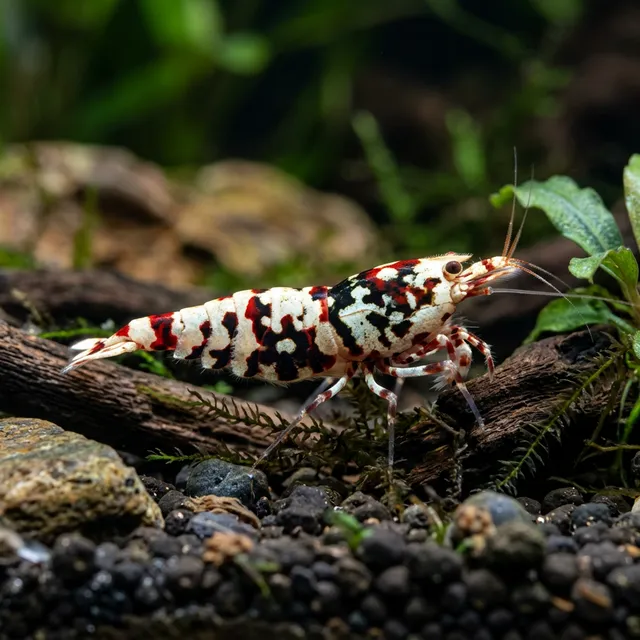
Caridina cantonensis var. OEBT, commonly known as the Orange Eye Blue Tiger shrimp, exhibits a striking morphology characterized by a deep steel blue to dark blue body adorned with prominent darker blue-black tiger stripes. This small shrimp typically reaches a maximum adult size of approximately 1-1.2 inches (2.5-3 cm). Sexual dimorphism is subtle; females tend to be slightly larger and may exhibit a fuller abdomen when carrying eggs. The defining morphological feature of this variety is its vivid orange eyes, which create a stark contrast against the blue body, making it easily identifiable. The shrimp possesses a laterally compressed body, with well-developed antennae and a robust exoskeleton that provides some defensive adaptations against predation. The presence of a well-defined carapace and pleopods aids in locomotion and contributes to its benthic lifestyle, while the presence of a distinct rostrum enhances its feeding efficiency.
Behavior & temperament
The Orange Eye Blue Tiger shrimp is primarily a social organism, often found in small groups within its natural habitat, which encourages a communal lifestyle. It tends to dwell in the lower water column, exhibiting a benthic behavior as it forages for food among substrate and aquatic vegetation. This species is known for its peaceful temperament, making it an ideal inhabitant of community aquariums. Breeding behavior is characterized by the female carrying fertilized eggs in her pleopods until they hatch, a form of reproductive strategy known as ovoviviparity. The shrimp display minimal aggression, often cohabiting peacefully with other small invertebrates and fish, provided that tank mates are not large enough to pose a threat.
Diet & feeding
In the wild, the Orange Eye Blue Tiger shrimp is an omnivore, feeding on biofilm, detritus, and small organic particles. In captivity, it requires a varied diet that includes high-quality shrimp pellets, blanched vegetables, and occasional protein sources such as daphnia or brine shrimp to ensure optimal health and coloration.
Behind the name
Caridina (from Greek 'karis', meaning shrimp); cantonensis (referring to the region of Canton, China, where the species was first described).
Plan your tank
Check the numbers before you buy: tank volume, a stocking plan, cycle progress, water changes, and your ongoing care routine.
Keep reading

Choose compatible fish: school sizes, swimming zones, aggression, temperature and hardness matching, and honest bioload math for a peaceful community.
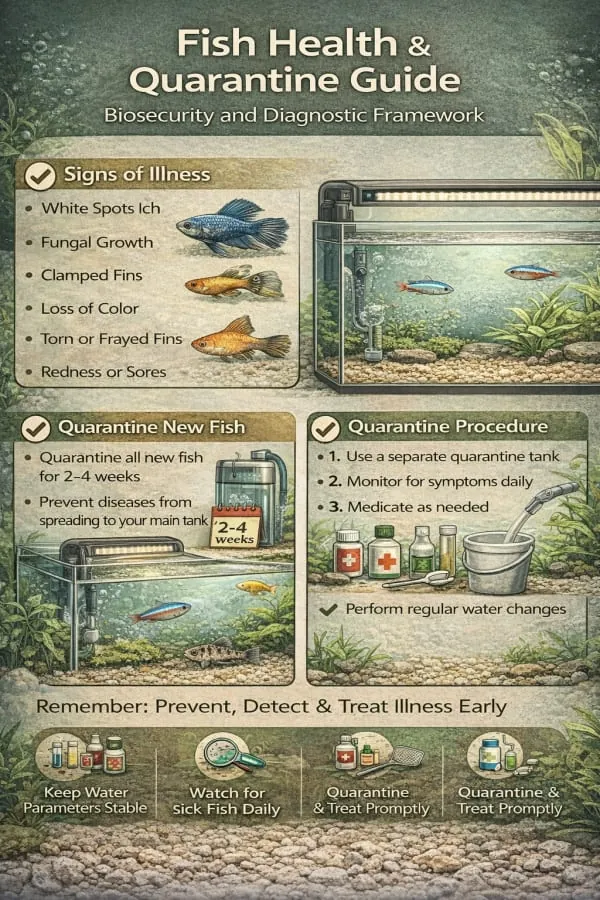
Quarantine new fish, spot the early warning signs, and treat disease without wrecking your tank. A practical freshwater fish health guide.

Acclimate new fish, shrimp, and coral safely: temperature floating, drip acclimation, plop-and-drop for shipped livestock, and the first 24 hours.
Keeping Orange Eye Blue Tiger?
AquaLens identifies your fish and plants from a photo, tracks water chemistry, and flags health issues early — free on iOS and Android.