Orange Zebra Otocinclus Care Guide
Nannoptopoma sp. Peru Orange · Freshwater Fish
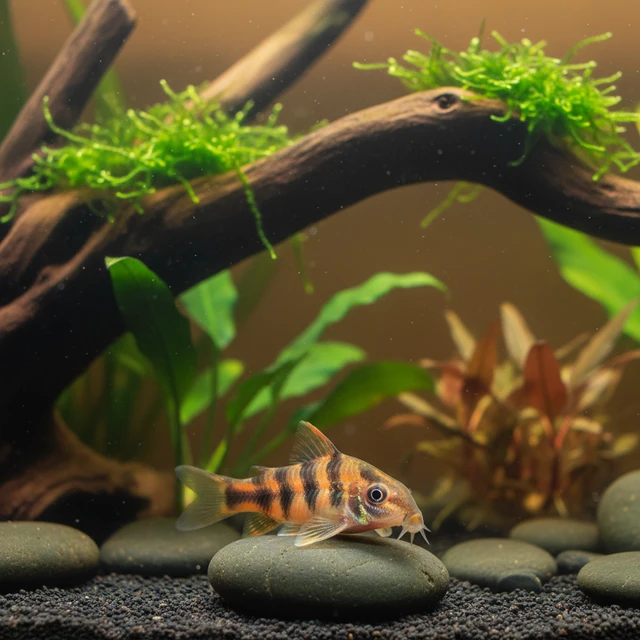
What Orange Zebra Otocinclus look like
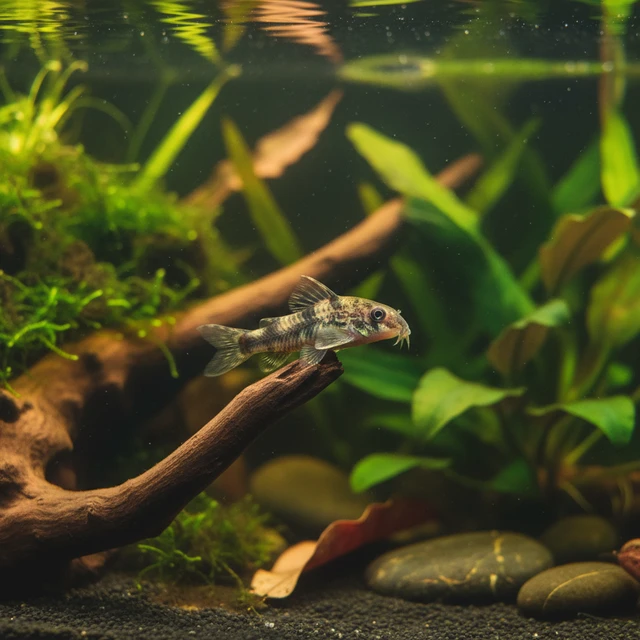
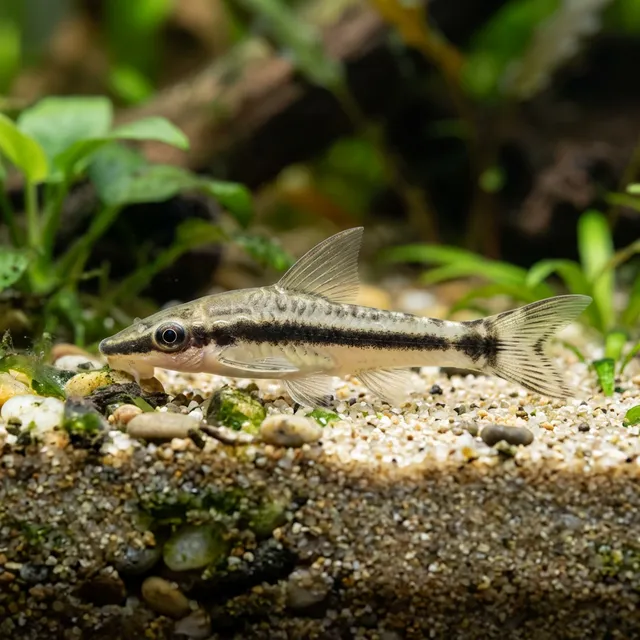
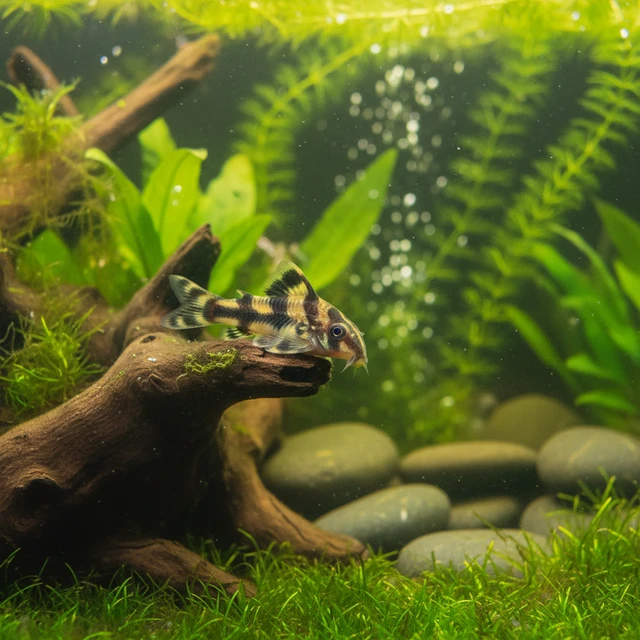
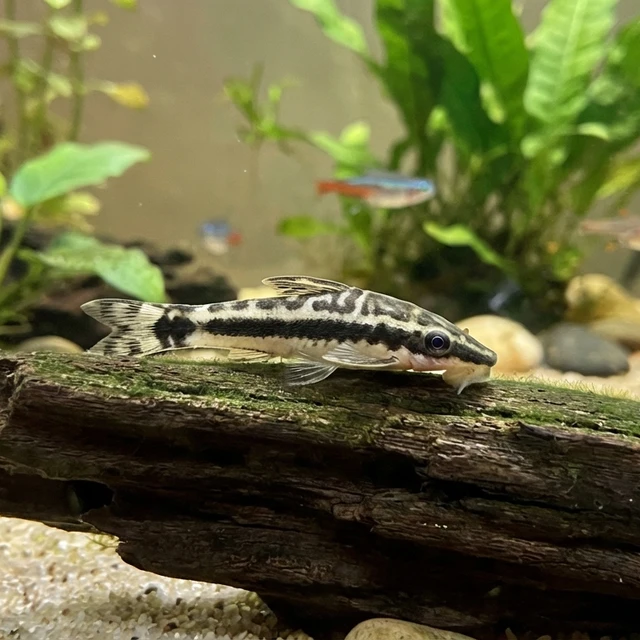
The Orange Zebra Otocinclus (Nannoptopoma sp. Peru Orange) is a diminutive freshwater fish characterized by its laterally compressed body, reaching a maximum adult size of approximately 3 inches (7.5 cm). This species exhibits sexual dimorphism, with males typically displaying more vibrant coloration and slightly elongated dorsal fins compared to females. The body is adorned with striking dark zebra-like barring, which is accentuated by warm orange hues, providing effective camouflage among aquatic vegetation. Its mouth is equipped with a small, specialized sucker adapted for grazing on biofilm and algae, while the body is armored with bony plates typical of the Loricariidae family. Notably, the Orange Zebra Otocinclus possesses a well-defined lateral line, which aids in detecting vibrations in the water, and features a small adipose fin that contributes to its streamlined shape.
Behavior & temperament
The Orange Zebra Otocinclus is a social species that thrives in small groups, often seen grazing on algae in a peaceful manner. This fish primarily inhabits the benthic zone of freshwater environments, where it forages among rocks and plant debris. It exhibits a non-aggressive temperament, making it an ideal candidate for community tanks. Breeding behavior remains largely undocumented in captivity, but it is presumed to be an egg scatterer, similar to other members of its genus. The species prefers to dwell near the substrate, where it can find ample food sources and shelter, and it exhibits a tendency to form loose aggregations rather than strict hierarchies.
Diet & feeding
In the wild, the Orange Zebra Otocinclus primarily feeds on algae, biofilm, and detritus, making it an obligate herbivore. In captivity, it requires a diet rich in high-quality spirulina flakes, algae wafers, and blanched vegetables to maintain optimal health.
Behind the name
Nannoptopoma (diminutive; small) and sp. (species); Peru (referring to its geographical origin).
Plan your tank
Check the numbers before you buy: tank volume, a stocking plan, cycle progress, water changes, and your ongoing care routine.
Keep reading

Choose compatible fish: school sizes, swimming zones, aggression, temperature and hardness matching, and honest bioload math for a peaceful community.
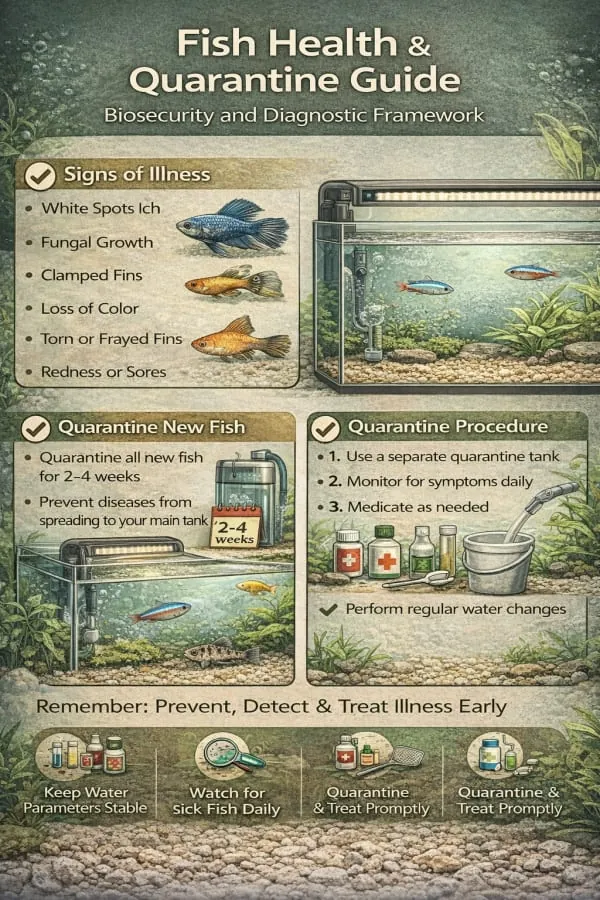
Quarantine new fish, spot the early warning signs, and treat disease without wrecking your tank. A practical freshwater fish health guide.
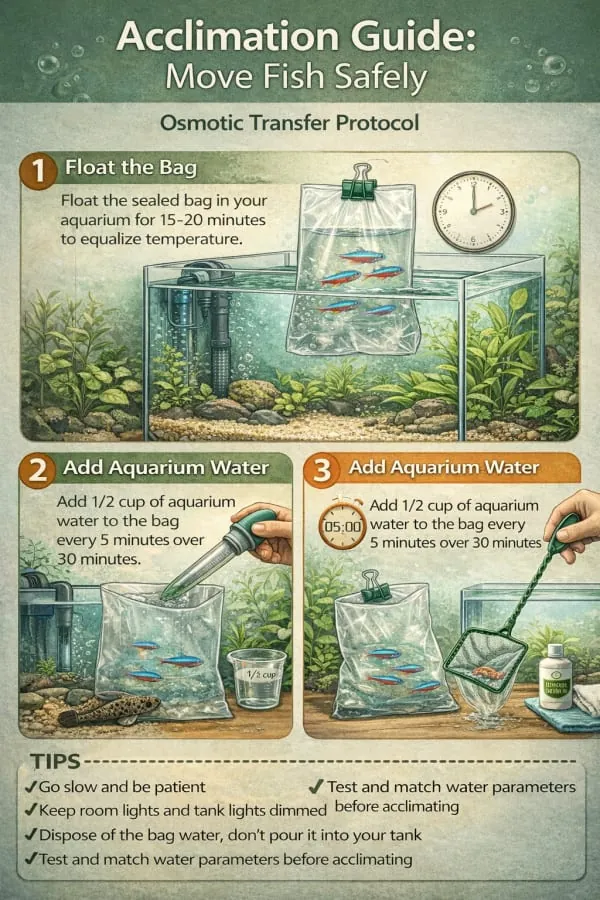
Acclimate new fish, shrimp, and coral safely: temperature floating, drip acclimation, plop-and-drop for shipped livestock, and the first 24 hours.
Keeping Orange Zebra Otocinclus?
AquaLens identifies your fish and plants from a photo, tracks water chemistry, and flags health issues early — free on iOS and Android.