Paradise Fish Care Guide
Macropodus opercularis · Freshwater Fish
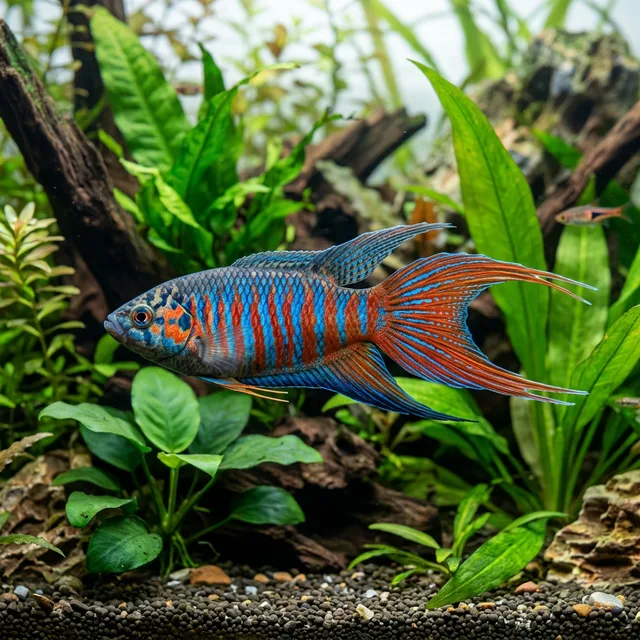
What Paradise Fish look like
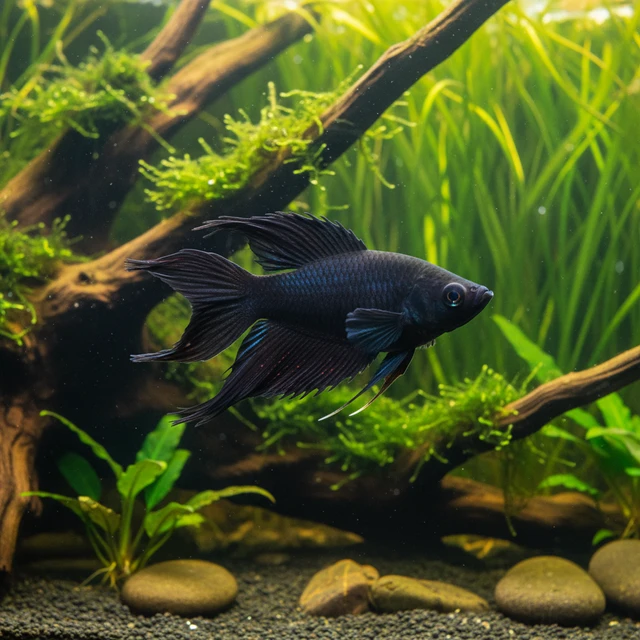
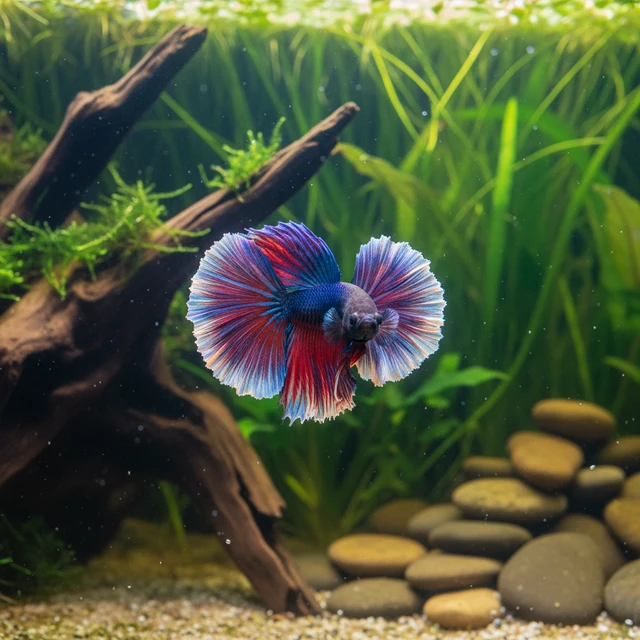
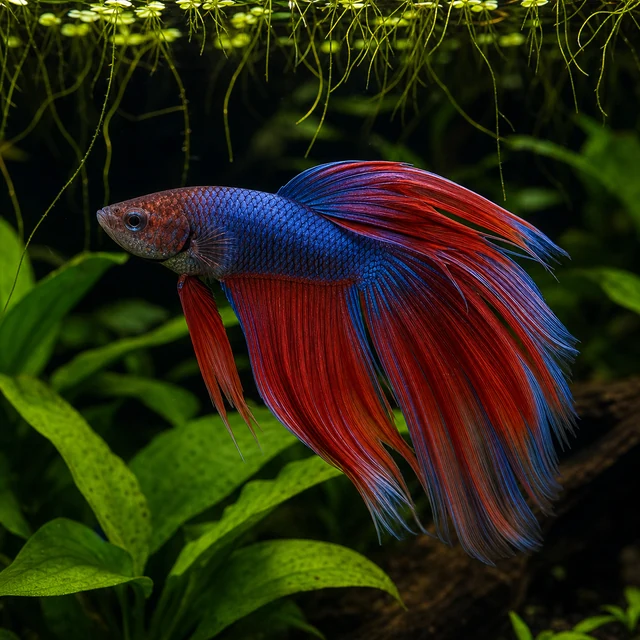
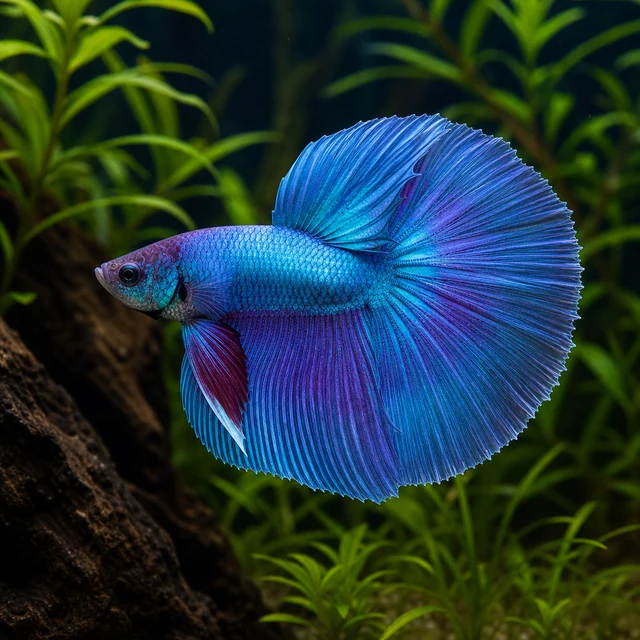
Macropodus opercularis, commonly known as the Paradise Fish, exhibits a laterally compressed, fusiform body shape, reaching a maximum adult size of approximately 5 to 6 inches (12 to 15 cm). The species is characterized by its striking coloration, featuring vibrant alternating vertical red and blue stripes that enhance its visual appeal. Sexual dimorphism is evident, with males typically displaying more pronounced coloration and longer, trailing, dramatically branching tail fins compared to the more subdued and shorter fins of females. The presence of an elongated dorsal fin and a well-developed anal fin further accentuates its aesthetic features. As a member of the Osphronemidae family, it possesses a labyrinth organ, allowing it to breathe atmospheric air, which is a crucial adaptation for survival in oxygen-poor waters. Defensive adaptations include its aggressive behavior and territorial nature, which serve to deter potential predators.
Behavior & temperament
Paradise Fish are known for their aggressive and territorial behavior, particularly among males, which often leads to displays of dominance and combat during breeding seasons. They are generally solitary or can be found in loose aggregations, but they do not form strict schools. This species primarily occupies the middle to upper water column, often dwelling near the surface or in densely vegetated areas. Breeding behavior involves the construction of bubble nests by males, who are mouthbrooders, caring for the eggs and fry until they are free-swimming. Their temperament can be described as bold and assertive, making them unsuitable for peaceful community tanks.
Diet & feeding
In the wild, Macropodus opercularis is a carnivore, primarily feeding on small invertebrates and zooplankton. In captivity, they require a diet rich in protein, including high-quality pellets, frozen or live foods such as bloodworms and brine shrimp to maintain their health and vibrancy.
Behind the name
Macropodus (large foot); opercularis (pertaining to the operculum, or gill cover).
Plan your tank
Check the numbers before you buy: tank volume, a stocking plan, cycle progress, water changes, and your ongoing care routine.
Keep reading
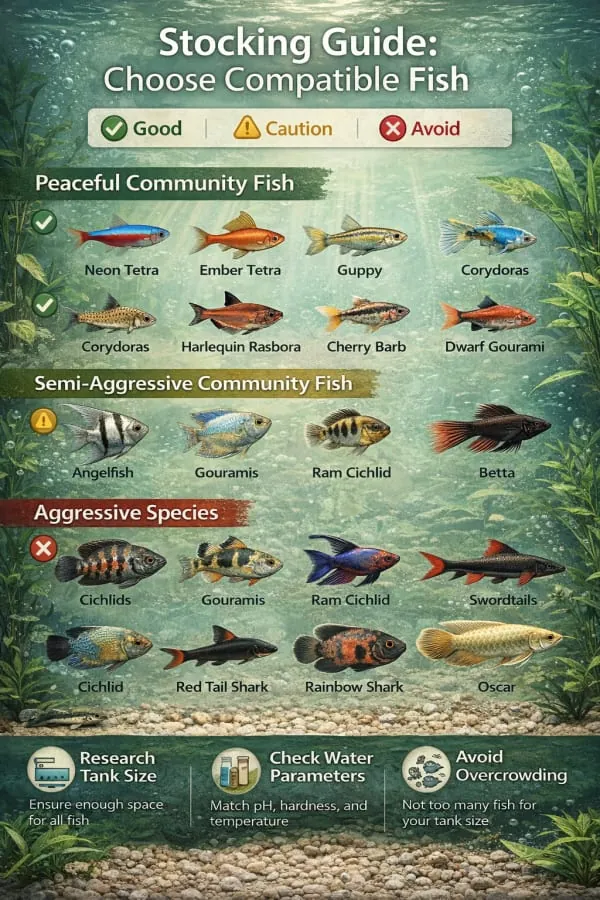
Choose compatible fish: school sizes, swimming zones, aggression, temperature and hardness matching, and honest bioload math for a peaceful community.
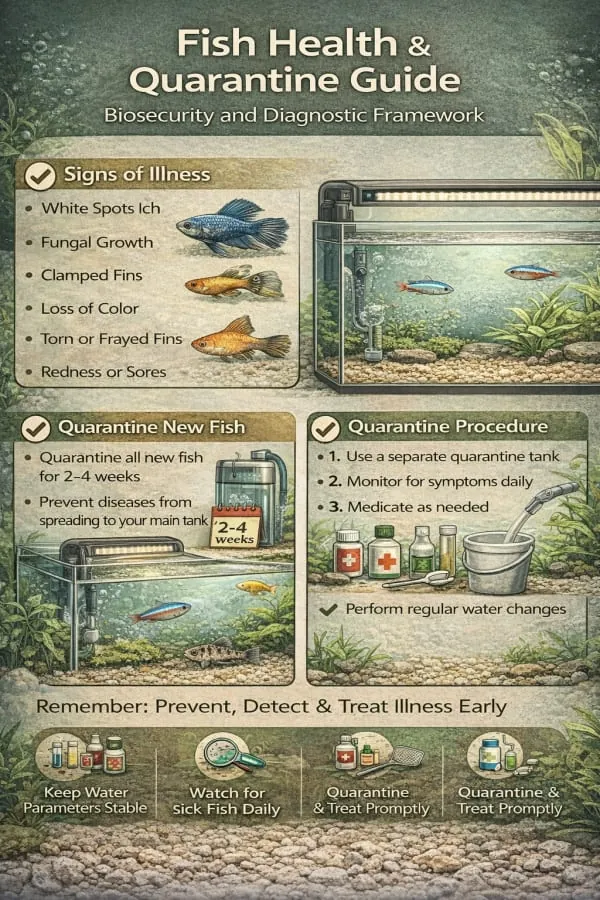
Quarantine new fish, spot the early warning signs, and treat disease without wrecking your tank. A practical freshwater fish health guide.
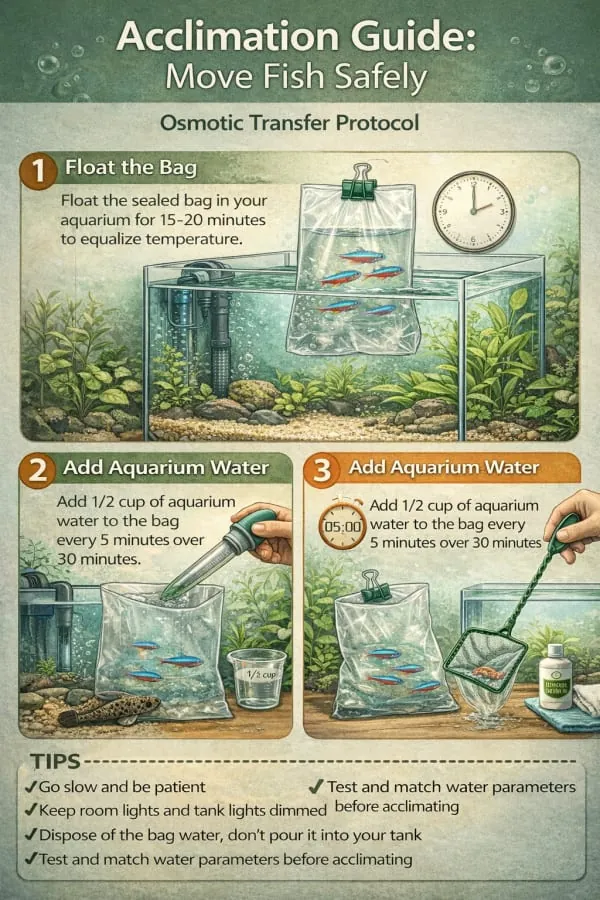
Acclimate new fish, shrimp, and coral safely: temperature floating, drip acclimation, plop-and-drop for shipped livestock, and the first 24 hours.
Keeping Paradise Fish?
AquaLens identifies your fish and plants from a photo, tracks water chemistry, and flags health issues early — free on iOS and Android.