Rubber Lip Pleco Care Guide
Chaetostoma formosae · Freshwater Fish
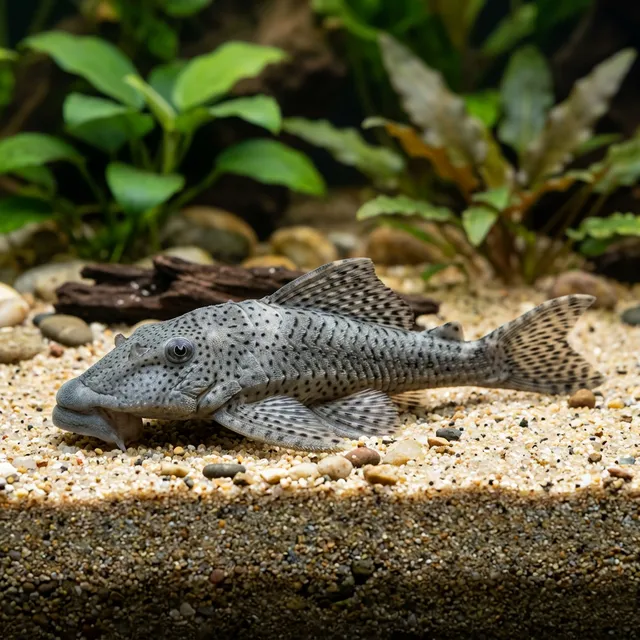
What Rubber Lip Pleco look like
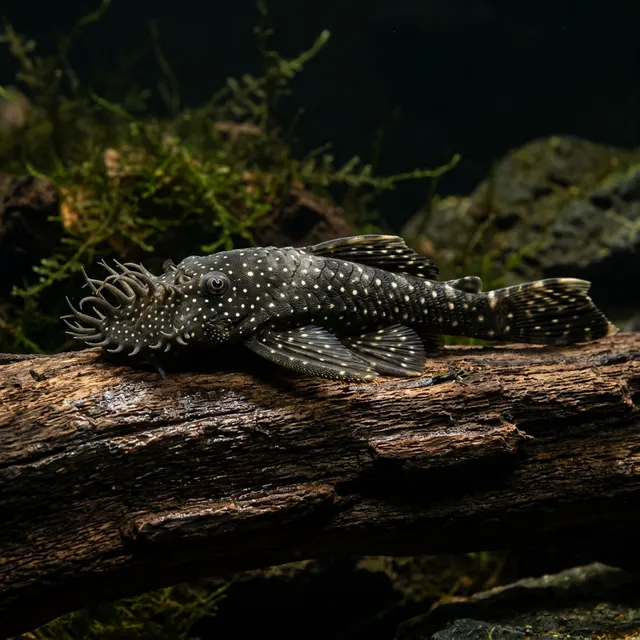
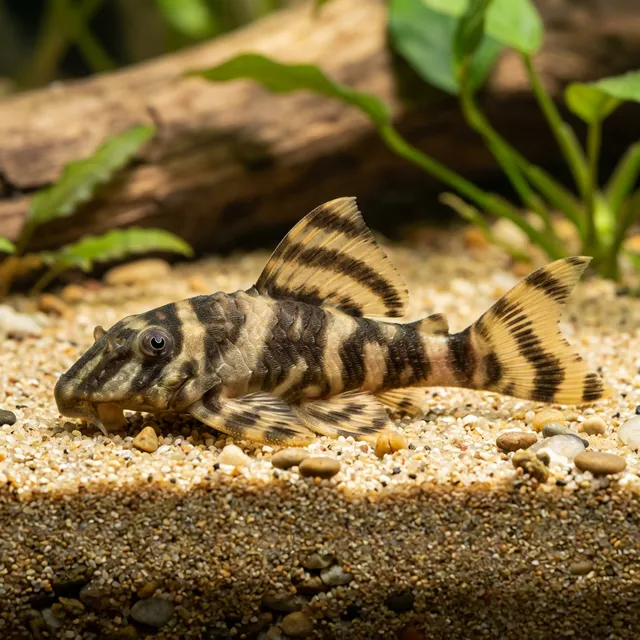
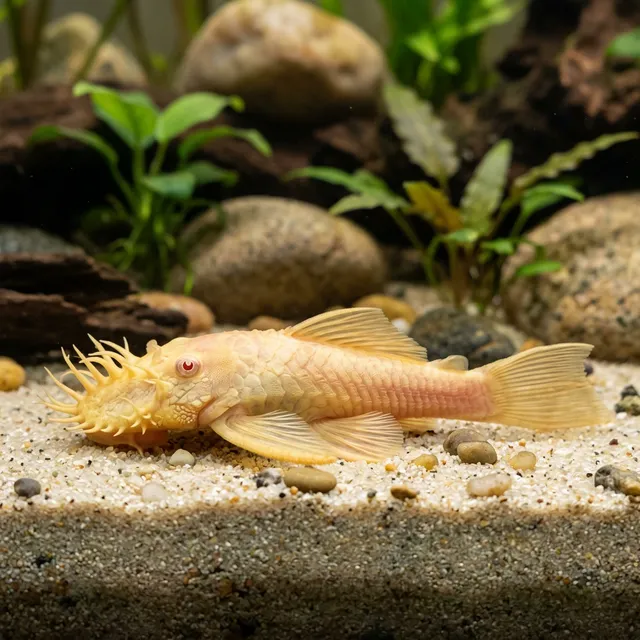
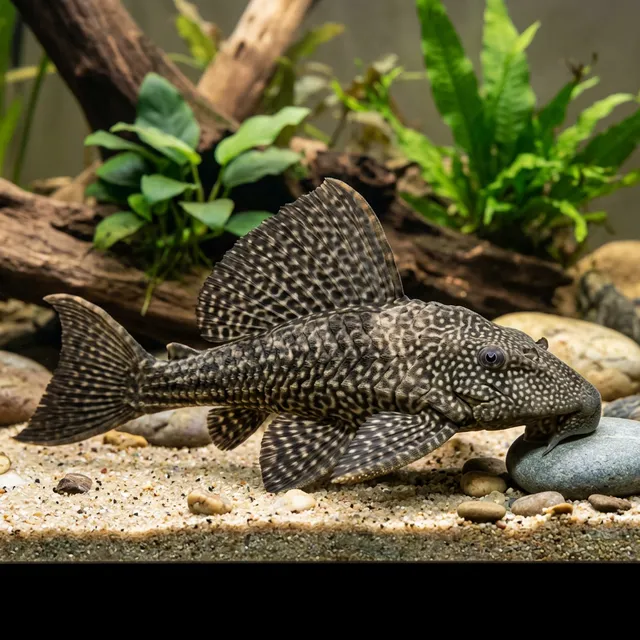
The Rubber Lip Pleco (Chaetostoma formosae) exhibits a robust, laterally compressed body that can reach a maximum adult size of approximately 5 to 20 inches, with most individuals averaging around 6 to 8 inches in length. This species is characterized by its distinctive, wide, rubbery mouth, which is adapted for grazing on algae and biofilm in its natural habitat. The body coloration is predominantly grey, adorned with fine black dots and stripes that provide camouflage against the rocky substrates of its environment. Notably, this species lacks the bristles commonly found in other members of the Loricariidae family, which is a critical identification feature. The dorsal fin is elongated and well-developed, contributing to its streamlined shape, while the pectoral fins are broad and spiny, serving as defensive adaptations against potential predators. Additionally, the presence of an adipose fin enhances its hydrodynamic efficiency in fast-flowing waters.
Behavior & temperament
The Rubber Lip Pleco is primarily a benthic fish that exhibits a solitary to semi-social behavior, often found resting on substrates or foraging among rocks and crevices. While not an obligate schooler, it may tolerate the presence of conspecifics in larger aquariums, particularly when ample hiding spaces are provided. This species is generally peaceful but can exhibit territorial behavior, especially during feeding or when establishing a resting area. Breeding behavior in captivity has been observed as egg scatterers, where females lay adhesive eggs on flat surfaces, which are then fertilized by males. The temperament of the Rubber Lip Pleco is typically calm, although it may become more assertive when competing for food or space.
Diet & feeding
In the wild, the Rubber Lip Pleco primarily feeds on algae, detritus, and biofilm, making it an obligate herbivore. In captivity, it requires a diet rich in vegetable matter, including high-quality spirulina-based flakes, algae wafers, and blanched vegetables to maintain optimal health.
Behind the name
Chaetostoma (Greek: chaetos - hair; stoma - mouth) refers to the hairy or bristly appearance of some species in the genus, while formosae (Latin: formosus - beautiful) likely alludes to the appealing coloration and morphology of this species.
Plan your tank
Check the numbers before you buy: tank volume, a stocking plan, cycle progress, water changes, and your ongoing care routine.
Keep reading

Choose compatible fish: school sizes, swimming zones, aggression, temperature and hardness matching, and honest bioload math for a peaceful community.
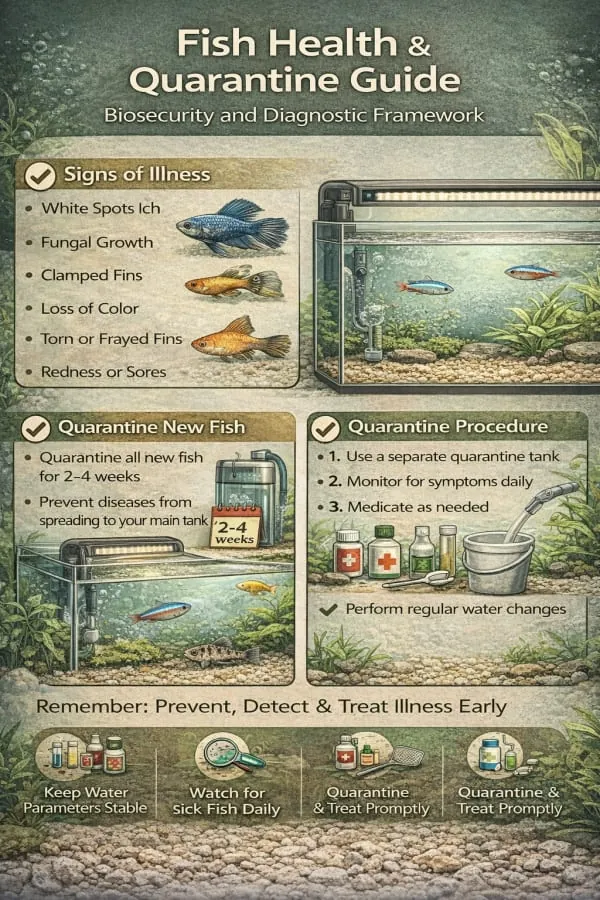
Quarantine new fish, spot the early warning signs, and treat disease without wrecking your tank. A practical freshwater fish health guide.

Acclimate new fish, shrimp, and coral safely: temperature floating, drip acclimation, plop-and-drop for shipped livestock, and the first 24 hours.
Keeping Rubber Lip Pleco?
AquaLens identifies your fish and plants from a photo, tracks water chemistry, and flags health issues early — free on iOS and Android.