Bristlenose Pleco Care Guide
Ancistrus cirrhosus · Freshwater Fish
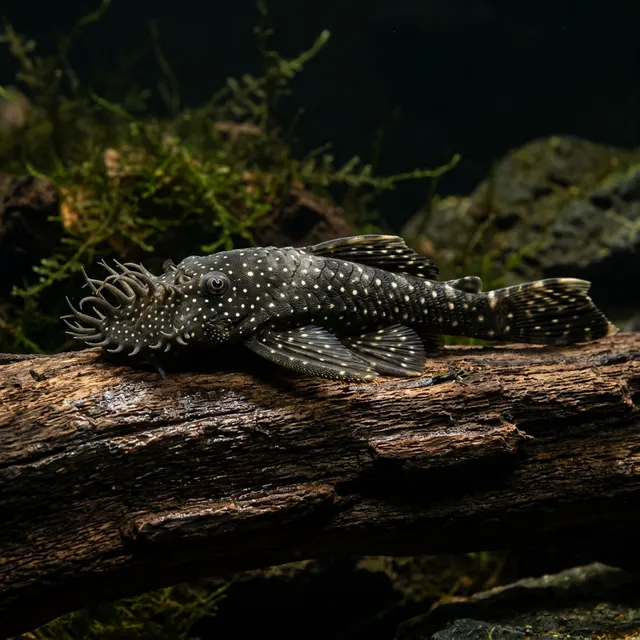
What Bristlenose Pleco look like
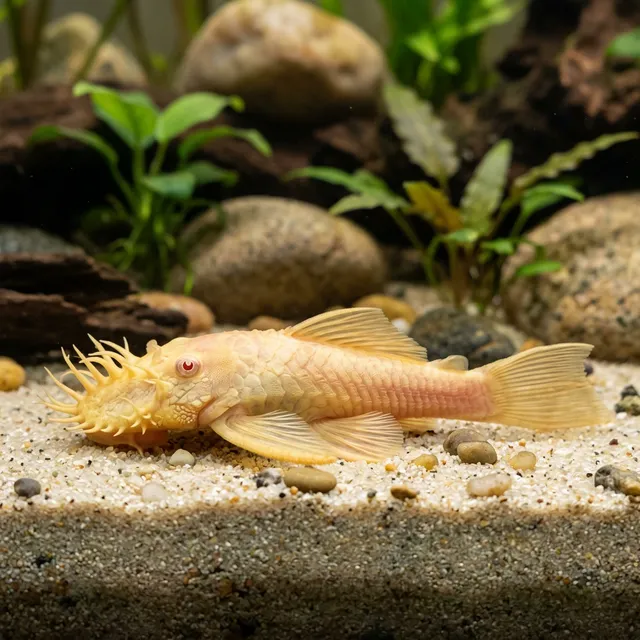
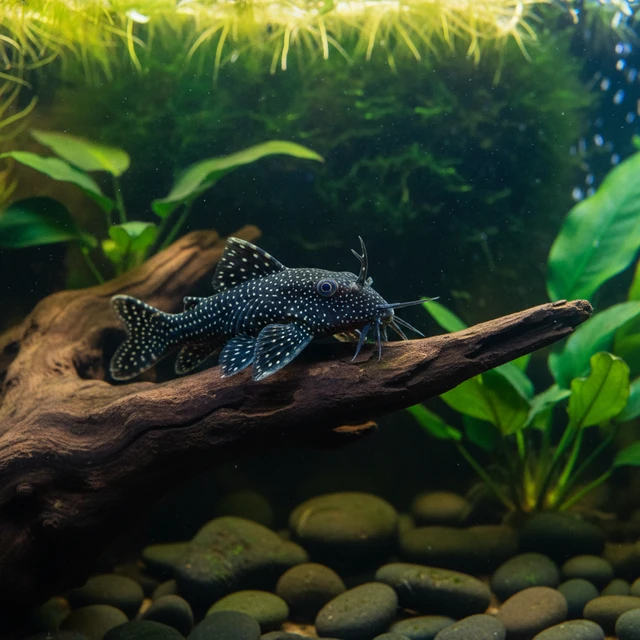
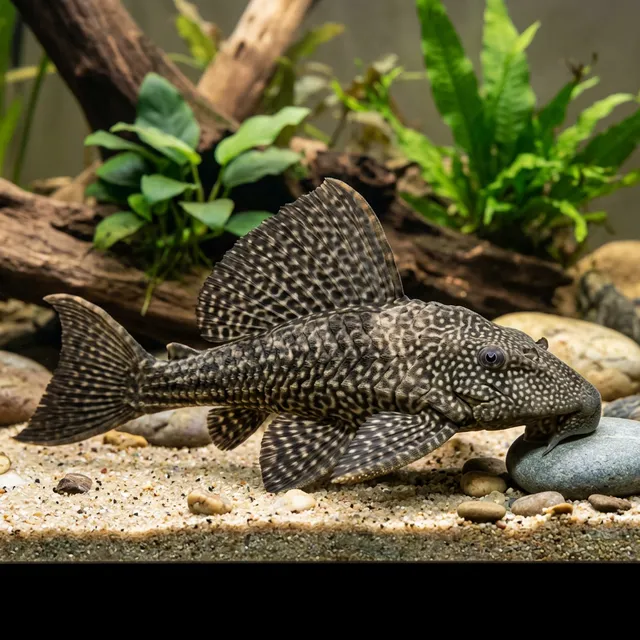
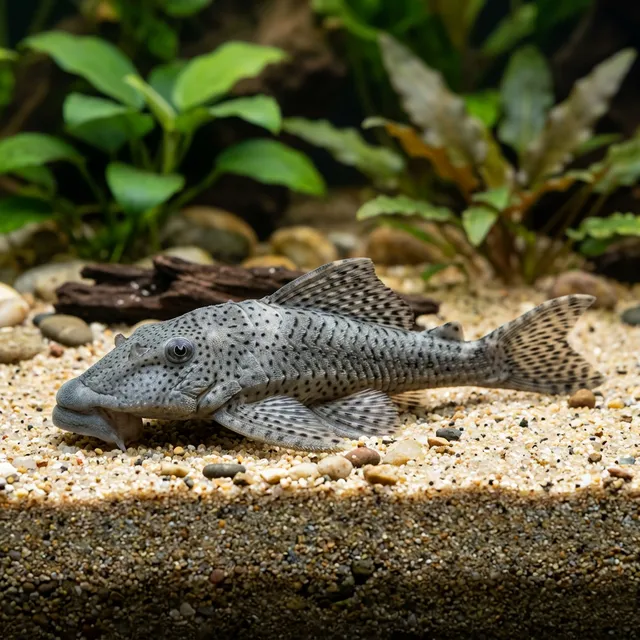
The Bristlenose Pleco (Ancistrus cirrhosus) exhibits a robust, laterally compressed body, typically reaching a maximum adult size of 5 to 6 inches. Sexual dimorphism is evident, with males possessing distinctive fleshy tentacle-like structures (bristles) on their snouts, particularly during breeding season, while females are generally more rounded and lack these bristles. The species features a broad, flattened head with a wide mouth adapted for grazing on algae, and its dentition includes a set of specialized, comb-like teeth ideal for scraping surfaces. The dorsal fin is elongated and extends along much of the body, while the pectoral fins are large and spiny, providing defensive adaptations against potential predators. The coloration ranges from dark brown to olive green, often with lighter spots or patterns, aiding in camouflage against rocky substrates in their natural habitat.
Behavior & temperament
Bristlenose Plecos are primarily benthic dwellers, often found in slow-moving waters of rivers and streams in South America. They are generally solitary or form loose aggregations, displaying a non-territorial behavior. These fish exhibit a peaceful temperament, although males may engage in mild aggression during breeding periods or when competing for food. Breeding behavior involves the male creating a nesting site in crevices or under rocks, where he will guard the fertilized eggs laid by the female. The species is known to be nocturnal, becoming more active during the night when they forage for algae and detritus.
Diet & feeding
In the wild, Bristlenose Plecos are omnivorous, primarily feeding on algae, detritus, and plant matter. In captivity, they require a varied diet that includes high-quality algae wafers, fresh vegetables (such as zucchini and cucumber), and occasional protein sources like blanched shrimp or sinking pellets.
Behind the name
Ancistrus (from Greek 'ankistron', meaning 'hook'); cirrhosus (from Latin 'cirrus', meaning 'curl' or 'tendril').
Plan your tank
Check the numbers before you buy: tank volume, a stocking plan, cycle progress, water changes, and your ongoing care routine.
Keep reading

Choose compatible fish: school sizes, swimming zones, aggression, temperature and hardness matching, and honest bioload math for a peaceful community.

Quarantine new fish, spot the early warning signs, and treat disease without wrecking your tank. A practical freshwater fish health guide.

Acclimate new fish, shrimp, and coral safely: temperature floating, drip acclimation, plop-and-drop for shipped livestock, and the first 24 hours.
Keeping Bristlenose Pleco?
AquaLens identifies your fish and plants from a photo, tracks water chemistry, and flags health issues early — free on iOS and Android.