Multies Care Guide
Neolamprologus multifasciatus · Freshwater Fish
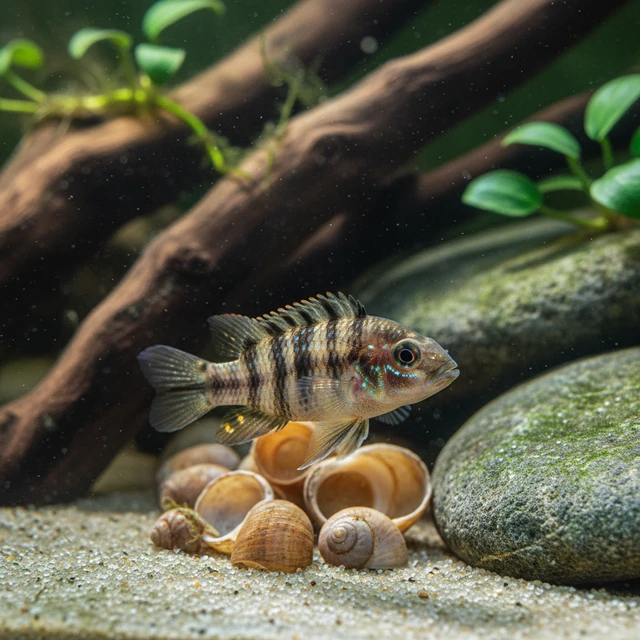
What Multies look like
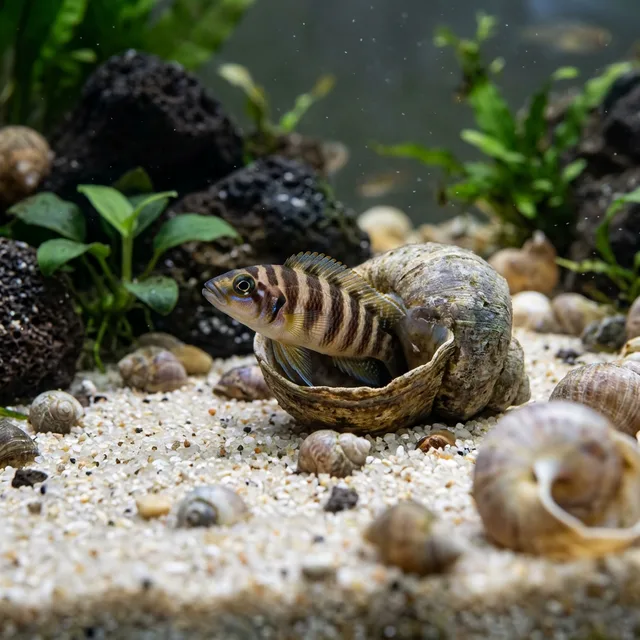
Neolamprologus multifasciatus, commonly known as Multies, is a diminutive cichlid species characterized by its laterally compressed body, reaching a maximum adult size of approximately 1.5 inches (3.8 cm). The coloration is predominantly pale tan to white, adorned with numerous faint, thin vertical brownish stripes that create a subtle tiger-stripe pattern along the flanks. This species exhibits minimal sexual dimorphism, although males may be slightly larger and display more vibrant coloration during breeding. A notable morphological feature is its affinity for utilizing empty escargot shells as both shelter and breeding sites, which it fiercely defends against intruders. Additionally, Multies possess a small, well-developed dorsal fin and an adipose fin, which aids in their agile maneuverability within their confined shell habitats.
Behavior & temperament
Multies are primarily benthic dwellers, exhibiting a unique behavior of forming small colonies around piles of snail shells, which they utilize for nesting and protection. They are not obligate schoolers but tend to exhibit a loose social structure, often seen in small groups with a clear hierarchy, particularly during breeding seasons. Their breeding behavior is characterized by egg scattering, where females lay eggs in the safety of the shells, while males guard the territory. Multies are generally peaceful but can display territorial aggression, especially when defending their shells from perceived threats or during the breeding period.
Diet & feeding
In the wild, Multies are omnivorous, feeding on small invertebrates, algae, and detritus found in their rocky and shell-laden habitats. In captivity, they require a varied diet that includes high-quality flake food, frozen or live foods such as brine shrimp and daphnia, along with spirulina-based supplements to ensure optimal health.
Behind the name
Neolamprologus (new lamp; referring to the genus name derived from Greek 'neo' meaning new and 'lampros' meaning bright or shining); multifasciatus (many bands; from Latin 'multi' meaning many and 'fasciatus' meaning banded).
Plan your tank
Check the numbers before you buy: tank volume, a stocking plan, cycle progress, water changes, and your ongoing care routine.
Keep reading

Choose compatible fish: school sizes, swimming zones, aggression, temperature and hardness matching, and honest bioload math for a peaceful community.
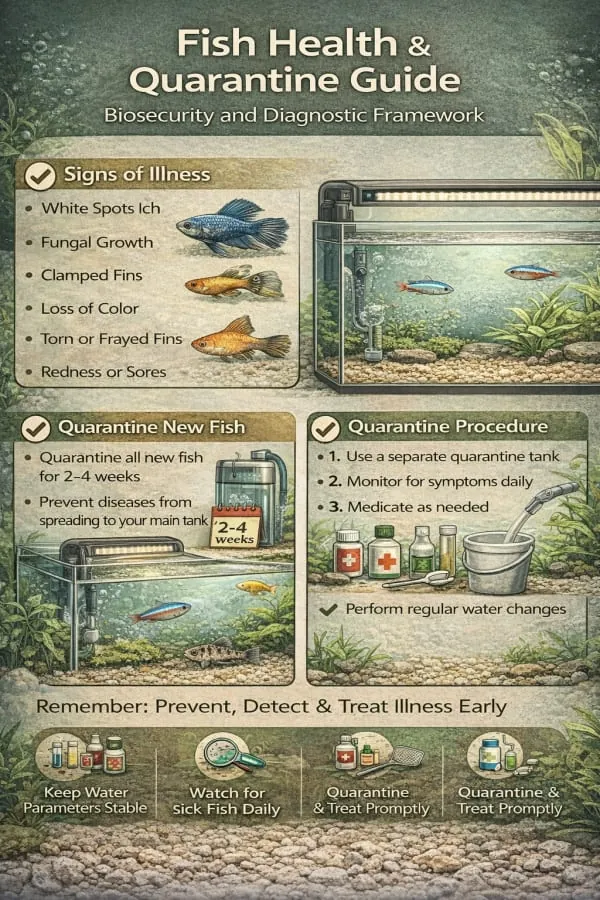
Quarantine new fish, spot the early warning signs, and treat disease without wrecking your tank. A practical freshwater fish health guide.

Acclimate new fish, shrimp, and coral safely: temperature floating, drip acclimation, plop-and-drop for shipped livestock, and the first 24 hours.
Keeping Multies?
AquaLens identifies your fish and plants from a photo, tracks water chemistry, and flags health issues early — free on iOS and Android.