Multies Shell Dweller Care Guide
Neolamprologus multifasciatus · Freshwater Fish
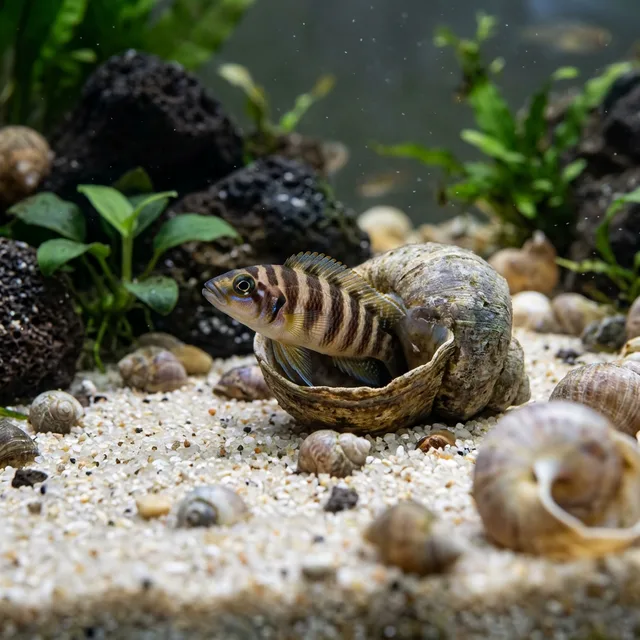
What Multies Shell Dweller look like
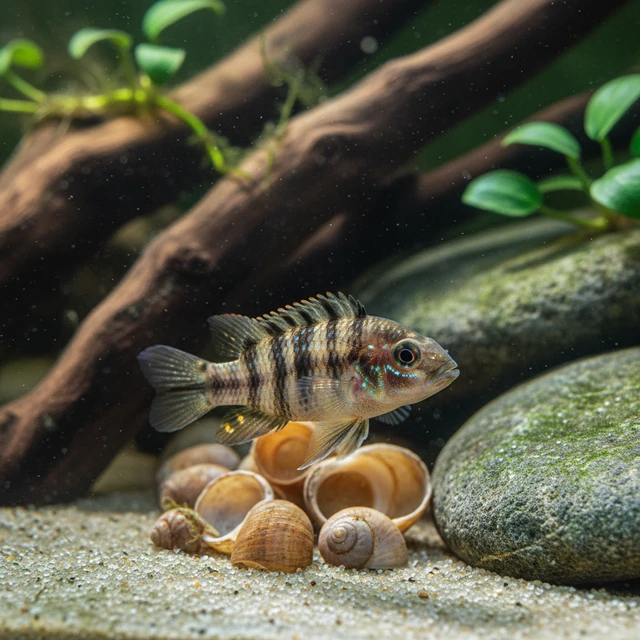
Neolamprologus multifasciatus, commonly known as the Multies Shell Dweller, exhibits a laterally compressed and elongated body shape, reaching a maximum adult size of approximately 5 cm (2 inches). This species displays sexual dimorphism, with males typically larger and possessing more pronounced coloration than females. The coloration consists of a base of pale yellow to light brown, adorned with distinct dark vertical bands that provide effective camouflage among the rocky substrates and shells of its natural habitat. Unique morphological features include a prominent dorsal fin that extends along the length of the body, an adipose fin, and a well-developed lateral line system that aids in detecting vibrations in the water. Defensive adaptations include the use of empty mollusk shells for shelter, where individuals can retreat to avoid predators, showcasing their benthic lifestyle.
Behavior & temperament
The Multies Shell Dweller is a social fish that exhibits a complex hierarchical structure within its groups, often forming small colonies around shells. These fish are primarily benthic dwellers, residing at the bottom of their aquatic environment, and are known to be territorial, especially during breeding seasons. Breeding behavior involves the female laying eggs in the safety of a shell, which the male then fertilizes. This species is characterized by a relatively peaceful temperament, although they can display aggression towards intruders within their territory, particularly during spawning. Their social interactions often include cooperative behaviors, such as shared vigilance against predators.
Diet & feeding
In the wild, Neolamprologus multifasciatus is an omnivore, feeding on small invertebrates, detritus, and algae found in their natural habitat. In captivity, they thrive on a varied diet that includes high-quality flake foods, frozen or live foods such as brine shrimp and daphnia, along with spirulina-based supplements to ensure optimal health.
Behind the name
Neolamprologus (new lamp; referring to the genus's distinct characteristics); multifasciatus (many bands; referring to the species' multiple dark vertical stripes).
Plan your tank
Check the numbers before you buy: tank volume, a stocking plan, cycle progress, water changes, and your ongoing care routine.
Keep reading

Choose compatible fish: school sizes, swimming zones, aggression, temperature and hardness matching, and honest bioload math for a peaceful community.
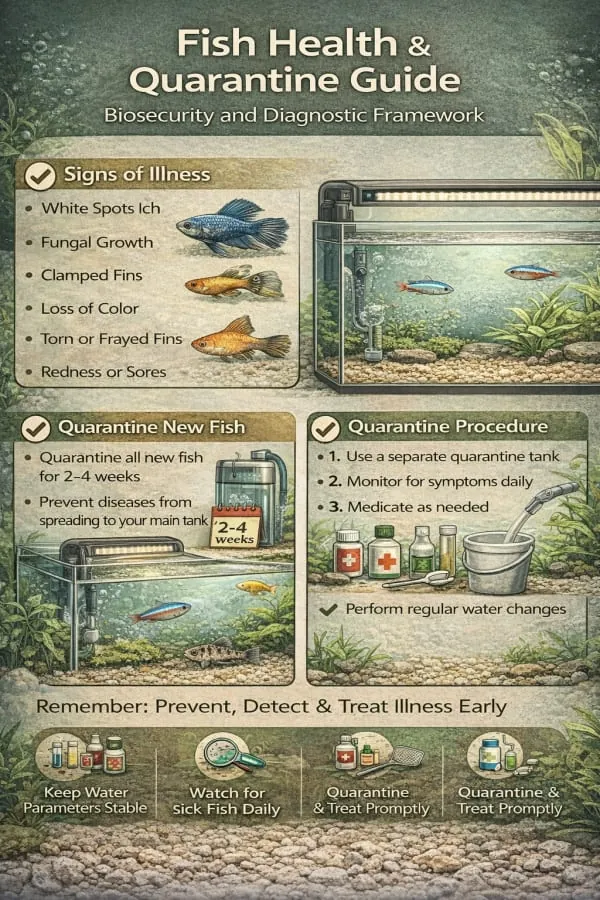
Quarantine new fish, spot the early warning signs, and treat disease without wrecking your tank. A practical freshwater fish health guide.
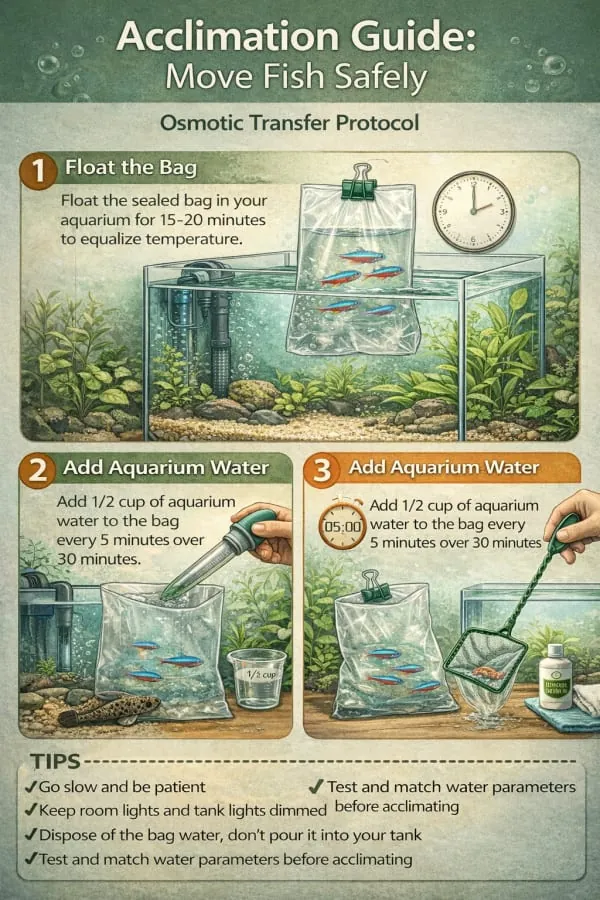
Acclimate new fish, shrimp, and coral safely: temperature floating, drip acclimation, plop-and-drop for shipped livestock, and the first 24 hours.
Keeping Multies Shell Dweller?
AquaLens identifies your fish and plants from a photo, tracks water chemistry, and flags health issues early — free on iOS and Android.