Bamboo Shrimp Care Guide
Atyopsis moluccensis · Freshwater Invert
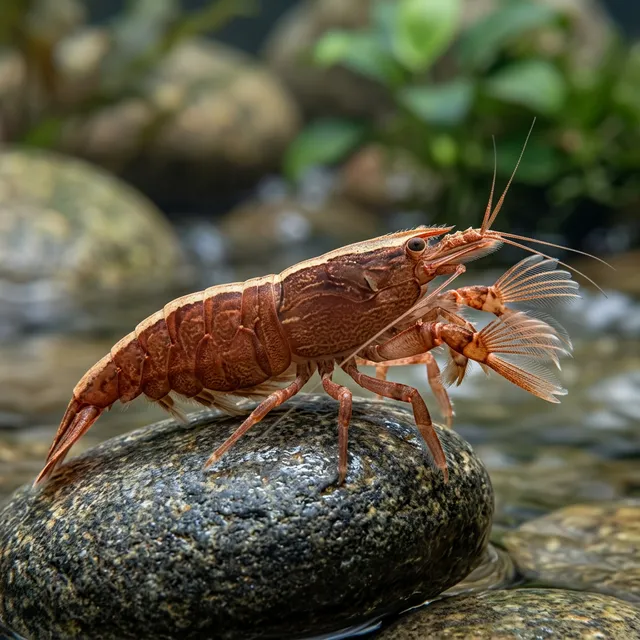
What Bamboo Shrimp look like
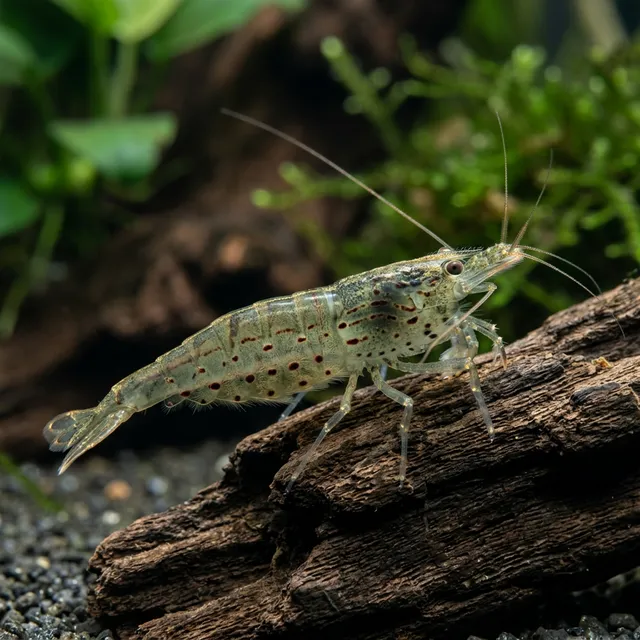
Atyopsis moluccensis, commonly known as the Bamboo Shrimp, exhibits a laterally compressed, elongated body that can reach a maximum adult size of approximately 5 to 15 cm. This species displays sexual dimorphism, with females generally being larger and more robust than males. The exoskeleton is adorned with a striking pattern of reddish-brown to greenish hues, providing effective camouflage among aquatic vegetation. Notable morphological features include the presence of long, fan-like chelae (claws) that are used for filter feeding, as well as a well-developed carapace that protects the cephalothorax. The shrimp possesses a distinct rostrum that is elongated and pointed, enhancing its ability to navigate through complex habitats. Additionally, the Bamboo Shrimp has a well-defined lateral line system, which aids in detecting vibrations in the water, and its segmented abdomen culminates in a broad tail fan that assists in propulsion.
Behavior & temperament
Atyopsis moluccensis is primarily a benthic organism, often found in the lower strata of freshwater environments, where it exhibits a semi-solitary lifestyle. While it may occasionally be seen in small groups, it does not form obligate schools. The species is known for its unique feeding behavior, utilizing its specialized fan-like appendages to filter particles from the water column, which it does while remaining relatively motionless. Breeding behavior is characterized by a form of external fertilization, where females scatter eggs in the water column, leading to a planktonic larval stage. In terms of temperament, Bamboo Shrimp are generally peaceful but can exhibit territorial behaviors, particularly during feeding or breeding periods, making them suitable for community tanks with non-aggressive tank mates.
Diet & feeding
In the wild, Atyopsis moluccensis is an omnivorous filter feeder, consuming detritus, algae, and small organic particles. In captivity, it requires a varied diet that includes high-quality sinking pellets, spirulina flakes, and occasional live or frozen foods such as daphnia or brine shrimp to ensure optimal health.
Behind the name
The genus name 'Atyopsis' is derived from the Greek 'atypos', meaning 'without type', while the species name 'moluccensis' refers to the Moluccas, an archipelago in Indonesia, indicating its geographical origin.
Plan your tank
Check the numbers before you buy: tank volume, a stocking plan, cycle progress, water changes, and your ongoing care routine.
Keep reading
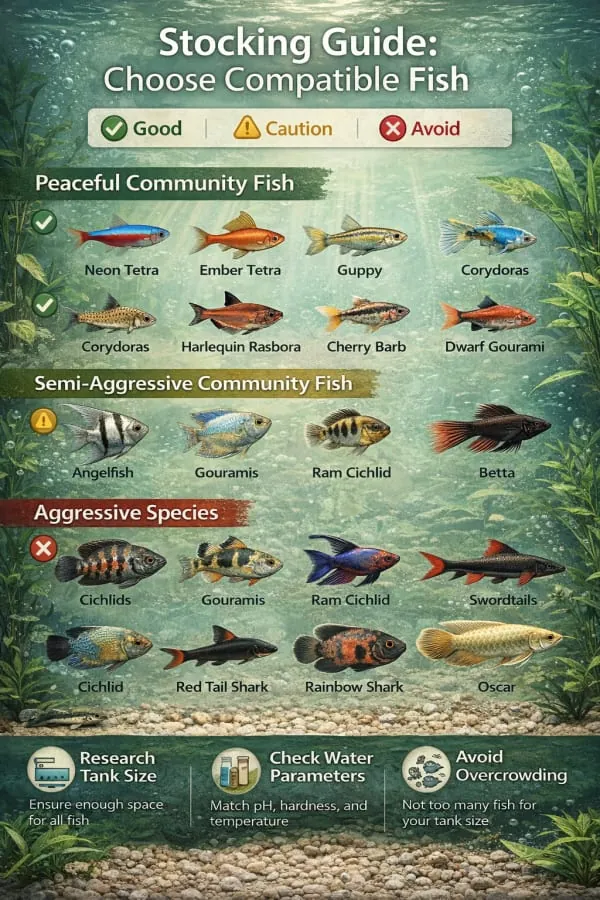
Choose compatible fish: school sizes, swimming zones, aggression, temperature and hardness matching, and honest bioload math for a peaceful community.
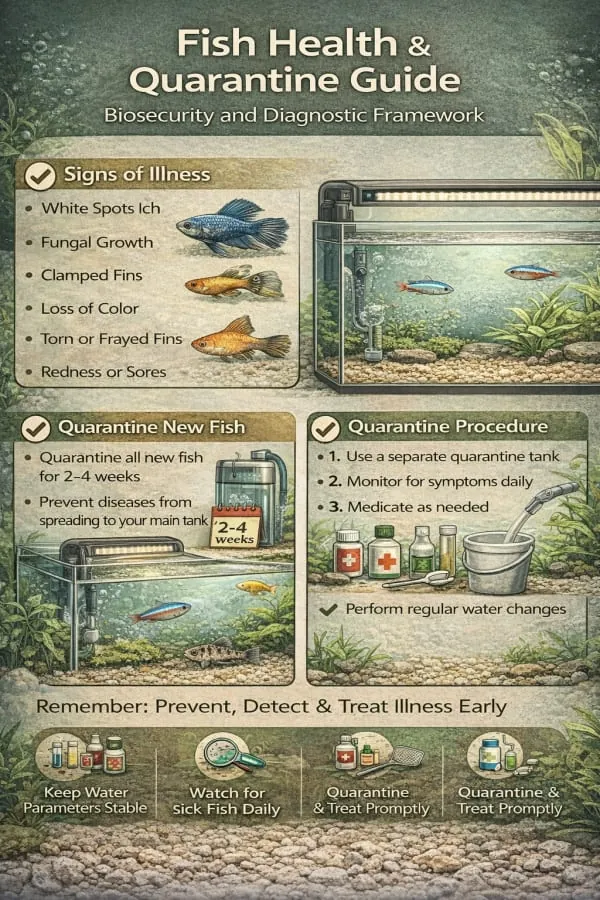
Quarantine new fish, spot the early warning signs, and treat disease without wrecking your tank. A practical freshwater fish health guide.
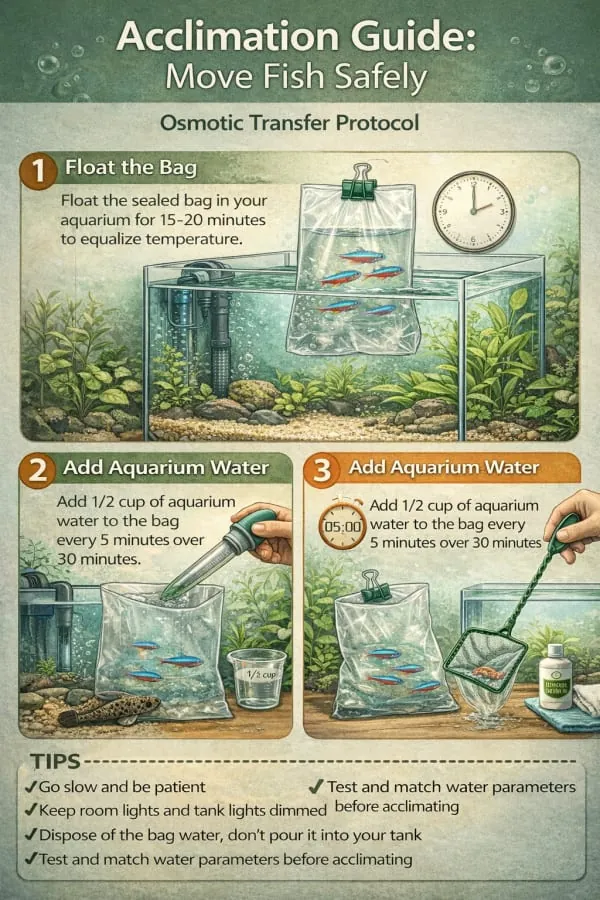
Acclimate new fish, shrimp, and coral safely: temperature floating, drip acclimation, plop-and-drop for shipped livestock, and the first 24 hours.
Keeping Bamboo Shrimp?
AquaLens identifies your fish and plants from a photo, tracks water chemistry, and flags health issues early — free on iOS and Android.