Snowball Shrimp Care Guide
Neocaridina zhangjiajiensis · Freshwater Invert
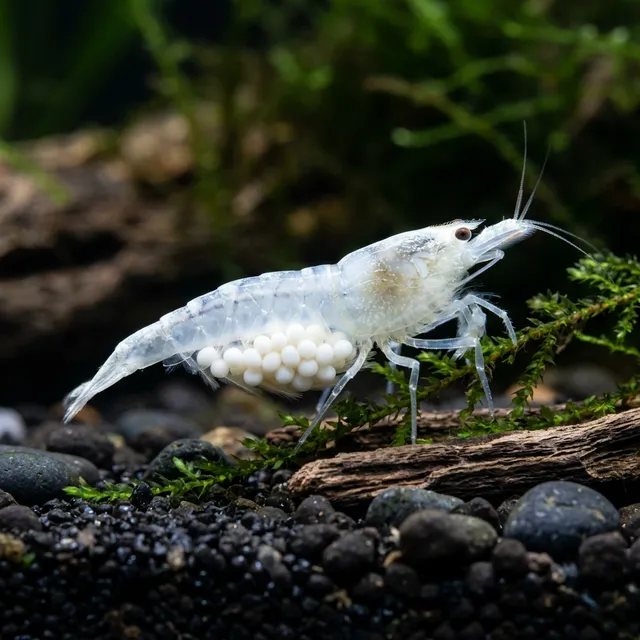
What Snowball Shrimp look like
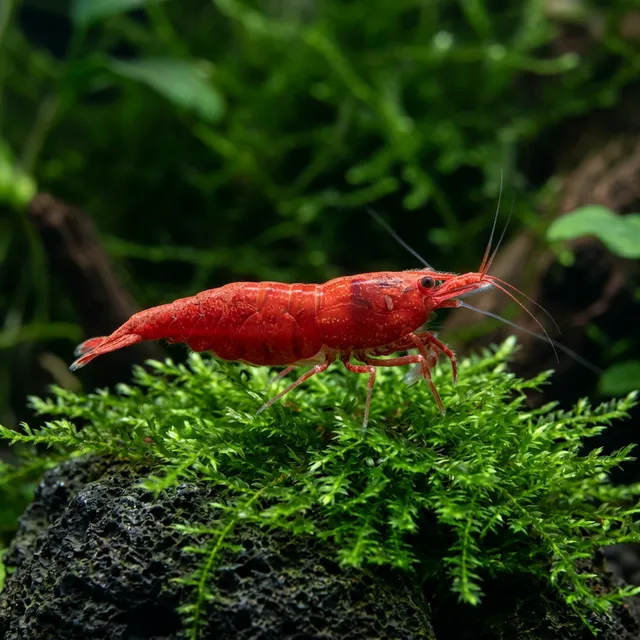
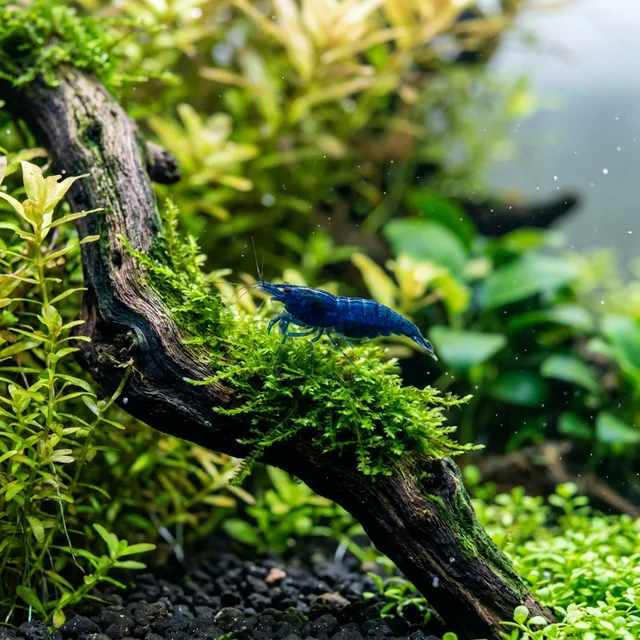
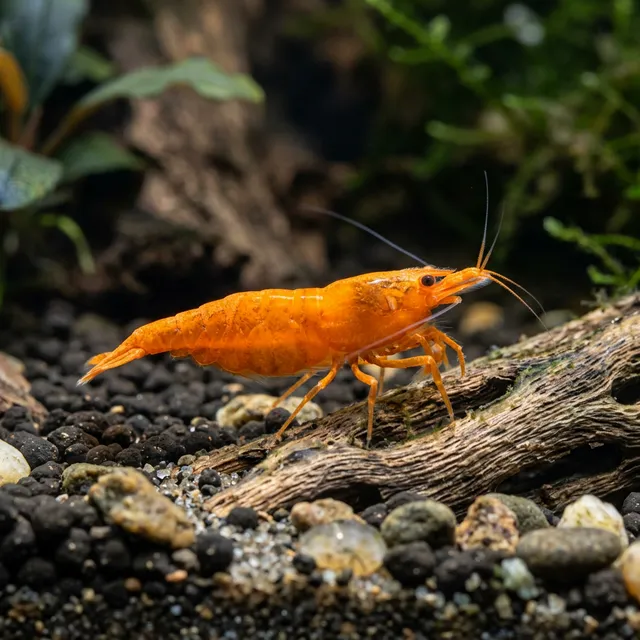
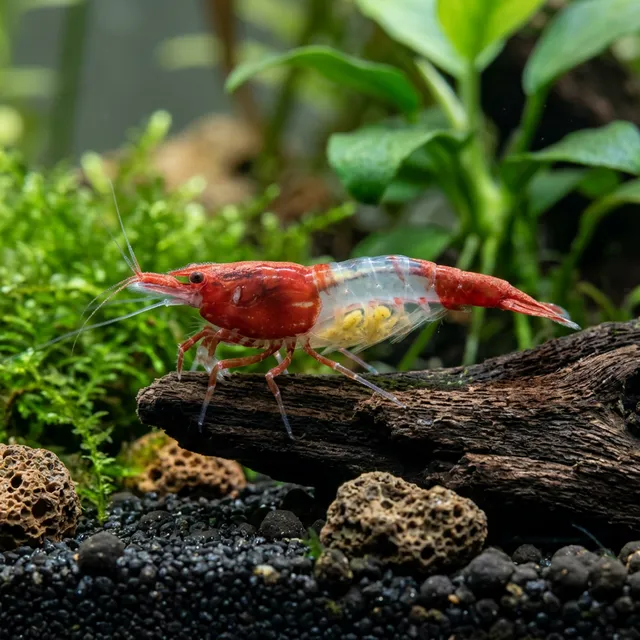
Neocaridina zhangjiajiensis, commonly known as the Snowball Shrimp, exhibits a distinctive translucent white to milky coloration, giving it an icy appearance. Adults can reach a maximum size of approximately 5 cm (2 inches), with females typically being larger than males, showcasing sexual dimorphism. The females are particularly noted for carrying a prominent cluster of bright white, pearl-like eggs beneath their abdomens, which can be a key identification feature. The shrimp's body is laterally compressed, with a smooth carapace and well-defined segments. They possess a pair of long antennae and a set of chelae (claws) that are adapted for foraging. The presence of a well-developed rostrum and a fan-like tail (telson) aids in their swimming and maneuverability, while their transparent exoskeleton allows for easy observation of internal structures, including the reproductive organs.
Behavior & temperament
Snowball Shrimp are generally social creatures that thrive in small groups, often displaying a hierarchical structure within their communities. They inhabit the lower to mid-water column, primarily dwelling in the benthic zone where they forage for food among substrate and aquatic plants. Breeding behavior is characterized by the female's carrying of fertilized eggs in a brood pouch, where they develop until hatching. These shrimp are known for their peaceful temperament, making them suitable for community tanks, though they can exhibit territorial behaviors when competing for food or shelter. They are active scavengers, often seen grazing on biofilm and detritus.
Diet & feeding
In the wild, Snowball Shrimp are omnivorous, feeding on algae, detritus, and decaying plant matter. In captivity, they require a varied diet that includes high-quality algae wafers, blanched vegetables, and specialized shrimp pellets to ensure optimal health and coloration.
Behind the name
Neocaridina (new little shrimp); zhangjiajiensis (of Zhangjiajie, a region in China).
Plan your tank
Check the numbers before you buy: tank volume, a stocking plan, cycle progress, water changes, and your ongoing care routine.
Keep reading

Choose compatible fish: school sizes, swimming zones, aggression, temperature and hardness matching, and honest bioload math for a peaceful community.
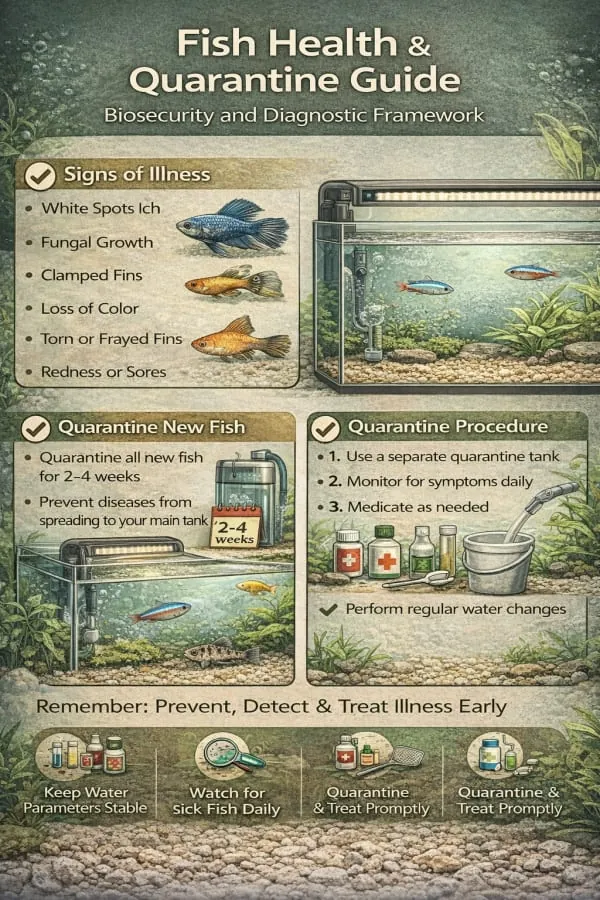
Quarantine new fish, spot the early warning signs, and treat disease without wrecking your tank. A practical freshwater fish health guide.
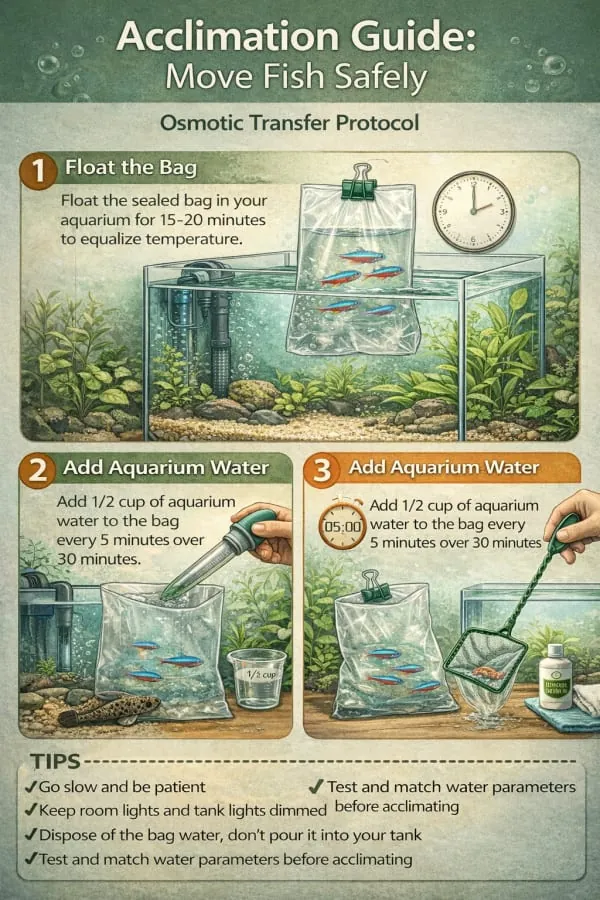
Acclimate new fish, shrimp, and coral safely: temperature floating, drip acclimation, plop-and-drop for shipped livestock, and the first 24 hours.
Keeping Snowball Shrimp?
AquaLens identifies your fish and plants from a photo, tracks water chemistry, and flags health issues early — free on iOS and Android.