Spotted Silver Dollar Care Guide
Metynnis lippincottianus · Freshwater Fish
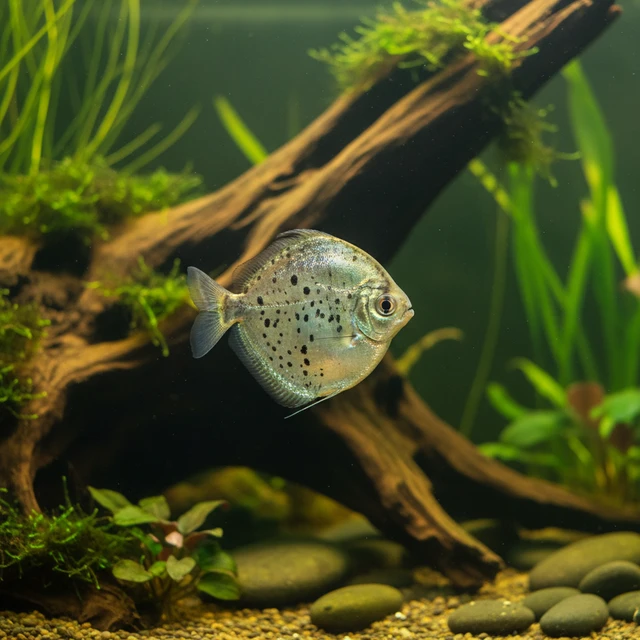
What Spotted Silver Dollar look like
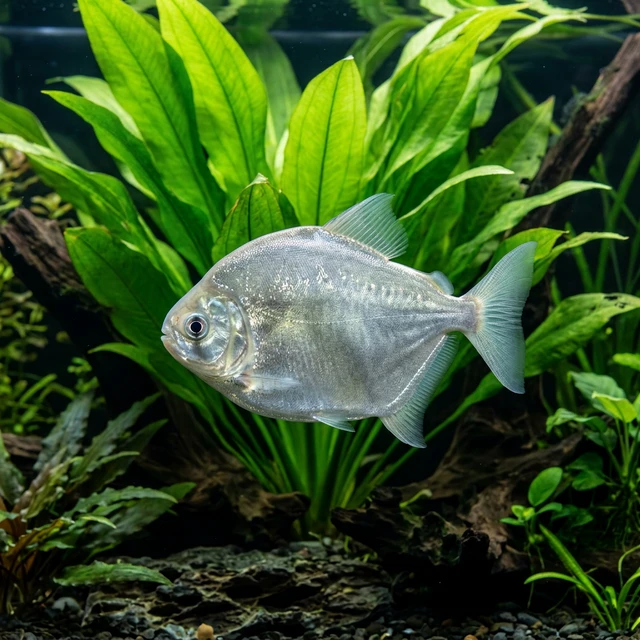
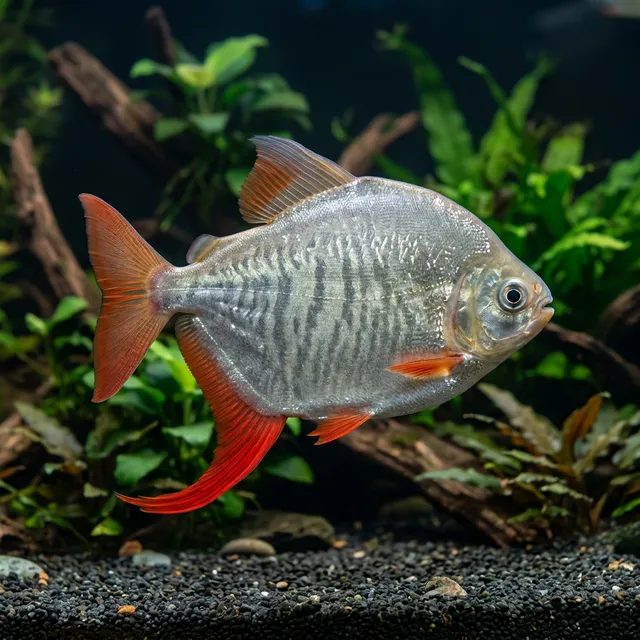
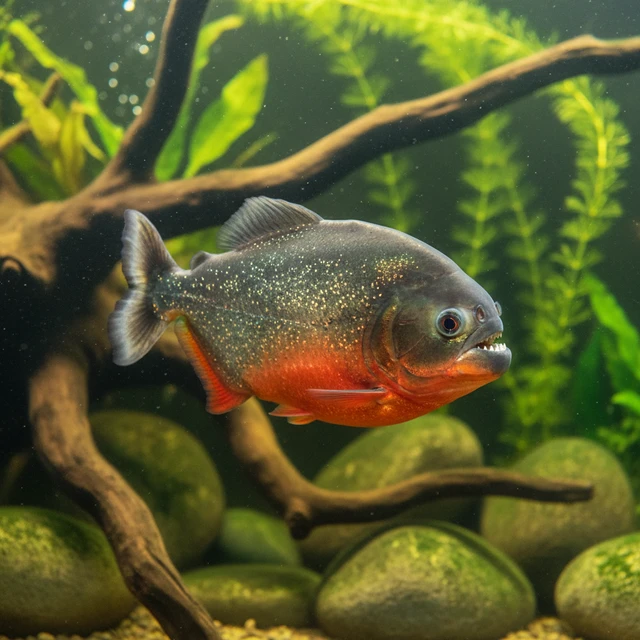
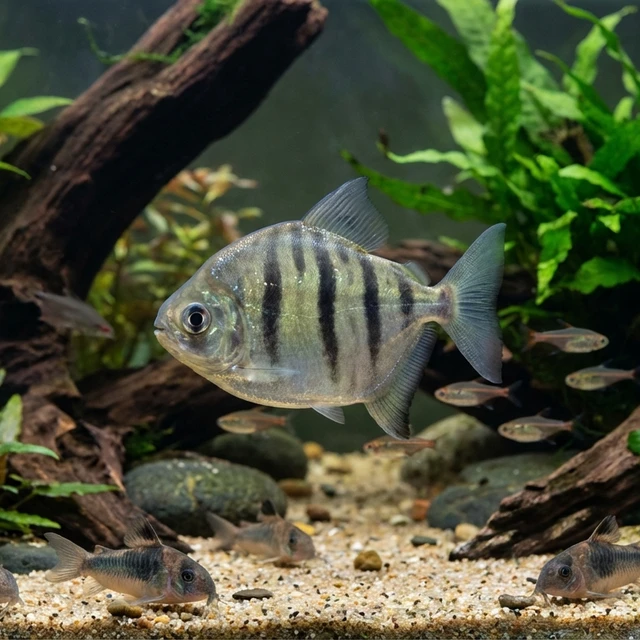
Metynnis lippincottianus, commonly known as the Spotted Silver Dollar, exhibits a distinctive disc-shaped, laterally compressed body that can reach a maximum adult size of approximately 5 to 6 inches (12.7 to 15.2 cm). The species is characterized by its silvery body adorned with scattered dark spots, which serve as a unique identification feature compared to the plain silver dollar. The fish possesses a moderately forked caudal fin, a well-developed dorsal fin that extends along the back, and a small adipose fin, contributing to its streamlined appearance. Sexual dimorphism is subtle, with females generally appearing fuller-bodied during breeding periods. Defensive adaptations include a schooling behavior that helps reduce individual predation risk, and the ability to quickly dart away from threats. The lateral line system is well-developed, aiding in the detection of water movements and potential predators.
Behavior & temperament
The Spotted Silver Dollar is a social fish that typically exhibits a schooling behavior, preferring to dwell in groups within the mid to upper water column of its aquatic habitat. This species is generally peaceful but can display mild territoriality during breeding seasons. Breeding behavior involves egg scattering, where females release eggs over vegetation, allowing for a higher chance of survival in the wild. The Spotted Silver Dollar is known for its calm temperament, making it suitable for community tanks, although it may exhibit slight aggression towards smaller tank mates if not properly managed.
Diet & feeding
In its natural habitat, the Spotted Silver Dollar primarily feeds on a diet of aquatic plants, fruits, and detritus, making it an obligate herbivore. In captivity, it requires a varied diet rich in plant matter, including high-quality flake foods, spirulina, and blanched vegetables to maintain optimal health.
Behind the name
Metynnis (from Greek, meaning 'to measure'); lippincottianus (named in honor of the naturalist William Lippincott).
Plan your tank
Check the numbers before you buy: tank volume, a stocking plan, cycle progress, water changes, and your ongoing care routine.
Keep reading

Choose compatible fish: school sizes, swimming zones, aggression, temperature and hardness matching, and honest bioload math for a peaceful community.

Quarantine new fish, spot the early warning signs, and treat disease without wrecking your tank. A practical freshwater fish health guide.

Acclimate new fish, shrimp, and coral safely: temperature floating, drip acclimation, plop-and-drop for shipped livestock, and the first 24 hours.
Keeping Spotted Silver Dollar?
AquaLens identifies your fish and plants from a photo, tracks water chemistry, and flags health issues early — free on iOS and Android.