Staghorn Coral Care Guide
Acropora cervicornis · Saltwater SPS Coral
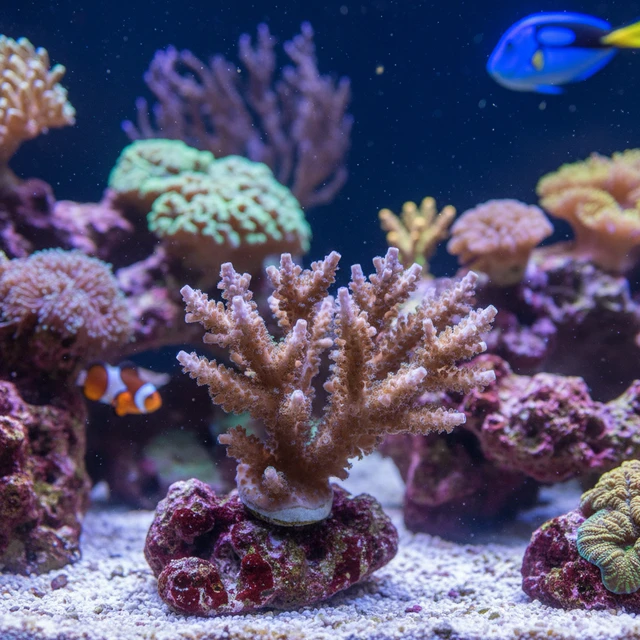
What Staghorn Coral look like
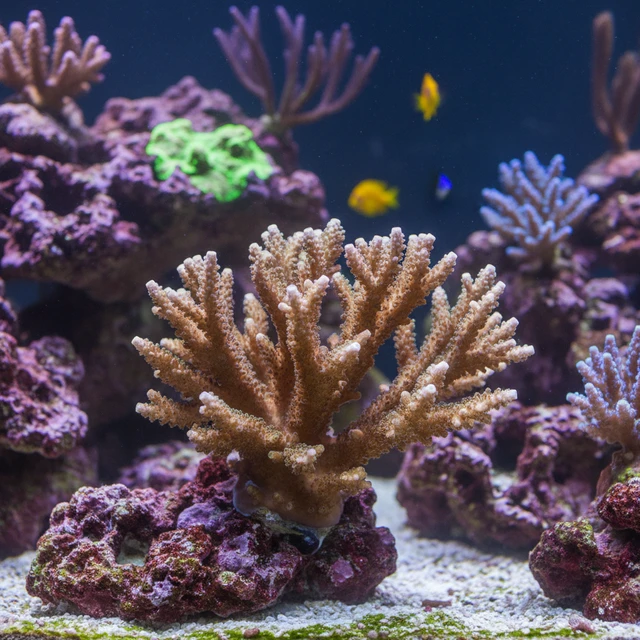
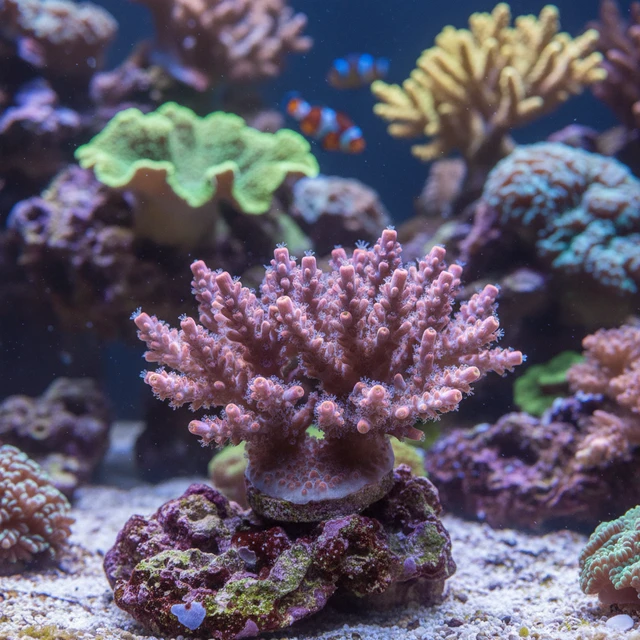
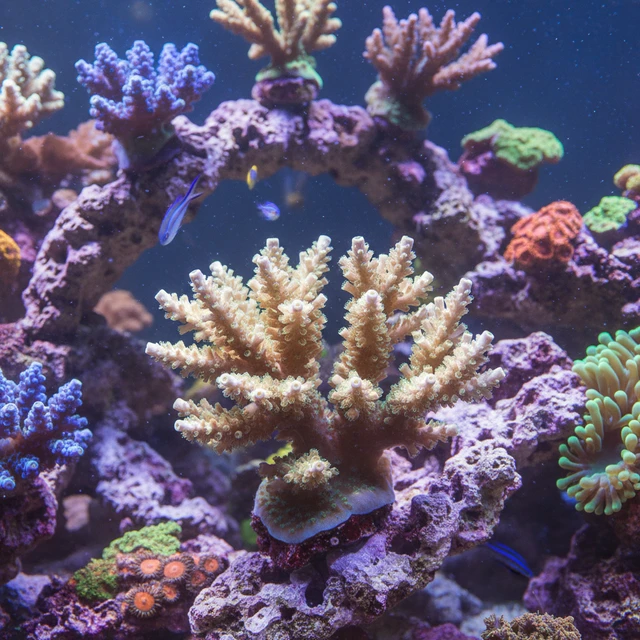
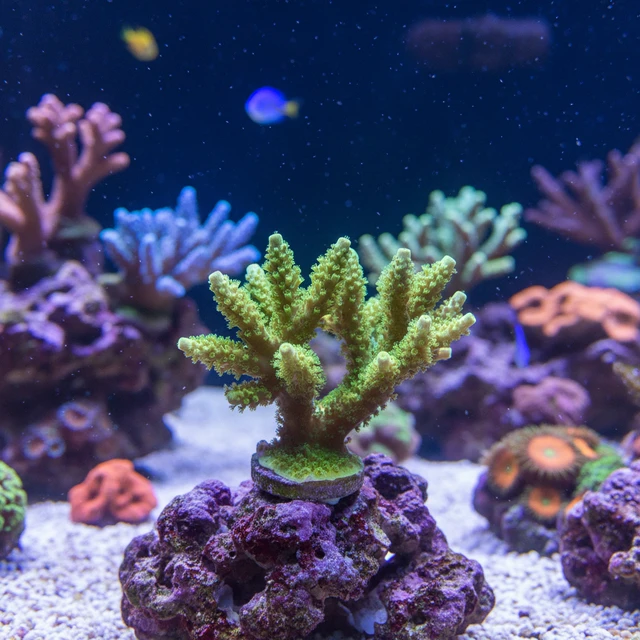
Acropora cervicornis, commonly known as Staghorn Coral, exhibits a distinctive branching morphology characterized by long, slender, antler-like branches that can reach a maximum adult size of up to 1.5 meters in height. The branches are typically cylindrical and may exhibit a variety of colors, including shades of brown, green, and yellow, often with a lighter tip. This species displays minimal sexual dimorphism, as both male and female colonies appear morphologically similar. A notable defensive adaptation is its ability to produce a potent array of nematocysts, which are specialized stinging cells used for both predation and defense against herbivores. The coral's polyp structure is composed of small, tubular polyps that extend during the night for feeding, while the daytime is characterized by a retracted state, enhancing its resilience against environmental stressors.
Behavior & temperament
Staghorn Coral is primarily a colonial organism that exhibits a high degree of symbiotic relationships with zooxanthellae, photosynthetic algae that reside within its tissues. This relationship allows the coral to derive energy from sunlight, making it a crucial player in reef ecosystems. The polyps extend during the night to capture plankton and other organic matter, while during the day, they rely on photosynthesis. Acropora cervicornis is known for its rapid growth rate and ability to form dense thickets, which provide habitat for various marine species. However, it can be sensitive to environmental changes, exhibiting stress responses such as bleaching when exposed to elevated temperatures or reduced water quality.
Diet & feeding
Staghorn Coral is primarily a filter feeder, obtaining nutrients through the capture of plankton and organic particles from the water column, supplemented by energy derived from its symbiotic zooxanthellae. In captivity, it requires a well-established reef environment with adequate light and water flow, along with occasional feeding of phytoplankton or coral-specific foods.
Behind the name
The genus name 'Acropora' is derived from the Greek words 'akron,' meaning 'top' or 'summit,' and 'pora,' meaning 'to bear,' referring to the coral's branching structure. The species name 'cervicornis' comes from the Latin 'cervus,' meaning 'deer,' and 'cornis,' meaning 'horn,' which describes the coral's antler-like appearance.
Plan your tank
Check the numbers before you buy: tank volume, salinity, salt mix, water changes, and your ongoing care routine. Keeping reef? Start from the Saltwater & Reef hub.
Keep reading
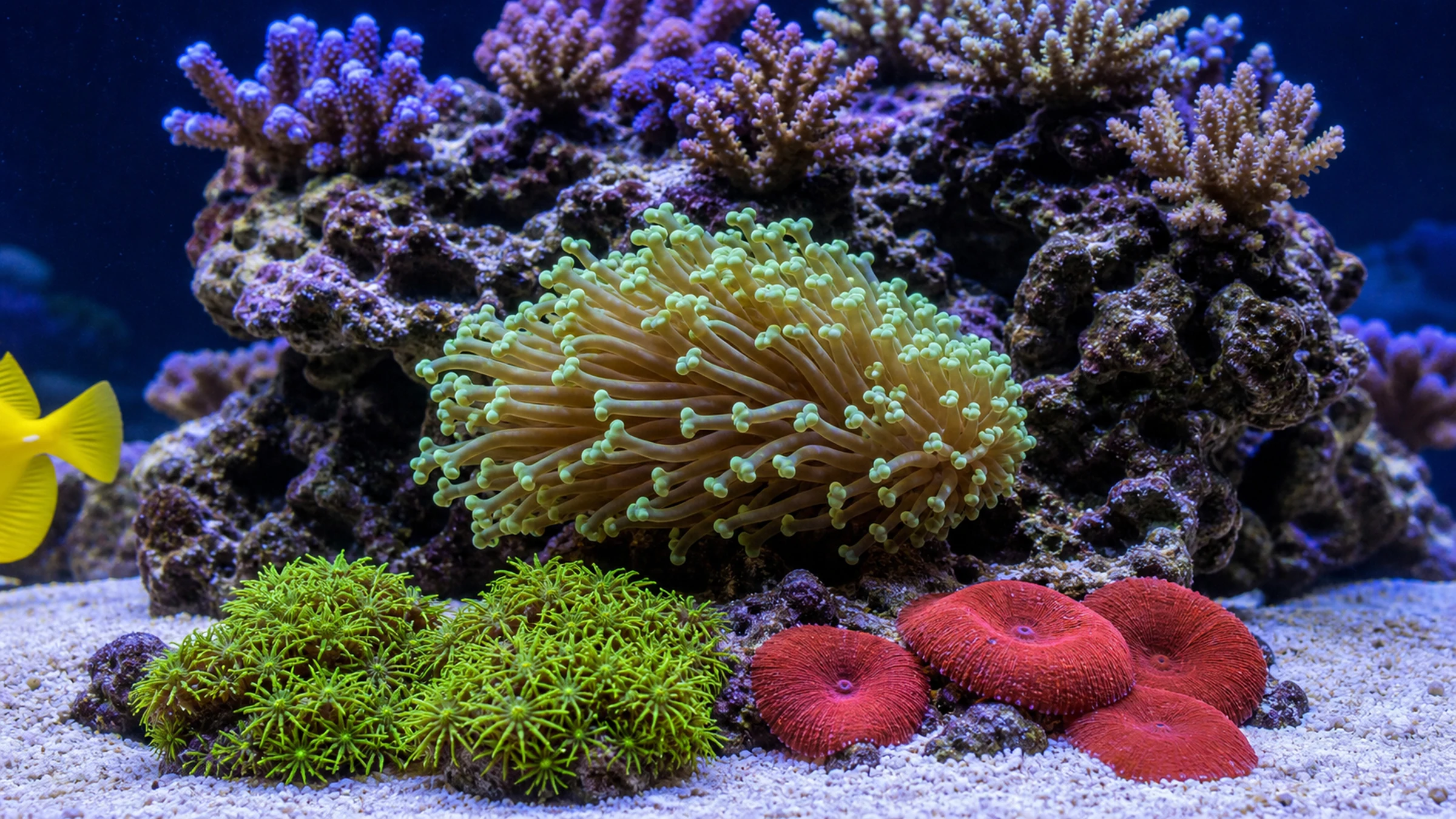
How to place corals by light and flow, PAR targets for softies, LPS, and SPS, dipping new corals for pests, and acclimating them without bleaching.
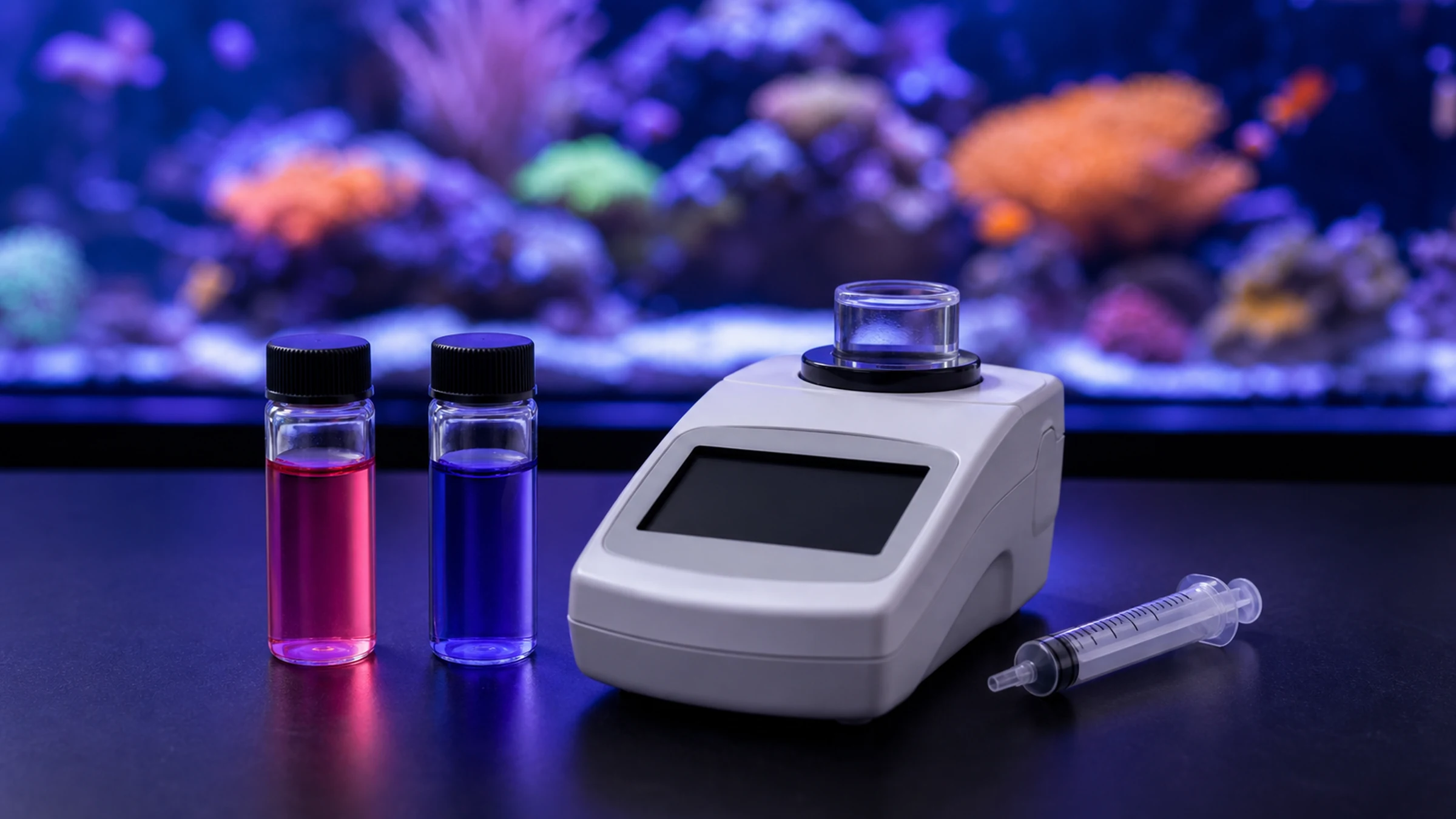
What every reef parameter means and where to keep it: salinity, temperature, pH, alkalinity, calcium, magnesium, nitrate, and phosphate.
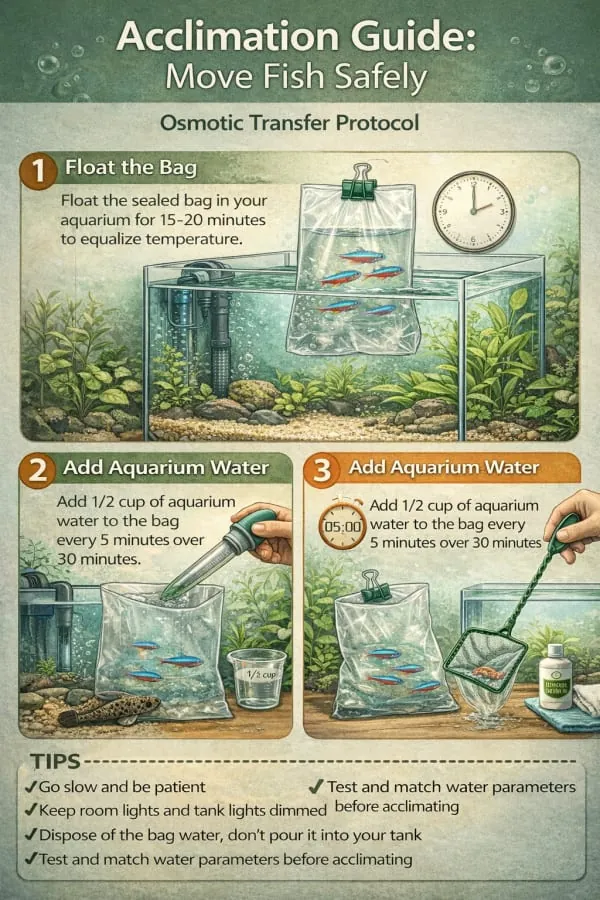
Acclimate new fish, shrimp, and coral safely: temperature floating, drip acclimation, plop-and-drop for shipped livestock, and the first 24 hours.
Keeping Staghorn Coral?
AquaLens identifies your fish and plants from a photo, tracks water chemistry, and flags health issues early — free on iOS and Android.