Tiger Butterfly Loach Care Guide
Gastromyzon sp · Freshwater Fish
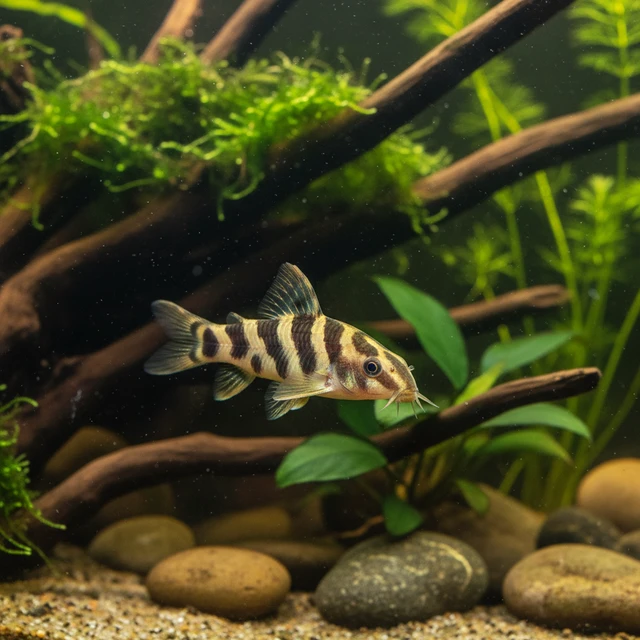
What Tiger Butterfly Loach look like
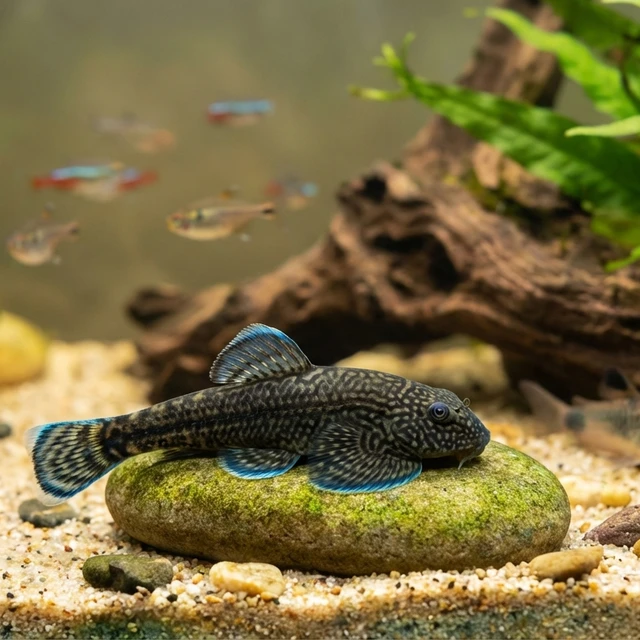
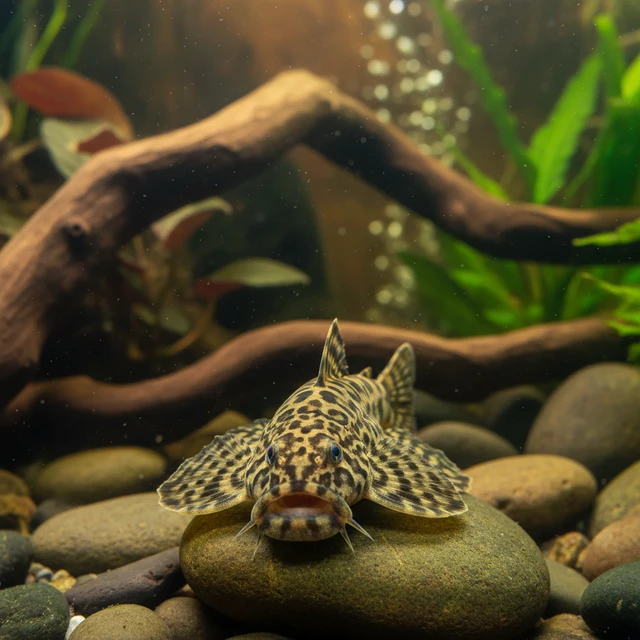
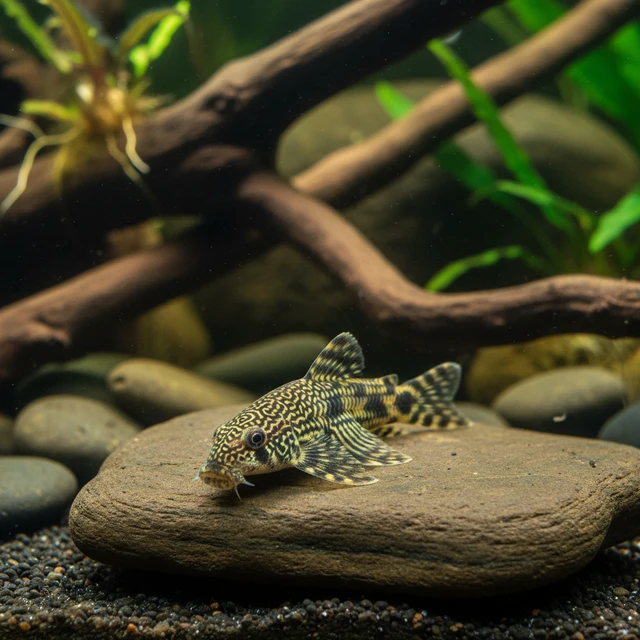
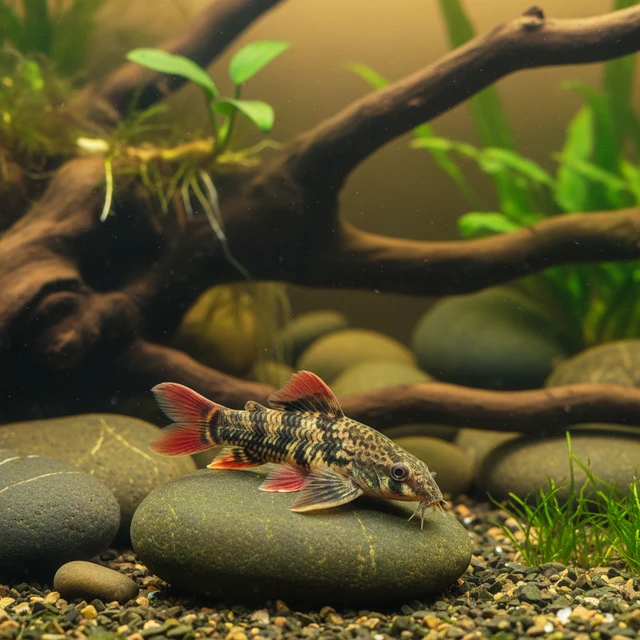
The Tiger Butterfly Loach (Gastromyzon sp.) exhibits a laterally compressed, fusiform body that typically reaches a maximum adult size of 3 to 10 inches, with most individuals averaging around 2 inches. This species is characterized by its striking pattern of bold, tiger-like barring across its broad, flat body, which serves as both camouflage and a warning to potential predators. The pelvic fins are fused into a suction disc, an adaptation that allows the loach to adhere to rocky substrates in fast-flowing streams. Notably, the dorsal fin is elongated and pointed, enhancing its hydrodynamic efficiency, while the caudal fin is forked, aiding in swift maneuverability. The presence of a lateral line system is evident, providing sensory input in its turbulent habitat. Sexual dimorphism is subtle, with males typically displaying more vibrant coloration and slightly larger dorsal fins compared to females.
Behavior & temperament
The Tiger Butterfly Loach is primarily a benthic species, thriving in fast-flowing streams and rivers where it exhibits a social structure that is often characterized by small groups rather than large schools. These loaches are generally peaceful and can be considered semi-territorial, with established hierarchies observed among individuals. They are primarily diurnal, foraging during the day and utilizing their suction disc to cling to rocks and vegetation. Breeding behavior is not well-documented, but it is believed that they are egg scatterers, releasing adhesive eggs among the substrate. Their temperament is generally calm, although they may exhibit slight aggression during mating displays or territorial disputes.
Diet & feeding
In the wild, the Tiger Butterfly Loach primarily feeds on algae, detritus, and small invertebrates, making it an obligate herbivore with a preference for biofilm. In captivity, it requires a diet rich in spirulina and other plant-based foods, supplemented with occasional protein sources such as finely crushed pellets or live foods to ensure optimal health.
Behind the name
The genus name 'Gastromyzon' derives from the Greek words 'gastro' (stomach) and 'myzō' (to suck), referring to the loach's specialized suction disc.
Plan your tank
Check the numbers before you buy: tank volume, a stocking plan, cycle progress, water changes, and your ongoing care routine.
Keep reading

Choose compatible fish: school sizes, swimming zones, aggression, temperature and hardness matching, and honest bioload math for a peaceful community.

Quarantine new fish, spot the early warning signs, and treat disease without wrecking your tank. A practical freshwater fish health guide.

Acclimate new fish, shrimp, and coral safely: temperature floating, drip acclimation, plop-and-drop for shipped livestock, and the first 24 hours.
Keeping Tiger Butterfly Loach?
AquaLens identifies your fish and plants from a photo, tracks water chemistry, and flags health issues early — free on iOS and Android.